FAMFOLK-WORLD
LOOKS0

Folk & World

Regional and folk traditions: shadow puppetry, woodblock, mehndi-inspired ornament, and other culturally rooted visual languages.

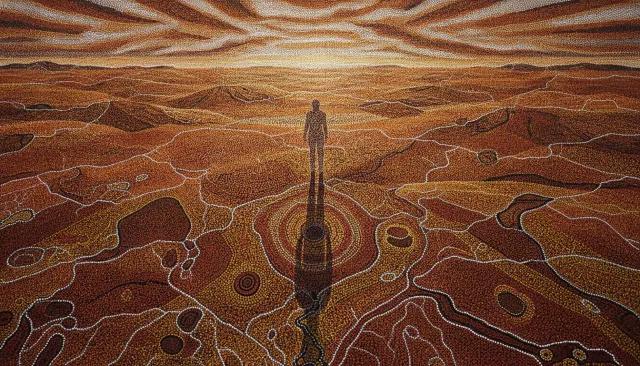
Aboriginal Dot Painting (Australia)

Inspired by the tradition of Western Desert Aboriginal dot painting from communities such as Papunya. Concentric circle motifs and ochre dot fields express songlines and country.

Maori Carving and Ta Moko (New Zealand)

In the tradition of Maori whakairo carving and ta moko tattooing from Aotearoa New Zealand. Bold spiral koru and interlocking curves carved in dark timber and bone.

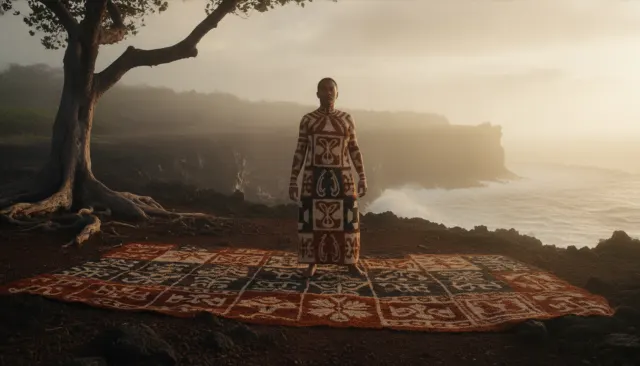
Hawaiian Tapa Cloth (Kapa)

Honoring the craft of Hawaiian kapa, beaten bark cloth stamped with carved bamboo. Earth-pigment stripes and geometric grids in muted ochre, charcoal, and bone.

Papua New Guinea Tribal Mask

Inspired by the carved-mask traditions of the Sepik River and highland clans of Papua New Guinea. Elongated faces, cowrie-shell eyes, ceremonial pigment.

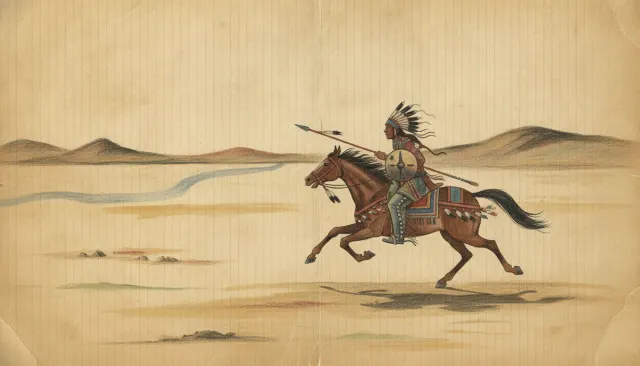
Plains Native American Ledger Art

Inspired by 19th-century Plains ledger-art tradition, where Cheyenne, Lakota, and Kiowa artists drew on traders ledger paper. Flat profile figures, narrative horse-and-warrior scenes.

Pacific Northwest Formline Totem

In the tradition of Pacific Northwest Coast formline design from Haida, Tlingit, and Kwakwakawakw artists. Bold ovoid eyes, U-form curves, red and black on cedar.

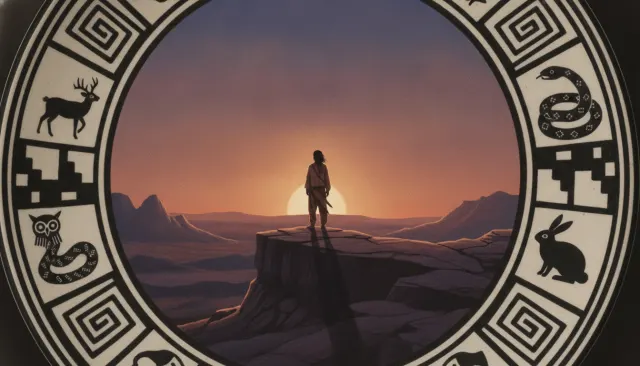
Pueblo Mimbres Pottery

Inspired by Mimbres black-on-white pottery tradition of the ancestral Pueblo southwest. Stylized animal silhouettes inside concentric geometric frames.

Andean Inca Textile (Peru)

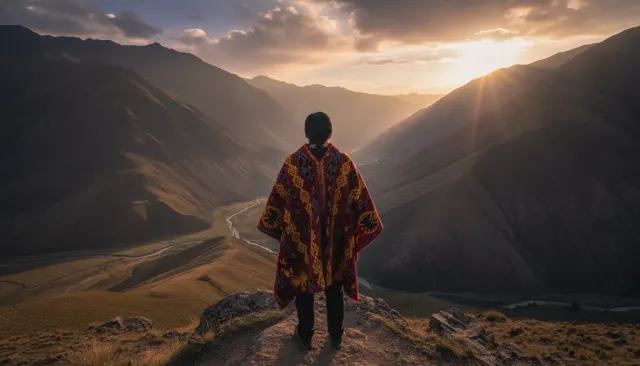
Inspired by Andean weaving traditions of Inca and modern Quechua artisans in Peru. Tightly woven alpaca with stepped diamond, condor, and chakana cross motifs.

Amazonian Shipibo Pattern

In the tradition of Shipibo-Conibo kene pattern from the Peruvian Amazon. Intricate maze-like lines painted on cotton cloth, said to encode plant-medicine vision.

Mexican Loteria Card Illustration

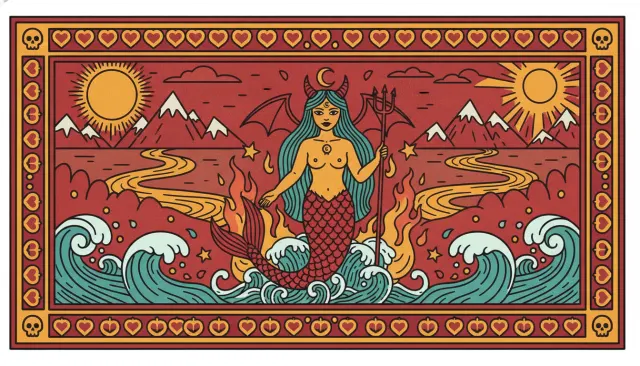
Inspired by the iconic Mexican Loteria card-game tradition. Bold-outlined naive illustration of La Sirena, El Diablito, La Luna over saturated red and yellow.

Day of the Dead Sugar Skull (Mexico)

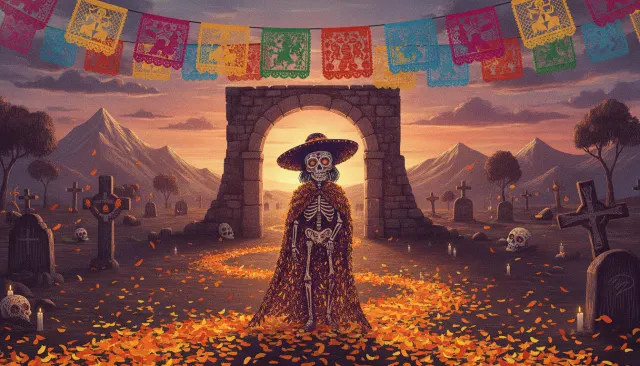
Honoring the Dia de los Muertos tradition of Mexico. Ornately decorated calavera skull with marigold petals, papel picado, and Posada-inspired calaveras.

Frida Kahlo Self-Portrait (Mexico)

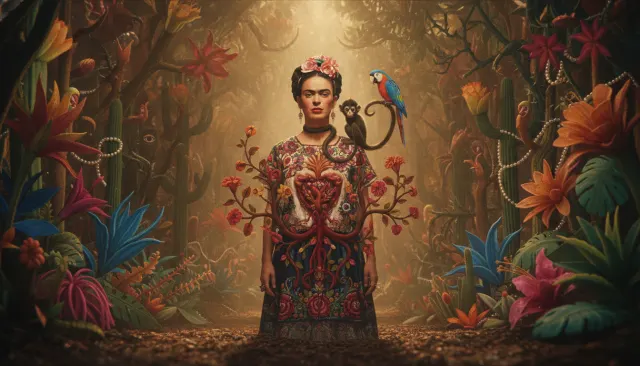
In the tradition of Frida Kahlo Mexican folk surrealism. Direct unflinching self-portrait with tropical foliage, monkey and parrot companions, symbolic wound and bloom.

Cuban Vintage Travel Poster

Inspired by mid-century Cuban travel-poster and rum-label tradition. Bold flat color illustration of Havana skyline, vintage car, palm, and tropical sunset.

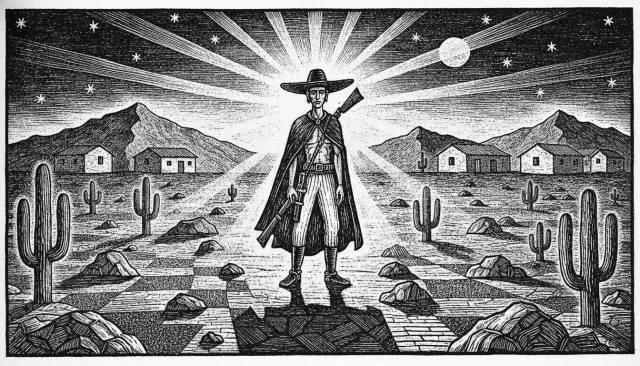
Brazilian Cordel Woodcut

In the tradition of Brazilian Literatura de Cordel chapbook woodcut illustration. High-contrast black-and-white prints of cangaceiro outlaws, saints, and folk tales.

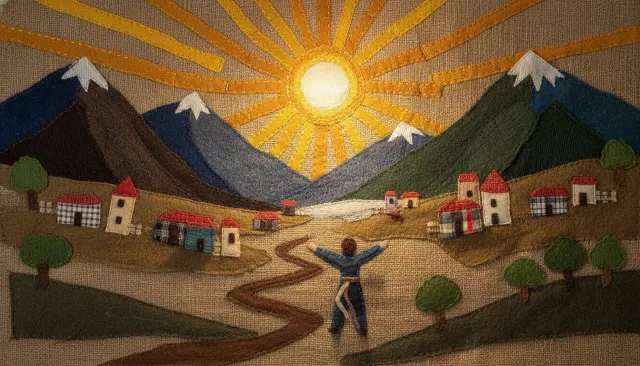
Chilean Arpillera Textile

Inspired by the Chilean arpillera tradition of patchwork burlap pictures that documented community life and political memory under Pinochet.

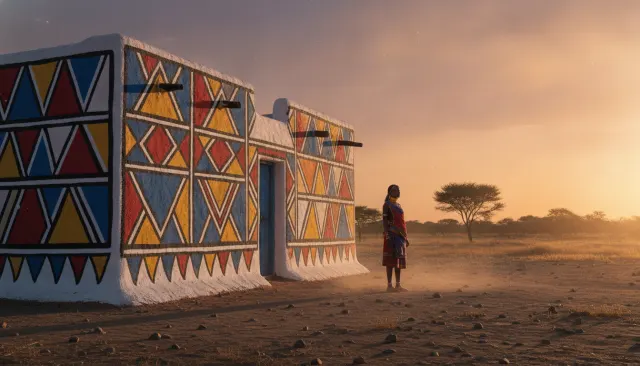
Ndebele Painted House (Southern Africa)

Inspired by the Ndebele painted-house tradition of southern Africa, popularized by artist Esther Mahlangu. Bold geometric mural blocks in primary colors outlined in black.

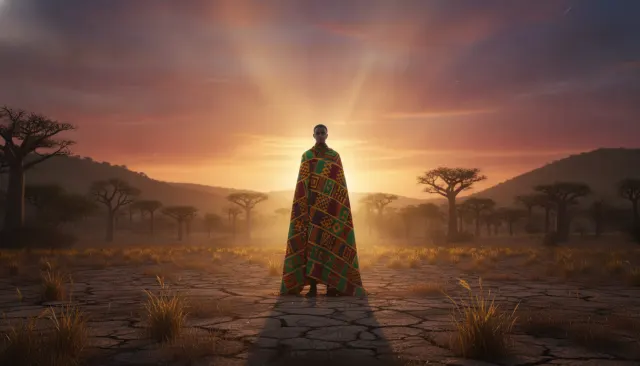
Kente Cloth Weaving (Ghana)

In the tradition of Asante and Ewe kente cloth weaving from Ghana. Narrow strips of strip-loom cloth in symbolic gold, green, red, and black geometric pattern.

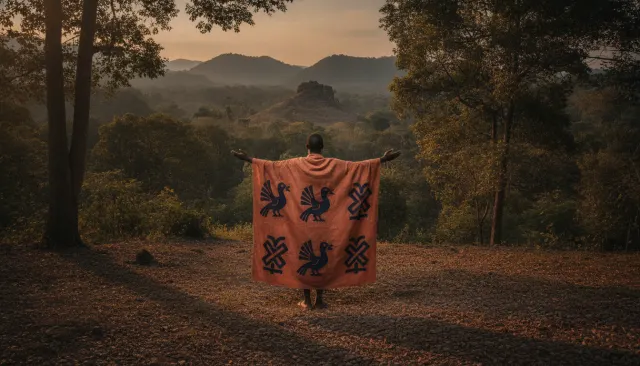
Adinkra Symbols (Ghana)

Inspired by the Asante adinkra symbol tradition of Ghana. Stamped symbolic ideograms (sankofa bird, gye nyame) in dark dye on hand-block-printed cloth.

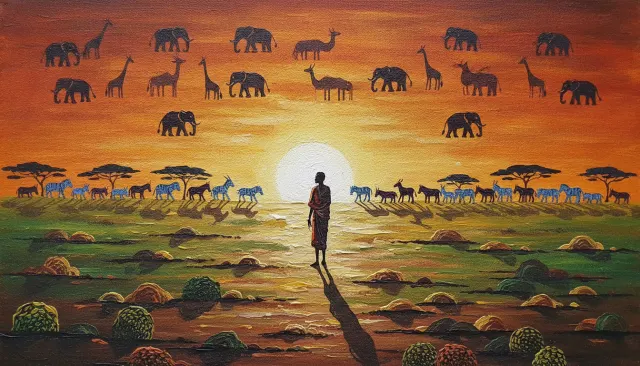
Tingatinga Painting (Tanzania)

In the tradition of Edward Said Tingatinga and the Tanzanian Tingatinga school. Bright enamel paintings of safari animals, repeated in flat saturated color on board.

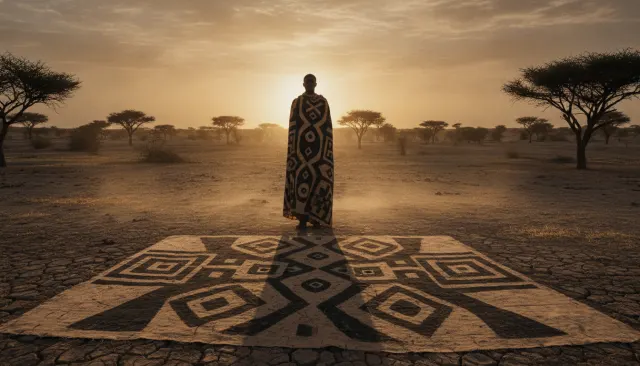
Bogolan Mudcloth (Mali)

Honoring the Bamana bogolanfini mudcloth tradition of Mali. Hand-woven cotton dyed with fermented mud, geometric symbolic pattern in earth black on tan.

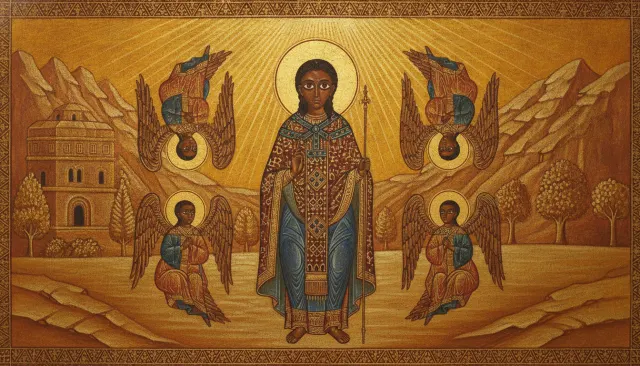
Ethiopian Religious Icon

In the tradition of Ethiopian Orthodox icon painting. Wide-eyed saints and angels in tempera on gessoed wood, with stylized symmetrical hieratic composition.

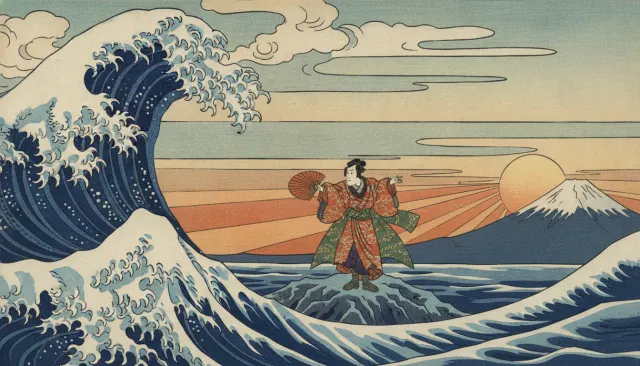
Japanese Ukiyo-e Hokusai Woodblock

Inspired by the Japanese ukiyo-e woodblock tradition of Katsushika Hokusai and Utagawa Hiroshige. Flat carved color, Prussian blue waves, Mt Fuji, kabuki actor portraits.

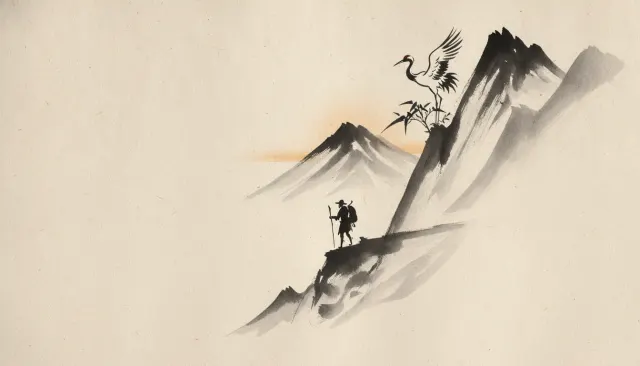
Japanese Sumi-e Ink Brush

In the tradition of Japanese sumi-e ink painting and zen brushwork. Single-stroke bamboo, crane, and mountain on washi paper, vast negative space.

Japanese Shibori Indigo Dye

Inspired by Japanese shibori tie-resist indigo dyeing tradition. Deep aizome blue with crystalline white resist patterns of arashi, itajime, and kumo.

Render in any Folk & World look

Brief Cue once, lock the Look, and ship every frame in this aesthetic.

Start free โ†’