Violeta Morales and Agrupacion arpillera workshops, Santiago (1974-1990)
British Museum and V&A collections
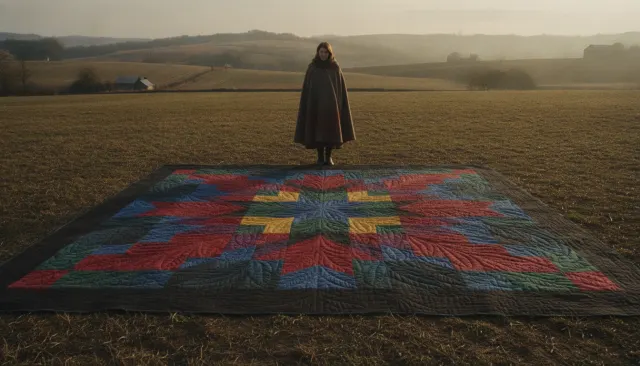
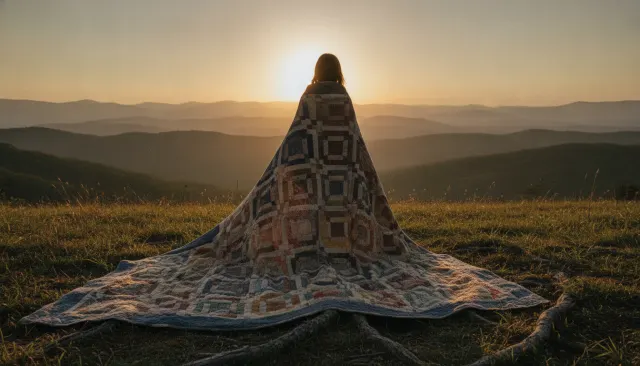
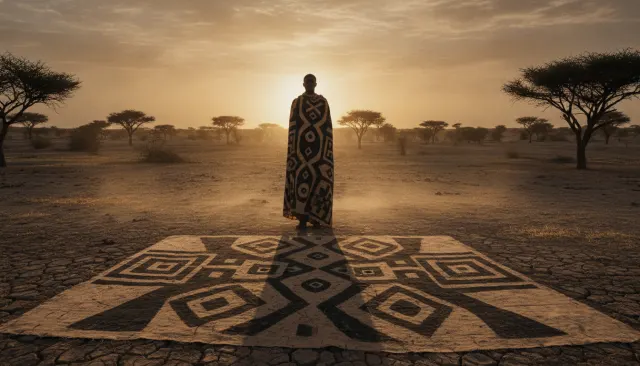
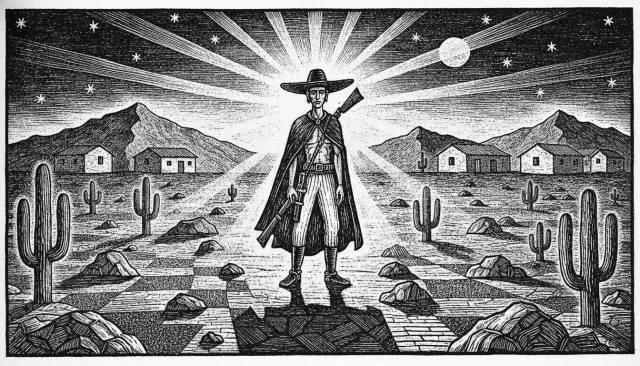
Inspired by the Chilean arpillera tradition of patchwork burlap pictures that documented community life and political memory under Pinochet.
The moves a human crew would use to get here. Cue applies them for you, and knowing their names is how you ask for a change.
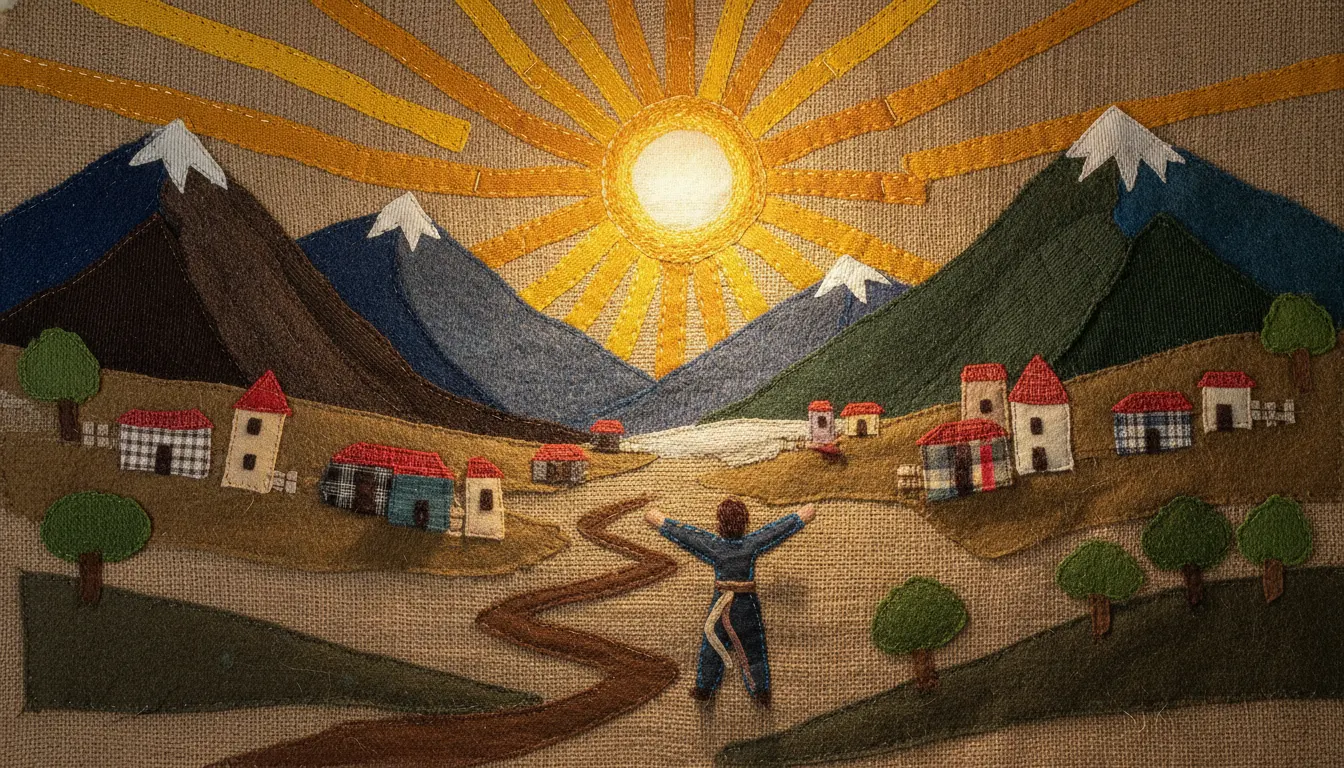
woven backing with appliqued fabric scraps in vivid primary colors
dimensional stuffed figures: small fabric dolls with yarn hair and button or embroidered eyes
blue sky, white Andes peaks, adobe houses, foreground figures
political slogans, names of the disappeared, protest signs
stitching as an expressive element rather than concealed construction
clothing scraps, sometimes from disappeared family members
In the tradition of the arpilleristas – the women who organized in church-protected workshops in Santiago's shantytowns (poblaciones) to sew arpilleras (patchwork fabric pictures) under the Pinochet military dictatorship (1973-1990) – this look represents one of the most politically charged and artistically distinctive folk textile forms of the 20th century.
After the September 11, 1973 coup that overthrew Salvador Allende and installed General Augusto Pinochet, thousands of Chileans were disappeared, imprisoned, and killed. Women whose husbands, sons, and brothers were taken began gathering in workshops organized by the Vicariate of Solidarity (the Catholic Church's human rights organization) both to earn small incomes by selling their work and to bear witness to what was happening to their families and communities.
The word arpillera means 'burlap' in Spanish – the coarse woven fabric used as the backing. Onto this ground, the women sewed scenes from their lives and their political reality using scraps of clothing (sometimes from disappeared loved ones), yarn, and whatever materials were available. A typical arpillera depicts a Chilean landscape with snow-capped Andes in the background, bright adobe houses, and small three-dimensional figures engaged in everyday activities – but frequently also soldiers raiding homes, women protesting with signs reading Donde Estan? ('Where are they?'), or breadlines outside soup kitchens.
Artist and organizer Violeta Morales and the Agrupacion de Familiares de Detenidos Desaparecidos (Association of Families of the Detained-Disappeared) were central to developing and sustaining the tradition. The arpilleras were smuggled out of Chile by diplomats and solidarity activists and sold internationally, raising both funds and awareness. Today, arpilleras are held in collections at the British Museum, the Smithsonian, the Victoria and Albert Museum, and the National Museum of Chile.
An arpillera is typically 30-40 cm square. The sky occupies the upper register in bright blue or white; the Andes are suggested with white or gray fabric peaks; below them, a middle ground of adobe-red, yellow, and green houses; and in the foreground, figures going about their lives. The three-dimensional quality – stuffed fabric figures, real buttons for eyes, hair made from yarn – gives arpilleras a quality between doll-making and painting.
British Museum and V&A collections
documentary photographs of arpillera workshops (1970s-80s)
*Tapestries of Hope, Threads of Love: The Arpillera Movement in Chile* (1996/2008)
Chilean arpillera collection
arpillera archive
A Look is not a filter. It is a set of stored decisions the pipeline reads before it makes a single frame, so two videos in the same Look actually match.