Stories, craft notes, and engineering deep-dives from the team.
The build log of a tool that turns a prompt into a finished, narrated, on-brand video. We write about the things that actually moved the needle - voice markup, image consistency, render pipelines, honest pricing.

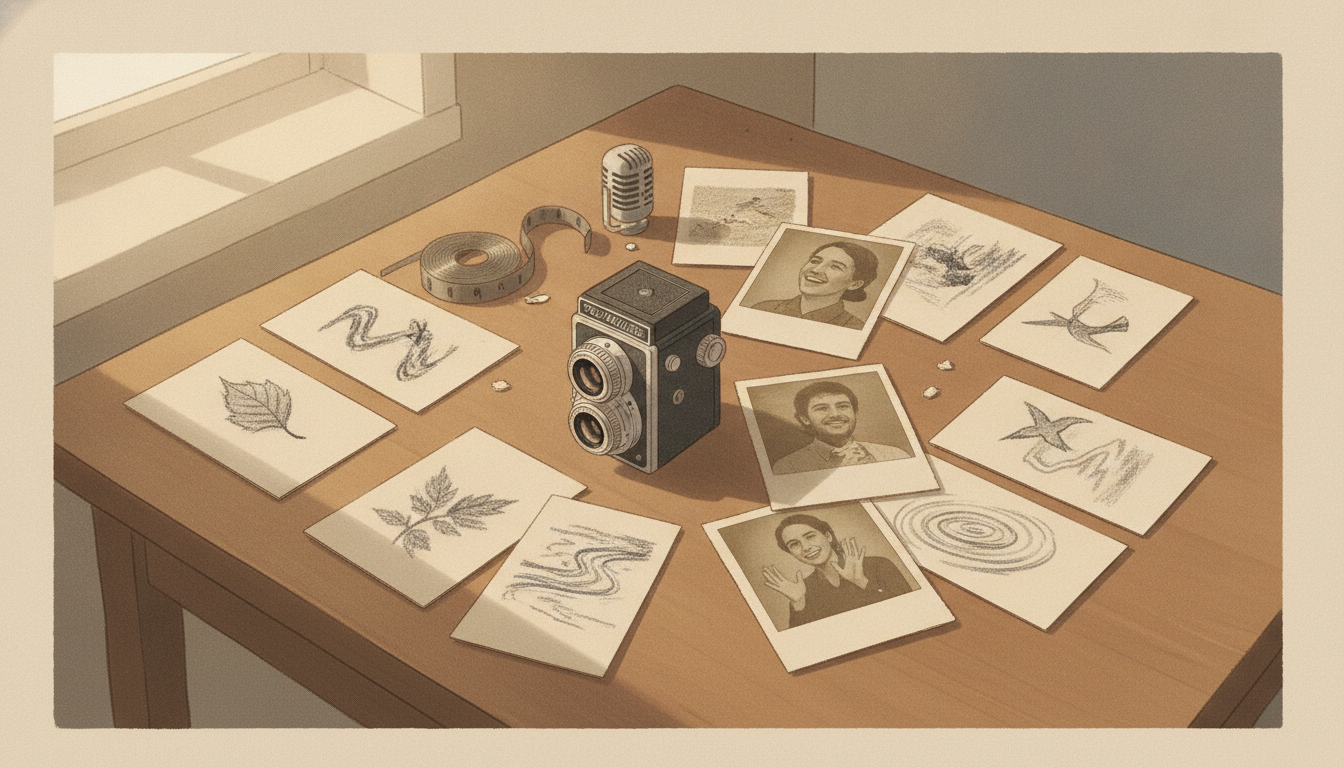
The Memory Anchor: Using Recurring Visual Motifs to Bind Disjointed Shoot Days
When a project is filmed across different days, rooms, and moods, the edit can feel like separate videos stitched together. A memory anchor—a recurring visual motif used on purpose—can help bridge those gaps. Here’s how to choose one, place it well, and use it without asking it to solve problems that actually belong to color, coverage, structure, or audio.
The Pickup Patch: Matching Previous Energy in Voiceover Pickup Recording
When you re-record one line weeks later, the obvious seam usually comes from performance drift, not just room tone or EQ. Here’s a practical voiceover pickup recording workflow for matching your earlier pace, emphasis, and emotional temperature so the replacement line actually disappears into the edit.
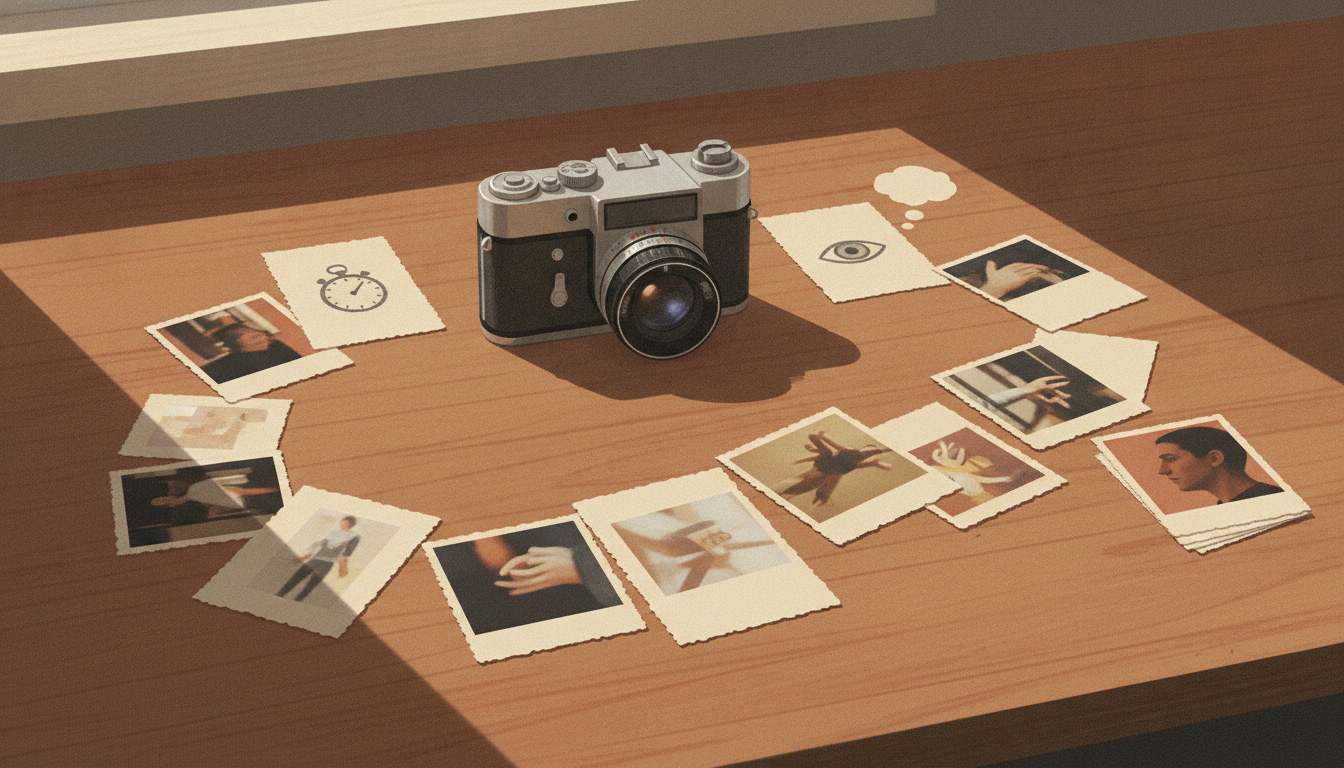
The Chyron Timeline: Deciding How Long On-Screen Text Must Live to Be Read
When viewers say an overlay felt too fast, the real problem may be timing, not just typography. This guide focuses on the part most chyron advice skips: temporal choreography—when text appears, how long it stays, and when it leaves relative to speech, captions, and motion on screen.
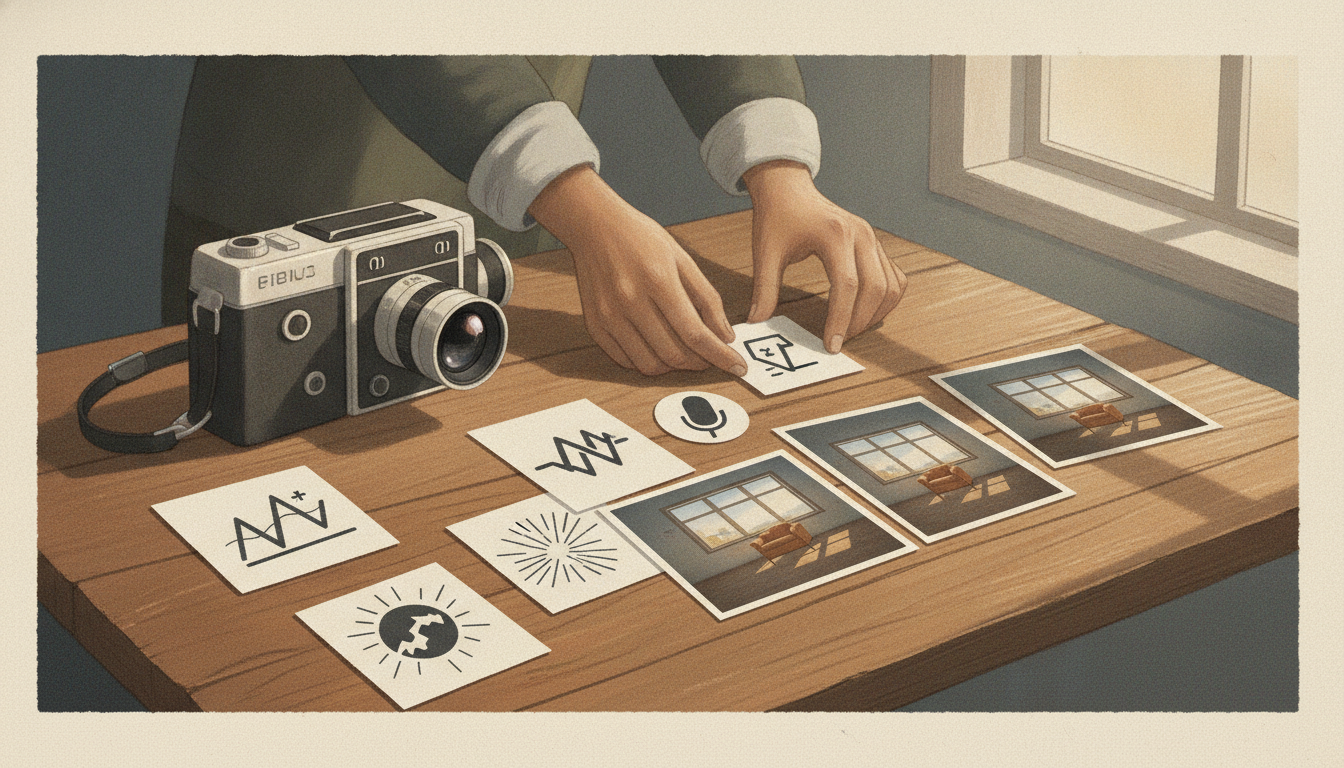
The Room Tone Heist: Fixing Uneven Audio Between Clips Recorded Hours Apart
When two interview or voiceover clips were recorded hours apart, matching loudness alone will not hide the seam. This guide shows a practical room tone video editing workflow for diagnosing ambience shifts, comparing pause regions, testing EQ versus denoise, and deciding when a room-tone bed helps—or when you should stop and ask for pickups.
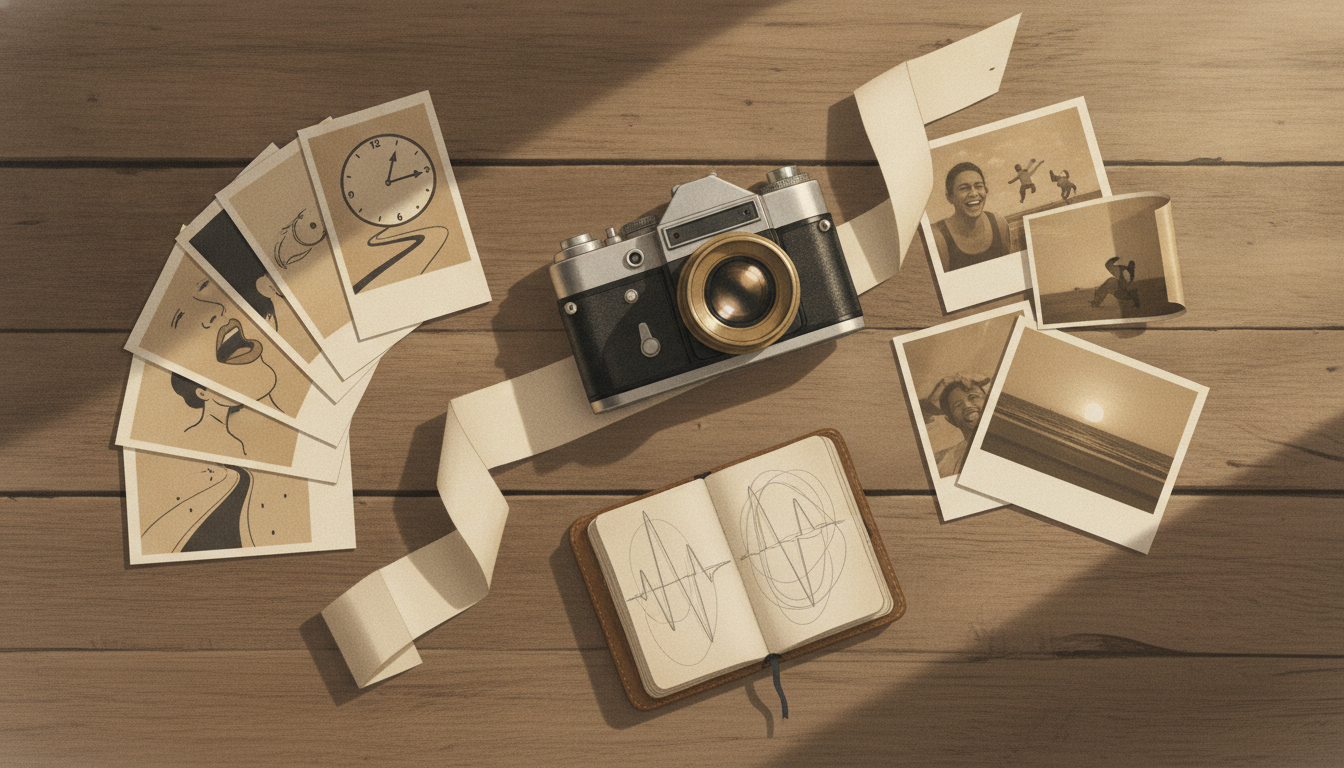
Why Video Script Word Count Fails Your Stopwatch
Word count is a useful starting point, but it’s a bad promise. Here’s why two scripts with the same length can run very differently on camera, plus a practical way to time conversational, technical, and sponsor-safe copy before recording.
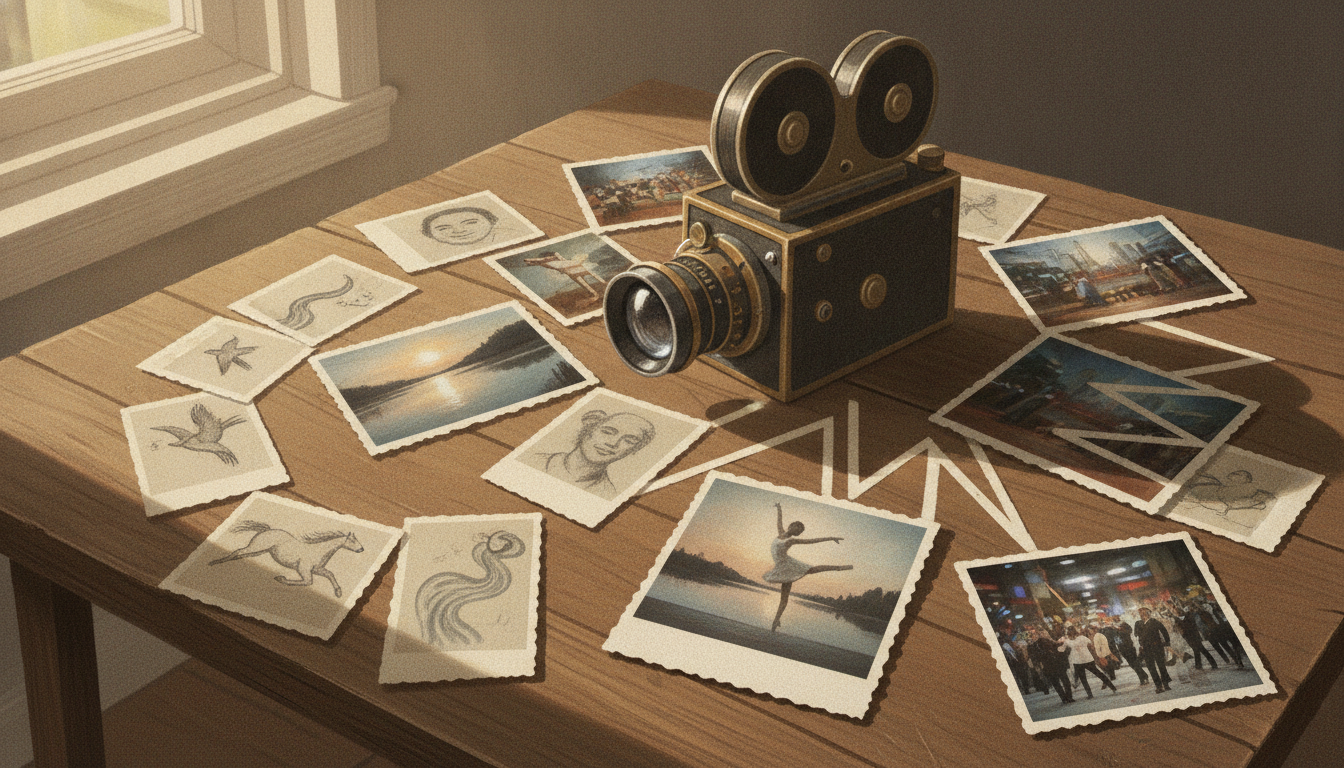
The Tempo Mismatch: When Your Video Editing Rhythm Fights the Scene
Sometimes pacing feels off even when the cuts are technically clean. The usual problem is not bad editing basics, but a mismatch between cut tempo and emotional tension. Here’s how to diagnose video editing rhythm, build a simple rhythm map, and rebuild a sequence so the visuals support the feeling instead of undermining it.
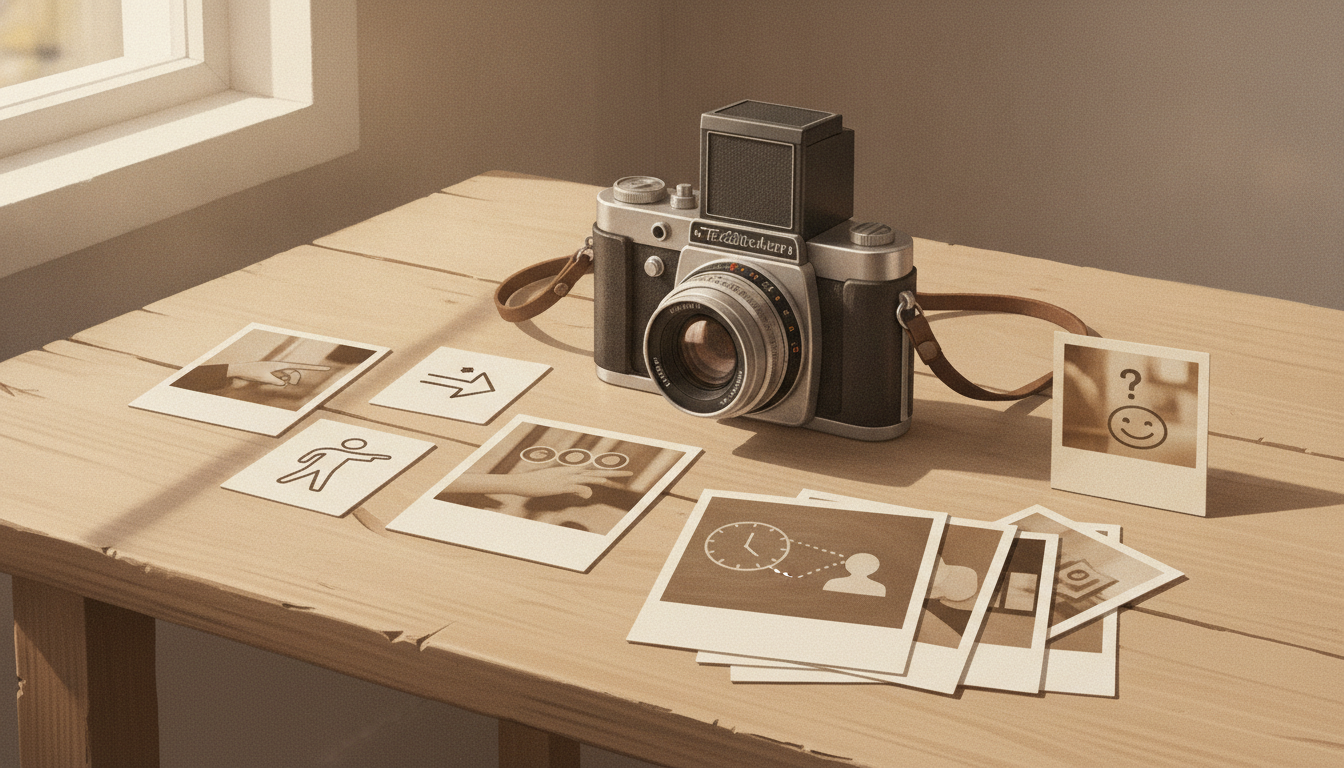
The Attribution Layer: On-Screen Attribution Without Killing Your Pacing
A practical guide to on-screen attribution for educational and documentary-style videos. Learn a three-tier editorial system, see a fictional sleep-research redesign with a frame spec you can reproduce, and credit studies, footage, quotes, and graphics without turning your opening into a reading test.
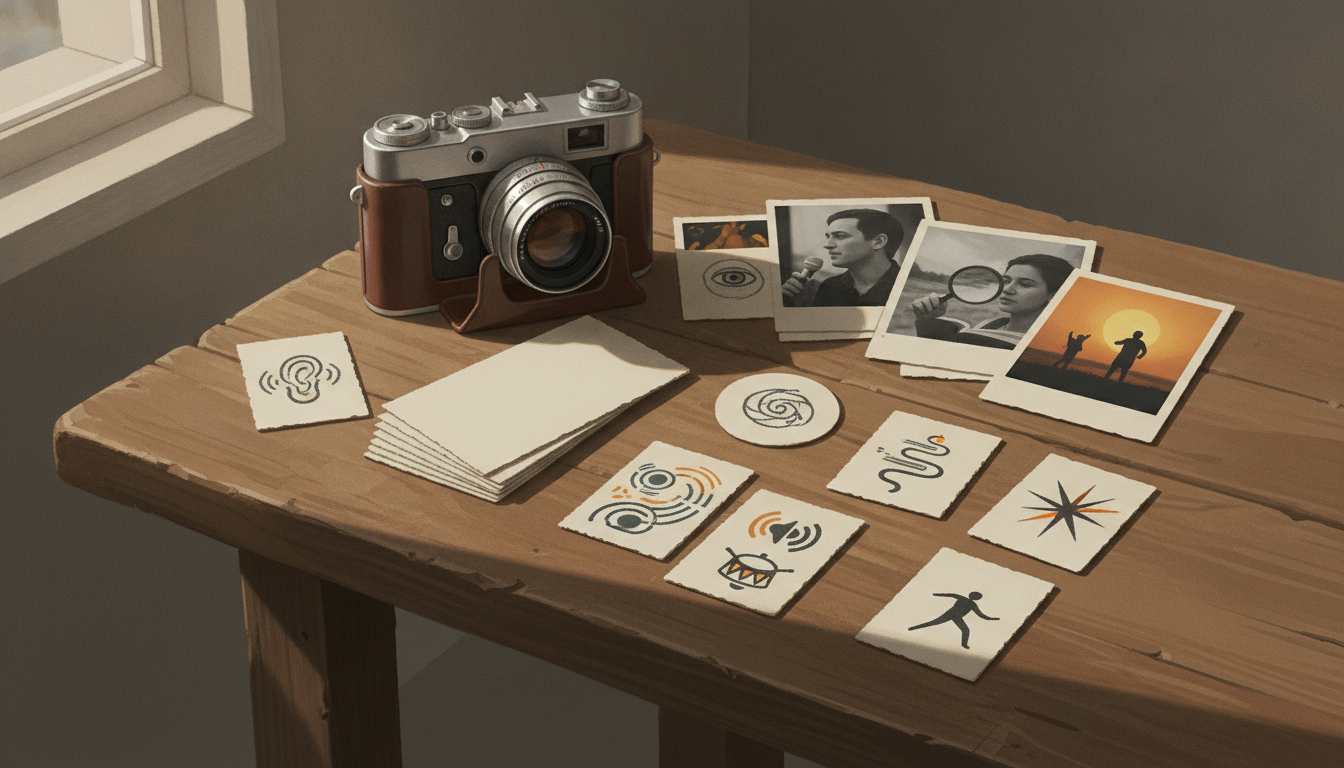
The Platform Translation: Rebuilding Your Hook for Audio-First vs. Visual-First Scrolling
Repurposing one intro across YouTube, TikTok, and audio usually weakens the idea instead of saving time. The fix is to rebuild the opening around what the audience can actually perceive first: image, personality, or sound.
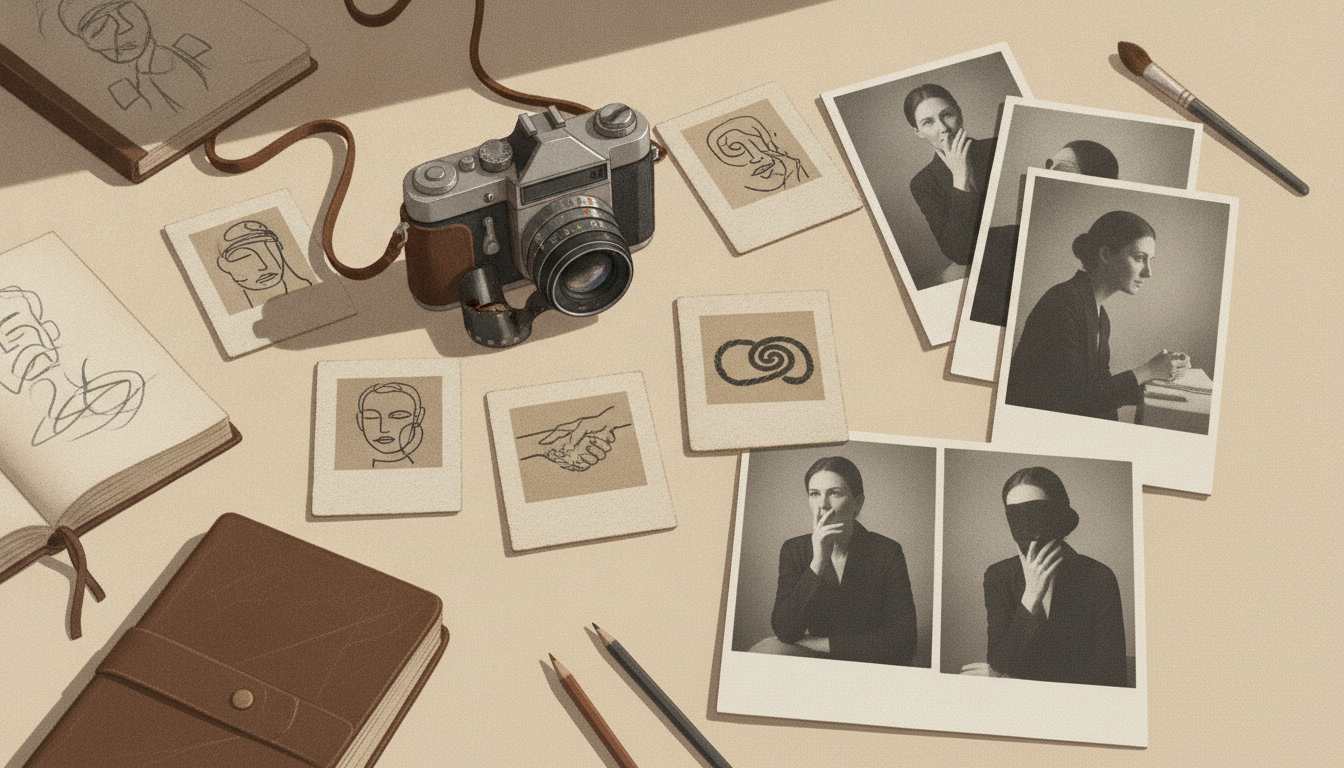
The Dialogue Shadow: Writing Subtext Your Actor Can Actually Perform
If your dialogue keeps naming emotions instead of staging them, performances go stiff fast. Here’s how to write subtext for video by turning feeling into playable action—through objects, space, and speech patterns that even non-actors can actually perform.
The Proximity Rule: Directing Viewer Attention When Your Frame Is Too Crowded
When your frame has a host, product, text, and styled background all competing at once, viewers miss the instructional point. This guide shows how to direct attention in video with lens choice, spacing, selective focus, and eye-line blocking, using a concrete cooking-channel example you can rehearse on your next shoot.
The Establishing Shot Problem: When Your Opener Promises a Tutorial You Don’t Deliver
A polished establishing shot can make a tutorial feel cinematic, but it can also set up the wrong expectations. Here’s how to choose opening shots that orient the viewer, match the actual lesson, and hand off cleanly into the first minute.
The Reaction Shot Drought: When Your Single-Host Video Feels Like a Lecture
If your one-camera tutorial feels more like a webinar than a conversation, the missing piece may be reaction inserts. Here’s how to use a second-pass reaction shot method to add rhythm, emphasis, and viewer guidance to solo educational videos without a second camera.
One post in your inbox, monthly.
New craft notes, render deep-dives, and the occasional teardown of a video we shipped. No spam, ever. Unsubscribe in one click.