Stories, craft notes, and engineering deep-dives from the team.
The build log of a tool that turns a prompt into a finished, narrated, on-brand video. We write about the things that actually moved the needle - voice markup, image consistency, render pipelines, honest pricing.
The Ear Fatigue Threshold: A Cadence Map for Voiceover Variation in Long-Form Explainers
If your 8–15 minute explainer fades in the back half, the problem may be less about weak ideas than unvaried spoken rhythm. This guide shows how to use a script-first Cadence Map to plan voiceover variation, reduce ear fatigue, and keep long narration easier to follow.
The Crossfade Lie: Why “Smooth” Transitions Can Weaken Your Edit
Crossfades, J-cuts, and speed ramps can look polished, but they often expose hesitation when they’re covering a weak scene connection. Here’s a practical framework for video transitions editing: when to cut hard, when to let sound lead, when to keep the dissolve, and how to spot a transition that’s acting like a scar instead of a decision.
The Description Graveyard: Writing YouTube Descriptions That Earn Their Real Estate
Most YouTube descriptions get treated like a storage closet for links, timestamps, and leftover copy. Better YouTube description writing uses the opening lines as packaging: a clear continuation of the title and thumbnail that sets expectations before anyone clicks “more.”
The Hand-Me-Down Edit: Rebuilding Intent in Post When You’re Editing Other People’s Footage
Inherited footage can be technically solid and still fight you in the timeline. When you’re editing other people’s footage, the real problem is often not missing coverage but inherited framing habits, movement defaults, and unclear sequence intent. Here’s a practical way to diagnose the problem, rebuild intention in post, and leave better handoff notes for the next shoot.
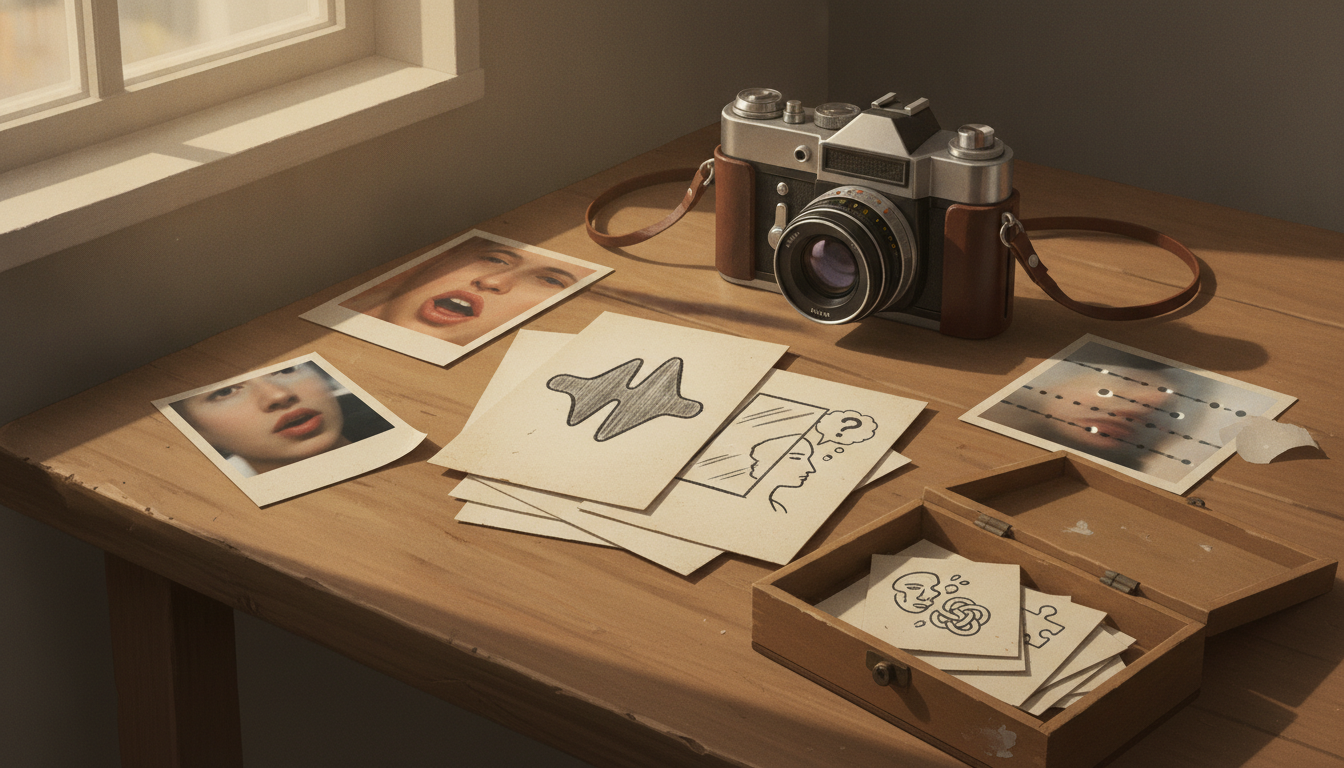
The Lip-Sync Mirage: Why Your Dubbed Dialogue Still Feels Foreign
If your dub is accurate and the voice sounds right but native viewers still say it feels off, the problem may be visual rhythm rather than translation alone. In lip sync dubbing, stressed words, timing choices, cutaways, and untranslated on-screen text can quietly break the illusion even when the audio is technically correct.
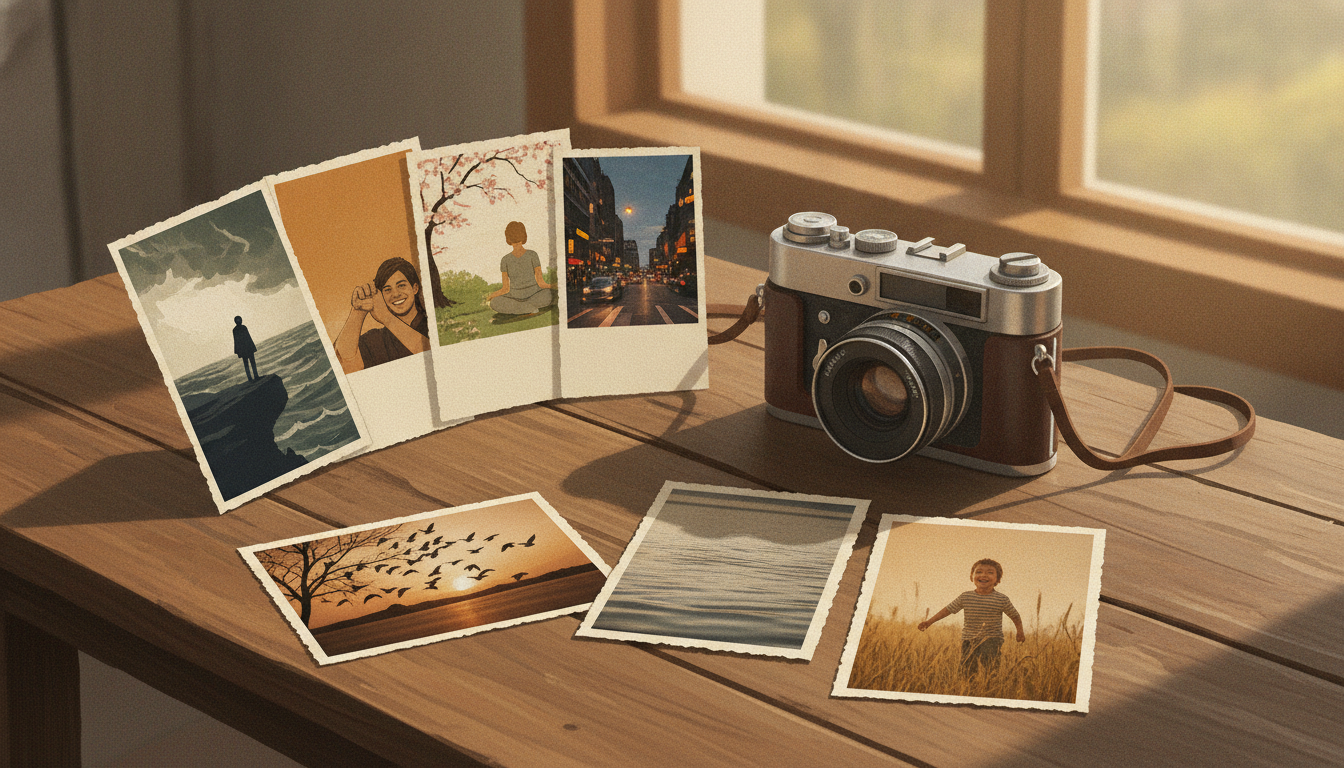
The Stock Footage Accent: Using Generic Clips for Specific Emotional Work
Stock footage feels weak when it pretends to be proof. It gets much stronger when you use it for the jobs it actually does well: mood, memory, transition, scale, and inner state. This guide offers a practical framework for using stock footage effectively in nonfiction without making factual promises the footage cannot support.
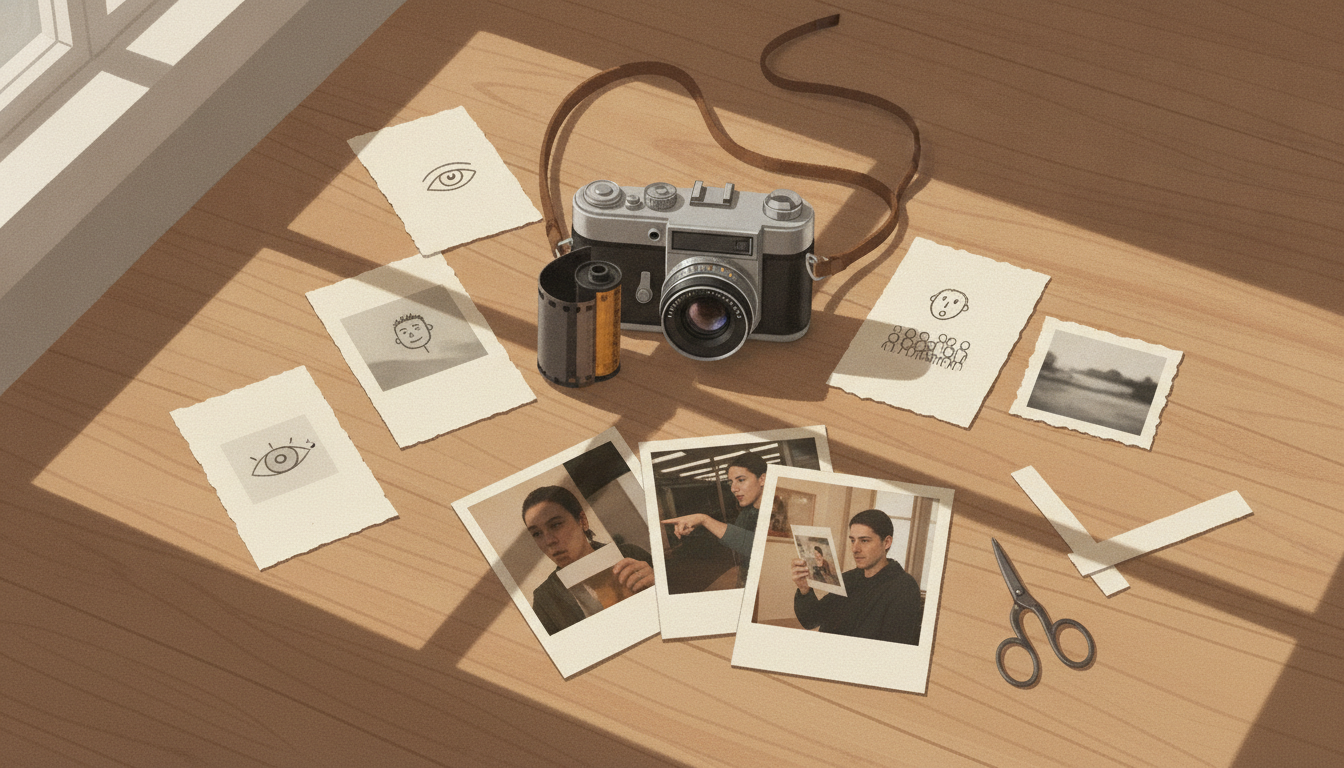
The Thumbnail Afterlife: How to Stress-Test a YouTube Thumbnail Across Real Viewing Contexts
Most thumbnail advice is really browse-page advice. A thumbnail’s afterlife is what happens after upload: the same image gets reduced into YouTube’s published thumbnail sizes, appears in embeds, and competes in places where subtle details stop working. This guide shows how to design and verify for those contexts without inventing platform behavior the sources don’t actually document.
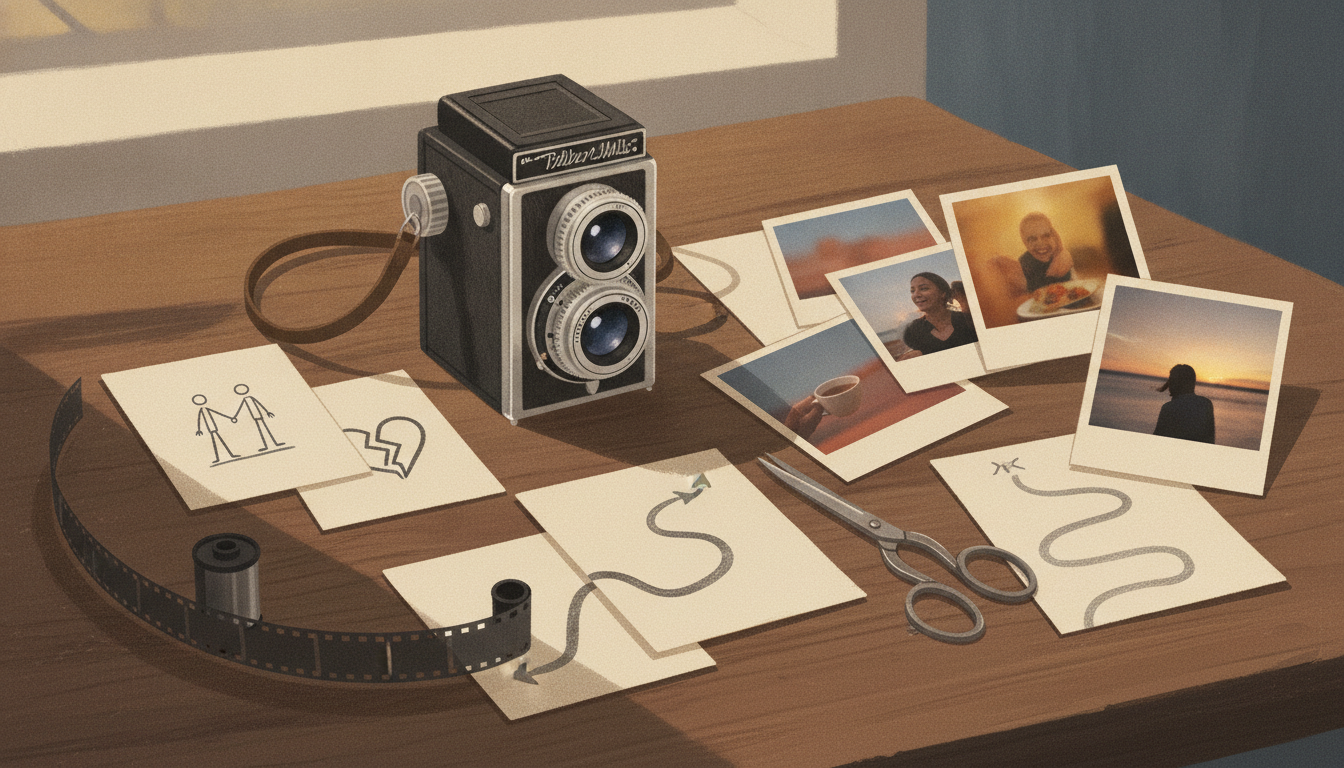
The B-Roll Divorce: Rewriting Script to Match Footage When the Emotional Story Changes
The B-roll divorce happens when your planned narration says one thing but the footage keeps signaling a different emotional story. Here’s how to spot it, test whether the footage-first angle is real, and rewrite the script to match footage without forcing the original plan.
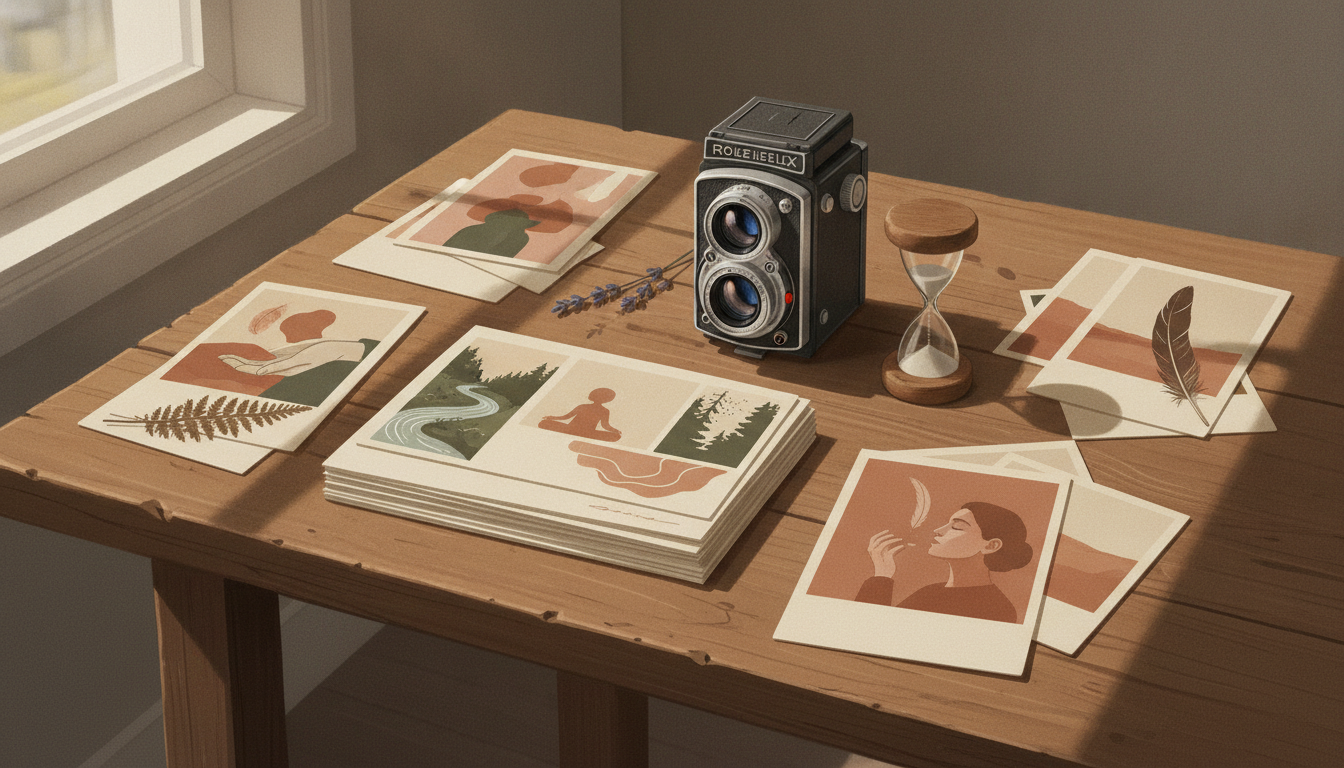
The Micro-Pause Method: Directing Breath Breaks and Silences Without Rushing the Scene
When you cut every pause out of an interview, the result often gets shorter but less believable. This practical framework helps you separate useful breath breaks from slack, so you can keep tension, clarity, and fairness in nonfiction edits.
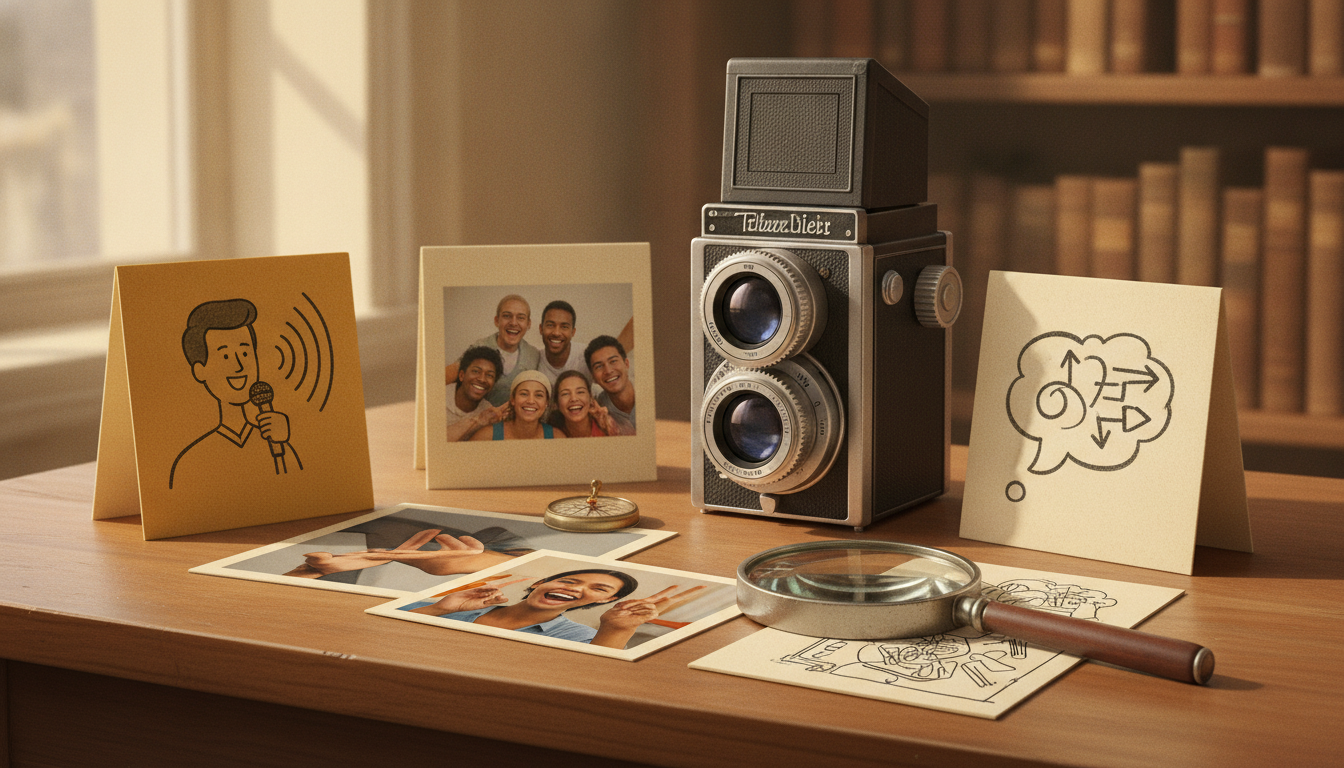
The Comment Archaeology Method: Rewrite Your Next Opening With Audience Language
If your hook sounds accurate but a little distant, comment archaeology gives you a repeatable way to rewrite it with phrases viewers already use. Here’s a practical audience-research method for video scripts, with collection rules, source discipline, bias pitfalls, and a worked fictional example you can copy.
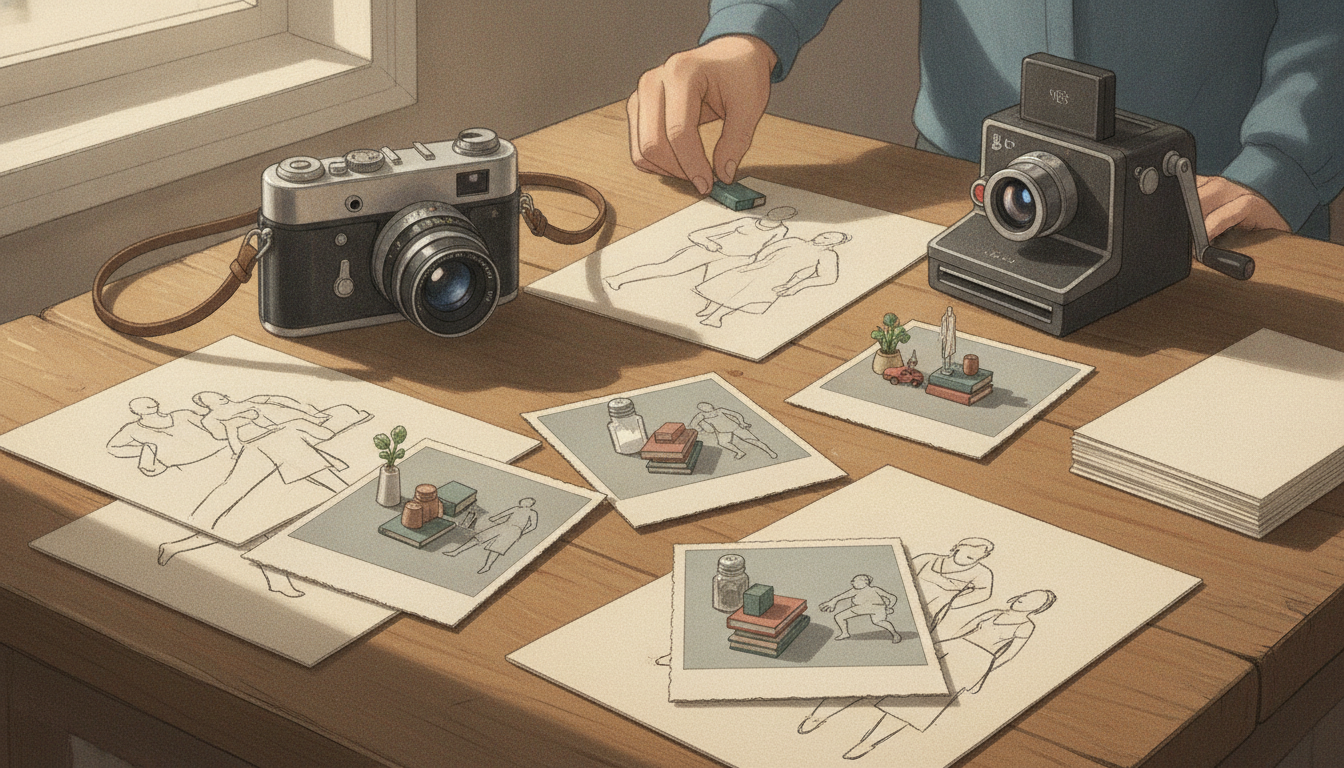
The Stand-In Shoot: Blocking Complex Scenes With Household Objects Before the Camera Rolls
A stand-in shoot is a practical form of pre-visualization for solo creators: rehearse the action with household objects, verify what your real support gear can actually do, and plan one safety angle before location time starts. It’s the fastest way to catch glare, rig limits, awkward transitions, and coverage gaps while fixes are still cheap.
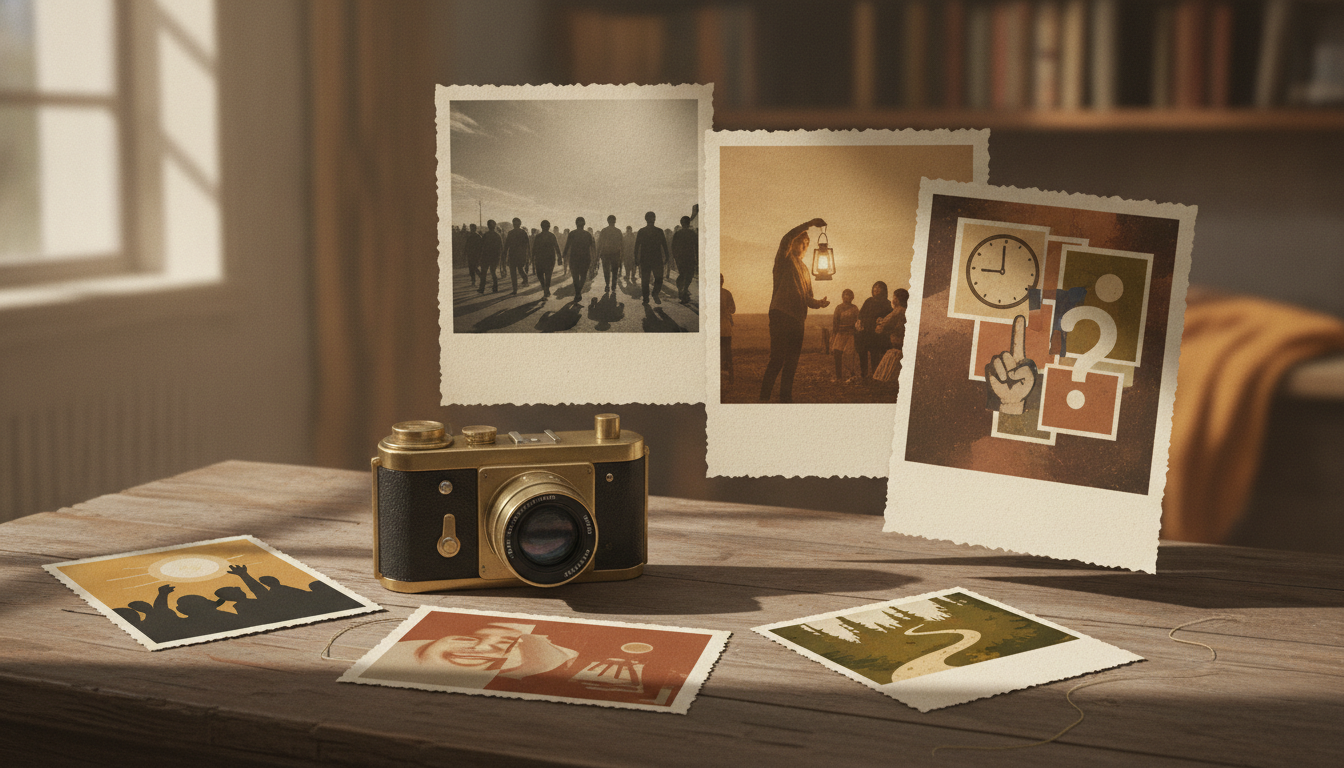
The Propaganda Test: Spotting When Your Edit Manipulates Without Meaning To
A video can become misleading without a fake frame in sight. This practical guide to ethical video editing helps you catch omission, loaded juxtaposition, music-led framing, and risky reordering before you publish.
One post in your inbox, monthly.
New craft notes, render deep-dives, and the occasional teardown of a video we shipped. No spam, ever. Unsubscribe in one click.