Stories, craft notes, and engineering deep-dives from the team.
The build log of a tool that turns a prompt into a finished, narrated, on-brand video. We write about the things that actually moved the needle - voice markup, image consistency, render pipelines, honest pricing.
The Silence Budget: Planning Non-Speech Moments That Carry the Story
When every second is packed with voiceover or music, viewers get no room to notice what matters. A silence budget gives you a practical way to place intentional non-speech beats that reduce overload, protect clarity, and help reveals or instructions land without drifting into dead air.

The Reuse Penalty: Why Your Best Clip Works Worse the Second Time You Deploy It
Most content repurposing advice focuses on formats and distribution. This guide tackles a different problem: why the exact same performed moment often loses force when reused, how to spot recognition before it becomes fatigue, and when to archive a clip versus creating a fresh echo.

The Translation Debt: When Your Multilingual Channel Needs Cultural Rewriting, Not Just Subtitles
Accurate subtitles can still leave international viewers confused when the real problem is hidden in your examples, visuals, assumptions, and packaging. Here’s how to spot translation debt, choose the right level of video localization, and build a practical hybrid rewrite workflow.
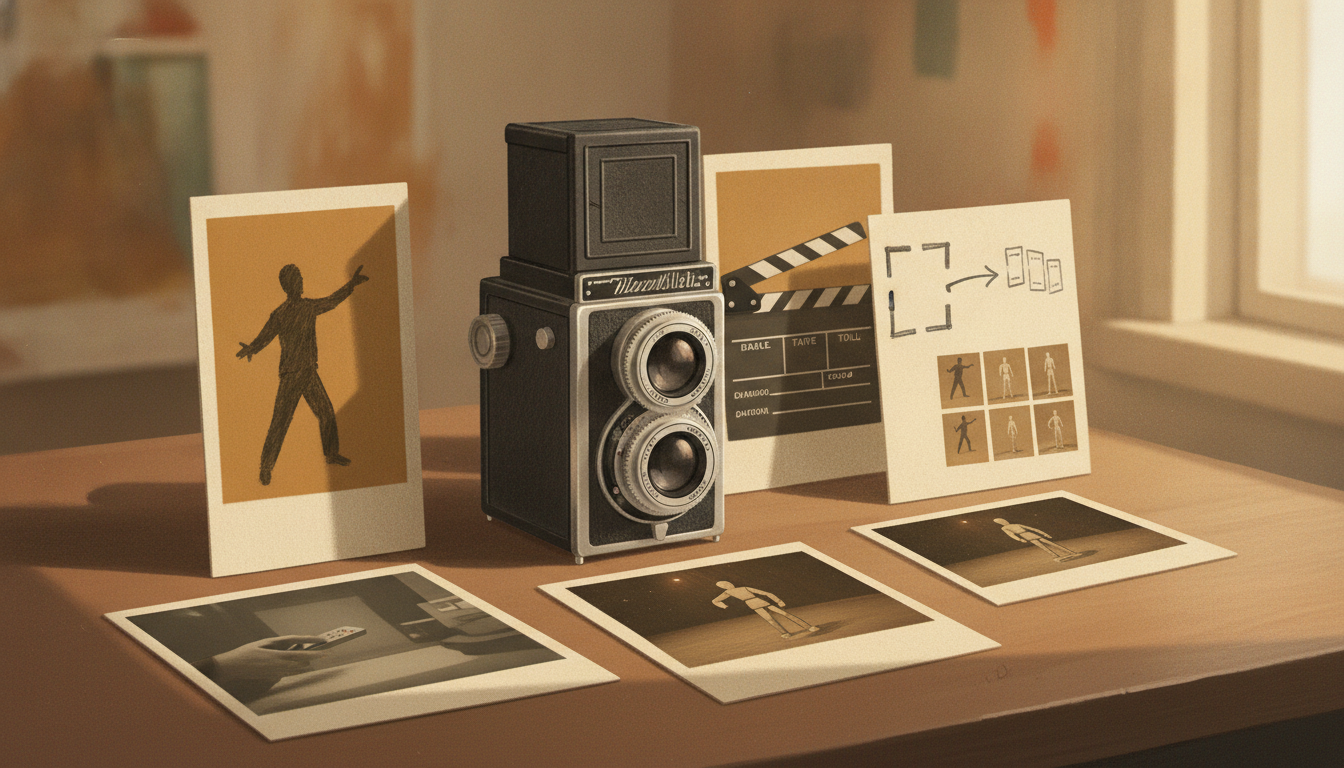
The Second Camera You Forgot to Direct: Treating Screen Recordings as Performed Footage
Raw screen captures often document a workflow without actually teaching it. This guide shows how to treat the screen as a staged environment: rehearse cursor paths, plan beats, choose what to perform versus cut, and hold key changes long enough for viewers to follow what matters.

The Continuity Ghost: Tracking Props and Wardrobe Across Discontinuous Shoots
When a talking-head video is assembled from footage shot on different days, small changes in wardrobe, props, light, and room sound can make adjacent cuts feel off. This guide shows solo creators how to track video continuity with a lightweight notes-and-photos routine, judge which mismatches are distracting enough to fix, and choose between reshooting, accepting, or hiding the problem in the edit.

The Permission Structure: Thumbnail Psychology for Viewers Who Feel Guilty Clicking
Educational and self-improvement creators often need thumbnails that earn attention without feeling like entertainment bait or corporate wallpaper. This tutorial shows how to build a “permission structure”: visual and text cues that make a hesitant viewer feel that clicking your video counts as starting the work, not avoiding it.
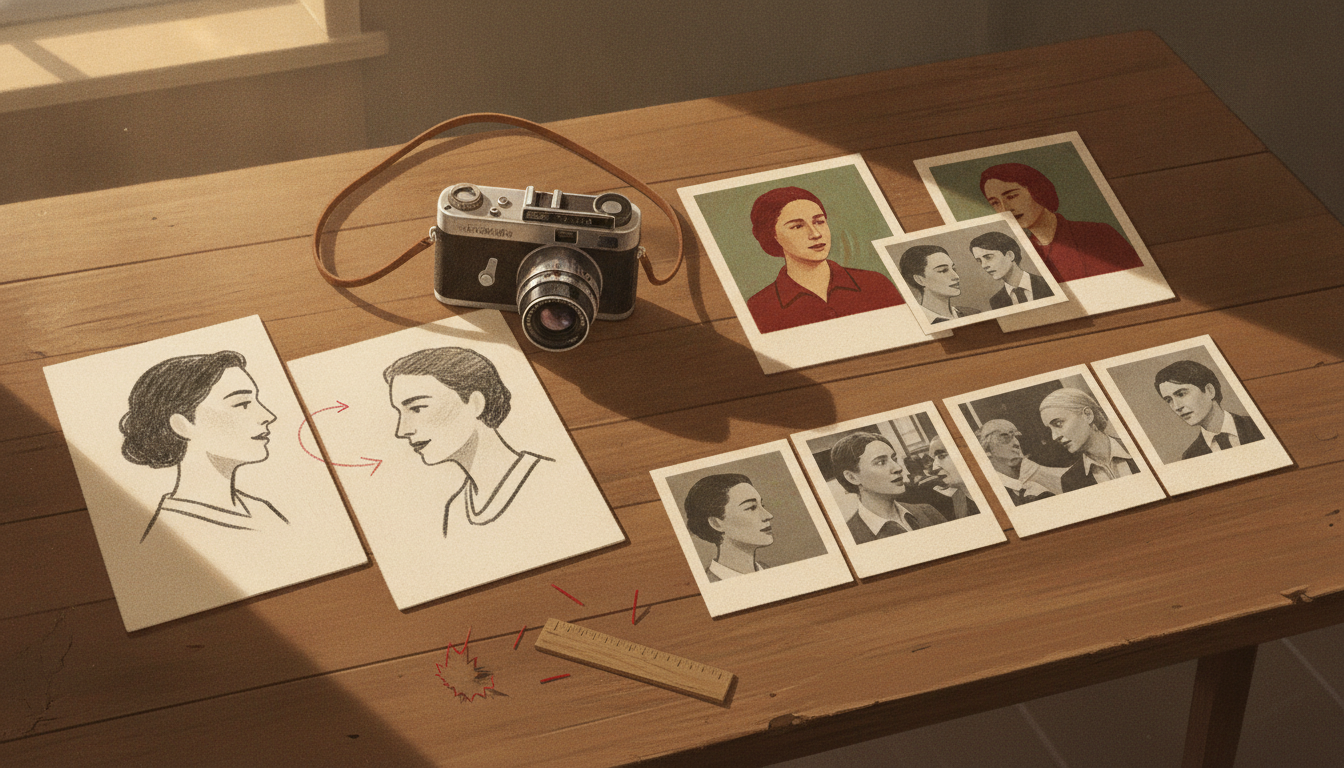
The 2-Shot Rule: How to Save a Thin Interview Edit When You Can’t Reshoot
If you cut a single-camera interview and realize you only have one real shot, don’t try to hide the problem with random cutaways. Triage it. This guide shows how to decide what must stay on the speaker’s face, what can move under supporting visuals, what to bridge with audio, and what to cut completely when your interview B-roll coverage is too thin.
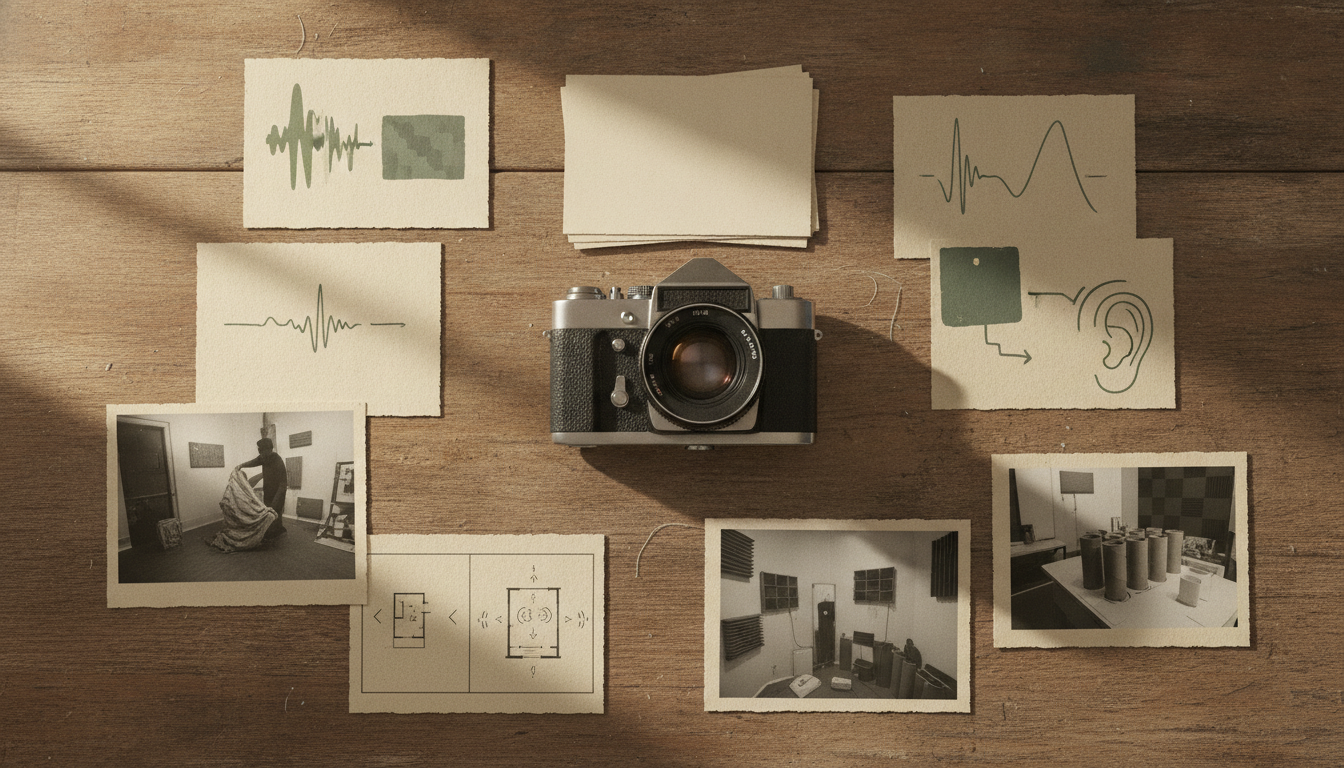
The False Floor: A Practical No-Buy Audio Room Treatment Test for Video Creators
If your voiceover sounds boxy in a bedroom or home office, you do not need to guess your way through foam and blankets. This guide shows a careful, no-buy way to test microphone orientation, closet depth, one movable boundary, and quieter recording windows so you can make the room less obvious on mic.
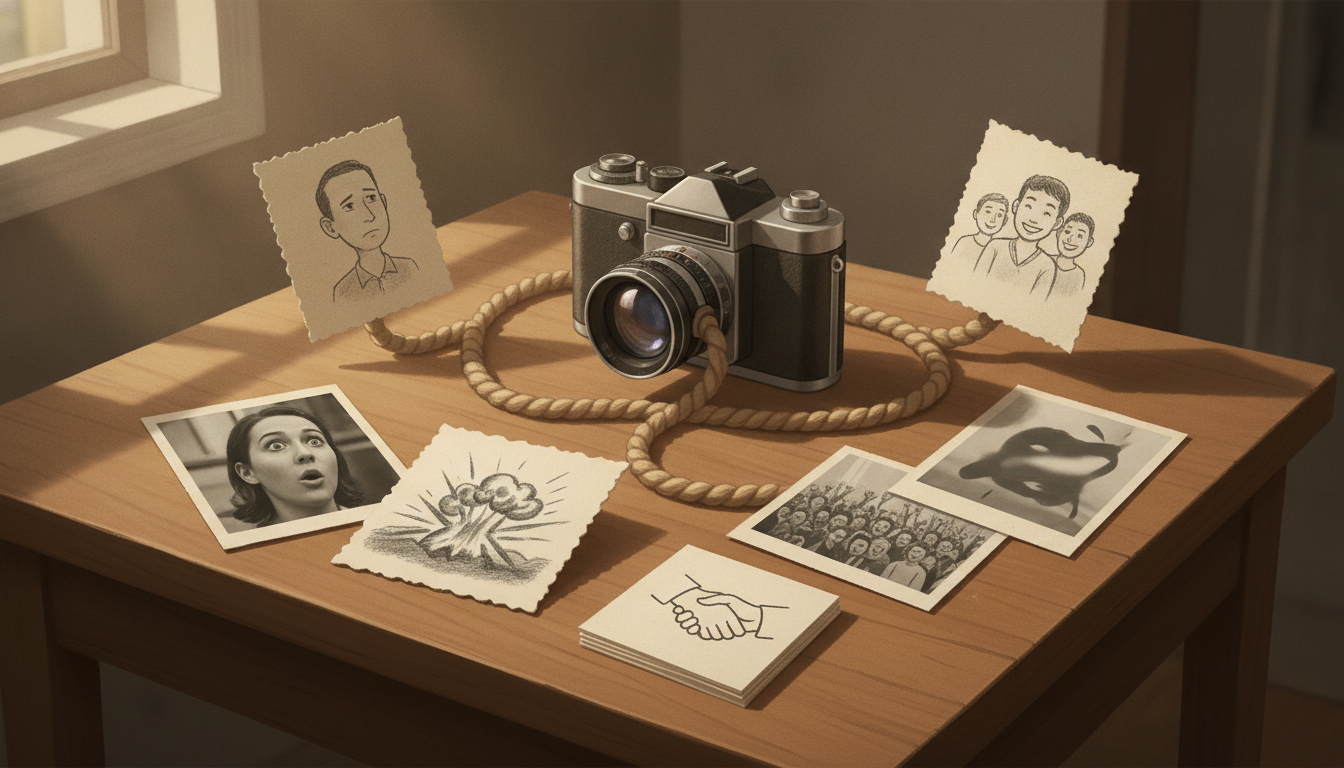
The Cutaway Contract: Using Reaction Shots to Support Unbelievable Claims
When you can’t film literal proof for a bold line, a reaction cutaway can help the claim land without pretending the shot is evidence. Here’s how to use cutaway shots in video editing as a credibility cue, time them on the trust-bearing verb, and keep the ethics clean.
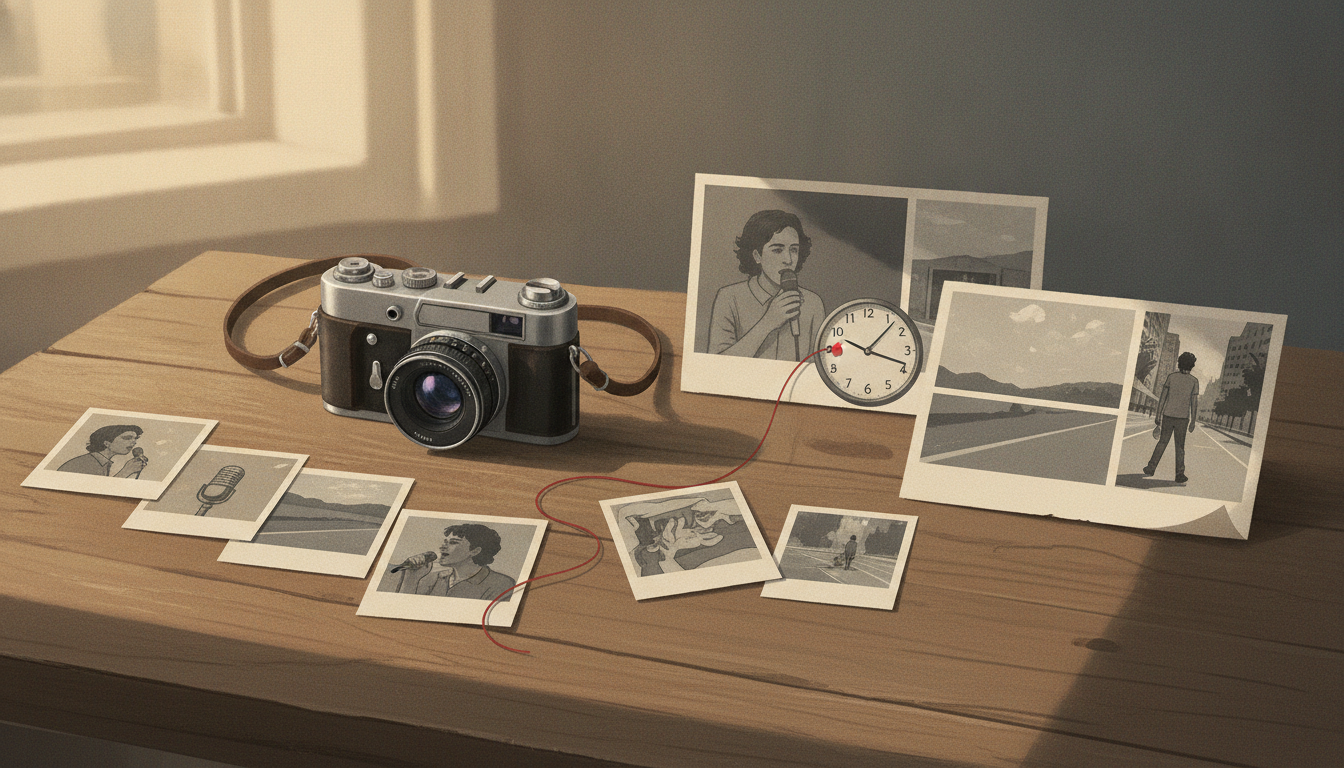
The Voiceover-B-Roll Lag: Syncing Your Narration to What the Eye Sees
If your narration names a part, step, or result before the viewer can actually identify it on screen, your explainer starts fighting itself. This guide shows a practical word-to-frame method for fixing voiceover B-roll sync timing, with a compact timing sheet, a full revision example, pitfalls to avoid, and a repeatable checklist for educational and creator videos.

The Archive Trap: Building a Usable B-Roll Library You Actually Search
A b-roll organization workflow breaks down when footage is sorted only by trip, date, or project. This guide shows how to make clips retrievable by using a controlled vocabulary, tagging at the right moments, and naming footage for what it shows and what editorial role it can serve.

When Your Color Palette Betrays Your Story’s Mood
A video can look polished and still feel emotionally wrong when its colors follow taste, realism, or brand habits instead of the story beat. Here’s a practical framework for color palette video storytelling, with a worked example, viewer-test prompts, and a checklist you can use on your next edit.
One post in your inbox, monthly.
New craft notes, render deep-dives, and the occasional teardown of a video we shipped. No spam, ever. Unsubscribe in one click.