Inca tocapu tunic (uncu)
Dumbarton Oaks Research Library and Collection, Washington DC
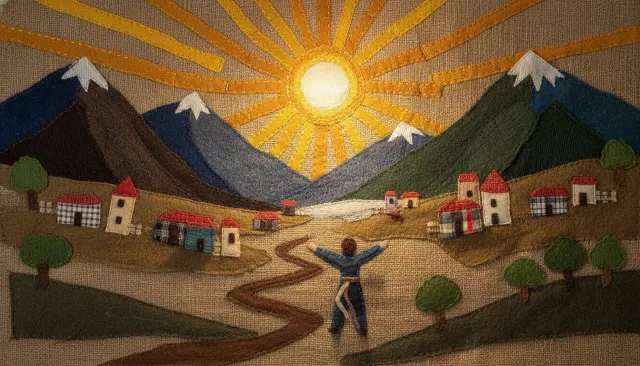
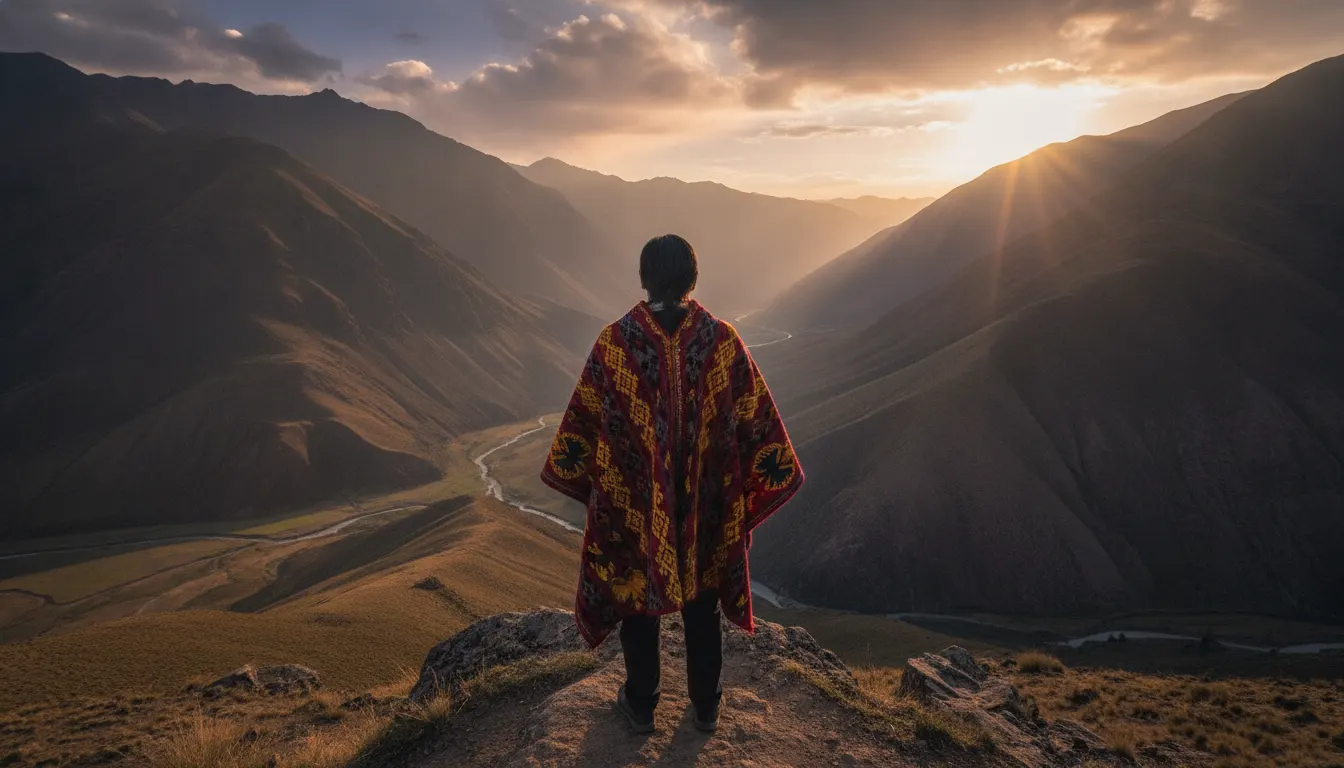
Inspired by Andean weaving traditions of Inca and modern Quechua artisans in Peru. Tightly woven alpaca with stepped diamond, condor, and chakana cross motifs.
The moves a human crew would use to get here. Cue applies them for you, and knowing their names is how you ask for a change.
faced horizontal band structure with stepped diamonds and interlocking fret patterns
faced weave – forms are taller than wide
color contrast: red/green, blue/orange, creating optical vibrancy
In the tradition of Andean weavers spanning more than 5,000 years, culminating in the sophisticated imperial textile system of the Inca Empire (c. 1400-1532 CE) and continuing through colonial and contemporary practice, Andean textiles represent what scholars consider the highest form of pre-Columbian artistic and technological achievement – objects that encoded political authority, religious meaning, and social identity in every thread.
The Inca Empire considered textile production more valuable than gold or silver. The finest cloth, qompi (cumbi), was woven from baby vicuña fiber by acllas – chosen women who lived in dedicated state compounds (acllahuasi) throughout the empire. These garments were worn by the Sapa Inca, presented as diplomatic gifts, and burned as offerings to the sun deity Inti.
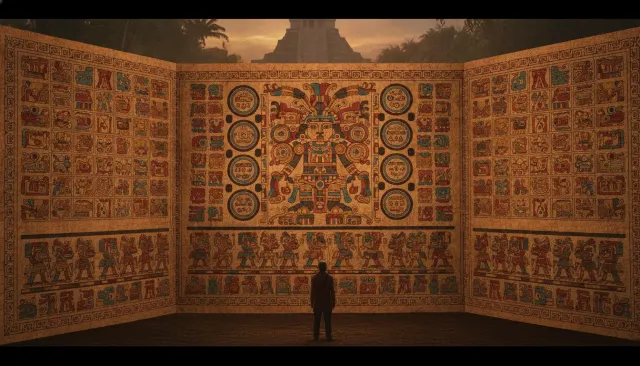
The distinctive geometric unit known as tocapu – small square fields containing individual geometric symbols – appears to have functioned as a logographic or heraldic system, encoding the wearer's lineage, rank, and regional affiliation. Garments covered entirely in tocapu fields were reserved for the Sapa Inca alone.
The tradition did not end with the Spanish conquest. Colonial Andean weavers integrated European heraldic symbols and pictorial narrative into the tocapu vocabulary, creating hybrid tapestry tunics (uncu) that survive in collections worldwide. Today, indigenous communities in Cusco, Chinchero, Pisac, and the Puno altiplano maintain warp-faced backstrap loom weaving using techniques and fiber-preparation methods continuous with pre-Columbian practice.
Andean textiles are built on a warp-faced structure: the design is entirely created by the colored warp threads, making horizontal bands the fundamental compositional unit. Within bands, stepped diamonds, interlocking frets, stylized camelids (llamas, alpacas), condors, and feline (puma) forms recur across all periods and regions.
The palette derives from natural dyes: cochineal (Dactylopius coccus – a scale insect harvested from prickly pear cactus) produces the vivid reds and pinks; indigo and añil yield deep blues; molle bark produces yellow; and overdyeing creates oranges and greens. On undyed alpaca fiber, the natural range from white through fawn, brown, and black provides additional tonal options without dye.
Dumbarton Oaks Research Library and Collection, Washington DC
Metropolitan Museum of Art, New York
Ethnologisches Museum, Berlin
Brooklyn Museum
Cusco region, living tradition documented by Centro de Textiles Tradicionales
1992
*To Weave for the Sun* , textile scholarship catalog
A Look is not a filter. It is a set of stored decisions the pipeline reads before it makes a single frame, so two videos in the same Look actually match.