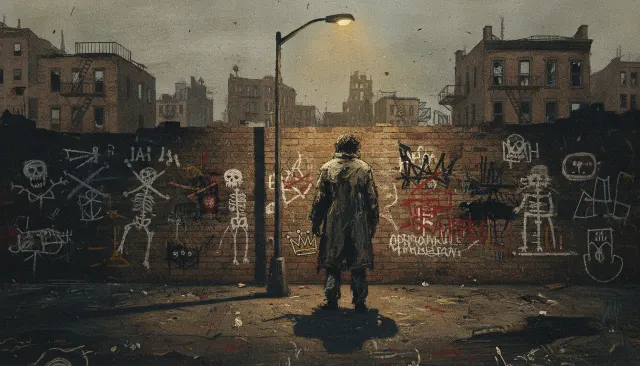
Jose Guadalupe Posada, La Calavera Garbancera / Catrina -- the foundational satirical printmaking image
1910
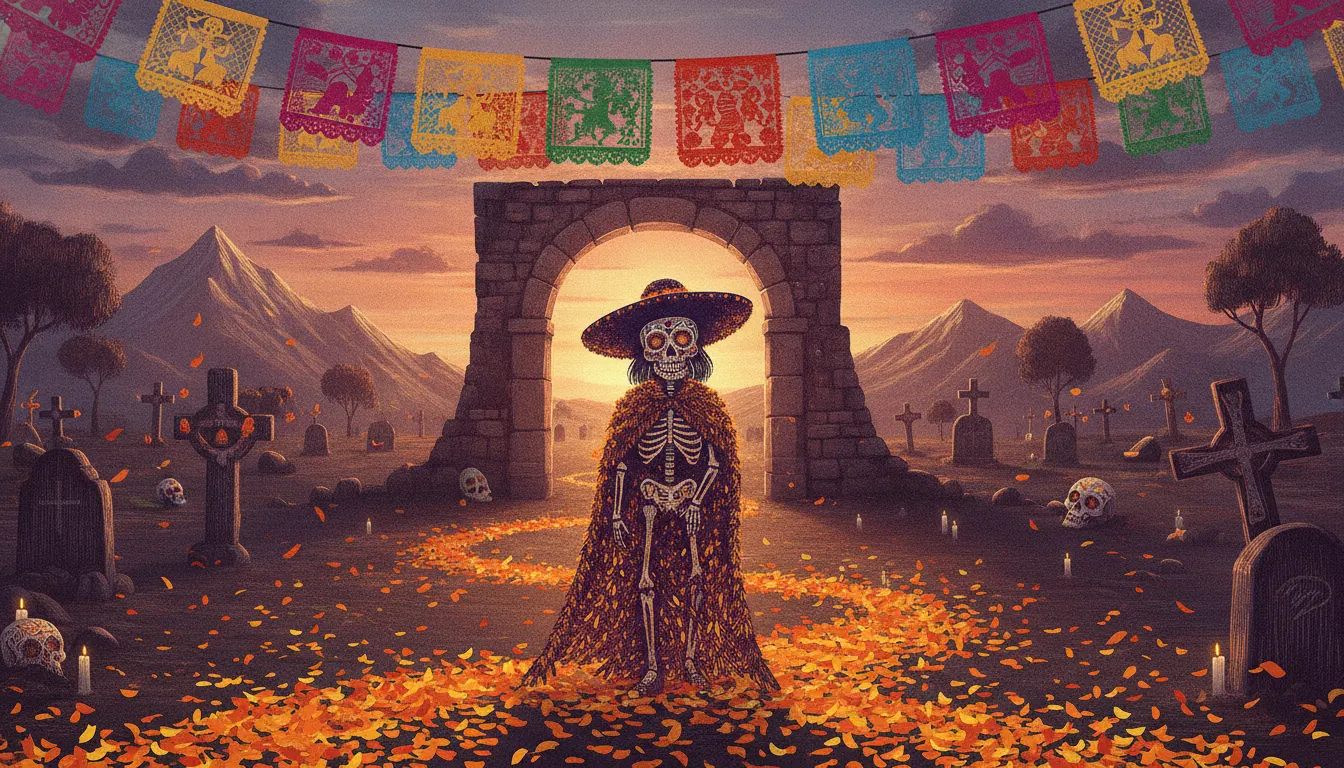
Honoring the Dia de los Muertos tradition of Mexico. Ornately decorated calavera skull with marigold petals, papel picado, and Posada-inspired calaveras.
The moves a human crew would use to get here. Cue applies them for you, and knowing their names is how you ask for a change.
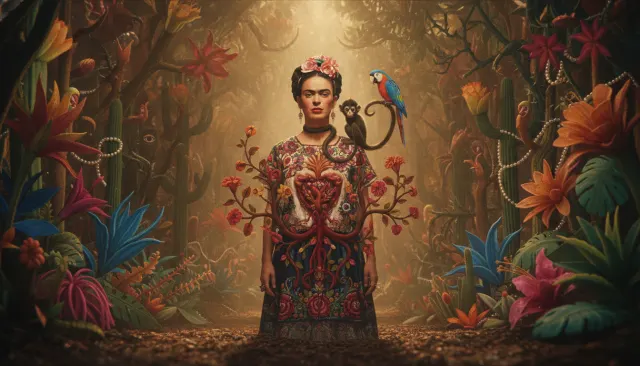
skull face painting: symmetrical floral patterns, heart motifs, and cobweb decorations across cheekbones and forehead
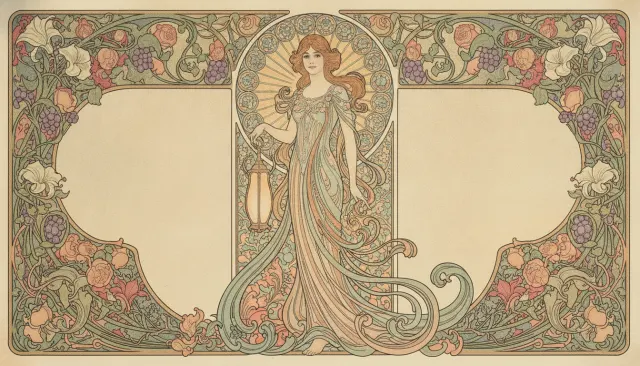
inspired perforated geometric border patterns in tissue-paper colors
lettered or brush-script typography in the tradition of Posada's broadsheet calavera poems
layered depth with candles, marigolds, photographs, and sugar decorations
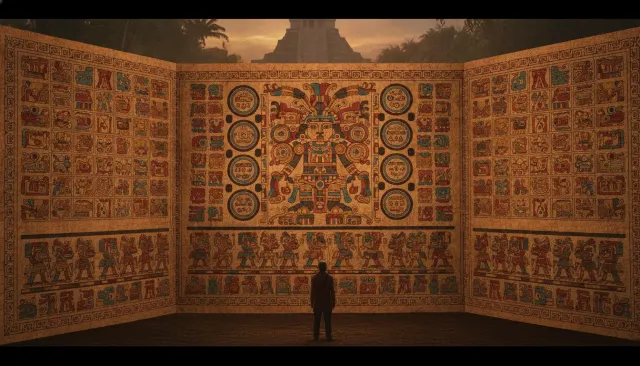
Columbian codex-style symmetry and flat decorative illustration referencing Aztec visual grammar
Dia de los Muertos (November 1-2) is a Mexican tradition with roots in Aztec ancestor veneration -- specifically the month-long festivals honoring the dead overseen by the goddess Mictecacihuatl -- blended with the Catholic feasts of All Saints Day and All Souls Day following Spanish colonization in the 16th century. It is a celebration of life and memory rather than mourning, and its visual language is among the most recognizable folk-art idioms in the world.
The sugar skull (calavera de azucar) is made from pressed sugar, royal icing, and foil to honor deceased loved ones placed on ofrendas (altars). The graphic calavera as popular-art icon was crystallized by Jose Guadalupe Posada (1852-1913), the Mexico City printmaker whose 1910 zinc-etching La Calavera Garbancera (later nicknamed Catrina by Diego Rivera) depicted a skeletal female aristocrat -- a satirical comment on Mexican elites who aped European fashion. Rivera's 1947 mural Dream of a Sunday Afternoon in Alameda Park placed Catrina among historical figures and cemented her as a national symbol.
The palette is deliberately celebratory: marigold (cempasuchil) orange and gold -- the flower's scent is said to guide souls -- plus hot pink, cobalt blue, violet, crimson, and jade green. Black is used for contour and decoration, not for mourning. Motifs include symmetrical floral patterns painted across skull cheekbones, hearts, spiderwebs, and crosses. Papel picado (perforated tissue-paper banners) contribute graphic negative-space geometry. Patterns are symmetrical and dense, borrowing from both pre-Columbian codex imagery and Spanish colonial decorative arts.
Pixar's Coco (2017) brought global mainstream attention to the visual world of Dia de los Muertos, using the marigold bridge, ofrenda altars, and skeleton character design with genuine cultural consultancy from Mexican advisors. Mexican printmaking studios, particularly in Oaxaca and Michoacan, maintain hand-produced calavera posters as living tradition. For videographers, this look signals joy, cultural pride, family memory, and a non-Gothic relationship with mortality.
1910
1947
2017
A Look is not a filter. It is a set of stored decisions the pipeline reads before it makes a single frame, so two videos in the same Look actually match.