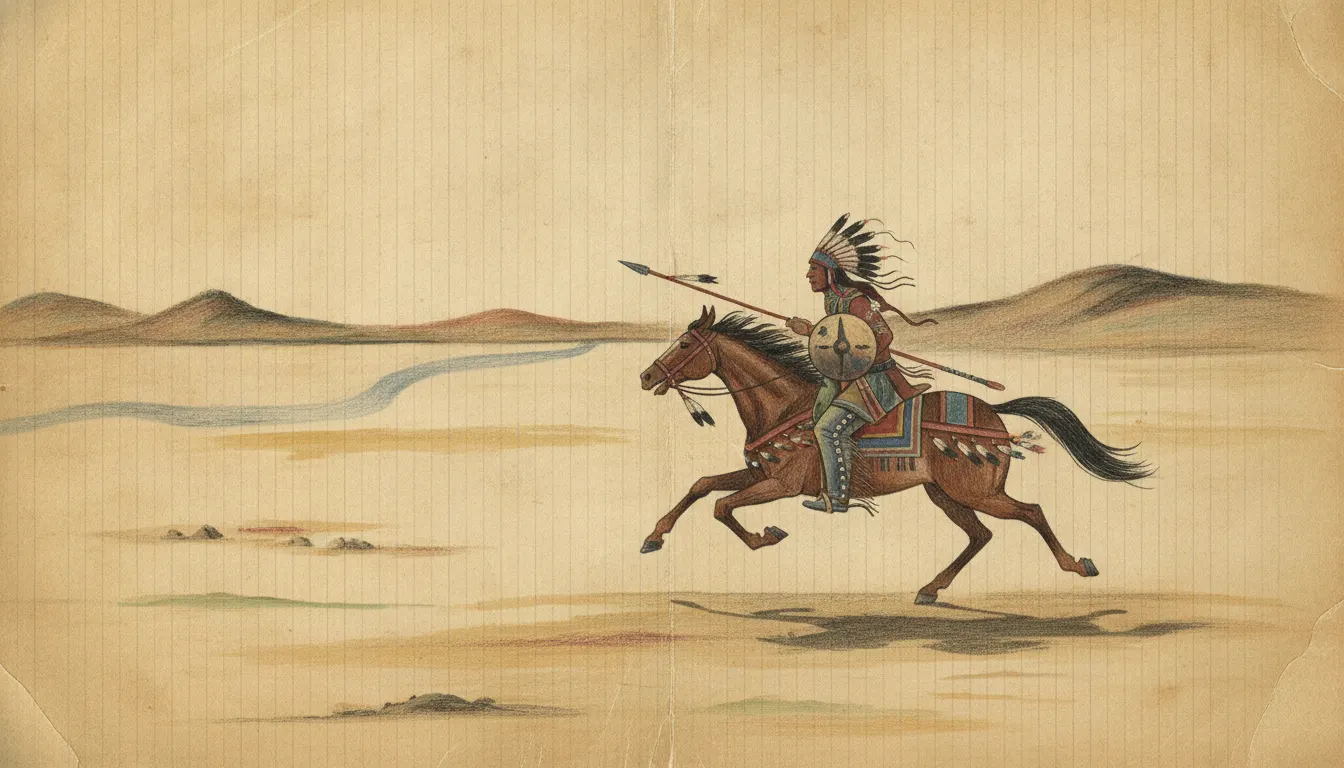
Howling Wolf
*Courting Scene* and warrior drawings (1875–78), Fort Marion, Fenimore Art Museum, Cooperstown
Inspired by 19th-century Plains ledger-art tradition, where Cheyenne, Lakota, and Kiowa artists drew on traders ledger paper. Flat profile figures, narrative horse-and-warrior scenes.
The moves a human crew would use to get here. Cue applies them for you, and knowing their names is how you ask for a change.
quarter warrior and horse figures rendered in pencil outline with flat color fills
tone base palette (red ochre, yellow, black) extended with commercial pencil and watercolor blues and greens
figures float on the page without ground line or atmospheric perspective
cultural hybrid mark-making: traditional Plains conventions executed in Euro-American drawing media
Ledger art is one of the most historically specific and visually arresting forms of American folk art: drawings made by Plains Indian men on the ruled and printed pages of US Army accounting ledgers – and later on any available paper – during the period of the Indian Wars and early reservation confinement, roughly 1860–1900.
Before ledger books became available, Plains men recorded battles, counting-coup honors (striking an armed enemy without killing him), horse raids, and ceremonial events on buffalo hide robes and tipi liners. When bison hide became scarce as the great herds collapsed under commercial hunting pressure, men began using the ledger books that circulated on Army posts and through trading posts and government agencies. The lined and columned pages – filled with Army procurement records – became grounds for a new kind of picture-making.
At Fort Marion, Florida (1875–1878), 72 Southern Plains warriors – Kiowa, Comanche, Cheyenne, Caddo, and Arapaho men – were imprisoned after the Red River War. Among them were artists who produced hundreds of drawings, many sold or given to tourist visitors. The Fort Marion artists are now recognized as foundational ledger art practitioners. Key artists include Howling Wolf (Southern Cheyenne, c. 1849–1927), Making Medicine (Southern Cheyenne, c. 1844–1931), Zotom (Kiowa, 1853–1913), and Wo-Haw (Kiowa, c. 1855–1924). From the northern Plains, Black Hawk (Sans Arc Lakota, active 1880s–1890s) produced visionary drawings at Pine Ridge Reservation depicting the spirit world.
Ledger art operates in a hybrid register: it continues Plains pictorial conventions – profile or three-quarter figures, horses with exaggerated musculature and flying manes, feather counts indicating honor, and the symbolic rather than perspectival rendering of space – while incorporating Euro-American tools (pencil, colored pencil, pen and ink, watercolor) and the printed page as a formal element. The ruled lines and column headers of the ledger become part of the composition, sometimes actively incorporated, sometimes ignored.
Figures are outlined in pencil or ink, then filled with flat color in a palette that extends the earth tones of hide painting (red ochre, yellow, black) into the commercial pigments of wax crayons and watercolor (bright blue, green, pink). Horses in motion, warrior dress counted in detail (feathered headdresses, painted shields, beaded moccasins), and ceremonial scenes are the dominant subjects.
*Courting Scene* and warrior drawings (1875–78), Fort Marion, Fenimore Art Museum, Cooperstown
*Warrior on Horseback* series (1875–78), Smithsonian National Museum of the American Indian
*Fort Marion sketchbook* (1875–78), Yale Beinecke Library collection
*Between Two Worlds* (c. 1877), Missouri History Museum – visionary figure between Indian and settler worlds
*Dream or Vision of Himself Changed to a Destroyer* (c. 1880), Newark Museum of Art
1996
*Plains Indian Drawings 1865–1935* , foundational scholarly catalog
A Look is not a filter. It is a set of stored decisions the pipeline reads before it makes a single frame, so two videos in the same Look actually match.
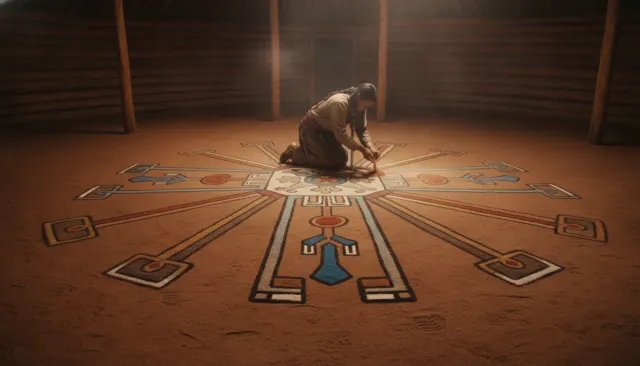 North American FolkNavajo Sand Painting Ritual (Dine)
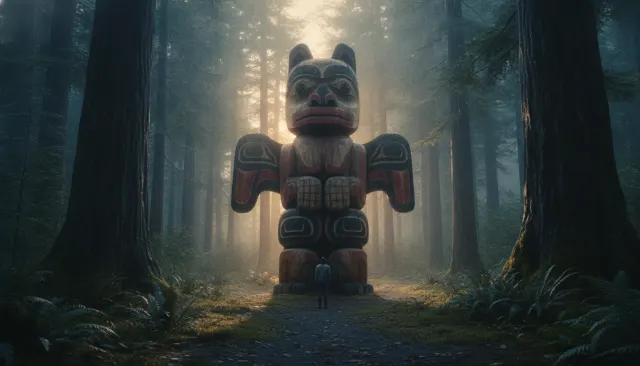 Indigenous AmericasPacific Northwest Formline Totem
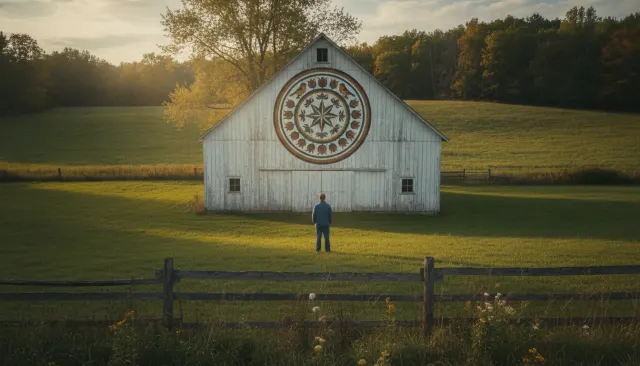 North American FolkPennsylvania Dutch Hex Sign Barn
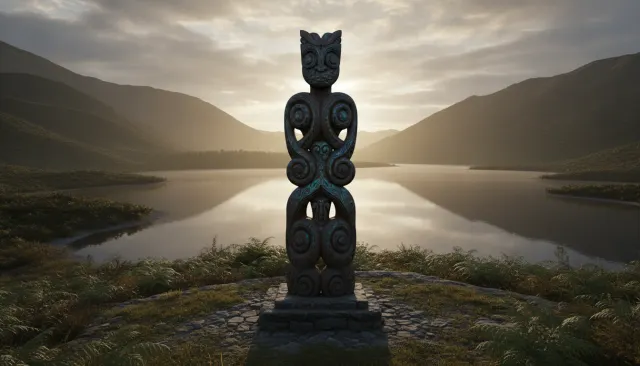 Indigenous Australia OceaniaMaori Carving and Ta Moko (New Zealand)
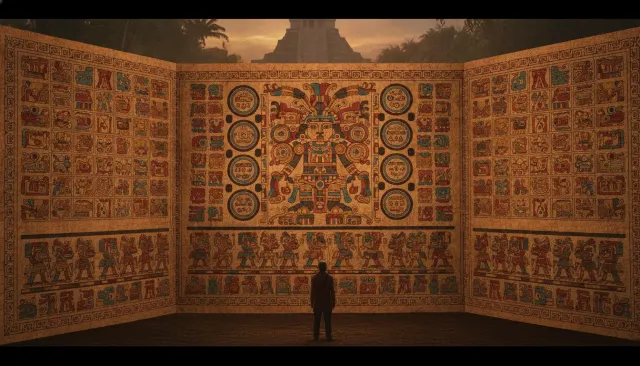 Historical Illuminated ExtendedAztec Mesoamerican Codex Symbol
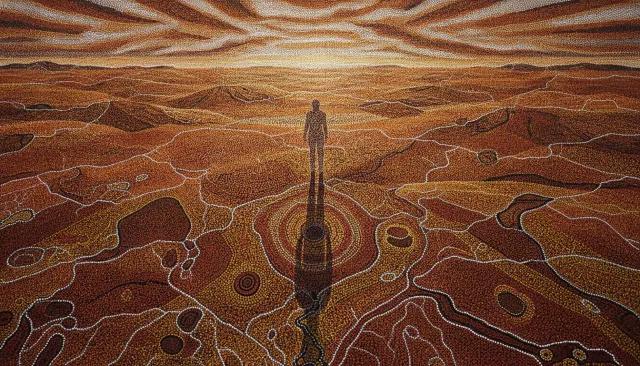 Indigenous Australia OceaniaAboriginal Dot Painting (Australia)