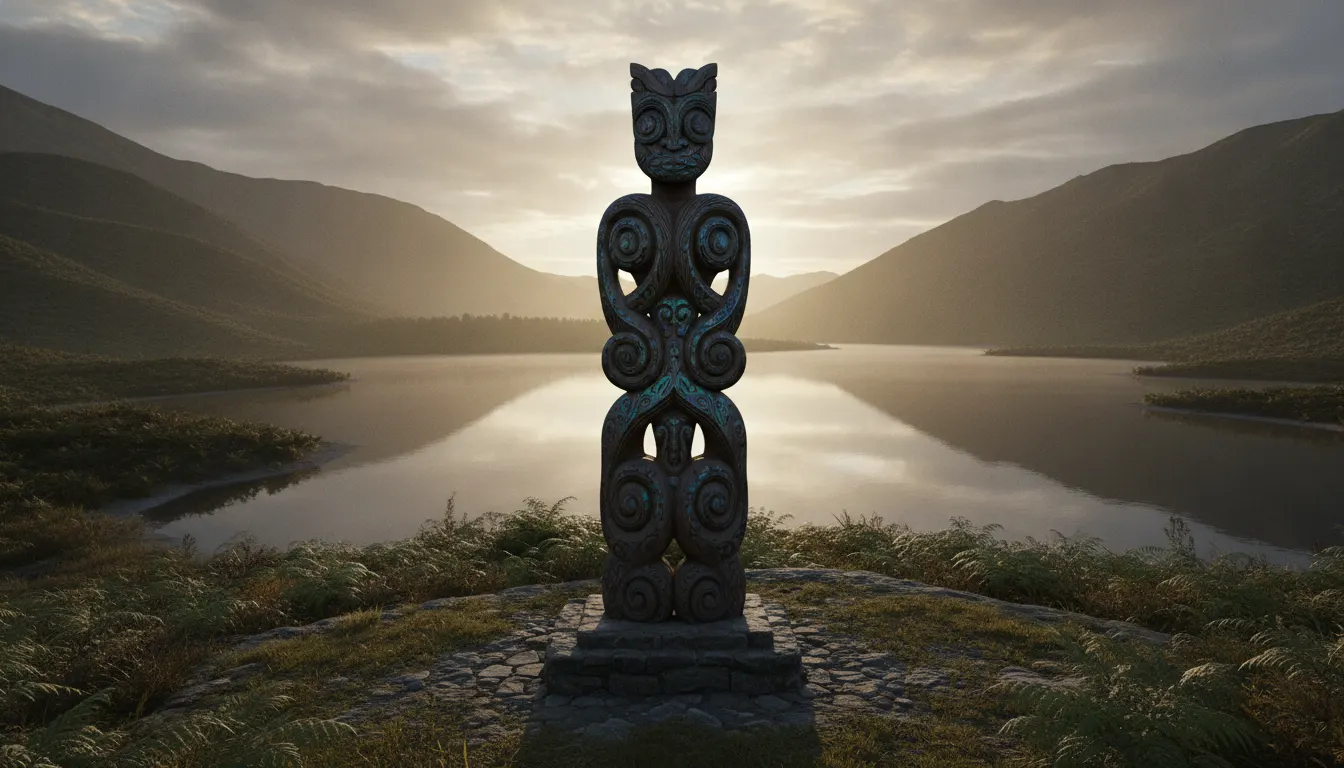
Te Hau ki Turanga wharenui
1842
oldest intact meeting house, Te Papa Tongarewa, Wellington
In the tradition of Maori whakairo carving and ta moko tattooing from Aotearoa New Zealand. Bold spiral koru and interlocking curves carved in dark timber and bone.
The moves a human crew would use to get here. Cue applies them for you, and knowing their names is how you ask for a change.
spiral unfurling fern frond as primary compositional motif
human-fish profile figure rendered in high-contrast black silhouette
color palette (matching kowhaiwhai rafter painting)
pure positive-negative contrast
over surface coverage in architectural contexts; isolated focal motifs on portable objects
relief depth effect suggesting bone or greenstone carving surface
The art forms of the Maori people of Aotearoa New Zealand comprise one of the most distinctive visual vocabularies in Oceania: a system of curved, spiraling forms (whakairo) applied to wood, bone, greenstone, and human skin that encodes genealogy, spiritual authority, and tribal identity within every mark.
Whakairo (Maori carving, literally 'to make designs') ranges from architectural-scale meeting-house (wharenui) construction to intimate hei tiki pendants. The master carver (tohunga whakairo) holds sacred knowledge; the carvings themselves are tapu (sacred/restricted) and activate ancestral presence. Key formal elements include the koru – an unfurling fern frond spiral symbolizing new life, continuity, and rebirth – the manaia (a bird-human-fish hybrid profile figure serving as spiritual guardian), and the tiki (human ancestor figure with tilted head). Wharenui interiors are dense with poupou (upright ancestor posts), maihi (gable bargeboards) incised with flowing pakura and rauponga patterns, and painted kowhaiwhai rafter designs in black, red ochre, and white.
The tradition of Toi whakairo – master carving heritage – includes seminal modern practitioners such as Pine Taiapa (1901–1972), who led the revival of monumental wharenui construction, and Clive Arlidge (b. 1945), who developed contemporary interpretations. The Te Hau ki Turanga meeting house (1842, Te Papa Tongarewa, Wellington) is the oldest intact wharenui in New Zealand.
Ta moko is the practice of cutting genealogical patterns into the face and body using bone chisels (uhi) rather than puncturing the skin with needles – the incised grooves hold pigment in high relief. Male facial moko covered the entire face in spiraling lines that encoded tribal affiliation, genealogical rank, personal achievements, and marriage history. Female moko typically concentrated on chin (kauwae) and lips. The patterns are not generic; each moko is a unique text readable only by those with deep knowledge of the wearer's lineage.
Ta moko was suppressed during colonization but has undergone significant revival since the 1980s. Contemporary practitioners including Te Rangitu Netana and Rangi Kipa have advanced both traditional and contemporary interpretations, and the kirituhi (skin writing, non-genealogical Maori-inspired tattoo) tradition serves as a respectful adjacent practice for non-Maori.
The visual grammar centers on flowing double-spiral koru forms, interlocking pakura scrolls, and bold manaia silhouettes rendered in black on white or natural material tones. The look is strong as a title-card graphic, overlay texture on landscape footage of New Zealand, or as identity design for Maori-led organizations.
1842
oldest intact meeting house, Te Papa Tongarewa, Wellington
1935
*Te Whai-a-te-Motu* wharenui , Tuatini Marae, Gisborne
multiple examples, Auckland War Memorial Museum
permanent collection of whakairo, ta moko, and kowhaiwhai
contemporary ta moko revival works and ta moko-influenced art installations
*Te Ao Hou* (The New World) Maori gallery, carved wharenui interior
A Look is not a filter. It is a set of stored decisions the pipeline reads before it makes a single frame, so two videos in the same Look actually match.
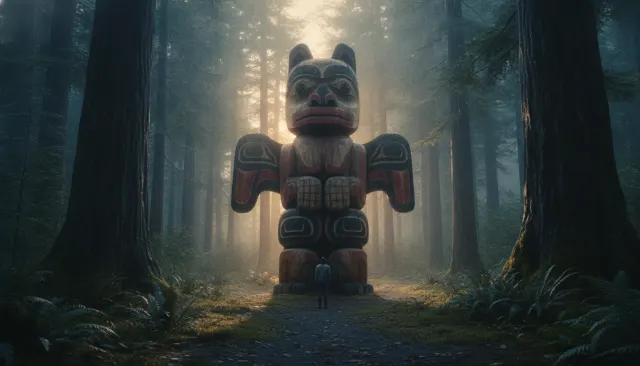 Indigenous AmericasPacific Northwest Formline Totem
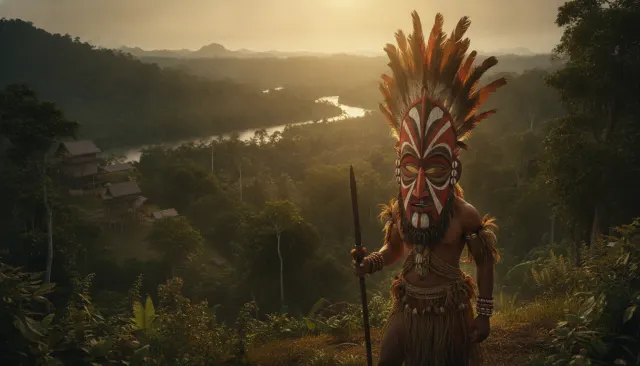 Indigenous Australia OceaniaPapua New Guinea Tribal Mask
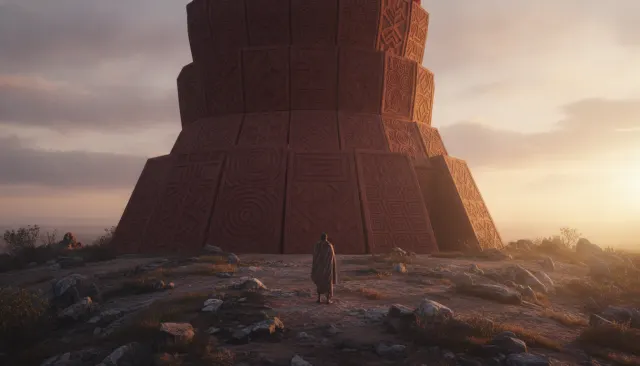 African ExtendedMalagasy Zafimaniry Carving (Madagascar)
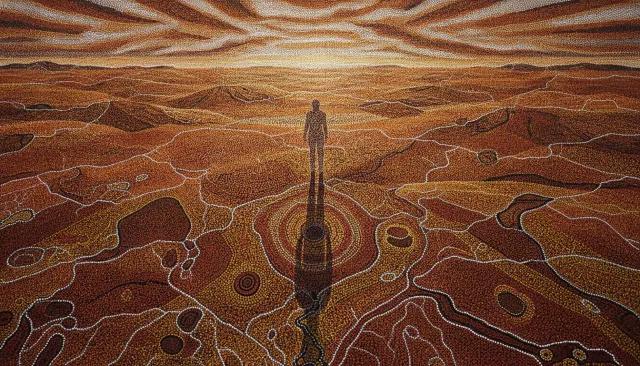 Indigenous Australia OceaniaAboriginal Dot Painting (Australia)
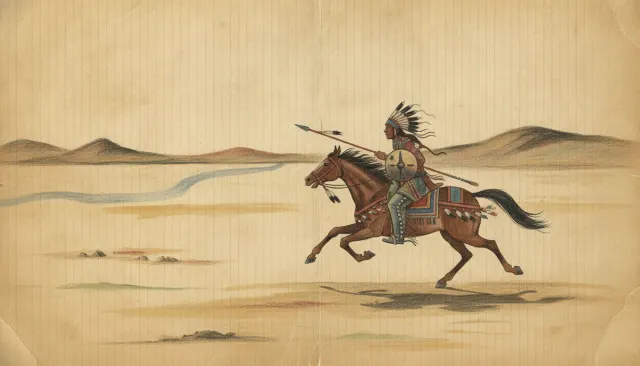 Indigenous AmericasPlains Native American Ledger Art
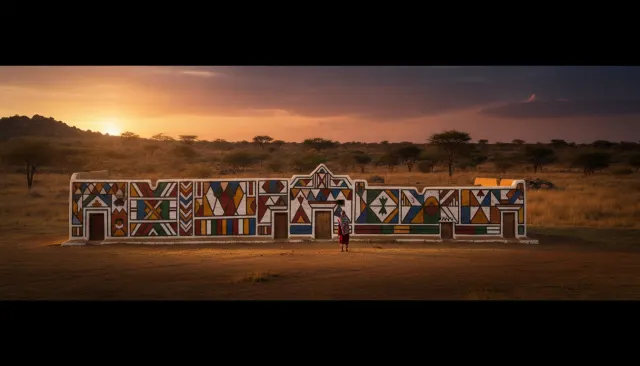 African ExtendedNdebele Mural Houses Extended (South Africa)