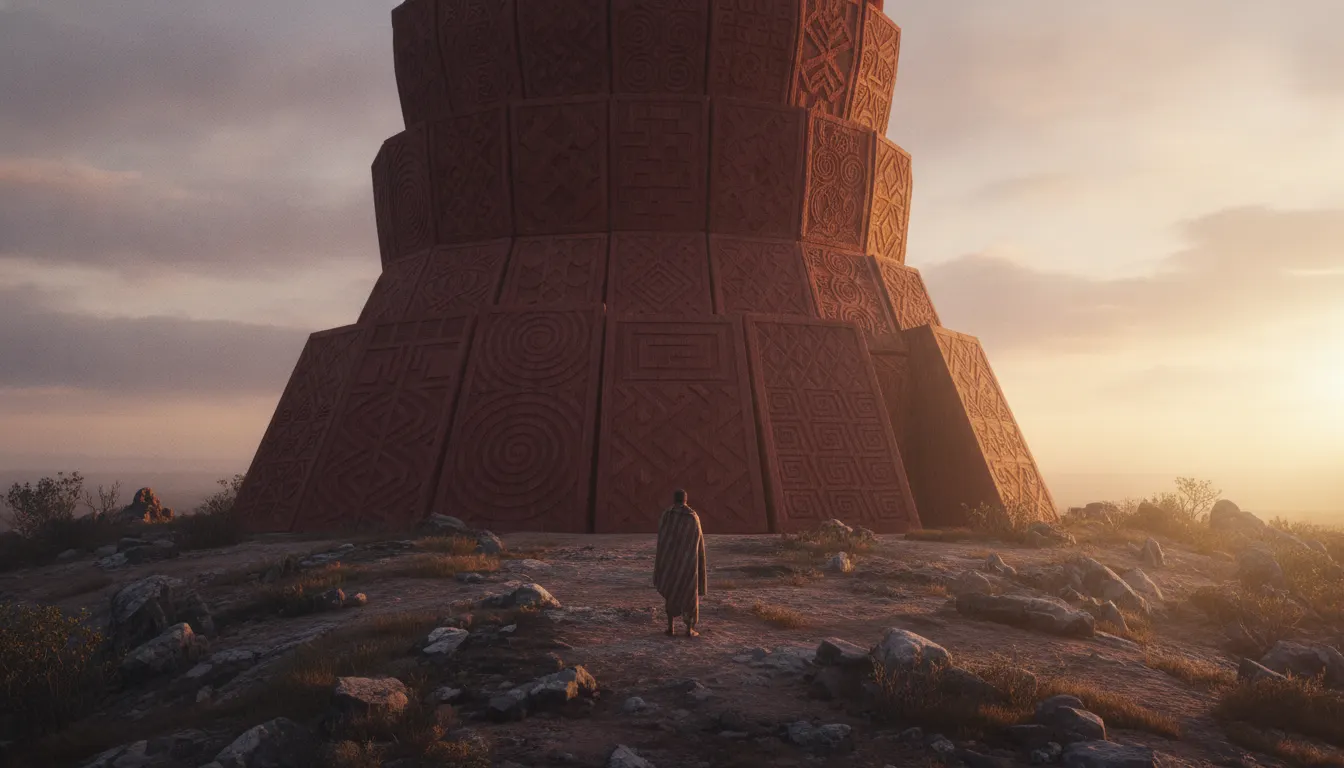
Zafimaniry ancestral houses (*trano masina*)
Ambositra region, Madagascar, UNESCO-listed living tradition
Inspired by the Zafimaniry wood-carving tradition of highland Madagascar, recognized by UNESCO. Hand-incised geometric panels on dark rosewood, no two patterns alike, ancestral memory in line.
The moves a human crew would use to get here. Cue applies them for you, and knowing their names is how you ask for a change.
over geometric lattice covering every available surface: window, door, post, and gable
web concentric polygon medallions radiating from a single center point
figurative, entirely abstract vocabulary – no animals, people, or natural forms
finer carving on ceremonially significant elements, coarser on utilitarian surfaces
The Zafimaniry are a Malagasy ethnic group of approximately 25,000 people living in the high-altitude rainforest east of Ambositra in Madagascar's Amoron'i Mania region. Their woodcarving tradition – inscribed on UNESCO's Representative List of Intangible Cultural Heritage of Humanity in 2008 – is unique in covering virtually every surface of the built and domestic environment with dense geometric decoration.
For the Zafimaniry, carving is inseparable from the life cycle of a house. A newly married couple begins with a simple structure of uncarved wood; over the decades, as the household prospers and the couple grows in social standing, skilled carvers are commissioned to decorate window shutters (varavarana), door frames, interior posts (andry), and the gabled front panel (tafon-trano). By the time of the couple's death, an elaborately carved house has become a monument to their union – ancestral houses (trano masina, 'sacred houses') are never demolished and are maintained by descendants for generations.
The decorative vocabulary is built entirely from geometric abstraction on a grid: 'spider-web' lattice (concentric polygons radiating from a central point), honeycomb hexagonal tiling, interlocking check and lozenge patterns, chevron borders, and stepped-diamond medallions. No figurative imagery appears; the tradition is entirely non-representational. The wood used is hardwood from the local forest – ramy, merana, and palisander (rosewood family) – and the carvings are executed entirely with hand tools: adze, chisel, and the hazo (curved carving knife).
The natural wood color spectrum – pale cream sapwood, honey tan, reddish-brown heartwood, and near-black aged palisander – provides the entire palette. The interplay of carved relief casting shadows against the smooth background plane creates a constantly shifting chiaroscuro as light angles change through the day.
Zafimaniry carving motifs translate into graphic design as intricate geometric lattice patterns suggesting craftsmanship, permanence, and cultural depth. For video, carved-wood texture overlays bring warmth and handcraft authenticity to otherwise digital compositions. The UNESCO inscription has raised international awareness and generated tourism, craft export, and design licensing interest.
What makes the Zafimaniry tradition singular among wood-carving cultures is its temporal dimension: a house accumulates its decoration over a lifetime, and the density of carving is a legible biography of the family who inhabits it. Visitors reading the carved surfaces of a trano masina can infer the age of the household, its prosperity, and the specific carver-families engaged at different periods – each workshop maintains slightly distinct geometric dialects. This relationship between biography, social standing, and material decoration has no direct parallel in Western architectural ornamentation, where decoration is typically applied at construction rather than accumulated over decades.
Ambositra region, Madagascar, UNESCO-listed living tradition
collection of Zafimaniry carved panels and architectural elements
'Woodcraftsmanship of the Zafimaniry', Representative List of Intangible Cultural Heritage
active center of Zafimaniry carving production and sale since the 1970s
curated Zafimaniry pieces including portable decorative panels
A Look is not a filter. It is a set of stored decisions the pipeline reads before it makes a single frame, so two videos in the same Look actually match.
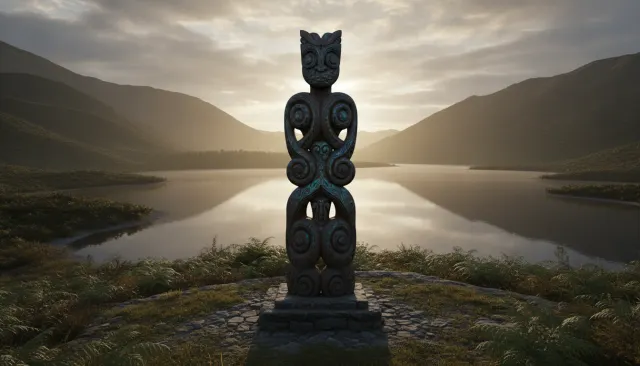 Indigenous Australia OceaniaMaori Carving and Ta Moko (New Zealand)
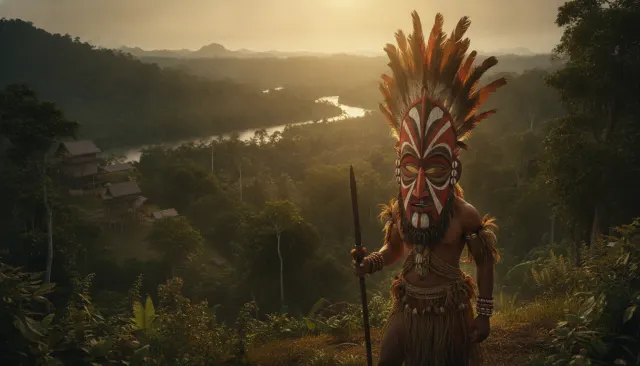 Indigenous Australia OceaniaPapua New Guinea Tribal Mask
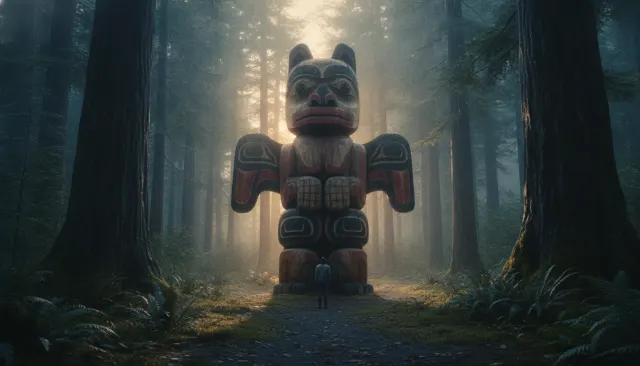 Indigenous AmericasPacific Northwest Formline Totem
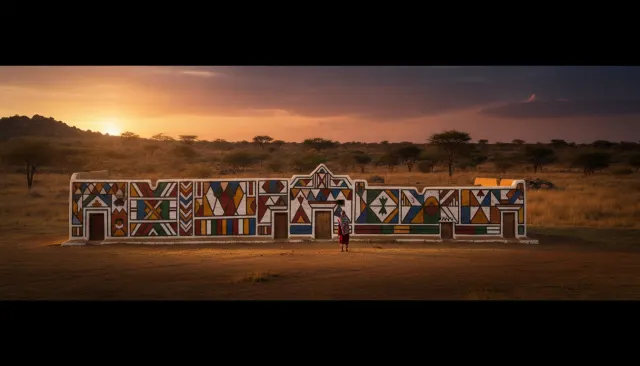 African ExtendedNdebele Mural Houses Extended (South Africa)
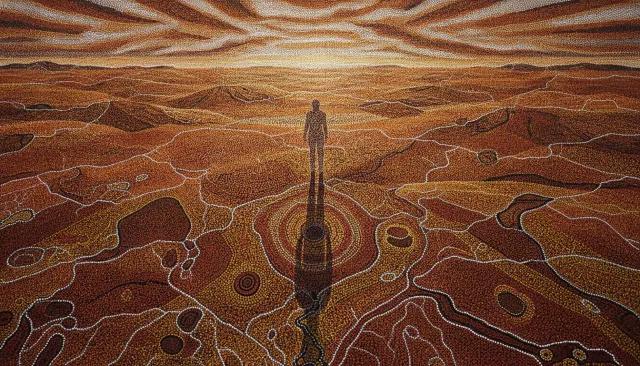 Indigenous Australia OceaniaAboriginal Dot Painting (Australia)
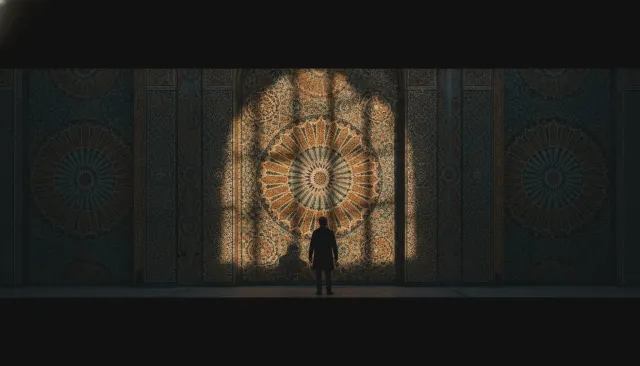 Middle Eastern North AfricanMoroccan Zellige Tile