Esther Mahlangu
1991
BMW Art Car No. 12 , BMW Museum, Munich – Ndebele mural on BMW 525i
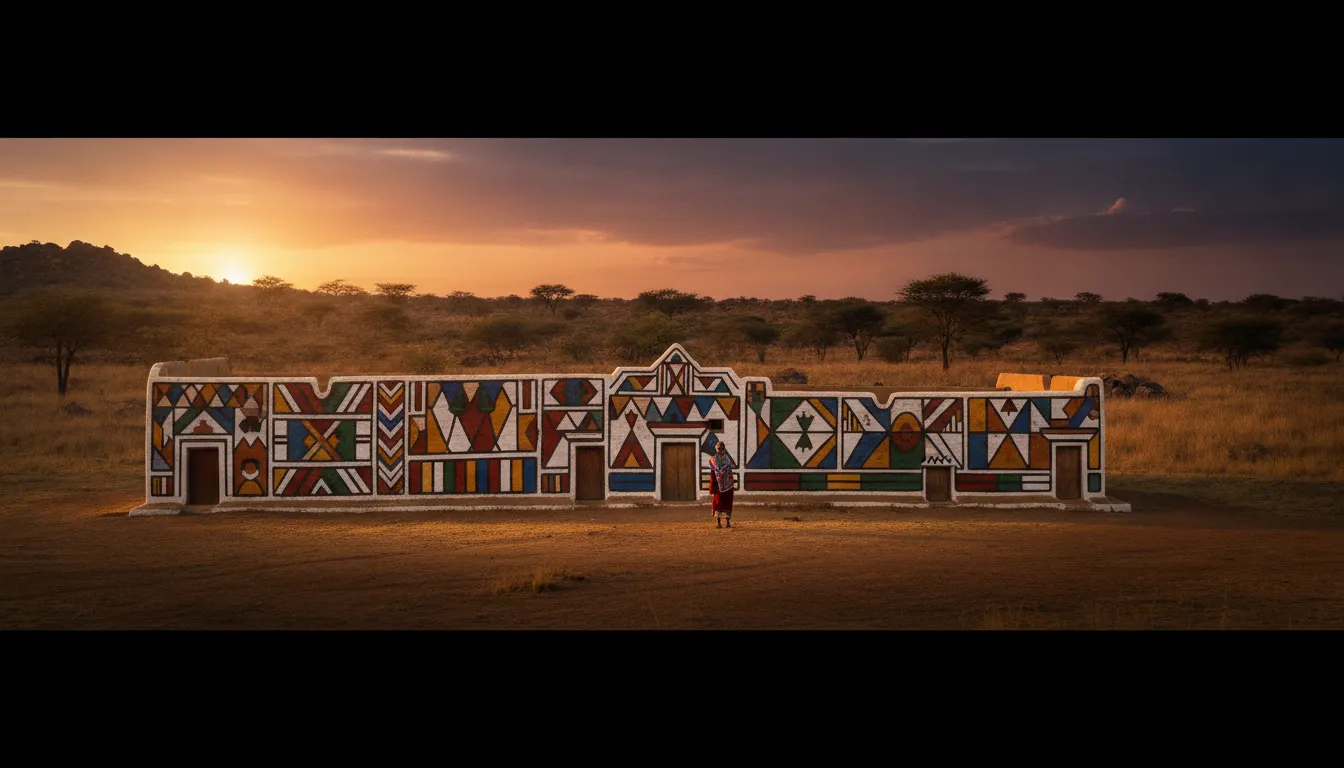
A wide-frame architectural take on the Ndebele painted-house tradition. Whole homestead facades of geometric mural blocks, gateways, and chevron rooflines under open veld sky.
The moves a human crew would use to get here. Cue applies them for you, and knowing their names is how you ask for a change.
the defining structural element
electric blue, vermilion red, grass green, bright yellow, black, and white
head chevrons, and diagonal stripe bands as core motifs
edge color blocking with no gradients or shading within any zone
facade murals to portable objects (beadwork, ceramics) using identical grammar
The Ndebele mural painting tradition of the Southern Ndebele people of South Africa's Mpumalanga and Limpopo provinces represents one of the most recognizable visual vocabularies in African art: bold, symmetrical geometric forms painted in vivid colors on the outer walls, courtyards, and interiors of homesteads (ikhaya).
Ndebele mural painting (ilanga or izindlu wall art) is practiced by women and passed from mother to daughter through direct observation and apprenticeship. The tradition intensified as a form of cultural resistance and identity assertion following the Mapoch War (1882–1883) and subsequent Ndebele land dispossession. Keeping distinctive visual culture alive during decades of social fragmentation became a conscious act of political identity.
Traditional pigments were made from clay, animal dung, ash, and crushed plant materials – ochre, white, and black. Following the introduction of commercial paints in the mid-20th century, the palette exploded into the vivid primary and secondary colors now synonymous with the tradition: electric blue, vermilion red, grass green, bright yellow, and black, all outlined boldly in black or white. Repainting – ideally annually or for significant ceremonies – is a social event as well as a practical maintenance task.
The international recognition of Ndebele mural art is inseparable from Esther Mahlangu (born 1935, Middelburg, Mpumalanga). Mahlangu learned mural painting from her mother and grandmother and came to international attention in 1989 when she was invited to Paris to demonstrate the tradition. In 1991 she painted a BMW Art Car – the 15th in the legendary series after Warhol, Calder, and Lichtenstein – bringing Ndebele geometric design to a global audience of automotive and art collectors. She has since exhibited at museums worldwide, created a mural for Rolls-Royce, and received South Africa's Order of Ikhamanga in Gold. Mahlangu's work has inspired fashion collaborations with British Airways (tail livery), Belvedere Vodka, and multiple South African design brands.
Ndebele compositions are built on strict bilateral symmetry about a central vertical axis, with the facade divided into horizontal and vertical zones by black border lines. Within each zone, geometric motifs multiply: stepped triangles, nested rectangles, arrow-head chevrons, diagonal striped bands, and bold color-blocked rectangles. The black outline is non-negotiable – it creates the crisp cell-boundary that makes the colors read from a distance. The overall effect is simultaneously abstract and orderly, suggesting both quilting and stained glass.
1991
BMW Art Car No. 12 , BMW Museum, Munich – Ndebele mural on BMW 525i
1997
British Airways tail fin livery – 'Ndebele' design in the World Images fleet
living tradition, open-air museum context
documented heritage homesteads with intact murals
retrospective exhibitions of Esther Mahlangu and Ndebele art
Ndebele beadwork and mural documentation
A Look is not a filter. It is a set of stored decisions the pipeline reads before it makes a single frame, so two videos in the same Look actually match.
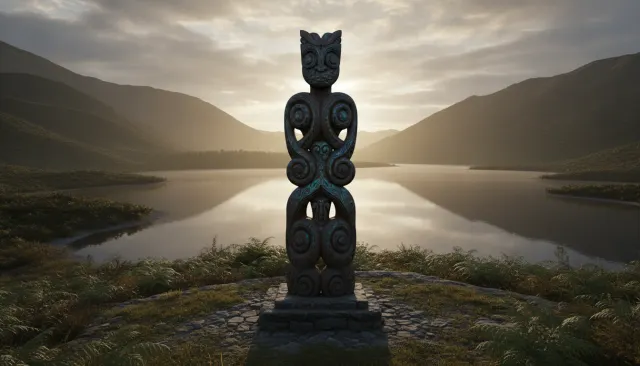 Indigenous Australia OceaniaMaori Carving and Ta Moko (New Zealand)
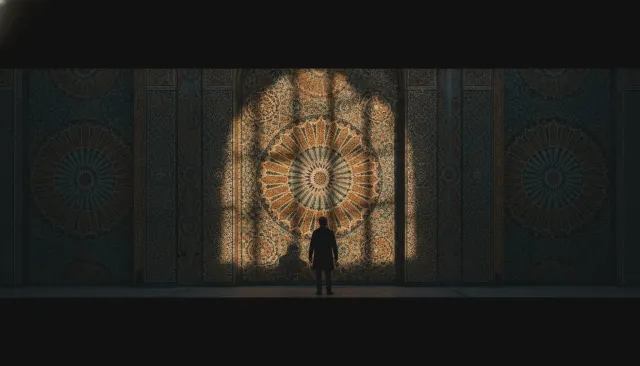 Middle Eastern North AfricanMoroccan Zellige Tile
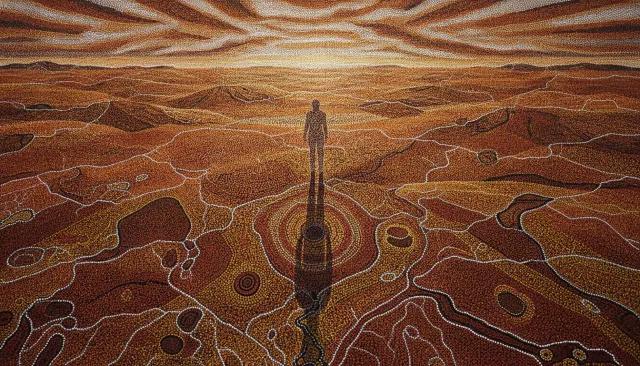 Indigenous Australia OceaniaAboriginal Dot Painting (Australia)
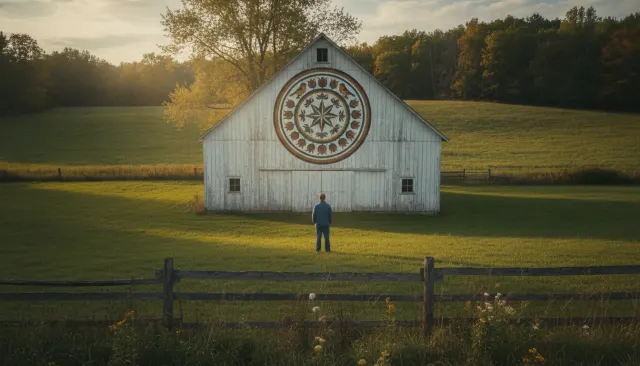 North American FolkPennsylvania Dutch Hex Sign Barn
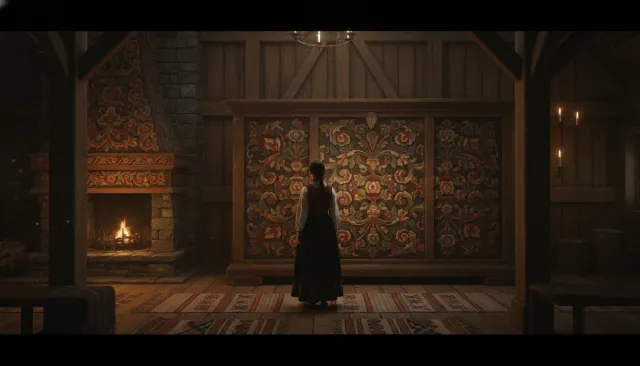 European FolkNorwegian Rosemaling Painted Flowers
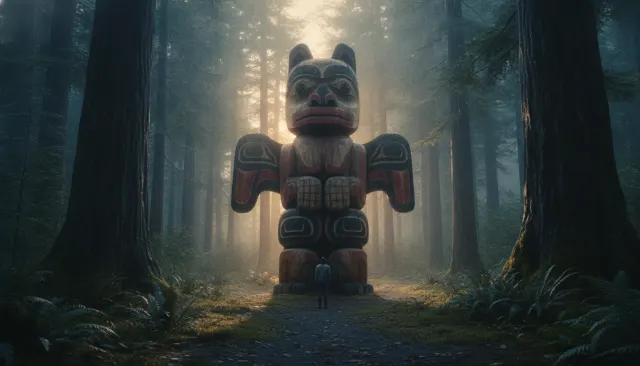 Indigenous AmericasPacific Northwest Formline Totem