LO FI BEDROOM · CONTEMPORARY · INTERNATIONAL
Lofi Bedroom
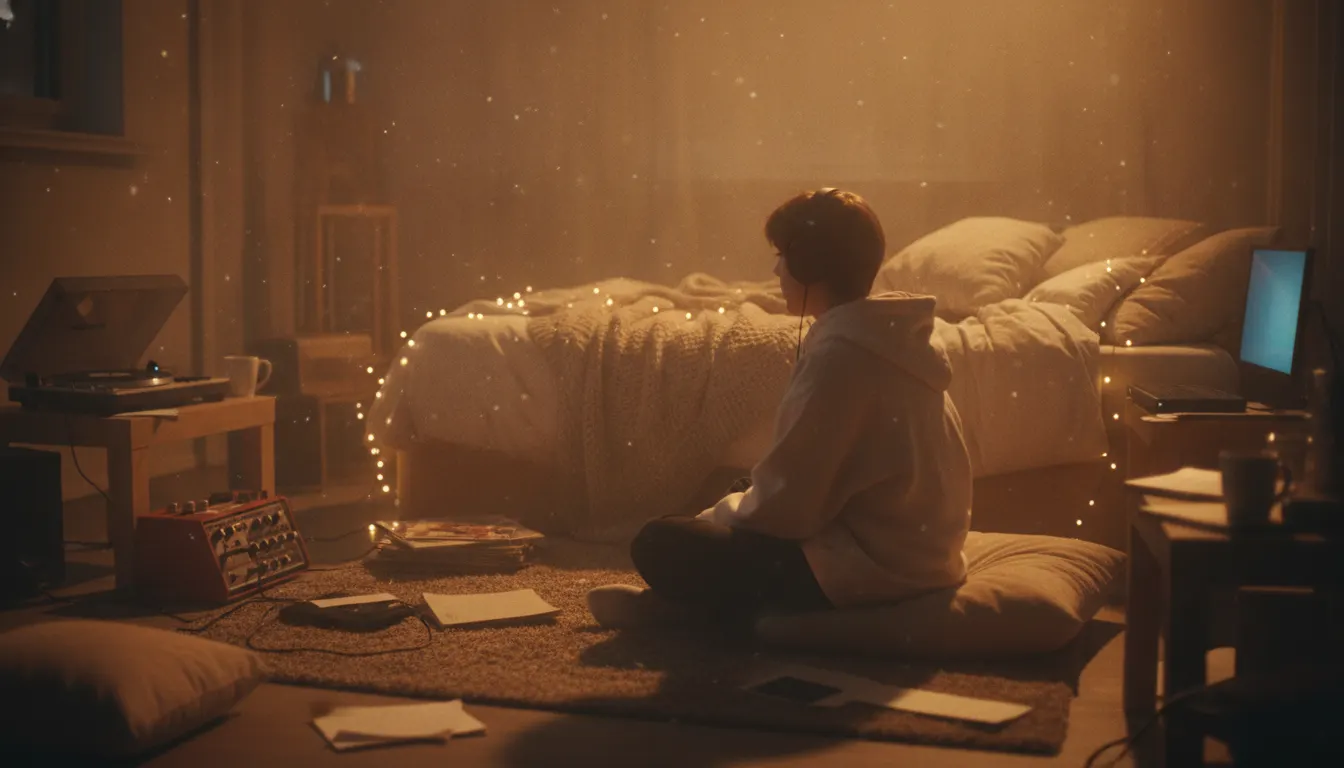
Warm tungsten bedroom, soft focus, dust particles in air. Cozy intimate creator-cam.
cozywarmintimatesoft
LUT tungsten-cozy
WHEN TO USE
- Youth market content (Gen Z and young Millennial) for music, fashion, and lifestyle
- Brand content requiring authentic, unpolished, anti-corporate visual register
- Personal brand photography for artists, musicians, and creatives
- Content referencing bedroom pop, indie music, or youth culture
- Product photography for DIY, craft, or independent/small-batch brands
WHEN NOT TO USE
- Luxury or premium brand contexts where the imperfection undercuts the value message
- Corporate, professional, or authority-requiring portrait photography
- Technical or precision product photography
- Outdoor or nature photography where the domestic interior register is absent
SIGNATURE TECHNIQUES
How the look is made.
The moves a human crew would use to get here. Cue applies them for you, and knowing their names is how you ask for a change.
- 01Single available light source
table lamp, window, or phone screen
- 02Strong grain or noise accepted and embraced
not corrected in post
- 03Environmental clutter included
unmade beds, books, clothes, personal objects
- 04Warm color temperature from incandescent or sodium sources
not corrected to daylight
- 05Low
resolution or soft focus acceptable: webcam, phone, old digital camera
- 06Shallow depth of field with selective focus on an intimate detail
- 07Square or vertical crop reflecting social media native formats
HISTORY & CONTEXT
Where it comes from.
Lo-Fi Bedroom Aesthetic
The lo-fi bedroom look describes an approach to photography rooted in domestic intimacy, deliberately imperfect technique, and the visual language of home photography in the pre-digital era. It emerged as a distinct aesthetic on Tumblr circa 2010-2014, spread through the bedroom pop music movement of the mid-2010s, and became one of the dominant registers for personal brand photography and youth-market commercial content in the 2020s.
Origins and Influences
The aesthetic draws from several photographic traditions: the domestic snapshot photography of the 1970s-1990s, the Polaroid and instant photography traditions, the art photography of Nan Goldin (whose The Ballad of Sexual Dependency, 1986, is the foundational text for intimate domestic photography with available light), and the grainy flash work of Wolfgang Tillmans and Ryan McGinley.
Nan Goldin photographed her friends, lovers, and community in Boston and New York with a simple 35mm camera and a minimal ring flash, producing images of extraordinary intimacy from the everyday details of domestic life: a bed unmade at noon, a window with afternoon light falling across a pair of shoes, a person sleeping. Her work demonstrated that the domestic environment - a subject typically reserved for family snapshots - could produce photography of profound emotional resonance.
The Bedroom Pop Connection
The lo-fi bedroom aesthetic became the visual companion to the bedroom pop music genre that emerged around 2013-2018. Artists like Clairo, Rex Orange County, beabadoobee, and Mac DeMarco produced music recorded in bedrooms with consumer equipment, and their visual identities matched: VHS tapes, disposable camera photos, Polaroids, bedroom imagery shot with cheap cameras in available light. The music video for Clairo's 'Pretty Girl' (2018), shot on a webcam in her bedroom, received over 50 million views and became a defining aesthetic document.
Technical Approach
The lo-fi bedroom look is defined by technical restraint: no additional lighting (a single lamp or window), a camera that shows its limitations (film, old digital, phone camera not corrected), and a compositional acceptance of mess, clutter, and imperfection. The frame does not clean up before photographing; the pile of books, the unmade bed, the receipts on the desk are all part of the image's meaning.
NOTABLE WORKS
Where you have seen it.
Wolfgang Tillmans, early domestic photography, 1990s
Ryan McGinley, youth culture documentary, 2000s
Clairo, 'Pretty Girl' music video, 2018 (webcam bedroom aesthetic)
Various Tumblr photography communities, 2010-2015
Rex Orange County album art and press photography, 2017-present
THE RECIPE
The exact knobs
the renderer turns.
A Look is not a filter. It is a set of stored decisions the pipeline reads before it makes a single frame, so two videos in the same Look actually match.
SettingValue
GradeColour LUT applied to every frame
tungsten-cozyTransitionHow one shot becomes the next
dissolve cuts · 500ms · ease-in-outKen BurnsCamera move applied to stills
Slow push · 0.03 · centerTypographyDisplay / body / mono pairing
Cormorant · Inter · JetBrains MonoMusic moodWhat the bed under the voice sounds like
lofi-hiphop · rhodes-jazzPrompt suffixAppended to every shot prompt in this Look
lofi bedroom, warm tungsten, soft focus, dust particles, cozyPALETTE
Primary
#3A2E1F
Secondary
#8C6E4D
Accent
#F4B860
Text/Light
#2A1F12
Text/Dark
#FBEACB
BG 900
#1F1810
BG 800
#2C2218
RELATED LOOKS
Next to it on the shelf.
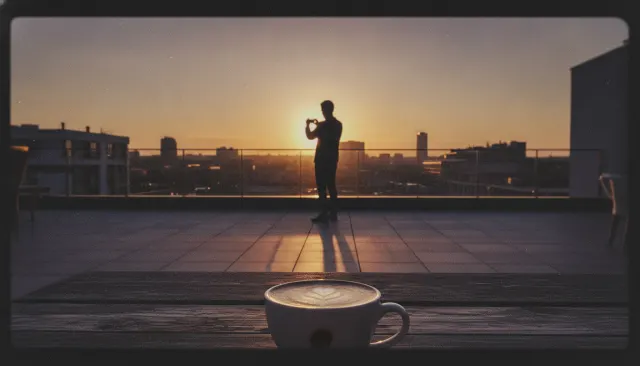 Photographic EraInstagram 2010s VSCO Filter
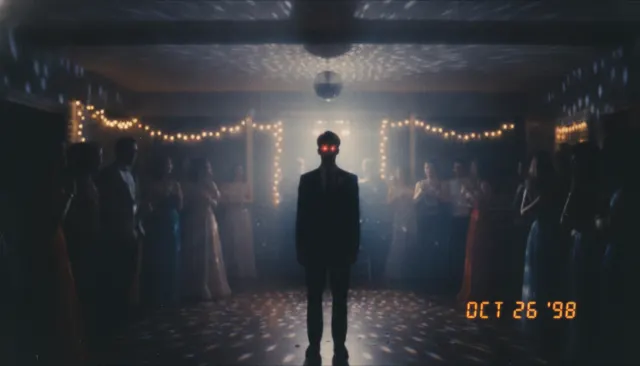 Photographic EraKodak Disposable 90s Flash
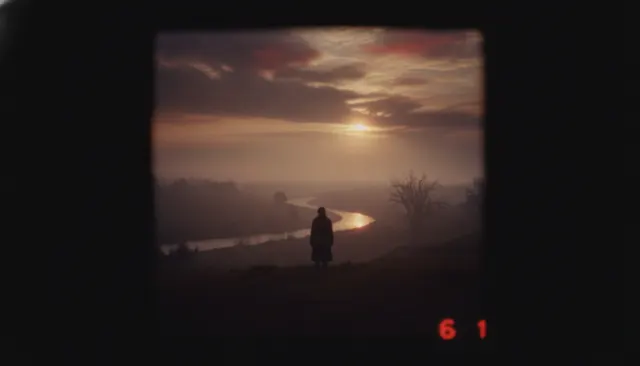 Photographic EraHolga Medium Format Light Leak
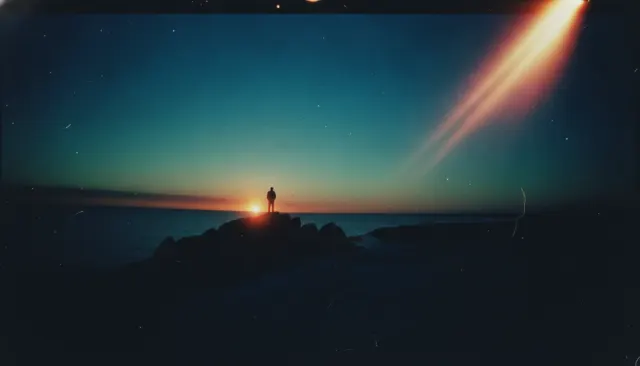 Photographic EraLomography Toy Camera
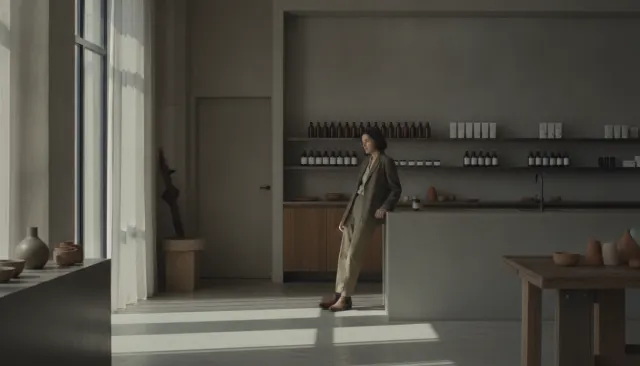 Portrait TraditionsLifestyle Editorial Portrait
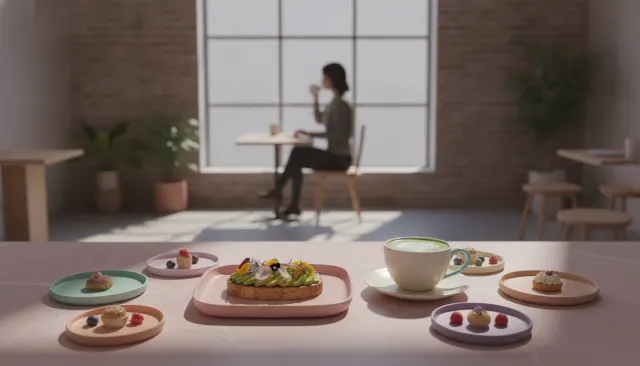 Food Product StillInstagram Flat Lay Pastel Food
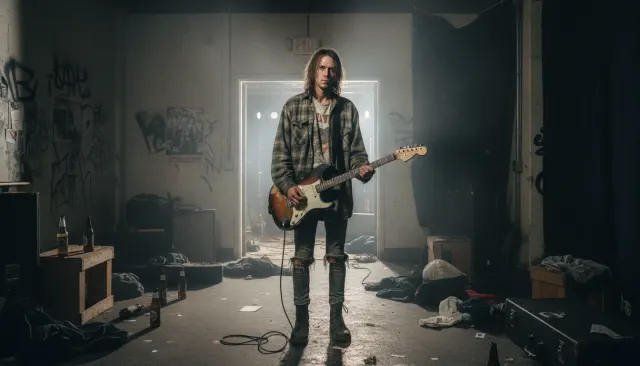 Era Specific Color1990s Grunge Music Portrait
Your first cut
is on us.
+ New videoFree plan · no card · 1080p export