PHOTOGRAPHIC ERA · 2010S · INTERNATIONAL
Instagram 2010s VSCO Filter
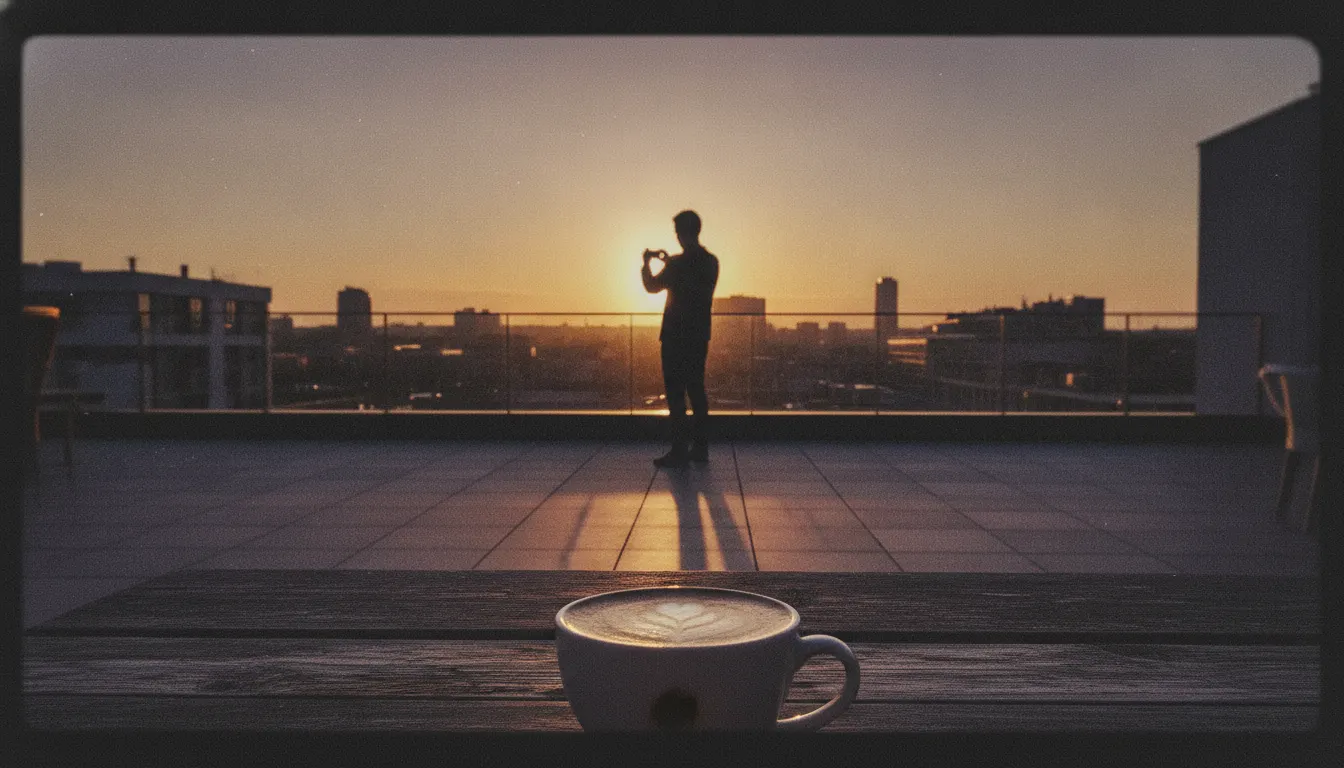
Early Instagram and VSCO-era smartphone aesthetic. A6 fade, lifted blacks, square 1:1 frame, latte art and rooftop sunset.
instagramvscofadedsmartphone
LUT vsco-a6-faded
WHEN TO USE
- Lifestyle and travel content targeting Millennial audiences with nostalgic aesthetic taste
- Wedding, engagement, and celebration photography seeking romantic softness
- Portrait photography for brands with warm, approachable visual identity
- Throwback content explicitly referencing the early 2010s social media era
- Food and product photography for artisanal or small-batch brands
WHEN NOT TO USE
- Content targeting Gen Z audiences who read VSCO as dated or ironic
- High-fashion or luxury brands where the casual filter look undercuts prestige
- Technical or precision product photography where color accuracy matters
- News or documentary contexts where processing would compromise credibility
SIGNATURE TECHNIQUES
How the look is made.
The moves a human crew would use to get here. Cue applies them for you, and knowing their names is how you ask for a change.
- 01Lifted blacks
shadow clipping removed, blacks become dark grey (tone curve manipulation)
- 02Desaturated or pulled highlights
whites cool and lose saturation
- 03Warm HSL shift on orange
red skin tones: Caucasian skin reads golden, darker skin tones warm amber
- 04Subtle uniform film grain at 20
35 opacity
- 05Reduced clarity or texture
microcontrast slightly softened
- 06Slight cyan
green cast in shadows (Fuji 400H emulation)
- 07Square 1
1 crop (Instagram's original required format)
HISTORY & CONTEXT
Where it comes from.
Instagram 2010s VSCO Filter Aesthetic
Between 2011 and 2017, a specific visual grammar took over social media photography and became one of the most widely replicated aesthetics in the history of the medium. VSCO - Visual Supply Company - launched its editing app in 2011, offering film-emulation presets developed by photographers who had spent years reproducing the look of Kodak Portra, Fuji 400H, and cross-processed slide film. When these presets arrived on smartphones already equipped with Instagram, the combination produced a unified visual style that reshaped how millions of people understood what a photograph should look like.
The VSCO Signature
The defining characteristics of VSCO-era editing are specific and recognizable: faded or lifted blacks (the darkest part of the image becomes grey rather than true black), pulled-down highlights (bright areas desaturate and cool), warm skin tones achieved by shifting orange-red hues in the HSL panel, and a slight film grain texture applied uniformly across the image. The most-used presets - A4, C1, HB1, HB2, M5, G3 - each had a distinct character that photographers began using as a signature.
Fuji 400H emulation (VSCO's HB series) produced a particular cool-green midtone beloved by wedding and lifestyle photographers. Kodak Portra emulation (VSCO's A series) delivered warm skin and soft contrast. The result was a generation of portrait, travel, and food photography that looked as if it had been shot on film by someone who had excellent taste but had never actually used a film camera.
Instagram Platform Dynamics
Instagram launched in October 2010 with its own square-crop filters (Earlybird, Mayfair, Rise, Valencia, X-Pro II). These filters were heavier-handed than VSCO's emulations - more saturated, more contrasty, more overtly processed. By 2014-2015, serious Instagram photographers had largely migrated to VSCO editing exported to Instagram without in-app filters. The flat, faded VSCO look supplanted Instagram's own aesthetic as the platform's dominant visual language.
After VSCO: The Correction
By 2018-2019, the VSCO aesthetic began to read as dated. A counter-movement toward 'authentic' unfiltered photography, HDR mobile defaults, and ultra-saturated high-contrast editing (associated with Gen Z iPhone users) emerged as a reaction. The faded VSCO look now functions as a period marker for the early 2010s in the same way sepia tone marks the Victorian era.
NOTABLE WORKS
Where you have seen it.
The Kinfolk magazine aesthetic, 2011-2016 (editorial parallel)
Instagram photographers: @muradosmann, @jack, early platform stars 2012-2015
Tumblr photography circa 2012-2015 as parallel aesthetic context
VSCO Film 01-06 desktop Lightroom preset packs, 2011-2013
THE RECIPE
The exact knobs
the renderer turns.
A Look is not a filter. It is a set of stored decisions the pipeline reads before it makes a single frame, so two videos in the same Look actually match.
SettingValue
GradeColour LUT applied to every frame
vsco-a6-fadedTransitionHow one shot becomes the next
soft cuts · 260ms · ease-in-outKen BurnsCamera move applied to stills
Slow push · 0.02 · centerTypographyDisplay / body / mono pairing
Inter · Inter · JetBrains MonoMusic moodWhat the bed under the voice sounds like
chillwave · indie-folk-2010sPrompt suffixAppended to every shot prompt in this Look
Instagram 2010s VSCO A6 filter smartphone photo, lifted black faded film emulation, square 1:1, latte art rooftop sunsetPALETTE
Primary
#D4B098
Secondary
#A89B82
Accent
#7A8FA8
Text/Light
#1F1A14
Text/Dark
#F5E8D5
BG 900
#1A1410
BG 800
#2A2218
RELATED LOOKS
Next to it on the shelf.

Your first cut
is on us.
+ New videoFree plan · no card · 1080p export