PHOTOGRAPHIC ERA · 2000S · INTERNATIONAL
Holga Medium Format Light Leak
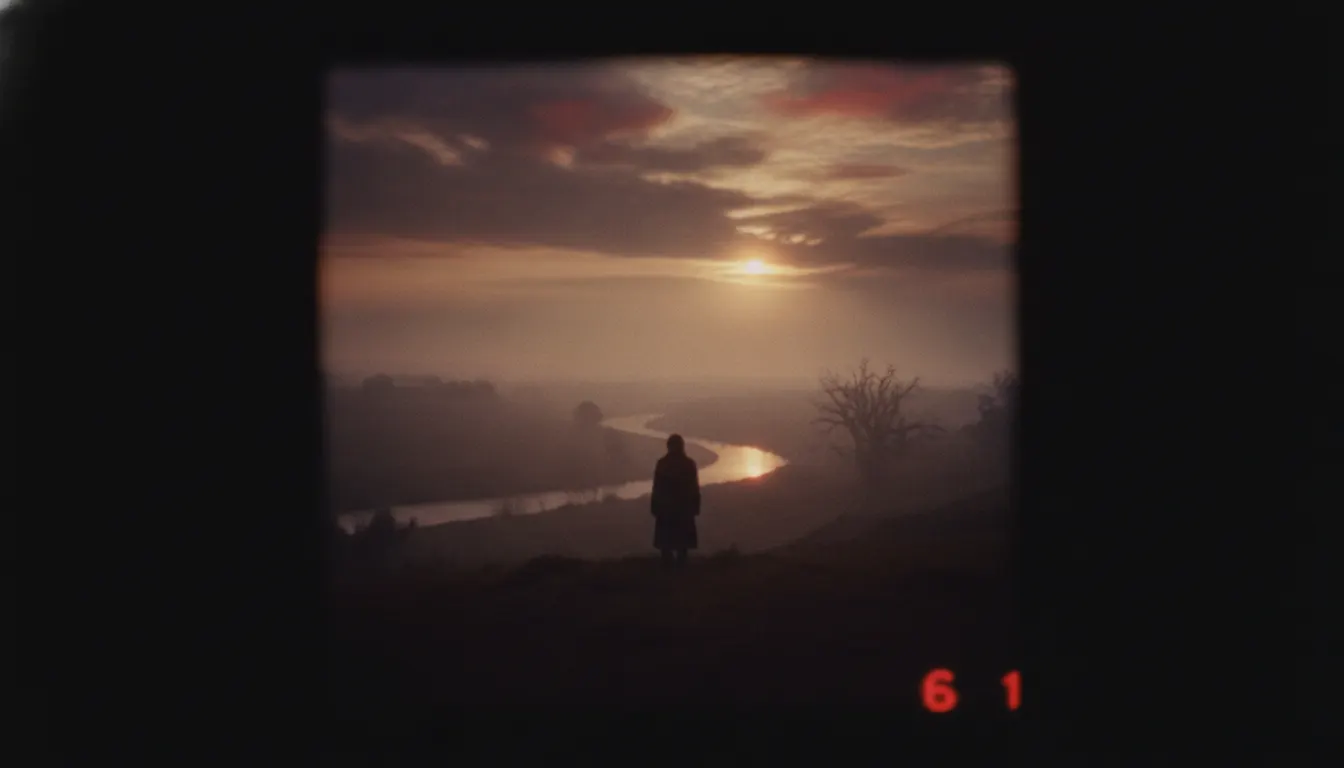
Holga 120N medium-format plastic camera. Square 6x6 frame, severe vignette, red film-back number bleed-through, dreamlike soft focus.
holgamedium-formatdreamlikelight-leak
LUT holga-medium-format
WHEN TO USE
- Nostalgic or dreamy content requiring soft, imperfect film aesthetics
- Portrait work seeking warmth and intimacy over technical precision
- Music, lifestyle, or editorial content with a lo-fi, personal register
- Summer, travel, or coming-of-age visual narratives
- Content where technical perfection would feel cold or corporate
- Social media aesthetics referencing analog photography and film nostalgia
WHEN NOT TO USE
- Technical product photography where sharpness and accuracy are required
- Documentation or archival work where image fidelity matters
- Professional medical, scientific, or legal imaging contexts
- Luxury brand contexts where polish and precision are expected
SIGNATURE TECHNIQUES
How the look is made.
The moves a human crew would use to get here. Cue applies them for you, and knowing their names is how you ask for a change.
- 01Heavy vignetting from single
element plastic lens: dark corners, bright center
- 02Soft center focus with edge blur and aberration, especially wide open
- 03Light leaks
streaks of red, orange, or white from body gaps in the film
- 04Medium format 6x6 square frame with associated tonal richness
- 05Unpredictable frame overlap or double
exposure from unreliable winding
- 06Cross
processing for extreme color shifts and contrast
- 07Natural or available light preferred
the built-in flash is weak and flat
HISTORY & CONTEXT
Where it comes from.
Holga: Medium Format Toy Camera
The Holga was born in 1981 in Hong Kong, designed by T.M. Lee as an affordable camera for the Chinese domestic market. It cost less than three US dollars and was built entirely of plastic - including the single-element meniscus lens. It used 120 medium format film, which gave it a theoretically large negative; everything else about it was a compromise. The plastic lens produced soft, aberrated images. The body leaked light. The frame counter was unreliable. Photographers loved every flaw.
Accidental Aesthetics
The Holga's imperfections are its entire appeal. The plastic meniscus lens is reasonably sharp at the image center but deteriorates rapidly toward the corners, creating the characteristic heavy vignette - dark edges drawing the eye toward a soft, luminous center. Many Holgas, especially early ones, had gaps in the body that allowed ambient light to fog the film in stripes, arcs, or washes of color (when using color film) or density shifts (on black-and-white). No two Holgas leaked identically; each camera had its own personality.
The medium format 120 film gives a 6x6cm square negative - vastly larger than 35mm and proportionally richer in tonal information. This contradiction between the camera's toylike construction and the format's documentary potential became central to the Holga's artistic identity. Photographers like David Burnett used Holgas to cover political events for Time and Newsweek, producing images with an intimate, dream-like quality unlike standard photojournalism.
The Lomography Connection
Although the Holga predates the Lomography movement, the two became intertwined when the Lomographic Society International began distributing Holgas (alongside LOMO LC-A cameras) in the 1990s. Lomography's ten rules - including 'shoot from the hip' and 'don't think' - fit the Holga's low-precision design. Cross-processing Holga film (developing slide film in C-41 chemistry) yielded additional color shifts and contrast extremes.
Contemporary Holga Practice
Holga production has continued in various forms, though the original manufacturer ceased in 2015; the brand continues under new ownership. Modified Holgas - pinhole conversions, film-plane alterations for more dramatic blur - are a cottage industry. Diana cameras (another Hong Kong toy camera, predating the Holga by two decades) produce similar but characteristically different results with more pronounced corner blur.
NOTABLE WORKS
Where you have seen it.
Adam Bartos, various street photography using Holga 120
Hulger (Holga + phone) hybrid camera series, 2000s
Sally Mann's early work with plastic cameras and medium format
Various Lomography Society International published collections, 1990s-2000s
THE RECIPE
The exact knobs
the renderer turns.
A Look is not a filter. It is a set of stored decisions the pipeline reads before it makes a single frame, so two videos in the same Look actually match.
SettingValue
GradeColour LUT applied to every frame
holga-medium-formatTransitionHow one shot becomes the next
dissolve cuts · 360ms · ease-in-outKen BurnsCamera move applied to stills
Slow push · 0.02 · centerTypographyDisplay / body / mono pairing
Cormorant · Inter · CourierMusic moodWhat the bed under the voice sounds like
ambient-folk · reverb-guitar-dreamPrompt suffixAppended to every shot prompt in this Look
Holga 120N medium format plastic camera, square 6x6 frame, severe vignette, red number bleed light leak, dreamlike soft focusPALETTE
Primary
#7A5A3E
Secondary
#A88860
Accent
#E8A05A
Text/Light
#1F1408
Text/Dark
#F5E0C8
BG 900
#150E08
BG 800
#2A1F10
RELATED LOOKS
Next to it on the shelf.
Your first cut
is on us.
+ New videoFree plan · no card · 1080p export