
Warhol Polaroid portraits
Andy Warhol · 1970s
Warhol's extensive use of the Big Shot Polaroid to photograph celebrities and subjects as source material for his paintings
Polaroid SX-70 instant snapshot aesthetic. Square frame with white border, color shift toward magenta, slight chemical bloom.
The moves a human crew would use to get here. Cue applies them for you, and knowing their names is how you ask for a change.
The defining physical format of the Polaroid print: a square image with a wide white border at the bottom, historically used for handwritten captions.
Characteristic color cast toward magenta-pink in shadows and mid-tones, produced by the chemical development process of integral film.
Slight overexposure and diffusion in highlight areas, caused by the integral film's development chemistry spreading in bright areas.
Shadows that never reach true black, maintaining a warm fog characteristic of integral film's chemistry before full development.
Slightly soft focus quality, particularly in the center of the frame, from the lens optics of the SX-70 and 600 camera systems.
Slight darkening at the corners, particularly in flash-exposed images, where the flash coverage falls off at the edges of the square frame.
The wide white border at the frame bottom, historically used for pen or marker captions, integrated into compositions as a design element.
The Polaroid instant photograph occupies a unique position in photographic history: simultaneously the most democratic (anyone could create a finished print in two minutes) and the most materially distinctive (the physical object is irreplaceable, cannot be duplicated, and ages in characteristic ways). The Polaroid aesthetic has been continuously revived and reinterpreted since the company's original bankruptcy in 2001, and it now functions as a powerful visual shorthand for authenticity, impermanence, and the value of physical memory.
Polaroid's Land Camera introduced instant photography in 1947, but the SX-70 (1972) is the camera whose aesthetic defines the contemporary Polaroid look. The SX-70 used an integral film pack that developed in front of the user's eyes without a peel-apart negative: the square white-bordered print ejected from the camera and the image gradually emerged over two to three minutes. This development process produced characteristic color casts - magenta and yellow shifts as the chemistry settled - and a slightly soft, diffused quality in the highlights.
Edwin Land's design for the SX-70 was as significant as the technology: it was the first camera that collapsed flat, the first integral instant camera, and it was designed as a consumer luxury object that photographers including Ansel Adams and Walker Evans used seriously alongside their large-format professional work.
The Polaroid 600 series (1981) brought the instant format to mass-market scale, and the white-bordered square image became ubiquitous in households across the developed world. The slightly blown-out quality of flash illumination through the 600 film's faster ISO 600 speed, the characteristic color rendering that pushed skin tones toward orange and desaturated backgrounds, and the physical border that invited handwriting became the defining aesthetic of the 1980s family photograph.
Polaroid declared bankruptcy in 2001 and ceased film production in 2008. The Impossible Project, founded in 2008 by former Polaroid employees, purchased the last Polaroid factory and began manufacturing new integral film under extremely difficult technical conditions. Their films - marketed as Impossible PX and PX 680 - produced inconsistent, chemically unpredictable images that were themselves a new aesthetic: the early Impossible films had significant veil, color shifts, and sensitivity to light and temperature that created images unlike the original Polaroid but recognizably in its visual family.
The Impossible Project became Polaroid Originals in 2017 and then simply Polaroid in 2018, by which point the analog film revival had made instant photography commercially viable again. Contemporary Polaroid films are significantly more consistent than early Impossible productions, though they retain the warmth, slight color shift, and square format of the original SX-70 aesthetic.
Digital Polaroid emulation is among the most common photo-editing presets in consumer photography, appearing as filters in Instagram, VSCO, and dedicated apps like Polamatic. The emulation captures the white border, color shift toward magenta or yellow, lifted shadow base, and slight vignette of the original film, making the Polaroid look available to any smartphone user.
Andy Warhol · 1970s
Warhol's extensive use of the Big Shot Polaroid to photograph celebrities and subjects as source material for his paintings
Walker Evans · 1970s
Late-career exploration of the SX-70 by the FSA photographer, who used the camera's immediacy as a formal and conceptual shift
Helmut Newton · 1970s-1990s
Newton's use of Polaroid for lighting tests that were frequently more interesting than the intended photographs
Nan Goldin · 1980s
Goldin's integration of Polaroid snapshots into her intimate documentation of subculture and personal relationships
The Impossible Project · 2010
First new integral film after Polaroid's closure, with technically imperfect but aesthetically distinctive color veiling and chemical unpredictability
Instagram / various · 2011
Mass popularization of Polaroid aesthetic through digital filter systems, making the look available to hundreds of millions of smartphone users
A Look is not a filter. It is a set of stored decisions the pipeline reads before it makes a single frame, so two videos in the same Look actually match.
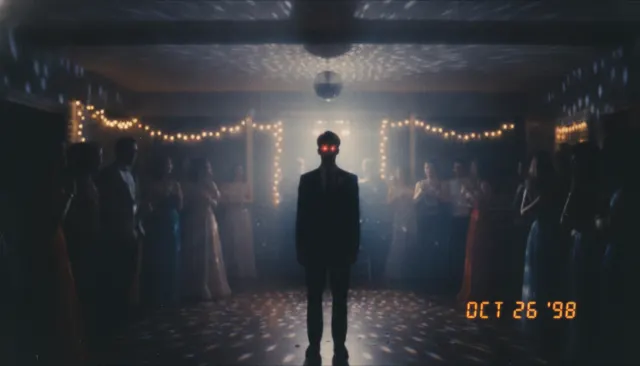 Photographic EraKodak Disposable 90s Flash
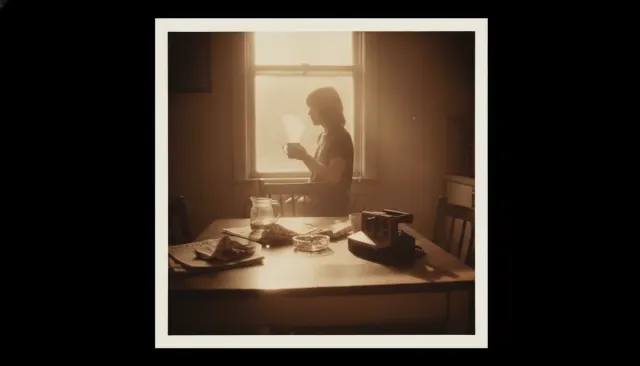 Photographic EraPolaroid SX-70 1970s Instant
 Media Decay PhysicalPolaroid Emulsion Lift Distressed
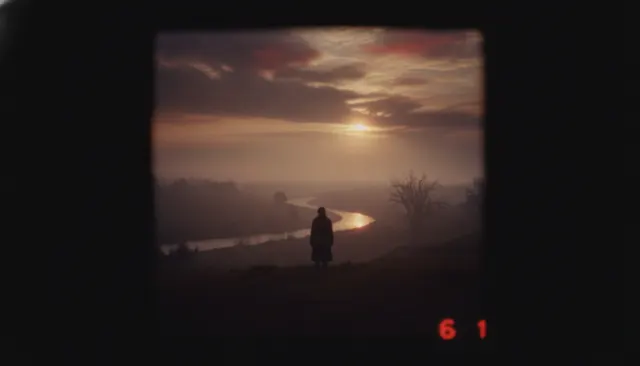 Photographic EraHolga Medium Format Light Leak
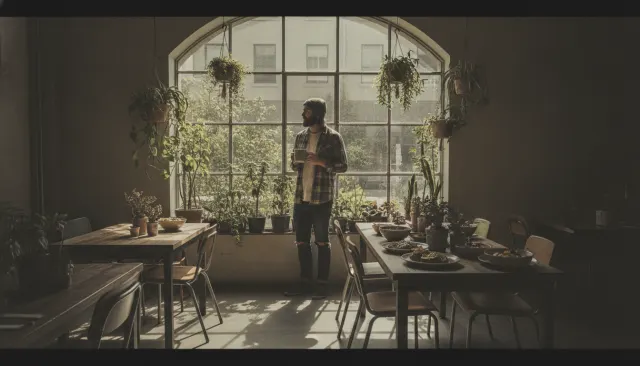 Consumer FormatInstagram 2010s VSCO
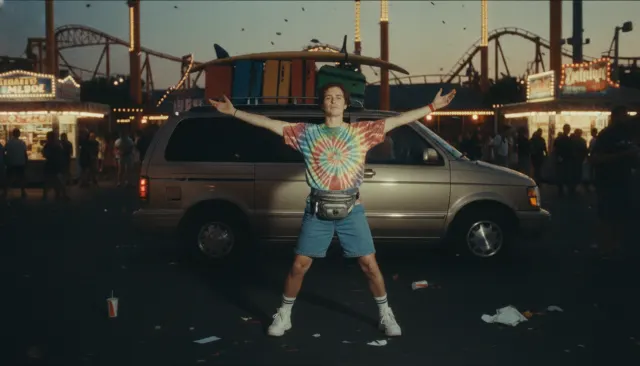 Family Event CasualFamily Vacation Snapshot 90s
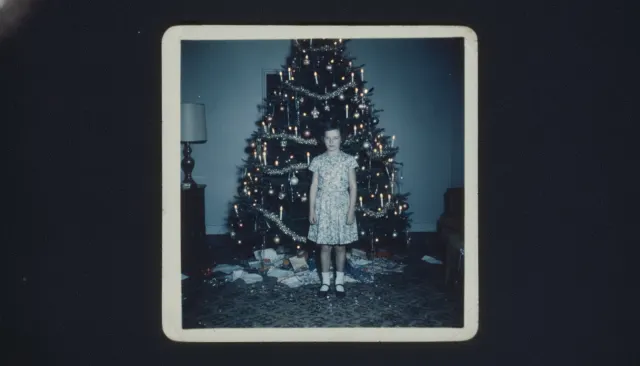 Photographic EraInstamatic 1960s Snapshot