PHOTOGRAPHIC ERA · 1990S · INTERNATIONAL
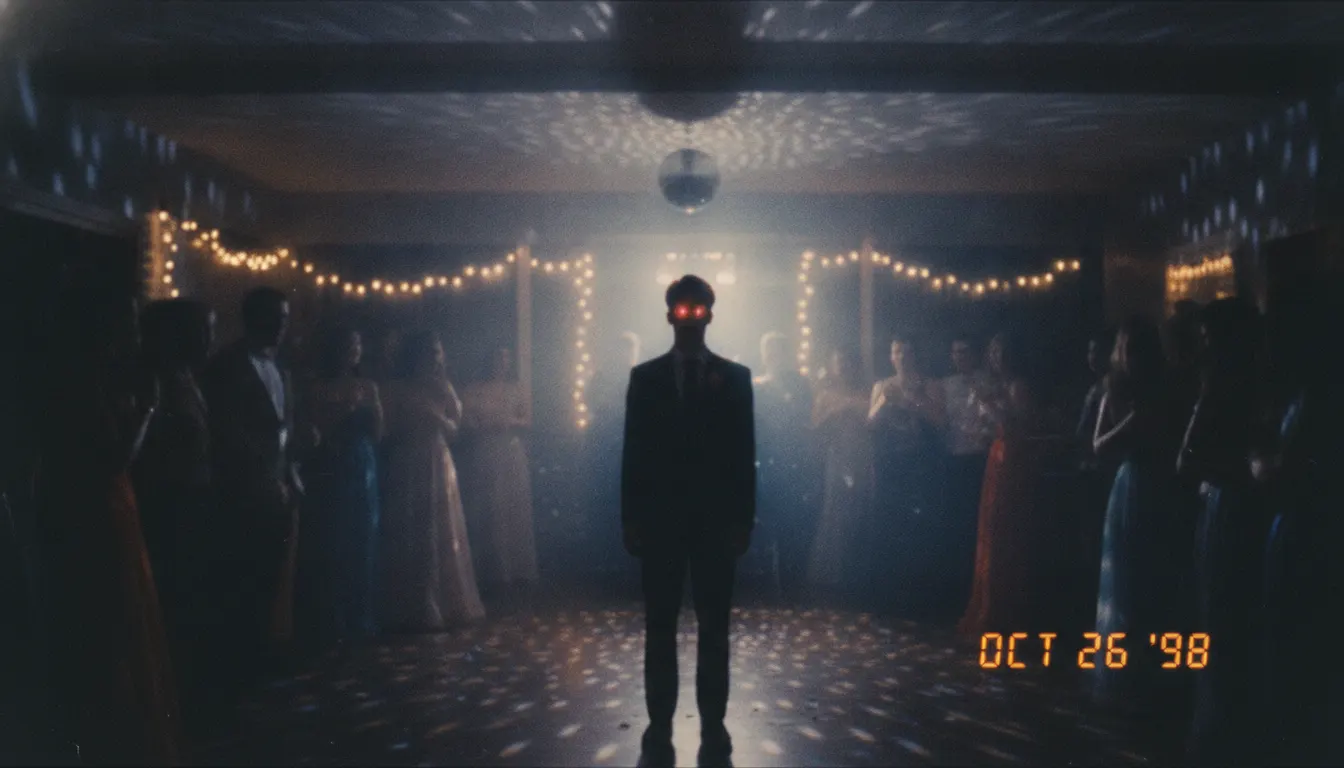
Kodak Disposable 90s Flash
Single-use 35mm disposable camera. Direct flash with red-eye, soft focus, date stamp orange, prom and house-party era.
disposableflashninetiessnapshot
LUT disposable-flash-warm
WHEN TO USE
- Event photography referencing 1990s or early 2000s visual culture
- Y2K nostalgia content for fashion, music, or lifestyle brands
- Party photography seeking authentic analog intimacy
- Portrait work referencing Millennial childhood and coming-of-age experiences
- Music video and editorial content with a gritty, unpretentious register
WHEN NOT TO USE
- Professional portrait or commercial photography requiring flattery and sharpness
- Luxury or prestige brand contexts where the cheap register undercuts the message
- Technical product photography requiring color accuracy
- Formal documentation or archival photography
SIGNATURE TECHNIQUES
How the look is made.
The moves a human crew would use to get here. Cue applies them for you, and knowing their names is how you ask for a change.
- 01Hard direct flash
frontal flat lighting, hard shadow on wall behind subject
- 02Slight overexposure on close subjects
blown skin highlights, bright catchlights
- 03Warm Kodacolor grain
visible at ISO 400 in low-light areas
- 04Red
eye from direct camera-axis flash
- 0528
30mm equivalent wide-angle: environmental context included
- 06Background underexposure at party distances (3+ meters)
- 07No depth
of-field: everything from 1.2m to infinity in focus
HISTORY & CONTEXT
Where it comes from.
Kodak Disposable Camera: 1990s Flash Photography
The single-use camera - disposable, preloaded with film, designed to be sent to the lab and discarded - became the ubiquitous party and event camera of the 1990s. Kodak's FunSaver, introduced in 1987 and refined through the 1990s, and Fujifilm's QuickSnap (introduced 1986) defined a visual grammar that has become one of the most heavily referenced analog aesthetics in contemporary design.
What Made the Disposable Look
The disposable camera's aesthetic is an inventory of technical limitations that became stylistic features:
The lens: fixed-focus, typically 28-30mm equivalent, single-element plastic. Sharp from about 1.2 meters to infinity, soft and unpredictable closer. The wide angle forced subjects into the frame without careful composition.
The flash: a single, small electronic flash with fixed guide number. At the camera's intended 1-3 meter range, flash exposure is near-perfect. At 1 meter or less, subjects are blown out with whitened skin and harsh catchlights. At 4 meters or more, subjects go dark while the background goes darker. The characteristic red-eye from direct frontal flash is ubiquitous.
The film: Kodak FunSaver shipped with 400 ISO Kodacolor film. This consumer-grade emulsion had moderately coarse grain, warm skin tones, and slightly elevated saturation in reds and greens. Fujifilm's disposable used 400-speed Fujicolor, which ran cooler and slightly more saturated in blues and greens.
The result: images with a specific combination of warm color, visible grain, hard frontal shadow, and occasional blown highlights that reads immediately as 1990s party photograph, regardless of subject.
Cultural Context
Disposable cameras appeared at every wedding, birthday party, bar mitzvah, prom, and vacation of the 1990s. Wedding planners placed them on reception tables for guests to use. They were the Instagram of their time - mass-market, democratic, producing imagery that no professional camera could replicate because the professional would be using better equipment.
The aesthetic was dormant as a reference point until the late 2010s, when photographers shooting on film for the first time post-iPhone discovered disposable cameras as the cheapest entry point. Film photography's revival among younger photographers brought the disposable's specific visual character into fashion photography, Instagram content, and music video aesthetics as a period marker for Y2K nostalgia.
NOTABLE WORKS
Where you have seen it.
Wolfgang Tillmans's early party photography shares visual language with disposable aesthetics
Juergen Teller's snapshot work uses similar direct-flash technique with better equipment
Ryan McGinley's 2000s documentary photography of youth culture
Contemporary editorial photographers: Gray Sorrenti, Petra Collins in flash snapshot tradition
THE RECIPE
The exact knobs
the renderer turns.
A Look is not a filter. It is a set of stored decisions the pipeline reads before it makes a single frame, so two videos in the same Look actually match.
SettingValue
GradeColour LUT applied to every frame
disposable-flash-warmTransitionHow one shot becomes the next
hard cuts · 180ms · linearKen BurnsCamera move applied to stills
Static framesTypographyDisplay / body / mono pairing
Cooper Hewitt · Inter · CourierMusic moodWhat the bed under the voice sounds like
90s-alt-rock · top-40-pop-ninetiesPrompt suffixAppended to every shot prompt in this Look
Kodak Funsaver disposable camera 1990s, direct flash red-eye, soft focus, orange date stamp, prom house partyPALETTE
Primary
#E8A05A
Secondary
#7A5A3E
Accent
#C8302E
Text/Light
#1F1208
Text/Dark
#FBE5C0
BG 900
#1A1008
BG 800
#2A1808
RELATED LOOKS
Next to it on the shelf.
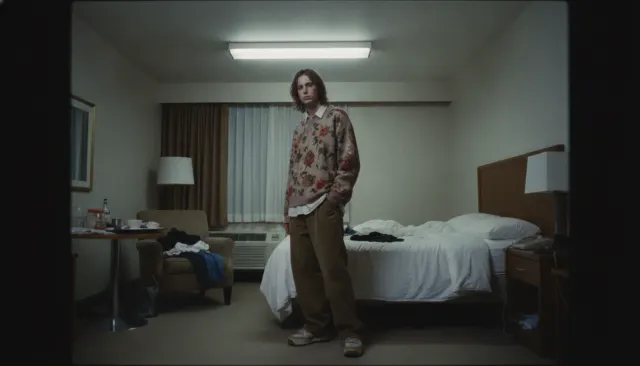 Fashion EditorialJuergen Teller Flash Snapshot
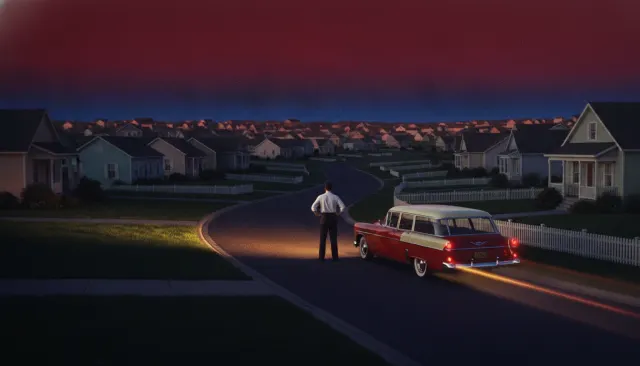 Photographic EraKodachrome 1950s Saturated
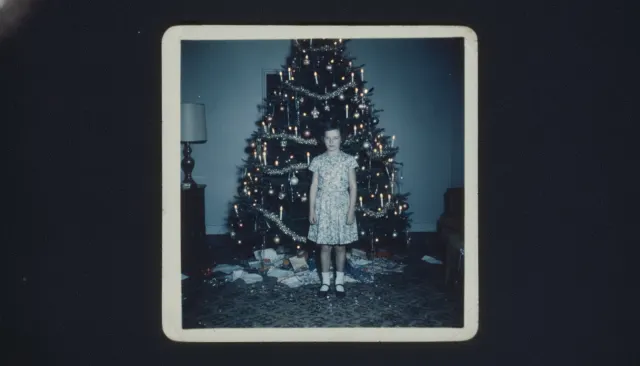 Photographic EraInstamatic 1960s Snapshot
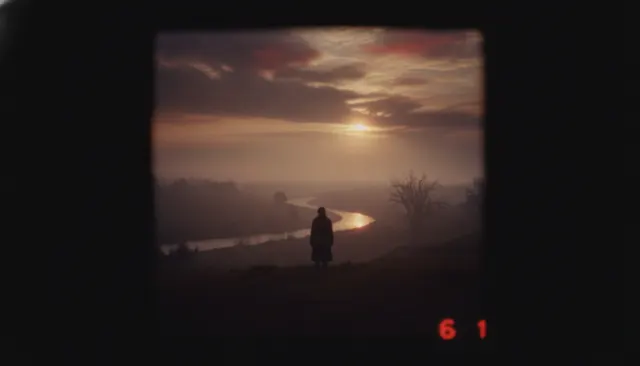 Photographic EraHolga Medium Format Light Leak
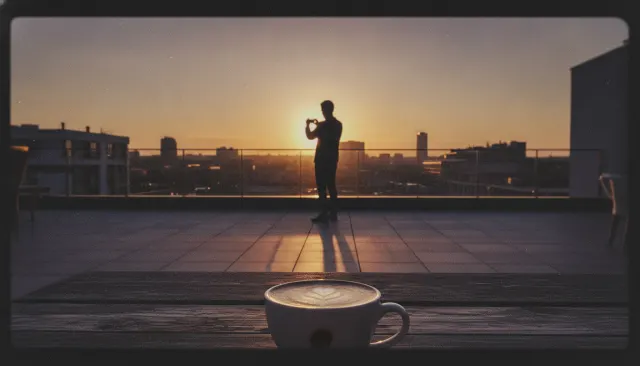 Photographic EraInstagram 2010s VSCO Filter
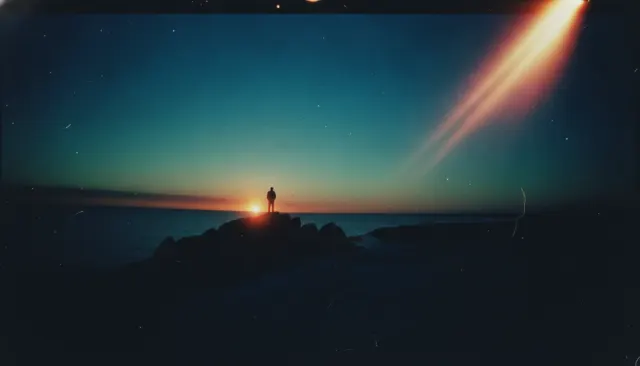 Photographic EraLomography Toy Camera
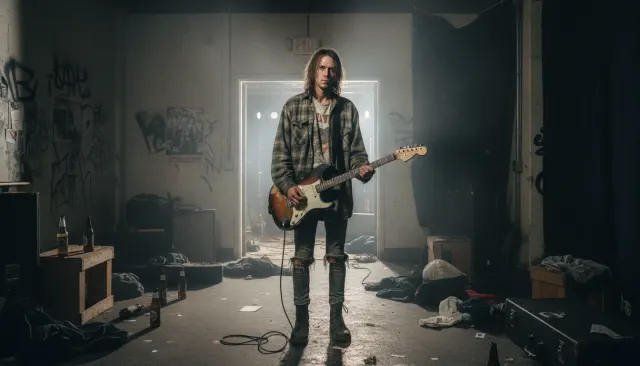 Era Specific Color1990s Grunge Music Portrait
Your first cut
is on us.
+ New videoFree plan · no card · 1080p export