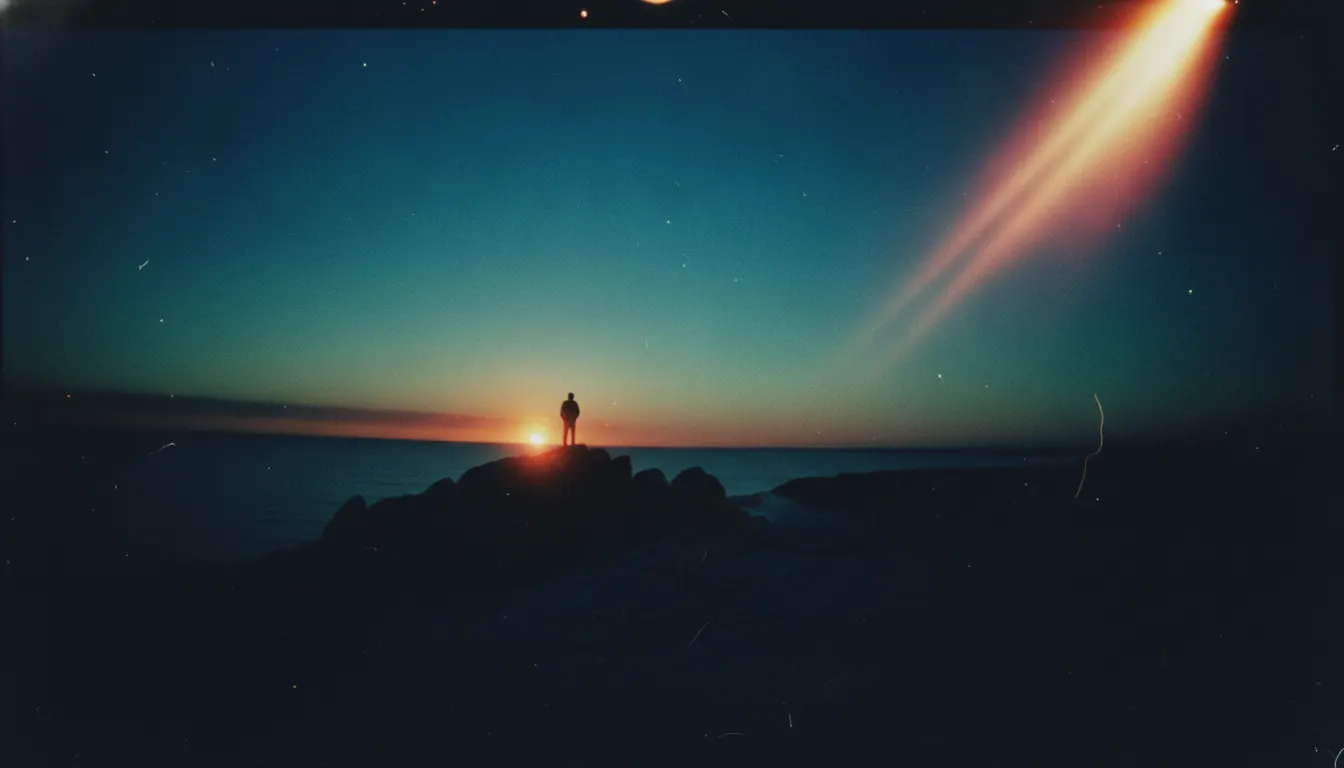
PHOTOGRAPHIC ERA · 2000S · INTERNATIONAL
Lomography Toy Camera
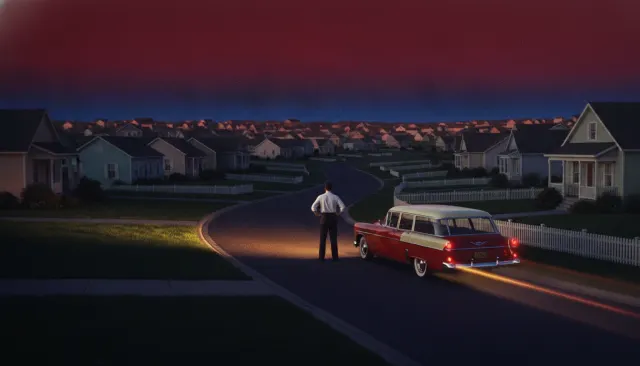
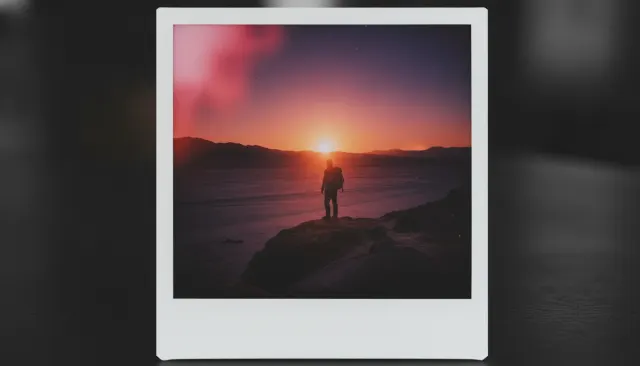
Lomography LC-A / Diana F+ toy camera. Heavy vignette, oversaturated cross-processed color, light leaks, deliberate imperfection movement.
lomovignettecross-processedimperfect
LUT lomo-cross-processed
WHEN TO USE
- Music, arts, and youth culture content requiring authentic analog energy
- Travel photography seeking vivid, imperfect color that reads as adventure
- Brand content for youth-market brands wanting anti-polish aesthetic
- Portrait and lifestyle photography with a warm, saturated, electric color palette
- Multiple-exposure and experimental photography for creative editorial
WHEN NOT TO USE
- Professional commercial photography requiring color accuracy
- Luxury or prestige brand contexts where the toy camera register undercuts value
- Technical or documentary photography where accuracy matters
- Corporate or institutional contexts
SIGNATURE TECHNIQUES
How the look is made.
The moves a human crew would use to get here. Cue applies them for you, and knowing their names is how you ask for a change.
- 01Heavy corner vignetting from single
element toy lens
- 02Oversaturated colors with cross
over: warm highlights, cool shadows or reverse
- 03Cross
processing: slide film in C-41 chemistry for extreme color shifts
- 04Multiple exposure
overlapping frames on the same negative
- 05Automatic metering errors creating underexposed or overexposed results
- 0632
35mm wide equivalent lens with close minimum focus distance
- 07Available light preferred
built-in flash weak and harsh
HISTORY & CONTEXT
Where it comes from.
Lomography: Toy Camera Movement
Lomography began in Vienna in 1991 when a group of art students discovered the Soviet LOMO LC-A camera - a compact, fully automatic 35mm camera manufactured in Leningrad from 1984 - and recognized its flaws as a visual language. The LC-A's automatic exposure often set incorrect values, its cheap lens vignetted heavily, and its color rendering was inaccurate by conventional standards. The students decided these were features rather than bugs and founded the Lomographic Society International to spread the gospel.
The LOMO LC-A and Its Characteristics
The LOMO LC-A (Lomo Compact Automat) was designed by the Leningrad Optical Mechanical Association as a Soviet version of the Cosina CX-2 - a Japanese compact camera. It featured a 32mm f/2.8 lens, zone focus (no rangefinder or autofocus), and a fully automatic exposure system that could not be overridden. The automatic system was optimistic about low-light capability, frequently underexposing in dim conditions and creating the dark, moody saturated results that became the lomographic signature.
The vignetted corners were a consequence of the small, single-element-plus-field-flattener lens design. The color cross-over - warm in highlights, cool in shadows, or vice versa - was an emulsion artifact that the camera's automatic metering made worse. Cross-processing (developing slide film in C-41 chemistry intended for negative film, or vice versa) amplified these characteristics to extremes: skin tones went green or purple, skies went yellow, shadows went cyan.
The Ten Commandments and the Movement
The Lomographic Society's 'Ten Golden Rules' formalized the aesthetic philosophy: always have your camera with you; use it day and night; photography is not interference in your life; try shooting from the hip; don't worry about the rules; approach the objects of your lomography as close as possible; don't think; do it fast; you don't have to know beforehand what you captured on film; and don't worry about any rules. These ten principles were as much a manifesto against technical perfectionism as a photography guide.
The movement popularized multiple-exposure photography, fisheye cameras, the Diana F+ (a Hong Kong toy camera from the 1960s), the Holga, and various other toy and specialist cameras. The Lomographic Society grew into a retail company selling cameras, film, and accessories, with physical stores in Vienna, New York, Berlin, London, and elsewhere.
NOTABLE WORKS
Where you have seen it.
Wolfgang Tillmans's early party work shares lomographic visual DNA
Anton Corbijn began in a lomographic register before moving to controlled black-and-white
Various Lomography Annual publications, 1995-present
Diana F+ revival photography by Mark Sink and others, 2000s
THE RECIPE
The exact knobs
the renderer turns.
A Look is not a filter. It is a set of stored decisions the pipeline reads before it makes a single frame, so two videos in the same Look actually match.
SettingValue
GradeColour LUT applied to every frame
lomo-cross-processedTransitionHow one shot becomes the next
hard cuts · 160ms · ease-in-outKen BurnsCamera move applied to stills
Static framesTypographyDisplay / body / mono pairing
Space Grotesk · Inter · JetBrains MonoMusic moodWhat the bed under the voice sounds like
indie-electronic-2000s · lo-fi-popPrompt suffixAppended to every shot prompt in this Look
Lomography LC-A Diana F+ toy camera, heavy vignette, cross-processed saturation, light leak, deliberate imperfectionPALETTE
Primary
#1F6FB8
Secondary
#7A2030
Accent
#C8302E
Text/Light
#0A1A2E
Text/Dark
#FFE8E0
BG 900
#08101A
BG 800
#0F1F2E
RELATED LOOKS
Next to it on the shelf.


Your first cut
is on us.
+ New videoFree plan · no card · 1080p export