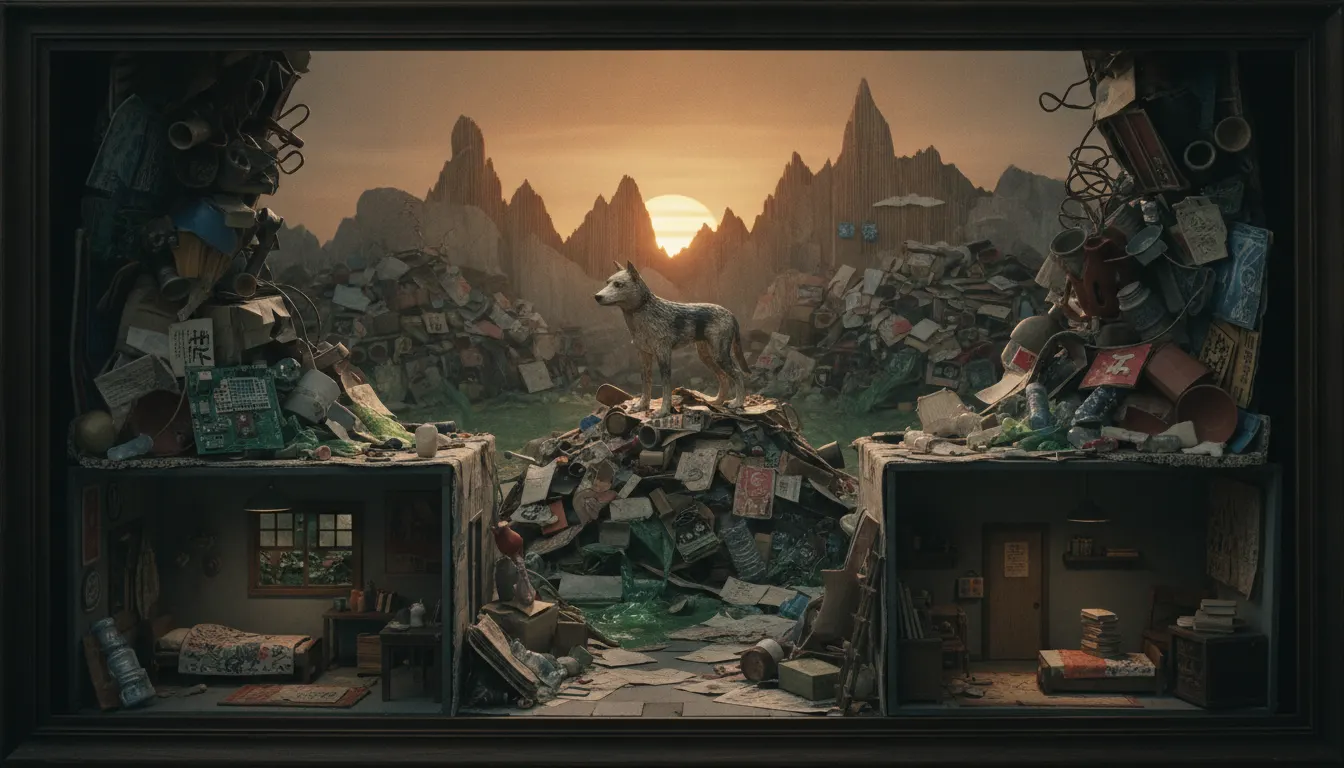
Isle of Dogs (2018, dir. Wes Anderson)
the primary reference
Wes Anderson Isle of Dogs symmetrical puppet-set craft. Japan-coded Trash Island miniature, dollhouse cross-section, deadpan camera moves on paper-craft sets.
The moves a human crew would use to get here. Cue applies them for you, and knowing their names is how you ask for a change.
Anderson's trademark framing applied to stop-motion miniatures
painted paper set elements: paper trees, backdrops, and environmental details as materials
e and Japanese graphic design references in palette, composition, and character staging
printed paper ephemera as architectural and environmental texture
language text integration: Japanese and English written language as graphic design element
inspired formal staging: frontal symmetrical composition for key dramatic confrontations
Wes Anderson's Isle of Dogs (2018) is the director's second stop-motion feature after Fantastic Mr. Fox (2009), and his most visually ambitious film. Produced by Anderson regular Bill Murray alongside a large Anglo-American cast, the film is set in a near-future Japan and draws extensively on Japanese graphic design, printmaking, and visual storytelling traditions - ukiyo-e woodblock prints, manga panel composition, Kabuki theatre staging, and the bold graphic quality of Saul Bass title sequences filtered through a thoroughly Andersonian sensibility.
The film's distinctive visual contribution is its use of hand-crafted paper and painted materials as primary set construction elements. Environmental design on Isle of Dogs integrates painted paper backdrops, hand-cut paper trees and foliage, rice paper diffusion panels, origami elements, and newspaper-collage surfaces alongside more conventional puppet-set craft materials. The result is a world that simultaneously reads as photographic (the sets are three-dimensional and shot with depth) and as hand-assembled (the visible grain and texture of paper surfaces is not hidden).
Anderson's cinematographer Robert Yeoman maintains the director's signature centred, symmetrical compositions throughout, but the stop-motion medium adds a layer of physical weight and material specificity that Anderson's live-action films approximate but cannot fully achieve. Every prop, every set element, every character costume is a hand-fabricated physical object at miniature scale - the totality of craft investment visible in every frame.
the primary reference
Anderson's first stop-motion feature
1952
explicitly referenced
direct palette and composition reference
live-action with closest visual DNA
visible in Isle of Dogs environmental design approach
graphic design ancestor in Isle of Dogs titles
A Look is not a filter. It is a set of stored decisions the pipeline reads before it makes a single frame, so two videos in the same Look actually match.
 Puppet Stop MotionLaika Kubo Two Strings Painterly Puppet
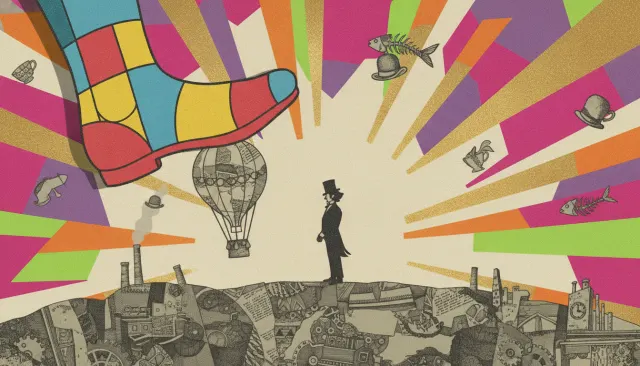 Paper Craft Stop MotionTerry Gilliam Monty Python Paper Cutout
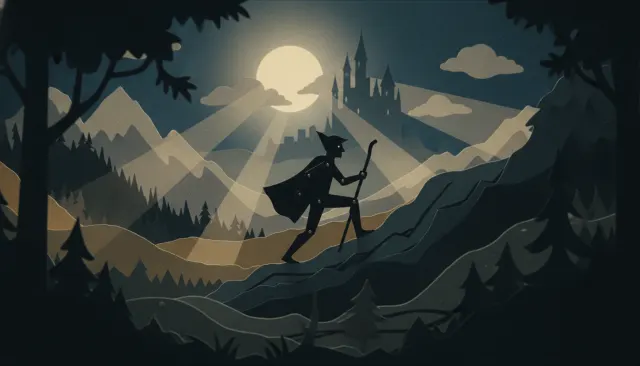 Paper Craft Stop MotionPaper Cutout Stop Motion Classic
 Paper Craft Stop MotionPop-Up Book Stop Motion
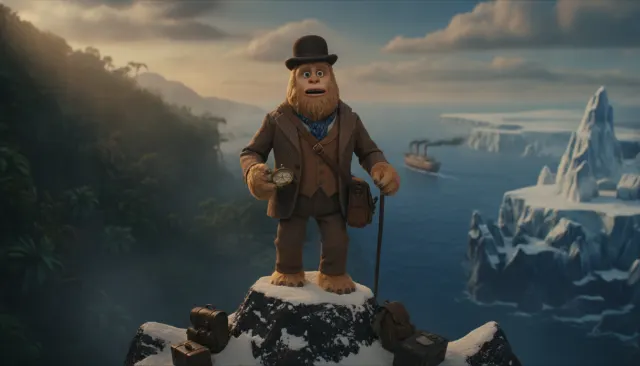 Laika ExpansionLaika Missing Link 2019
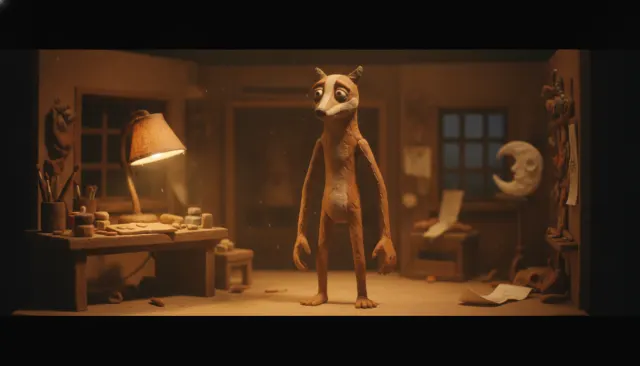 ClaymationPlasticine Classic Clay Puppet
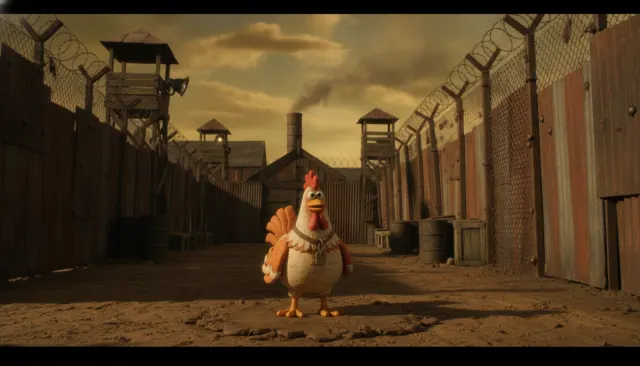 ClaymationAardman Chicken Run
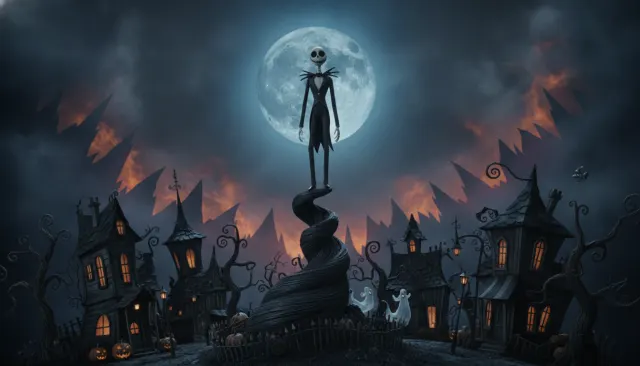 Puppet Stop MotionTim Burton Nightmare Before Christmas