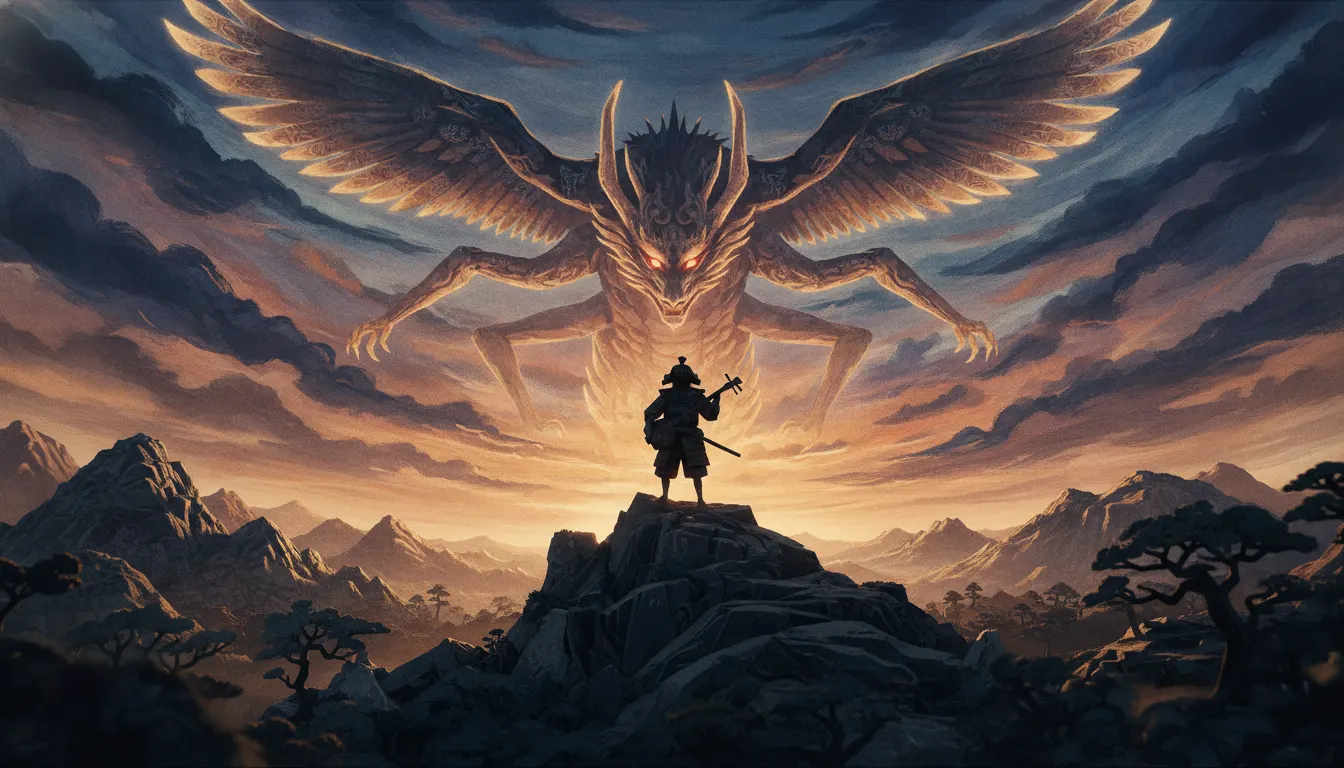
Kubo and the Two Strings (2016, dir. Travis Knight, Laika Studios)
the primary reference
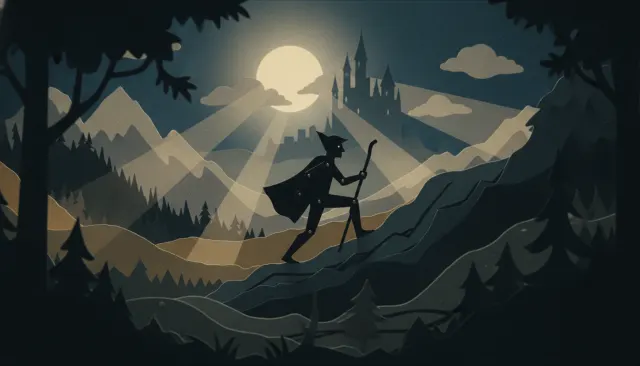
Laika Kubo and the Two Strings painterly Japanese-folklore puppet stop motion. Origami-creature scale, brushstroke skies, samisen-string storybook epic.
The moves a human crew would use to get here. Cue applies them for you, and knowing their names is how you ask for a change.
e-influenced palette: warm amber, cobalt blue, burnt sienna, dusty gold
printed replacement faces with painted watercolour texture at miniature scale
by-frame origami animation using wire-reinforced paper models
scale puppet construction: 16-foot skeleton requiring custom rigging infrastructure
wash bokeh and soft sky gradients
informed supernatural character design
dyed shibori and kimono textiles miniaturised for puppet-scale costuming
Travis Knight's Kubo and the Two Strings (2016) is widely considered the technical apex of Laika Studios' stop-motion output and among the most visually sophisticated animated films ever produced. The film's visual identity fuses traditional Japanese aesthetics - ukiyo-e woodblock prints, origami, Noh theatre mask design - with Laika's by-then-refined pipeline of 3D-printed replacement faces and custom-fabricated puppet armatures.
The film's palette is warm amber, burnt sienna, dusty gold, and deep cobalt blue - the colours of firelight, autumn leaves, and Japanese calligraphy ink. Cinematographer Frank Passingham shoots with a painterly quality: soft gradients in skies, atmospheric haze over water, bokeh that mimics the soft-edge quality of traditional ink wash painting. Puppet faces, fabricated through Laika's CLIP 3D-printing process, carry subtle painted texture that reads as watercolour at screen distance, giving characters an expressiveness that blurs the boundary between sculpture and illustration.
The production's signature set piece - an 8-foot tall, 400-pound stop-motion skeleton constructed for the film's climactic battle - represents the largest puppet ever animated in stop-motion history. Equally iconic are the origami animals Kubo conjures through his shamisen playing: the paper folding is animated frame-by-frame with wire-reinforced paper models, achieving a fluid, magical quality that feels impossible within the medium.
the primary reference
largest stop-motion puppet in film history
Laika predecessor establishing 3D-printing pipeline
same studio pipeline, horror-comedy genre
most photorealistic Laika puppet work
shared Japanese mythological visual vocabulary
direct palette and compositional references
A Look is not a filter. It is a set of stored decisions the pipeline reads before it makes a single frame, so two videos in the same Look actually match.
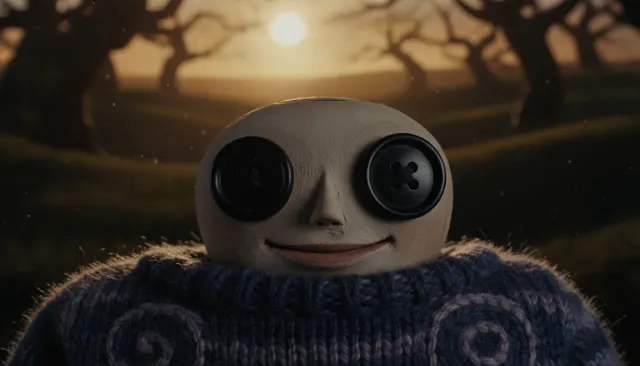 Laika ExpansionLaika Coraline Button Puppet
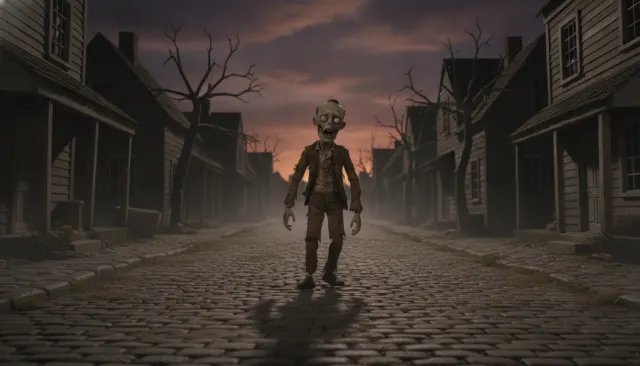 Puppet Stop MotionLaika ParaNorman
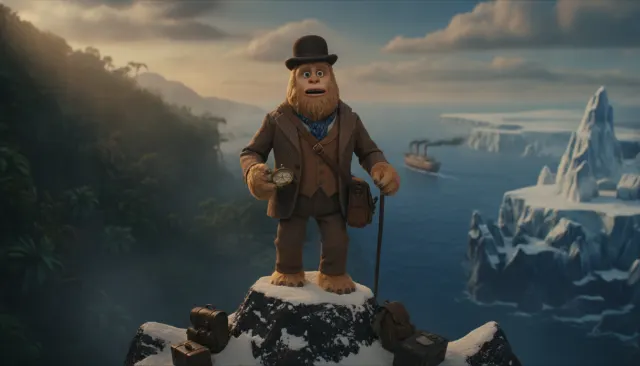 Laika ExpansionLaika Missing Link 2019
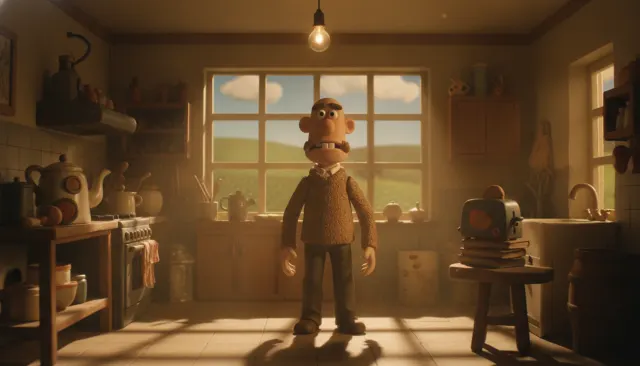 ClaymationAardman Wallace and Gromit Claymation
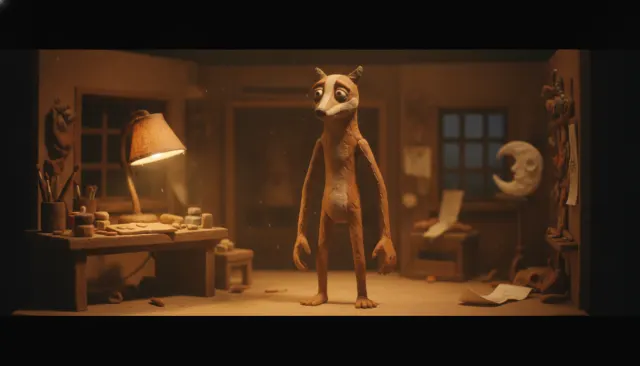 ClaymationPlasticine Classic Clay Puppet
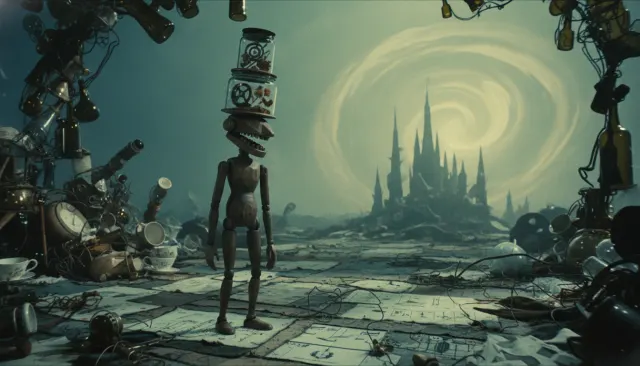 Traditional Puppet ExtendedCzech Svankmajer Surreal Puppet
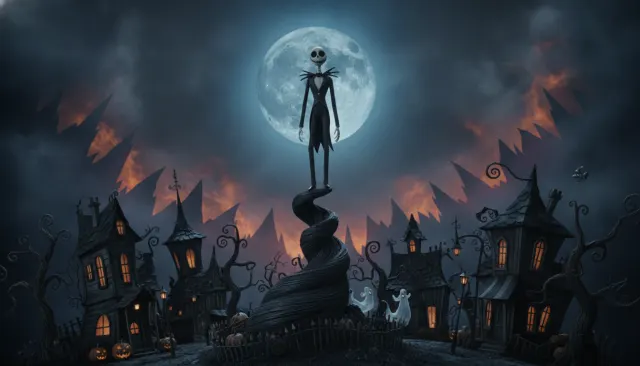 Puppet Stop MotionTim Burton Nightmare Before Christmas
 Paper Craft Stop MotionPaper Cutout Stop Motion Classic