PUPPET STOP MOTION · CONTEMPORARY · USA

Laika ParaNorman

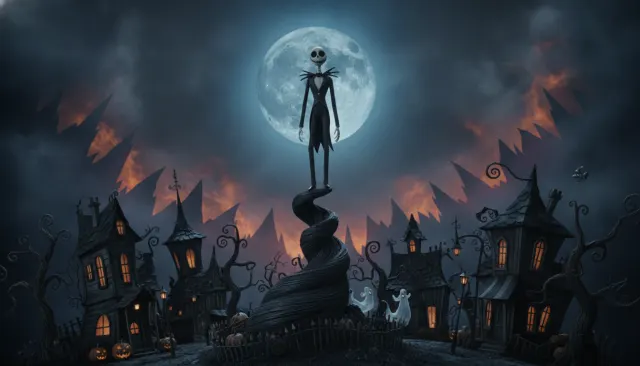
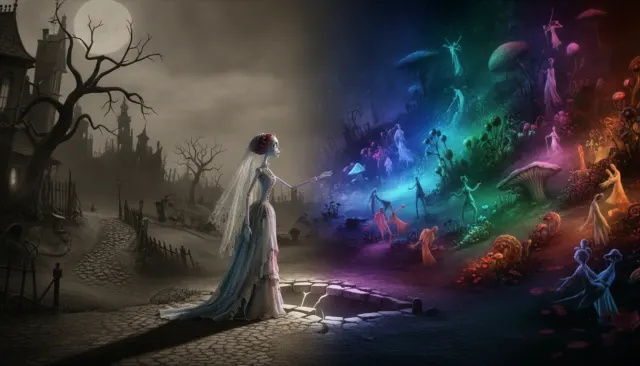
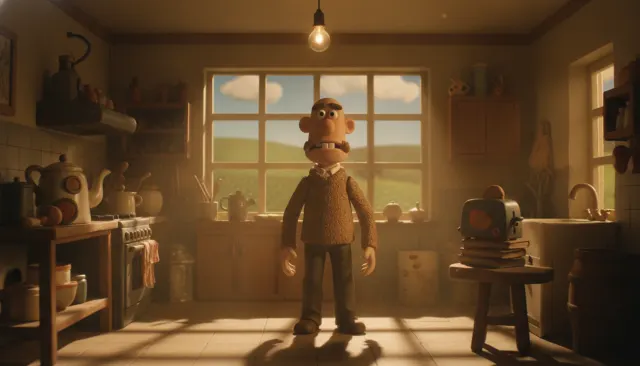
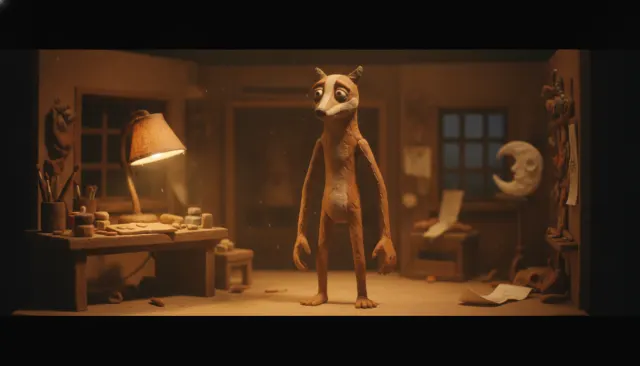
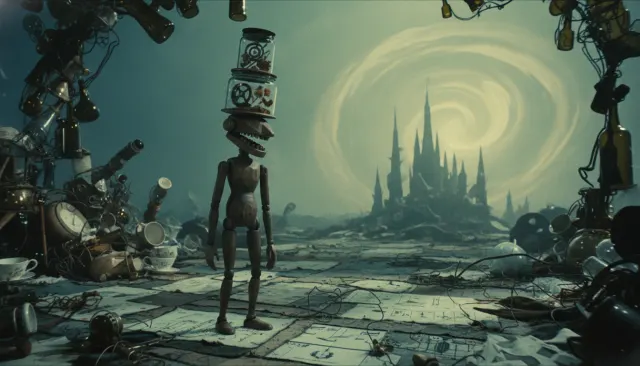
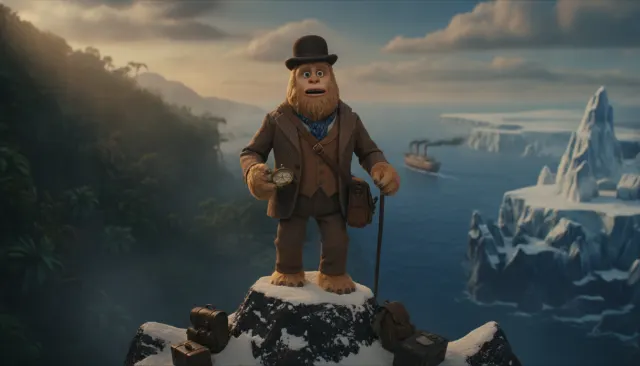
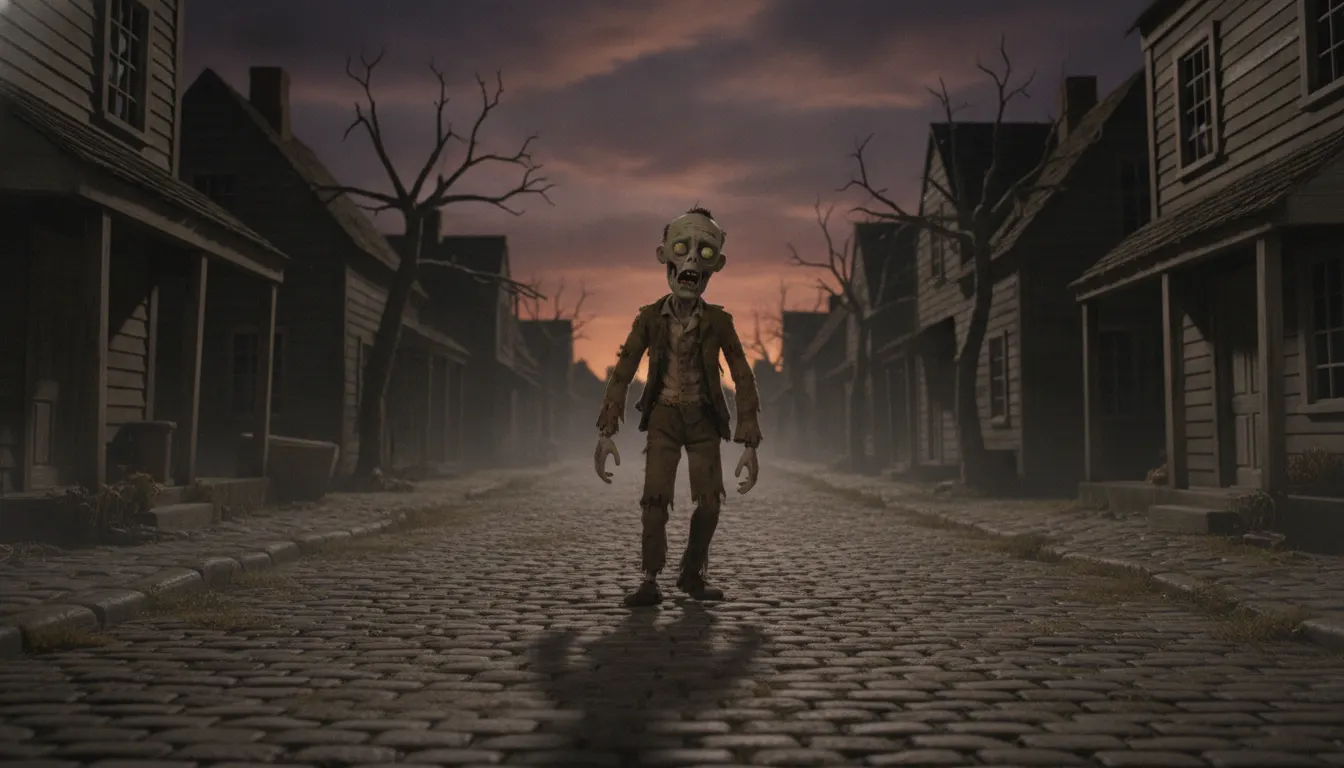
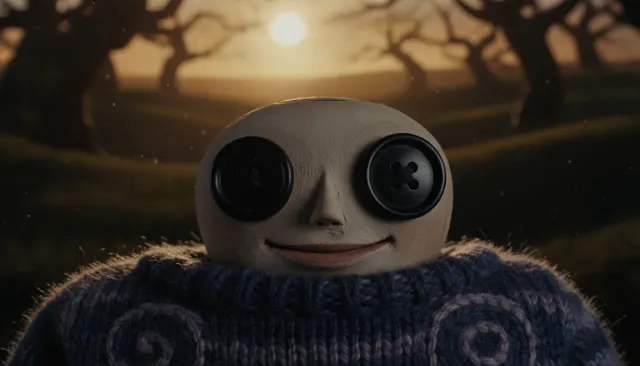
Laika ParaNorman New-England-witch puppet stop motion. Colonial cobblestone village, zombie-puppet decay, 3D-printed replacement faces, kid-horror tone.

stop-motionkid-horrorcolonialspooky
LUT laika-paranorman-mossy
WHEN TO USE
  • Halloween campaigns with a nostalgic 1980s horror-comedy register
  • Music videos and short films homaging Spielberg-era suburban supernatural horror
  • Gaming campaigns for horror titles with retro suburban or New England settings
  • Brand campaigns for vintage horror merchandise or 80s nostalgia products
  • Content targeting millennials with nostalgia for 1980s suburban culture and genre film
  • Short animation projects with clear horror-comedy genre ambition and caricatured design
WHEN NOT TO USE
  • Family content without horror tolerance - ParaNorman has genuinely frightening sequences
  • Prestige drama; caricature character design and genre-parody register undercut gravitas
  • Contemporary minimalist brand identities; the look is maximalist in its cultural references
  • Audiences without 1980s horror film cultural context to appreciate the homages
SIGNATURE TECHNIQUES

How the look is made.

The moves a human crew would use to get here. Cue applies them for you, and knowing their names is how you ask for a change.

  1. 01
    First full

    colour 3D-printed replacement faces enabling gradient blushes, pallor, and bruising across skin

  2. 02
    1980s suburban New England palette

    autumn orange, overcast grey, school-bus yellow, acid zombie green

  3. 03
    Aggressively caricatured puppet proportions with elongated limbs and social-type character design
  4. 04
    Dynamic camera moves including crash zooms and handheld

    style pushes rare in stop-motion

  5. 05
    Neon supernatural energy effects using coloured lighting and in-camera exposure manipulation
  6. 06
    Expressionist horror staging

    isolated figures in fog, shadow work, jump-cut editing rhythms

  7. 07
    Stop

    motion zombie design with decomposing flesh layers and costume deterioration animation

HISTORY & CONTEXT

Where it comes from.

Laika ParaNorman

A Love Letter to 1980s Horror in Stop-Motion

Sam Fell and Chris Butler's ParaNorman (2012) is Laika Studios' most genre-explicit film: a full-throated homage to 1980s supernatural horror films - John Carpenter's Halloween, Steven Spielberg's Poltergeist, Tobe Hooper's The Fog - filtered through the visual sensibility of a small New England town in perpetual autumn. It was also the first stop-motion film to use a full-colour 3D printing process for replacement faces, a breakthrough that enabled colour gradients - blushes, pallor, bruising - across facial surfaces that had previously been hand-painted.

Visual Characteristics

The palette is autumn orange and overcast grey, shot through with the acid green of zombie flesh and the neon pink-purple of supernatural energy effects. The fictional town of Blithe Hollow is a visual catalogue of 1980s New England suburban architecture: clapboard houses, autumn leaves banked against kerbs, school buses, VHS rental stores, and hardware shop signs. Production designer Nelson Lowry referenced Stephen King's fictional Maine towns extensively.

Character design in ParaNorman is aggressively caricatured - characters have elongated limbs, exaggerated facial features, and costume designs that read as social types (the jock, the dumb blonde, the nerdy kid, the put-upon parent). This exaggerated puppetry contrasts with the film's genuinely emotional climax, where the zombie witchhunt allegory lands with unexpected weight. The horror sequences use dynamic camera moves, crash zooms, and expressionist lighting rare in stop-motion.

Signature Techniques

  • First full-colour 3D-printed replacement faces enabling genuine colour gradients across puppet skin
  • 1980s suburban New England palette: autumn orange, overcast grey, school-bus yellow, acid zombie green
  • Caricatured puppet proportions with elongated limbs and exaggerated social-type character design
  • Dynamic camera moves including crash zooms and handheld-style pushes unusual in stop-motion
  • Neon supernatural energy effects using coloured lighting and in-camera exposure manipulation
  • Horror genre staging: expressionist shadow work, isolated figures in fog, jump-cut editing rhythms
  • Stop-motion zombie design: decomposing flesh, jutting bones, layered costume deterioration

When to Use

  • Halloween campaigns with a nostalgic 1980s horror-comedy register
  • Music videos and short films homaging the Spielberg-era suburban horror aesthetic
  • Gaming campaigns for horror titles with retro or suburban settings
  • Brand campaigns for vintage horror merchandise, VHS-aesthetic products, or 80s nostalgia brands
  • Short animation projects with a clear genre-horror ambition and caricatured character design
  • Content targeting millennials with nostalgia for 1980s suburban New England culture and genre film

When Not to Use

  • Family content without horror tolerance - ParaNorman is rated PG with genuinely frightening moments
  • Sophisticated or prestige drama; the caricature character design and genre parody register undercut gravitas
  • Contemporary minimalist brand identities; the aesthetic is maximalist in its genre references
  • Content for audiences without 1980s horror film cultural context

Notable Works

  • ParaNorman (2012, dir. Sam Fell and Chris Butler, Laika Studios)
  • First use of full-colour 3D facial printing in stop-motion history
  • Coraline (2009, dir. Henry Selick, Laika) - studio predecessor, darker fairy-tale register
  • Kubo and the Two Strings (2016, dir. Travis Knight, Laika) - later Laika, same puppet pipeline
  • John Carpenter's The Fog (1980) and Halloween (1978) - direct horror homage references
  • Steven Spielberg's Poltergeist (1982) - suburban horror visual reference
  • The Nightmare Before Christmas (1993, dir. Henry Selick) - shared caricature-puppet tradition
  • Frankenweenie (2012, dir. Tim Burton) - released same year, overlapping monster-kid aesthetic
NOTABLE WORKS

Where you have seen it.

ParaNorman (2012, dir. Sam Fell and Chris Butler, Laika Studios)

primary reference

First stop-motion film to use full-colour 3D facial printing

technical landmark

Coraline (2009, dir. Henry Selick, Laika)

studio predecessor in darker fairy-tale register

Kubo and the Two Strings (2016, Laika)

successor using same evolved puppet pipeline

Halloween and The Fog (1980, dir. John Carpenter)

1978

direct horror homage sources

Poltergeist (1982, dir. Tobe Hooper/Steven Spielberg)

suburban horror visual reference

Frankenweenie (2012, dir. Tim Burton)

same-year monster-kid aesthetic overlap

The Nightmare Before Christmas (1993, dir. Henry Selick)

shared caricature-puppet tradition

THE RECIPE

The exact knobs
the renderer turns.

A Look is not a filter. It is a set of stored decisions the pipeline reads before it makes a single frame, so two videos in the same Look actually match.
SettingValue
GradeColour LUT applied to every frame
laika-paranorman-mossy
TransitionHow one shot becomes the next
hard cuts · 220ms · ease-in-out
Ken BurnsCamera move applied to stills
Slow push · 0.025 · center
TypographyDisplay / body / mono pairing
Cormorant · Lora · Courier
Music moodWhat the bed under the voice sounds like
minor-key-strings · theremin-witch-tone
Prompt suffixAppended to every shot prompt in this Look
Laika ParaNorman puppet stop motion, New England colonial cobblestone village, zombie puppet decay, 3D printed replacement face animation, kid horror
PALETTE
Primary
#5C5A3A
Secondary
#3A3018
Accent
#9A4A2E
Text/Light
#1A1808
Text/Dark
#F0E2C0
BG 900
#0F0E05
BG 800
#1F1A0E
RELATED LOOKS

Next to it on the shelf.

All Stop Motion →

Your first cut
is on us.

+ New videoFree plan · no card · 1080p export