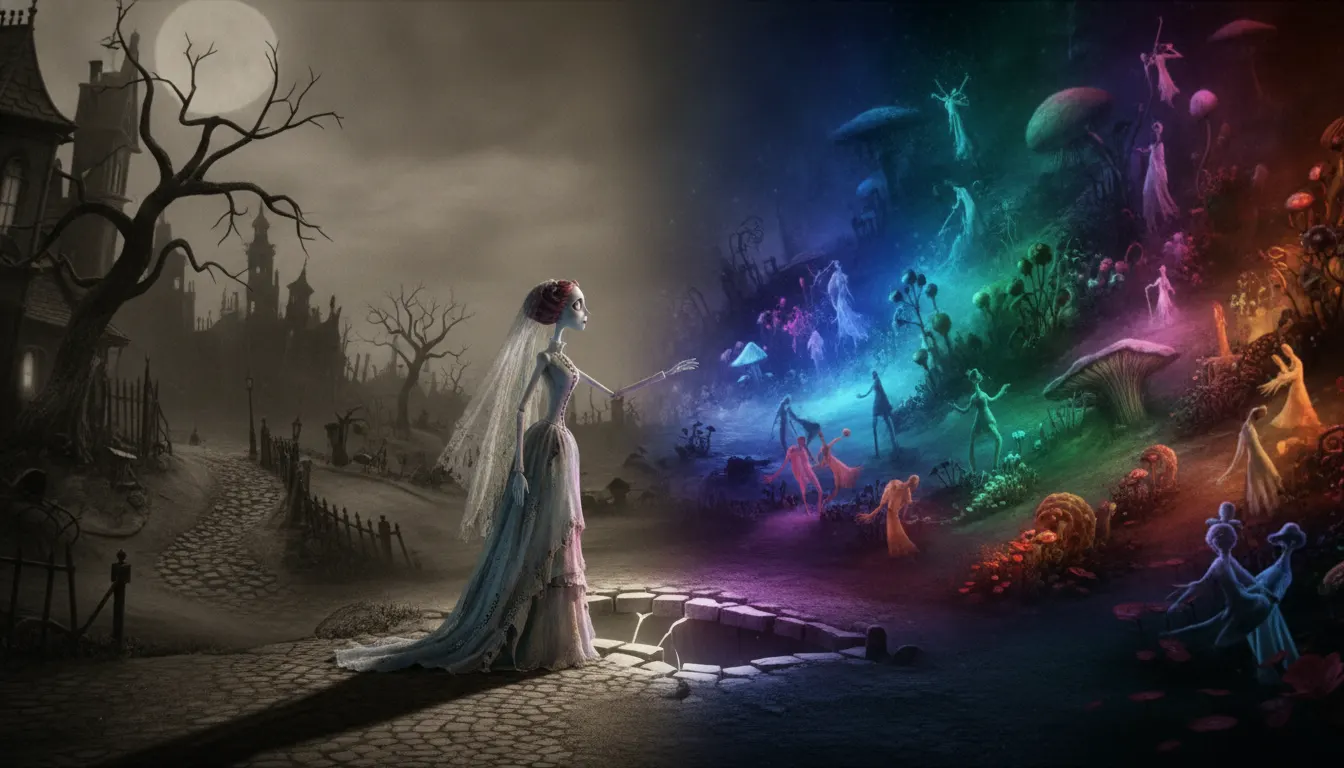
Corpse Bride (2005, dir. Tim Burton and Mike Johnson)
the primary reference
Tim Burton Corpse Bride gothic puppet stop motion. Victorian undead palette, willowy elongated puppets, monochrome land of the living, vivid land of the dead.
The moves a human crew would use to get here. Cue applies them for you, and knowing their names is how you ask for a change.
world chromatic inversion: desaturated grey living world vs. warm-saturated exuberant underworld
elongated limbs, angular jawlines, deep-set heavy-shadowed eyes
exposed ribcage, maggot resident, trailing hair in Emily's character
motion feature to shoot on digital DSLR rather than film photography
diagonal shadows and oppressive living-world architecture
Tim Burton and co-director Mike Johnson's Corpse Bride (2005) is the most tonally romantic film in Burton's stop-motion output, and the most visually sophisticated prior to the Laika era. The film is explicitly a companion piece to The Nightmare Before Christmas (1993), sharing its puppet aesthetic lineage, Danny Elfman musical collaboration, and Burton's characteristic interest in the aesthetics of death as liberation. Where Nightmare is Halloween-as-musical-comedy, Corpse Bride is a Victorian ghost story as romance.
The film's defining visual strategy is its chromatic world-split. The Land of the Living is rendered in grey, brown, and muted desaturated earth tones - the palette of Victorian England as imagined through the lens of German Expressionist cinema. Every human character in the living world is angular, repressed, and colour-drained. The Land of the Dead, by contrast, explodes with warm, saturated colour: jazz-club amber, Caribbean blue, bright flower-marigold orange. Death is more alive than life.
This inversion is the film's thematic argument made visible: the living characters, trapped in Victorian social convention, are emotionally dead; the dead, freed from social constraint, are exuberant, warm, and alive. The colour design by Alex McDowell translates ideology directly into hue. Puppet fabrication drew on the same armature-and-silicone techniques that Laika would later systematise, with the Mackinnon and Saunders studio in Altrincham, England fabricating the lead characters to exceptional standard.
the primary reference
direct predecessor
black-and-white Gothic stop-motion in same visual family
craft and construction reference
1920
German Expressionist set design reference
1922
angular Gothic architecture and light/shadow reference
same character design DNA in live-action
A Look is not a filter. It is a set of stored decisions the pipeline reads before it makes a single frame, so two videos in the same Look actually match.
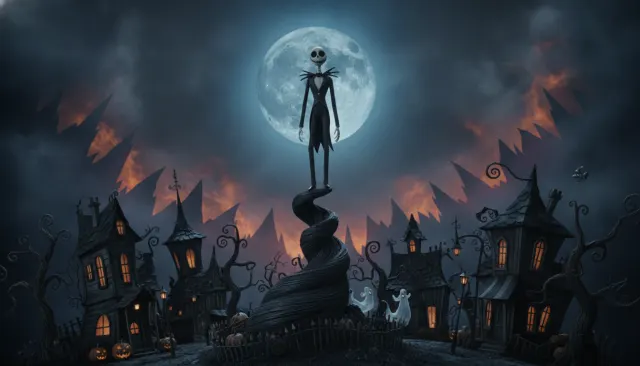 Puppet Stop MotionTim Burton Nightmare Before Christmas
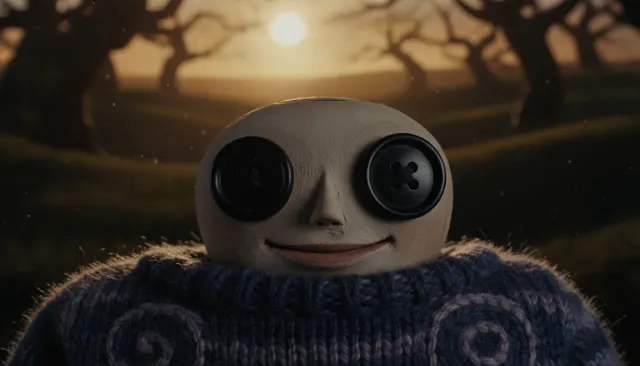 Laika ExpansionLaika Coraline Button Puppet
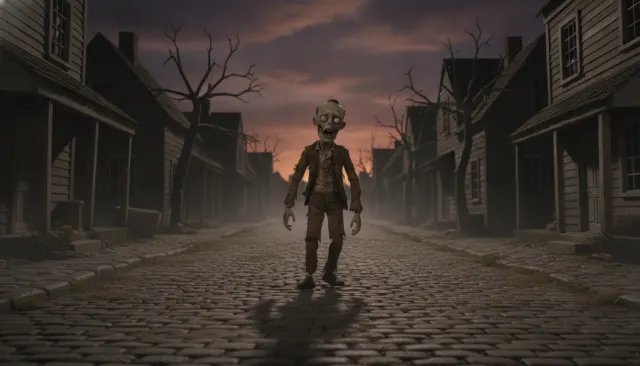 Puppet Stop MotionLaika ParaNorman
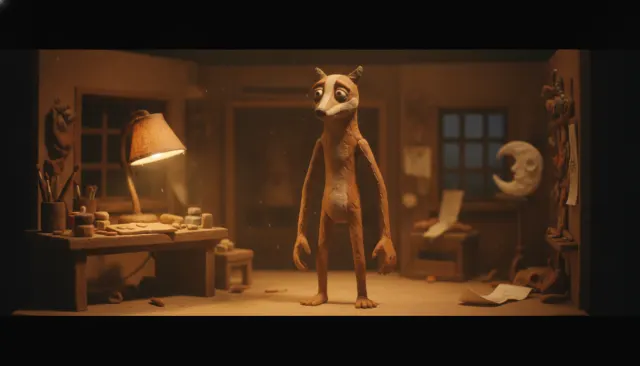 ClaymationPlasticine Classic Clay Puppet
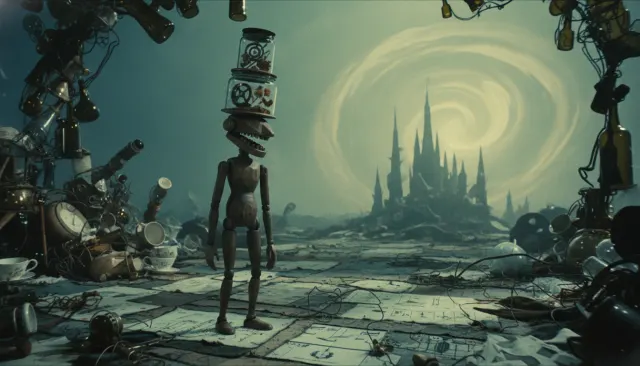 Traditional Puppet ExtendedCzech Svankmajer Surreal Puppet
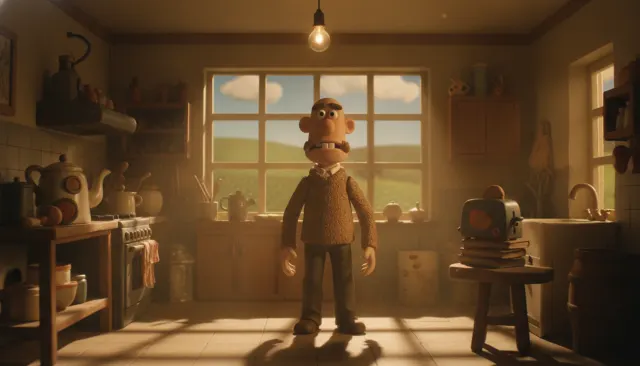 ClaymationAardman Wallace and Gromit Claymation
 Harryhausen DynamationRay Harryhausen Dynamation
 Laika ExpansionLaika Missing Link 2019