FAMILYSTOP MOTIONSUBFAMILYHARRYHAUSEN DYNAMATIONERA1960SREGIONUSA

Ray Harryhausen Dynamation

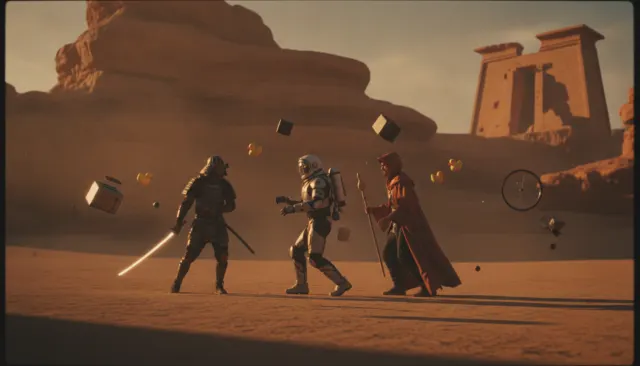
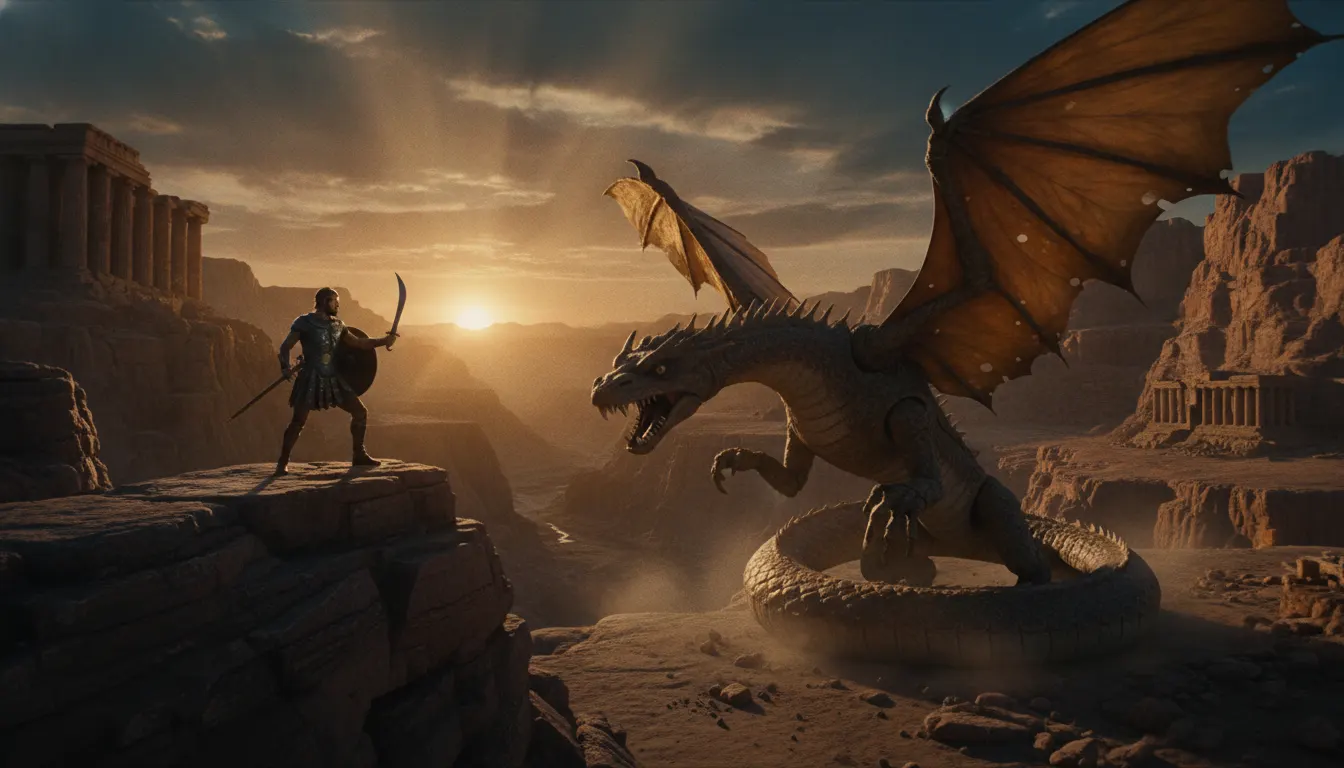
Ray Harryhausen Dynamation classic stop motion. Mythological creature puppets composited against live action, Sinbad and Clash of the Titans monster spectacle.

stop-motionclassicmythologicalmonster

Samples

Samples pending

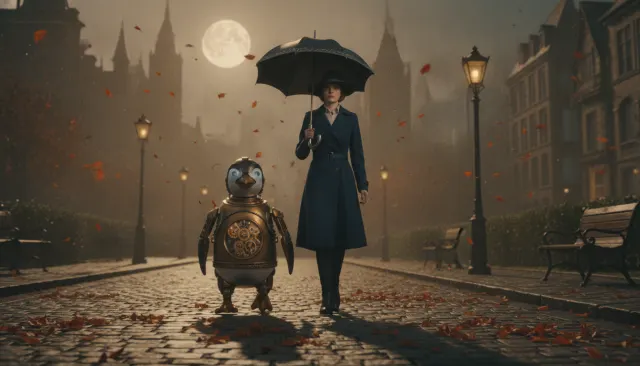
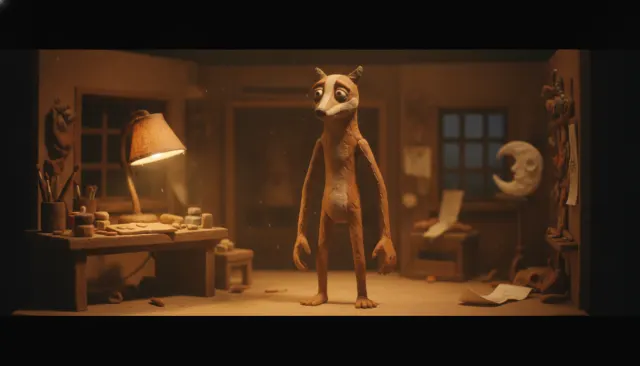
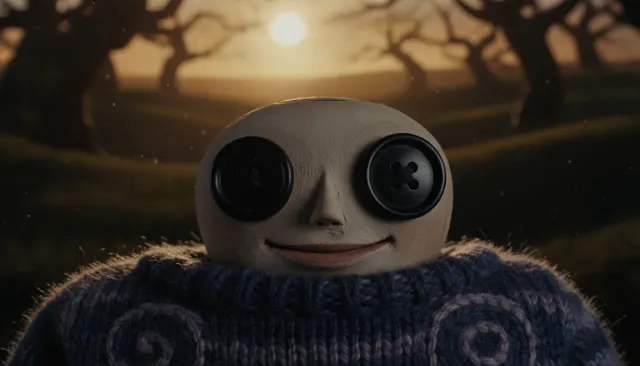
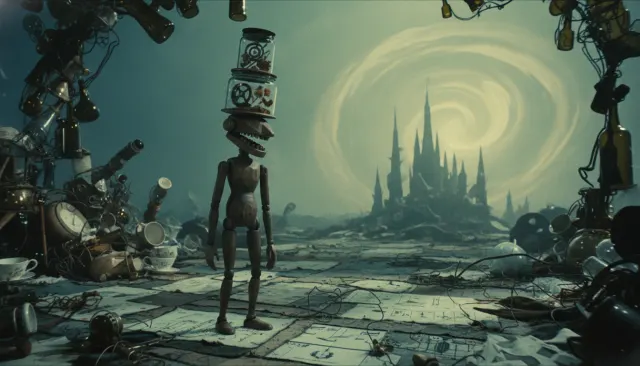
Visual reference frames for this look are being generated.

When to use
  • Nostalgia-driven content celebrating Golden Age Hollywood science fiction and fantasy
  • Genre film marketing for creature features, monster movies, or classical fantasy adventures
  • Retro-aesthetic campaigns drawing on 1950s-1980s science fiction visual culture
  • Title sequences or trailers for mythology-themed films, games, or theatrical productions
  • Music videos for rock, heavy metal, or fantasy artists drawing on classical monster imagery
  • Content celebrating practical effects over CGI as artistic and cultural value
  • Museum or cultural institution campaigns about film history and stop-motion animation
When not to use
  • Contemporary realism; Dynamation is historically specific and reads as period aesthetic
  • Children's content without ironic awareness - creature designs carry genuine menace
  • Brand campaigns requiring photorealistic contemporary creature representation
  • Fast-turnaround content; authentic Dynamation-style requires extensive model fabrication

Signature techniques

  • 01
    Rear โ€” projection Dynamation compositing: creature animated against projected live-action plate
  • 02
    Split โ€” screen matte work: live-action foreground elements masking creature for convincing depth
  • 03
    Latex โ€” over-armature model construction: articulated metal skeleton with layered latex skin
  • 04
    Single โ€” frame viewfinder animation: matching creature to live-action perspective in real time
  • 05
    Characteristic mechanical creature motion โ€” slightly smoother than organic live-action performance
  • 06
    Multi โ€” model simultaneous animation: the skeleton army used 7 separate models in one sequence
  • 07
    Practical in โ€” camera creature shadow and contact-point enhancement

History & context

Ray Harryhausen - Dynamation

The Man Who Made Monsters Move

Raymond Frederick Harryhausen (1920-2013) is the most influential practitioner of stop-motion creature animation in cinema history. His technique, which he trademarked as "Dynamation" and later "SuperDynamation," involved animating detailed metal armature and latex-skinned creature models against rear-projected live-action footage, then using a split-screen optical printer process to integrate the creature into the foreground of the shot. The result, at its best, creates the illusion of living creatures sharing physical space with human actors.

The Technique

Dynamation, as Harryhausen developed it across the 1950s-1980s, works in three stages. First, the live-action footage is shot with the actors performing against a blank or simple set, leaving physical space for the creature they'll appear to interact with. Second, Harryhausen animates his model frame-by-frame against a rear-projected version of that footage, watching through his camera viewfinder to match the creature's position to the perspective and lighting of the plate. Third, the two elements are optically combined, with masking matte work to create the appearance of the creature passing behind live-action foreground elements.

The visual signature of Dynamation is the quality of the creature animation itself: Harryhausen's models move with a characteristic slightly mechanical quality, their motion slightly smoother than the human performers they share frames with. This is not a flaw - it is now the defining quality of the aesthetic, immediately recognisable to anyone who grew up with these films.

Signature Techniques

  • Rear-projection compositing: creature animated against projected live-action plate footage
  • Split-screen matte work: live-action foreground elements masking parts of the creature for depth
  • Latex-over-armature model construction: articulated metal skeleton with layered latex skin
  • Single-frame viewing: animating while watching through camera viewfinder to match live-action perspective
  • Characteristic mechanical creature motion: slightly smoother movement than organic live-action performance
  • Multi-creature simultaneous animation: the skeleton army sequence used 7 separate animated models
  • Practical in-camera effects integration: creature shadows, dust, and contact points enhanced practically

When to Use

  • Nostalgia-driven content celebrating Golden Age Hollywood science fiction and fantasy
  • Genre film marketing for creature features, monster movies, or classical fantasy adventures
  • Retro-aesthetic campaigns for gaming, entertainment, or brand campaigns drawing on 1950s-1980s sci-fi
  • Title sequences or trailers for mythology-themed films, games, or theatrical productions
  • Music videos for rock, heavy metal, or fantasy-adjacent artists drawing on classical monster imagery
  • Editorial and commercial content celebrating practical effects over CGI as artistic and cultural value
  • Museum or cultural institution campaigns about film history, special effects, or stop-motion animation

When Not to Use

  • Contemporary realism; the Dynamation look is historically specific and reads as period
  • Children's content without ironic awareness - the creature designs carry genuine menace
  • Brand campaigns requiring photorealistic contemporary creature representation
  • Fast-turnaround content; authentic Dynamation-style execution requires extensive model fabrication

Notable Works

  • Jason and the Argonauts (1963, dir. Don Chaffey) - skeleton army sword fight, widely considered the greatest stop-motion sequence ever filmed
  • Clash of the Titans (1981, dir. Desmond Davis) - Medusa sequence, Harryhausen's last major work and personal favourite
  • The 7th Voyage of Sinbad (1958, dir. Nathan H. Juran) - Cyclops and dragon, first full-colour Harryhausen feature
  • One Million Years B.C. (1966, dir. Don Chaffey) - Raquel Welch and prehistoric creature battles
  • The Beast from 20,000 Fathoms (1953, dir. Eugene Lourie) - Harryhausen's breakthrough solo creature work
  • King Kong (1933, dir. Merian C. Cooper) - Willis O'Brien's foundational work that inspired Harryhausen
  • Jurassic Park (1993, dir. Steven Spielberg) - the film that ended the Dynamation era by demonstrating CGI superiority
  • Clash of the Titans (2010 remake) - CGI homage acknowledging Harryhausen's original

Notable works

Jason and the Argonauts (1963, dir. Don Chaffey)

skeleton army sword fight, the defining Harryhausen sequence

Clash of the Titans (1981, dir. Desmond Davis)

Medusa sequence, Harryhausen's personal favourite

The 7th Voyage of Sinbad (1958, dir. Nathan H. Juran)

first full-colour Harryhausen feature

One Million Years B.C. (1966, dir. Don Chaffey)

prehistoric creature battle sequences

The Beast from 20,000 Fathoms (1953, dir. Eugene Lourie)

Harryhausen's breakthrough solo work

King Kong (1933, dir. Merian C. Cooper)

Willis O'Brien foundational work that inspired Harryhausen

Jurassic Park (1993, dir. Steven Spielberg)

the CGI film that ended the Dynamation era

Aesthetic recipe

The exact knobs the renderer turns to produce this look.

Palette
Primary
#A85A3E
Secondary
#5C3A1E
Accent
#3A6A8F
Text/Light
#2A1408
Text/Dark
#F0DCB0
BG 900
#1A0E05
BG 800
#2A1808
Typography
Display
Cooper Hewitt
Body
Lora
Mono
Courier
Music moods
bernard-herrmann-stringsbrass-heroic-fanfare
Transition

hard cuts at 220ms, linear

Ken Burns

Slow push (0.03, center)

Grade LUT

harryhausen-period-amber

Generate a video in the Ray Harryhausen Dynamation look

Ray Harryhausen Dynamation classic stop motion. Mythological creature puppets composited against live action, Sinbad and Clash of the Titans monster spectacle.