FAMILYSTOP MOTIONSUBFAMILYPIXILATION PEOPLEERACONTEMPORARYREGIONINTERNATIONAL

Pixilation Stop Motion People

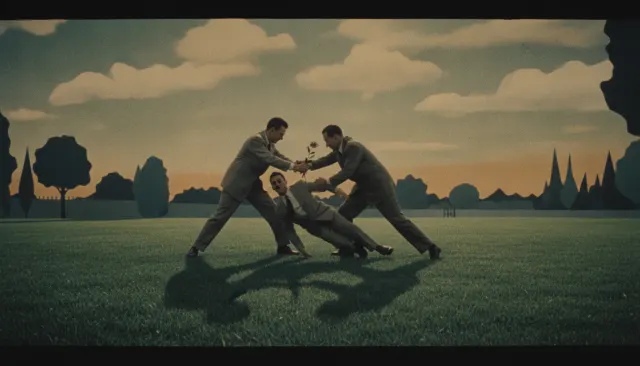
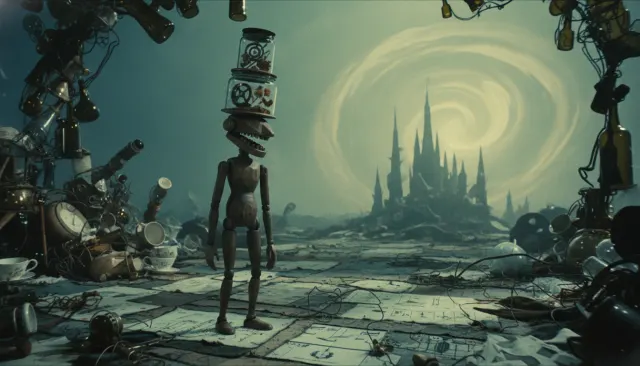
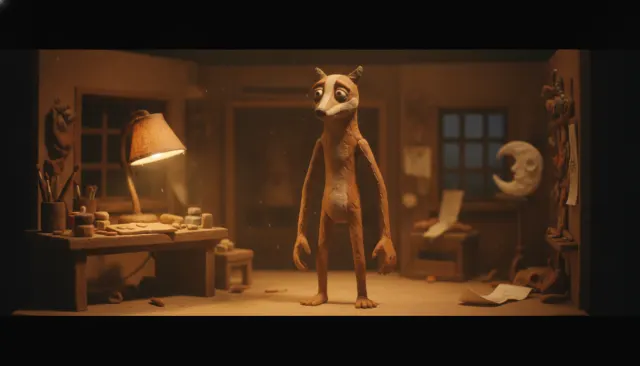
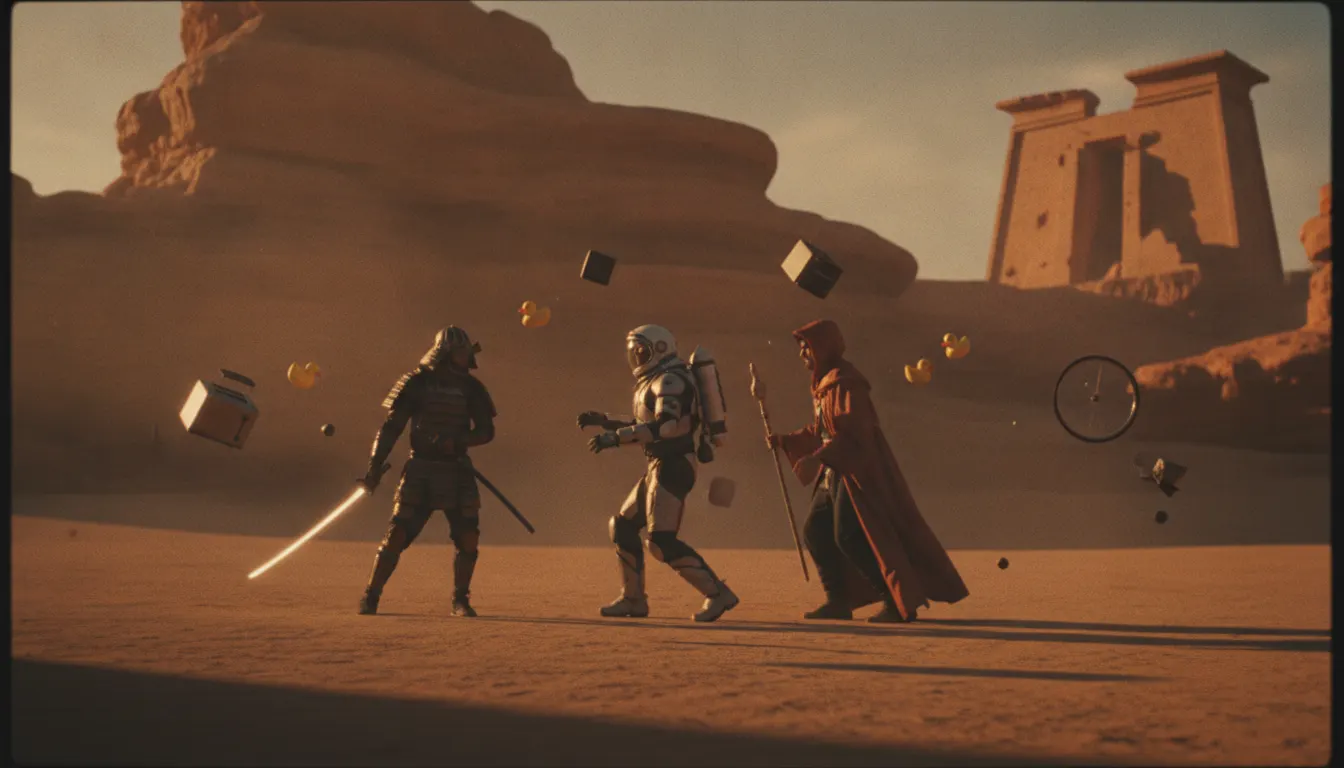
Pixilation stop motion using real people frame-by-frame. Jerky human motion, costume jumps, props appearing mid-air, classic film-school technique.

stop-motionpixilationexperimentalhuman

Samples

Samples pending

Visual reference frames for this look are being generated.

When to use
  • Music videos for indie, electronic, or experimental artists wanting handcrafted visual identity
  • Short films and experimental animation exploring movement, time, and physical impossibility
  • Commercial advertising for brands celebrating creativity, play, or convention-breaking
  • Social media content where the visual trick creates immediate shareability
  • Fashion or lifestyle campaigns differentiating from polished over-produced CGI
  • Title sequences for comedies or whimsical brand identity projects
  • Educational content about animation history, time manipulation, or filmmaking technique
When not to use
  • Productions requiring emotional naturalism from human performers
  • News, documentary, or journalism contexts where staging raises ethical questions
  • Tight turnaround projects; pixilation requires extensive frame-by-frame planning and rehearsal
  • Content for audiences who might not distinguish deliberate pixilation from technical error

Signature techniques

  • 01
    Frame โ€” hold positioning: subjects freeze completely between camera exposures
  • 02
    Gliding locomotion โ€” apparent ground movement without natural walking mechanics
  • 03
    Gravity manipulation โ€” levitation, floating, and mid-air frozen positions
  • 04
    Temporal compression and expansion โ€” time-controlled frame-count sequencing
  • 05
    Object โ€” human parallel animation: people and props treated identically in the same frame
  • 06
    Reverse โ€” motion integration: sequences run backward within pixilated material
  • 07
    Crowd pixilation โ€” multiple subjects coordinated across simultaneous positions

History & context

Pixilation - Stop-Motion People

Humans as Puppets

Pixilation is the stop-motion animation of living people, treated exactly as if they were inanimate objects. Instead of moving naturally through continuous time, pixilated subjects hold static positions between camera frames, creating movement only in the intervals between shots. The technique was named and systematised by Norman McLaren at the National Film Board of Canada in the 1950s, though its roots extend to the trick films of Georges Melies in the 1890s.

The fundamental effect of pixilation is disquieting and compelling in equal measure: human beings, stripped of their continuous motion, become mechanical, puppet-like, dream-like. Gravity behaves incorrectly. Distance is covered without walking. Physical impossibilities are achieved - levitation, teleportation, walking through walls - through nothing more than frame selection.

Visual Characteristics

Pixilation exists on a spectrum from subtle to extreme. Subtle pixilation removes only some frames, creating a slightly staccato, accelerated human movement that reads as uncanny but still roughly naturalistic. Extreme pixilation treats humans completely as stop-motion objects - positions are held completely between frames, movement is entirely mechanical, and natural human motion is fully eliminated.

The aesthetic signature depends heavily on the environment. Pixilation in real locations (streets, parks, offices) creates a surreal quality where familiar spaces become stages for impossible movement. Pixilation in constructed sets or abstract environments pushes toward pure formal experiment. Sound design is crucial: pixilated movement against natural ambient sound amplifies the uncanny contrast between still-frame animation and living space.

Signature Techniques

  • Frame-hold positioning: subjects freeze completely between camera exposures
  • Gliding locomotion: apparent movement across ground without natural walking mechanics
  • Gravity manipulation: apparent levitation, floating, and mid-air freezing
  • Temporal compression/expansion: actions that take seconds or hours completed in controlled frame counts
  • Object-human parallel animation: people and props animated in the same frame at the same scale
  • Reverse-motion integration: sequences played backward and forward within pixilated material
  • Crowd pixilation: multiple subjects coordinated across dozens of simultaneous positions

When to Use

  • Music videos for indie, electronic, or experimental artists wanting handcrafted visual identity
  • Short films and experimental animation work exploring movement, time, and physical impossibility
  • Commercial advertising for brands celebrating creativity, play, or rule-breaking
  • Social media content where the visual trick creates immediate shareability
  • Title sequences for comedies or whimsical projects
  • Fashion or lifestyle campaigns wanting to differentiate from polished CGI production
  • Educational content about animation history, time manipulation, or filmmaking technique

When Not to Use

  • Productions requiring emotional naturalism from human performers
  • News, documentary, or journalism contexts where staging raises ethical questions
  • Content with tight turnaround budgets; pixilation requires extensive frame-by-frame planning and rehearsal
  • Content for audiences who might not distinguish pixilation from technical error

Notable Works

  • Neighbours (1952, dir. Norman McLaren, NFB Canada) - defining pixilation masterwork, Academy Award winner
  • A Chairy Tale (1957, dir. Norman McLaren and Claude Jutra) - furniture and human pixilation dialogue
  • Star Guitar (2002, Chemical Brothers, dir. Michel Gondry) - landscape pixilation architecture
  • Around the World (1997, Daft Punk, dir. Michel Gondry) - choreographed human pixilation
  • Fell in Love with a Girl (2002, White Stripes, dir. Michel Gondry) - LEGO-pixilation hybrid
  • Tony vs Paul (2009, dir. Tony Fiandaca) - modern slapstick pixilation short
  • Georges Melies trick films (1896-1914) - earliest systematic pixilation experiments
  • PES short films (Fresh Guacamole, 2012) - object-focused pixilation for food stop-motion

Notable works

Neighbours (1952, dir. Norman McLaren, NFB Canada)

defining masterwork, Academy Award winner

A Chairy Tale (1957, dir. Norman McLaren and Claude Jutra)

furniture-human pixilation

Star Guitar (2002, Chemical Brothers, dir. Michel Gondry)

landscape pixilation architecture

Around the World (1997, Daft Punk, dir. Michel Gondry)

choreographed human pixilation

Fell in Love with a Girl (2002, White Stripes, dir. Michel Gondry)

LEGO-pixilation hybrid

Tony vs Paul (2009, dir. Tony Fiandaca)

modern pixilation slapstick short

Georges Melies trick films (1896-1914)

earliest systematic pixilation experiments

Aesthetic recipe

The exact knobs the renderer turns to produce this look.

Palette
Primary
#3A4A5C
Secondary
#1F2A3A
Accent
#E89A4E
Text/Light
#0F1F2E
Text/Dark
#FFE8C0
BG 900
#080F1A
BG 800
#0F1F2E
Typography
Display
Archivo
Body
Inter
Mono
JetBrains Mono
Music moods
jaunty-clarinettoy-piano-march
Transition

hard cuts at 160ms, linear

Ken Burns

Static frames

Grade LUT

pixilation-neutral-handmade

Generate a video in the Pixilation Stop Motion People look

Pixilation stop motion using real people frame-by-frame. Jerky human motion, costume jumps, props appearing mid-air, classic film-school technique.