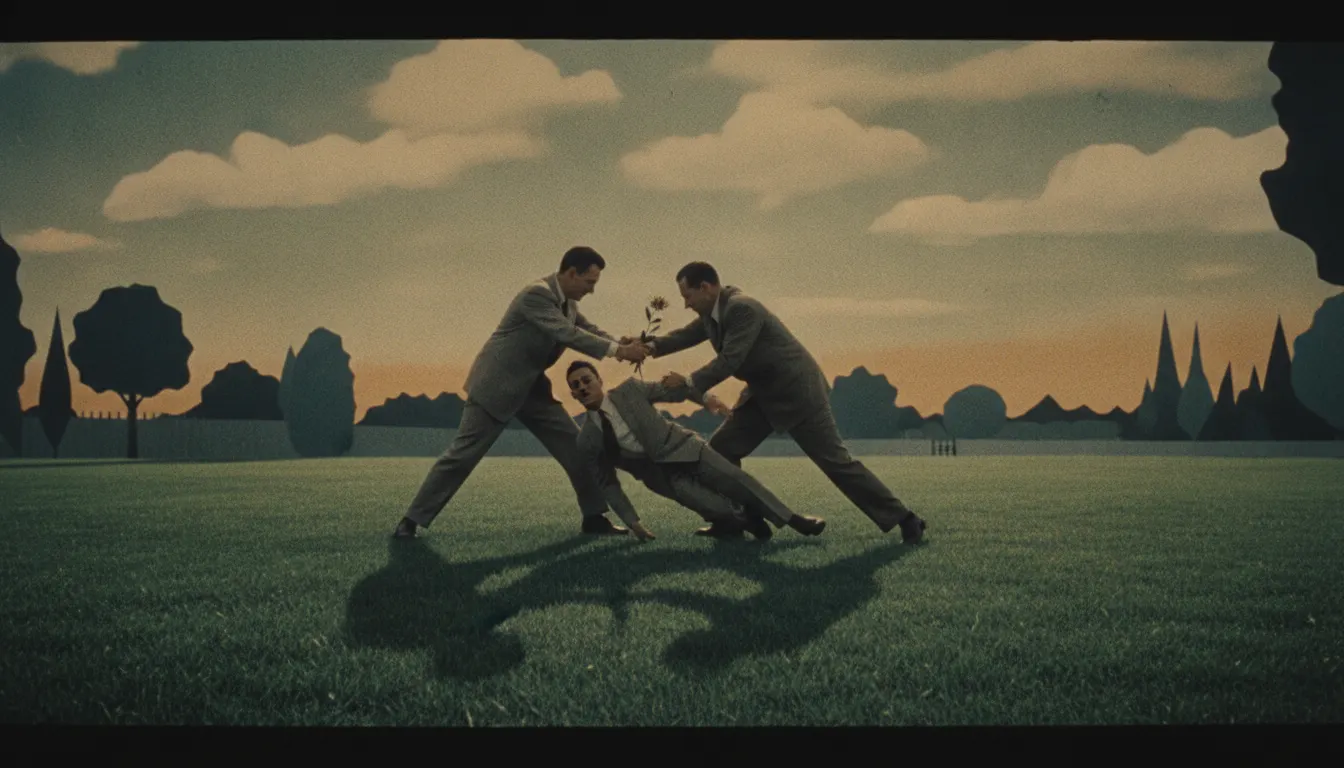
Neighbours (1952, dir. Norman McLaren, NFB Canada)
Academy Award winner, the definitive work
Norman McLaren Neighbours pixilation classic. NFB Canada Oscar-winning anti-war short, real people stepped frame-by-frame, jerky violence on lawn.
The moves a human crew would use to get here. Cue applies them for you, and knowing their names is how you ask for a change.
frame-by-frame animation of living performers producing mechanical movement
subjects slide across ground without natural leg movement
performers floating and flying through controlled frame-by-frame positions
motion rebirth loops: destruction and death depicted then run backward as ironic renewal
sparse staging reinforcing allegorical rather than documentary reading
movement becomes more inhuman as violence escalates
Norman McLaren's Neighbours (1952), produced at the National Film Board of Canada, is the defining work of the pixilation technique - the frame-by-frame animation of living humans treated as stop-motion objects. McLaren, the Scottish-born experimental filmmaker who spent the majority of his career at the NFB in Montreal, had been developing pixilation techniques since the 1940s, but Neighbours represents the technique's mature and most politically potent expression. The film won the Academy Award for Best Documentary Short in 1953, an anomalous category placement that reflects the genuine confusion the film created about what kind of work it was.
Neighbours runs approximately eight minutes and depicts two neighbours who come into violent conflict over a single flower growing on their shared property line. The film was explicitly anti-war, made during the Korean War, and McLaren shot it using pixilation to achieve a deliberately unnatural, unsettling effect: the human performers (Grant Munro and Jean-Paul Ladouceur) glide across the ground without walking, fly through the air, rebuild their destroyed fences in reverse motion, and die and are reborn in repeated loops. The violence escalates in increasingly abstracted pixilation sequences.
The pixilation in Neighbours creates a specific visual register: human figures that move with mechanical certainty through space, as if animated from above like chess pieces. The lack of natural walking movement removes the performance naturalness that makes live-action actors relatable; the pixilated humans become symbols or pawns. McLaren shot on a sparse suburban set with minimal props - a white picket fence, a flower, two identical houses - that reinforces the symbolic rather than documentary reading of the imagery.
Academy Award winner, the definitive work
pixilation with furniture
optical printing cousin to pixilation
contemporary inheritor of McLaren's frame-architecture
comprehensive retrospective documentation
historical ancestor of the pixilation impulse
A Look is not a filter. It is a set of stored decisions the pipeline reads before it makes a single frame, so two videos in the same Look actually match.
 Pixilation PeopleMichel Gondry Pixilation Music Video
 Pixilation PeoplePixilation Stop Motion People
 Mixed Media Stop MotionLive Action Stop Motion Hybrid
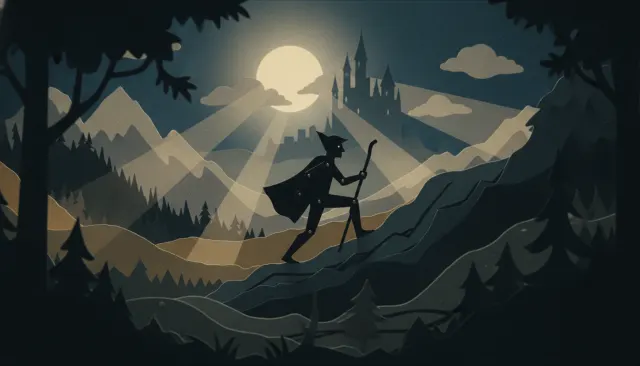 Paper Craft Stop MotionPaper Cutout Stop Motion Classic
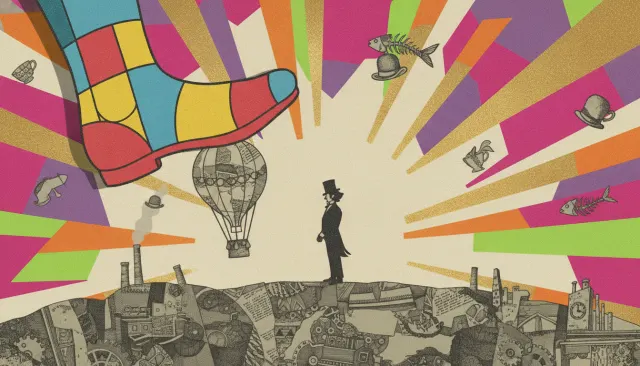 Paper Craft Stop MotionTerry Gilliam Monty Python Paper Cutout
 Harryhausen DynamationRay Harryhausen Dynamation
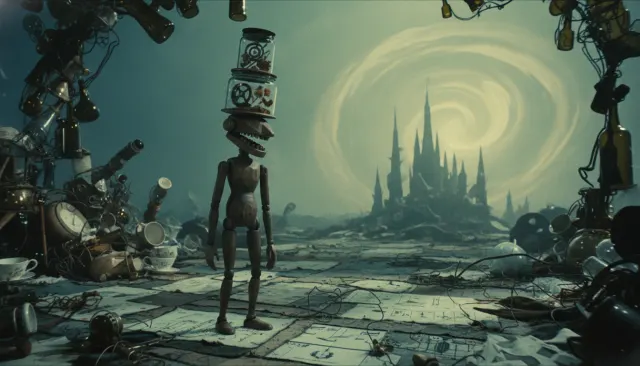 Traditional Puppet ExtendedCzech Svankmajer Surreal Puppet