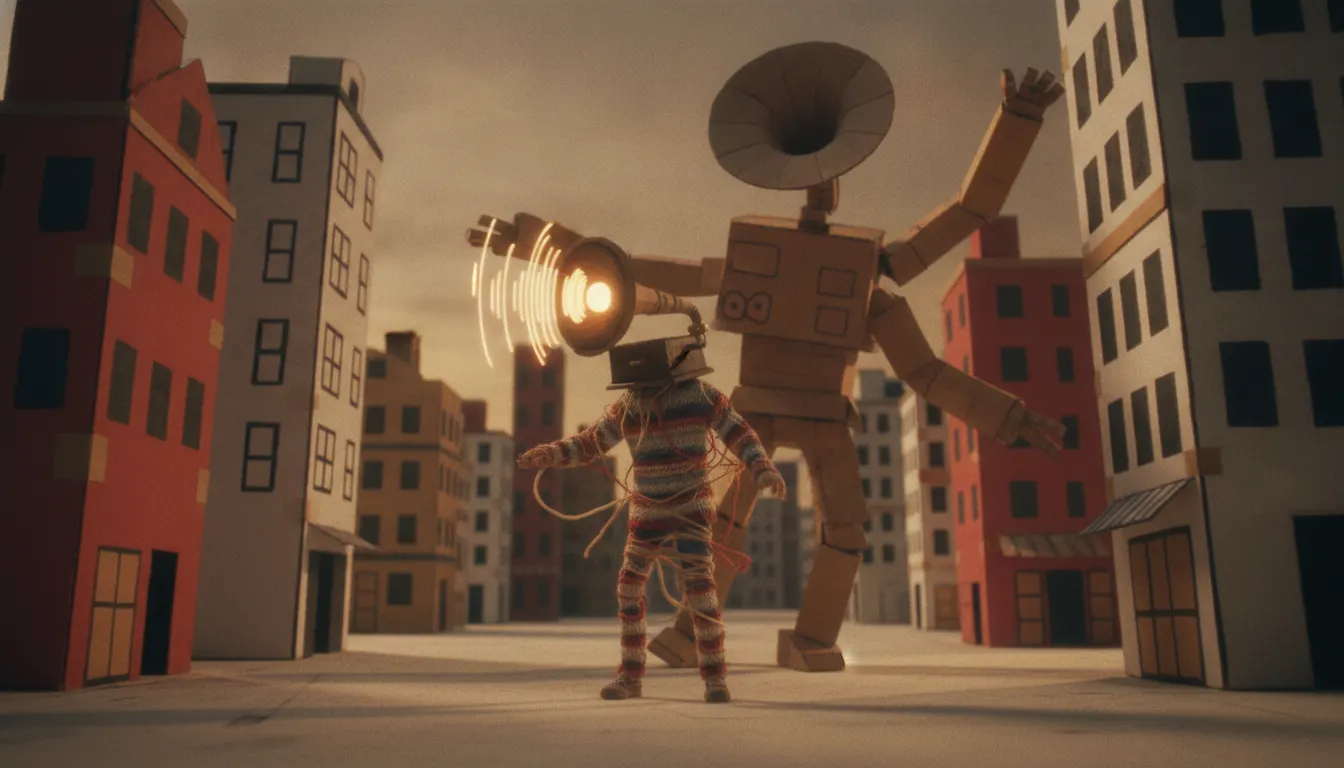
Star Guitar (2002, Chemical Brothers, dir. Michel Gondry)
landscape-as-music masterwork
Michel Gondry handcrafted pixilation music video. Cardboard-prop transformations, sweater-knit time-lapse, DIY craft surrealism, White-Stripes era charm.
The moves a human crew would use to get here. Cue applies them for you, and knowing their names is how you ask for a change.
frame-by-frame animation of living humans and real objects in real environments
environment elements timed to specific track elements
camera optical tricks: forced perspective, physical set manipulation, practical scale changes
screen palindrome construction: simultaneous forward and reverse timelines
based creativity: achieving impossible effects through planning not CGI
logic staging: objects behaving unexpectedly, scale shifting, physics bending practically
time-use set construction from cardboard, fabric, and practical materials
Michel Gondry, the French director born in Versailles in 1963, is the defining practitioner of pixilation and in-camera trickery in music video history. His work for artists including Bjork, the Chemical Brothers, Daft Punk, Radiohead, Cibo Matto, and the White Stripes established a visual language built on a single principle: achieve through practical human ingenuity what others would do digitally. Gondry's background in drumming and mechanical problem-solving is visible in every frame - his videos feel assembled, wound up, and released rather than rendered.
Star Guitar (2002, Chemical Brothers): Gondry's most technically precise pixilation work. Shot from a train window, the video synchronises every element of the passing French landscape - telephone poles, houses, bridges, pylons, factories - to the drum, bass, and synth elements of the track. Buildings appear on the beat. Trees are counted in triplets. The video took weeks of location scouting and mathematical pre-planning to execute. It is the purest expression of Gondry's music-as-architecture philosophy.
Sugar Water (1996, Cibo Matto): A split-screen video with two simultaneous timelines, one running forward and one backward, that meet perfectly at the exact midpoint of the track. Gondry shot the video twice - once forward, once choreographed in reverse - then composited the two timelines. The synchronisation required precise rehearsal documentation and meticulous music analysis.
Everlong (1997, Foo Fighters): Dream-logic narrative with seamless in-camera shrinking and growing effects, telephone manipulation, and stop-motion hand and object animation. Gondry's visual grammar for dream states - objects that behave unexpectedly, scale that shifts without warning.
landscape-as-music masterwork
palindrome split-screen pixilation
dream-logic in-camera scale tricks
choreographed pixilation archetypes
LEGO-animation hybrid
pixilation accumulation loop
early forest creature pixilation work
2003
definitive technique documentation
A Look is not a filter. It is a set of stored decisions the pipeline reads before it makes a single frame, so two videos in the same Look actually match.
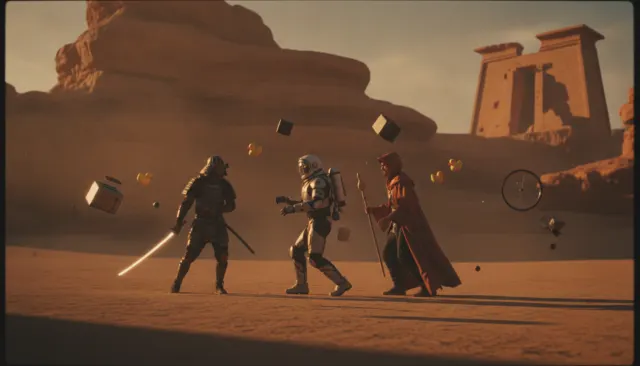 Pixilation PeoplePixilation Stop Motion People
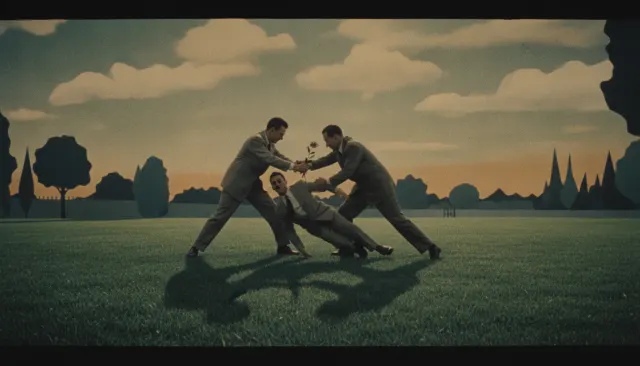 Pixilation PeopleNeighbors McLaren Pixilation
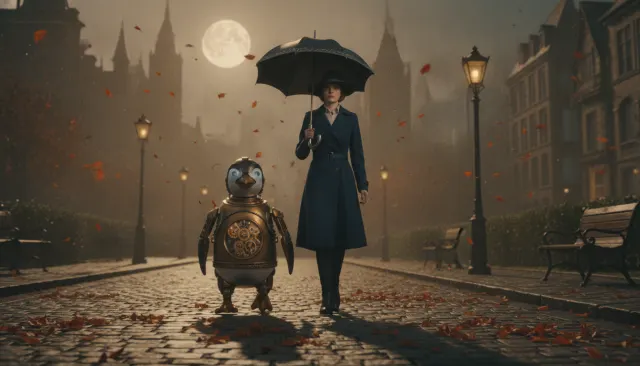 Mixed Media Stop MotionLive Action Stop Motion Hybrid
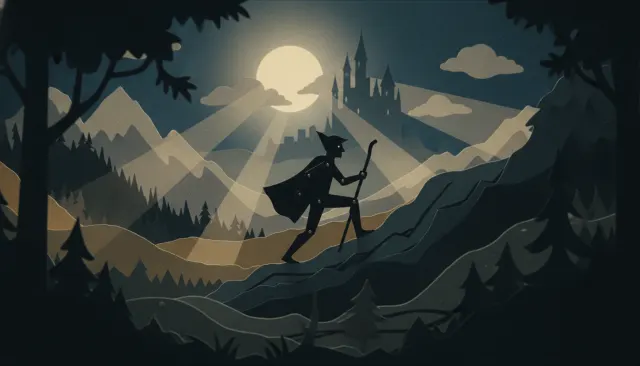 Paper Craft Stop MotionPaper Cutout Stop Motion Classic
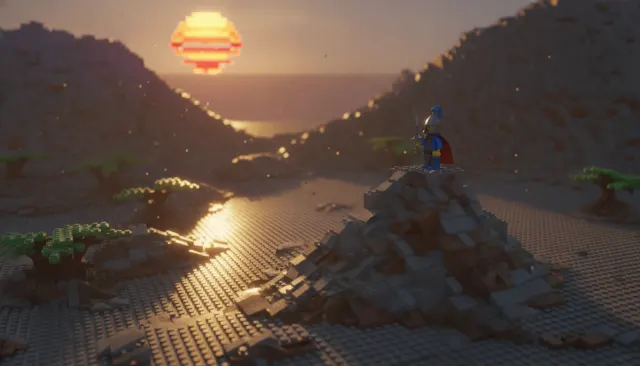 Mixed Media Stop MotionLego Brickfilm Stop Motion
 Paper Craft Stop MotionPop-Up Book Stop Motion
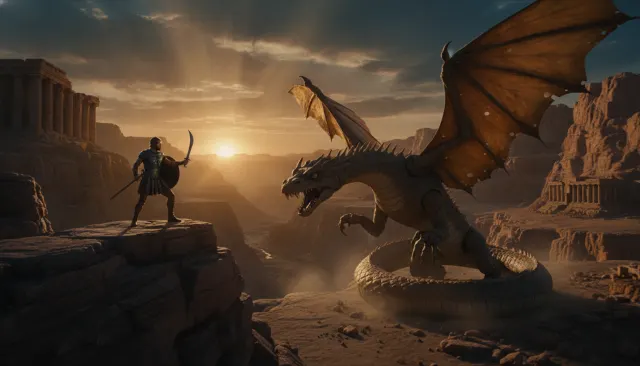 Harryhausen DynamationRay Harryhausen Dynamation