MIXED MEDIA STOP MOTION · CONTEMPORARY · INTERNATIONAL

Lego Brickfilm Stop Motion

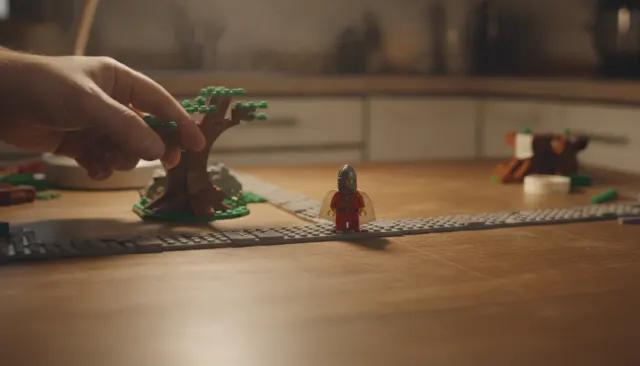
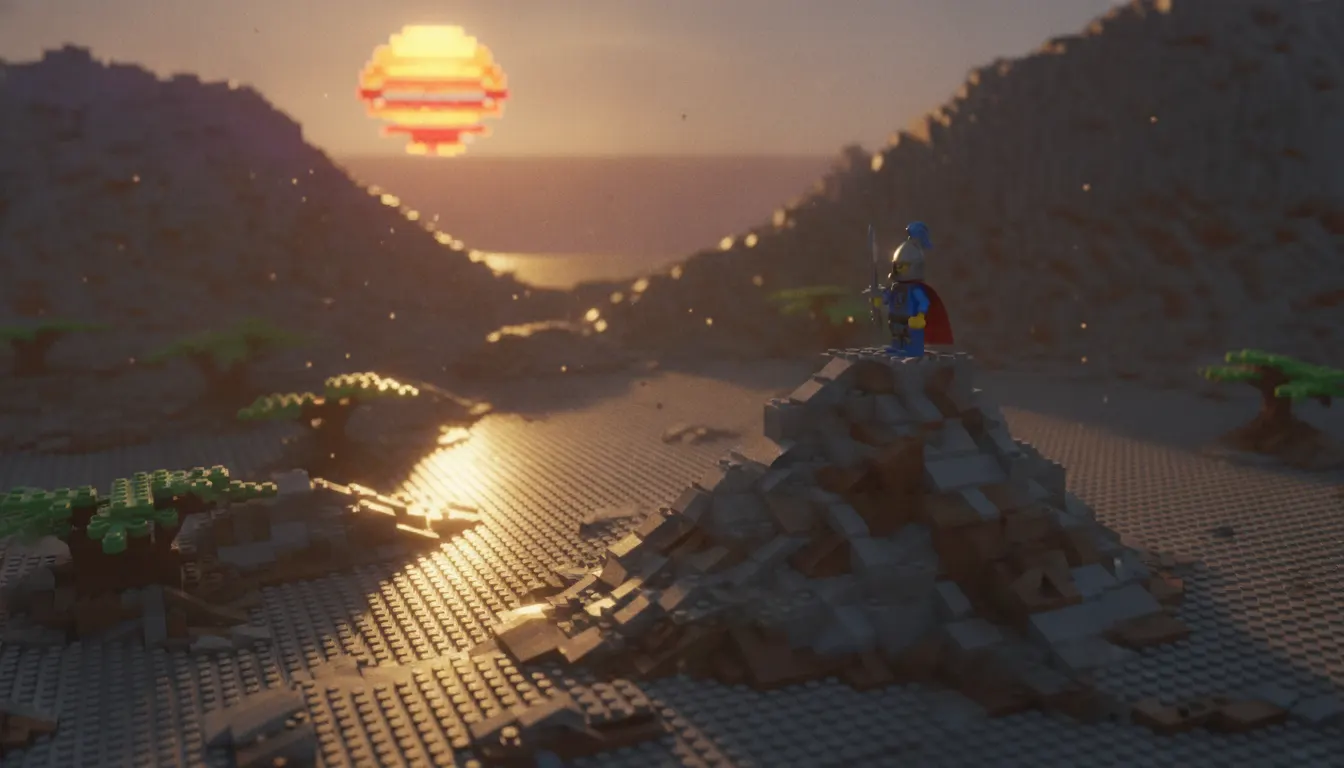
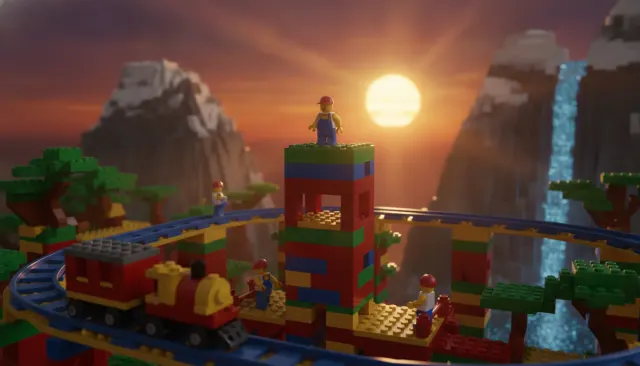
Lego brickfilm stop motion. Minifigure puppet animation, brick-built sets, fan-made YouTube brickfilm aesthetic, satisfying brick clicks and rebuild reveals.

stop-motionlegobrickfilmtoy
LUT lego-brick-saturated
WHEN TO USE
  • LEGO brand content, marketing, and fan community engagement
  • YouTube creator content for gaming, pop-culture parody, or educational explainers
  • Children's educational content using accessible and recognisable visual language
  • Nostalgic brand campaigns referencing childhood, making, and hands-on creativity
  • Social media shorts using brickfilm aesthetic to stand out from polished content
  • Product launches for toy, construction, or building-themed brands
  • Content celebrating maker culture, DIY creativity, or hands-on craft communities
WHEN NOT TO USE
  • Premium luxury brand campaigns where amateur aesthetic undermines brand positioning
  • Content requiring human emotional nuance - minifigures have limited facial range
  • Serious drama, documentary, or news-adjacent content
  • Brand campaigns where visual imperfection reads as low-budget rather than authentic
SIGNATURE TECHNIQUES

How the look is made.

The moves a human crew would use to get here. Cue applies them for you, and knowing their names is how you ask for a change.

  1. 01
    Frame

    by-frame minifigure animation with characteristic between-frame position jitter

  2. 02
    Stud

    grid flooring and wall plates as the fundamental compositional element

  3. 03
    Hard practical lighting from desk lamps casting strong shadows on LEGO surfaces
  4. 04
    Classic LEGO colour palette

    brick red, blue, yellow, green, white, black

  5. 05
    Replacement

    head expression technique: swapping face-print heads between frames for emotion

  6. 06
    Brick

    built sets from available creator inventory at appropriate minifigure scale

  7. 07
    Shallow consumer

    lens depth-of-field isolating minifigure subjects

HISTORY & CONTEXT

Where it comes from.

LEGO Brickfilm Stop-Motion

The Original Brick Animation Tradition

Before The LEGO Movie (2014) brought brick animation into CG, there was the brickfilm - genuine stop-motion footage shot one frame at a time using real LEGO bricks, minifigures, and consumer cameras. The brickfilm community, active since the early 2000s on platforms like Brickfilms.com and later YouTube, developed a distinct visual language that both predates and informs the CG aesthetic. Key practitioners - Jason Boyle, Forrest Whaley, David Pagano - established conventions that millions of creators have followed.

Visual Characteristics

The authentic brickfilm look is defined by its imperfections: slight variations in minifigure position between frames creating a characteristic "jitter," desk-lamp or household-lighting setups casting hard shadows across stud-pattern floors, background sets built to available brick inventory rather than perfect design intent. Depth-of-field is shallow because consumer lenses are used close-up. Colour is bright and plastic-saturated: primary LEGO colours (red, blue, yellow, green, white, black) dominate. Minifigure hair pieces, costume designs, and face prints anchor character identity.

The brickfilm aesthetic has evolved with creator sophistication: more recent high-end brickfilms use macro lenses, controlled studio lighting, and sophisticated replacement-expression techniques (swapping minifigure heads between frames). But the core visual grammar remains: the stud grid as ground plane, the clicked-together joint as gesture vocabulary, the minifigure scale as a limit that demands creative staging.

Signature Techniques

  • Frame-by-frame minifigure animation with characteristic position jitter between frames
  • Stud-grid flooring and wall plates as the fundamental compositional element
  • Hard practical lighting from desk lamps or LED panels casting strong shadow on LEGO surfaces
  • Primary LEGO colour palette: classic brick red, blue, yellow, green, white, black
  • Replacement-head expression technique: swapping face-print heads for emotion changes
  • Brick-built environments: sets constructed from available inventory at creator scale
  • Shallow consumer-lens depth-of-field isolating minifigure subjects against brick backgrounds

When to Use

  • LEGO brand content, marketing campaigns, and fan community engagement
  • YouTube creator content for gaming, pop-culture parody, or educational explainers
  • Children's educational content using accessible and recognisable visual language
  • Nostalgic brand campaigns referencing childhood, making, and hands-on creativity
  • Social media shorts and Reels using the brickfilm aesthetic to stand out from polished content
  • Product launch campaigns for toy, construction, or building-themed brands
  • Content celebrating maker culture, DIY creativity, or hands-on craft communities

When Not to Use

  • Premium luxury brand campaigns where the amateur aesthetic undermines brand positioning
  • Content requiring human emotional nuance - minifigures have limited facial expression range
  • Serious drama, documentary, or news-adjacent content
  • Content targeting audiences unfamiliar with LEGO who might not parse the minifigure aesthetic
  • Brand campaigns where visual imperfection reads as low-budget rather than authentic

Notable Works

  • The Magic Portal (1989, Lindsay Fleay) - widely cited as the first true brickfilm
  • Brickfilms.com community archive (early 2000s) - the defining era of the brickfilm movement
  • David Pagano's LEGO Stop Motion: Brick Flicks (2016) - definitive technique manual
  • The LEGO Movie (2014, dir. Phil Lord and Chris Miller) - CG adaptation of the brickfilm aesthetic
  • Jason Boyle's early YouTube brickfilms - high-craft reference within the community
  • LEGO's official "LEGO Life" animated shorts using enhanced brickfilm technique
  • The Brothers Brick community showcasing brickfilm alongside MOC building culture
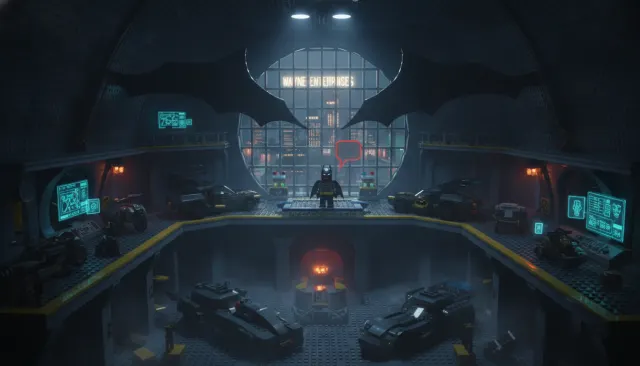
  • Batman: Dark Knark and other fan-made brickfilm parodies on YouTube
NOTABLE WORKS

Where you have seen it.

The Magic Portal (1989, dir. Lindsay Fleay)

widely cited as the first brickfilm

Brickfilms.com community archive (early 2000s)

the defining brickfilm movement era

The LEGO Movie (2014, dir. Phil Lord and Chris Miller)

CG adaptation of the aesthetic

David Pagano's LEGO Stop Motion: Brick Flicks

2016

definitive technique manual

LEGO's official animated shorts using enhanced brickfilm technique

The Brothers Brick community showcasing brickfilm alongside MOC building culture

Jason Boyle's YouTube brickfilms

high-craft community reference work

THE RECIPE

The exact knobs
the renderer turns.

A Look is not a filter. It is a set of stored decisions the pipeline reads before it makes a single frame, so two videos in the same Look actually match.
SettingValue
GradeColour LUT applied to every frame
lego-brick-saturated
TransitionHow one shot becomes the next
hard cuts · 140ms · linear
Ken BurnsCamera move applied to stills
Slow push · 0.03 · center
TypographyDisplay / body / mono pairing
Archivo · Inter · JetBrains Mono
Music moodWhat the bed under the voice sounds like
everything-is-awesome-pop · adventure-orchestral
Prompt suffixAppended to every shot prompt in this Look
Lego brickfilm stop motion, minifigure puppet animation, brick built set, fan made YouTube brickfilm, satisfying brick click
PALETTE
Primary
#E8B247
Secondary
#5C4A1E
Accent
#D24E2E
Text/Light
#2A1808
Text/Dark
#FFF1C8
BG 900
#1A1008
BG 800
#2A2010
RELATED LOOKS

Next to it on the shelf.

All Stop Motion →

Your first cut
is on us.

+ New videoFree plan · no card · 1080p export