FAMILYSTOP MOTIONSUBFAMILYBRICK FILM LEGOERACONTEMPORARYREGIONUSA

Lego Movie Brick 3D Stylized

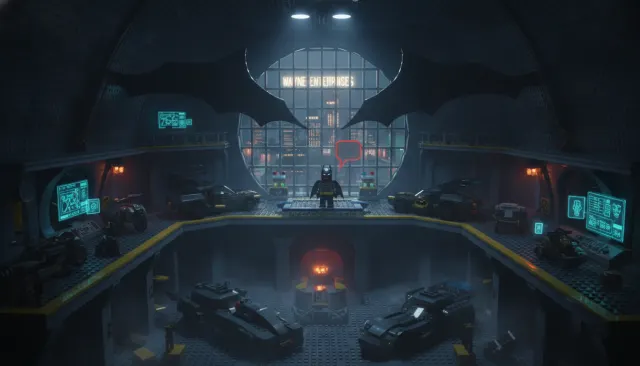
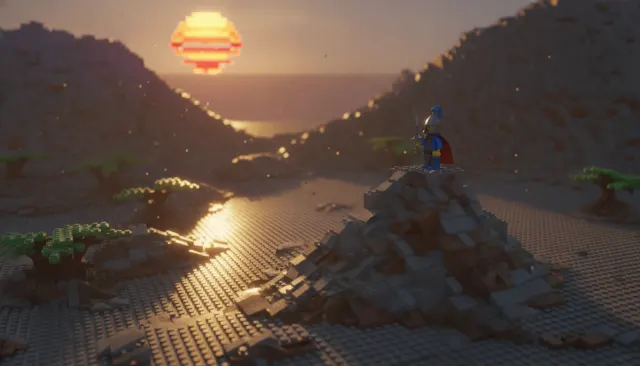
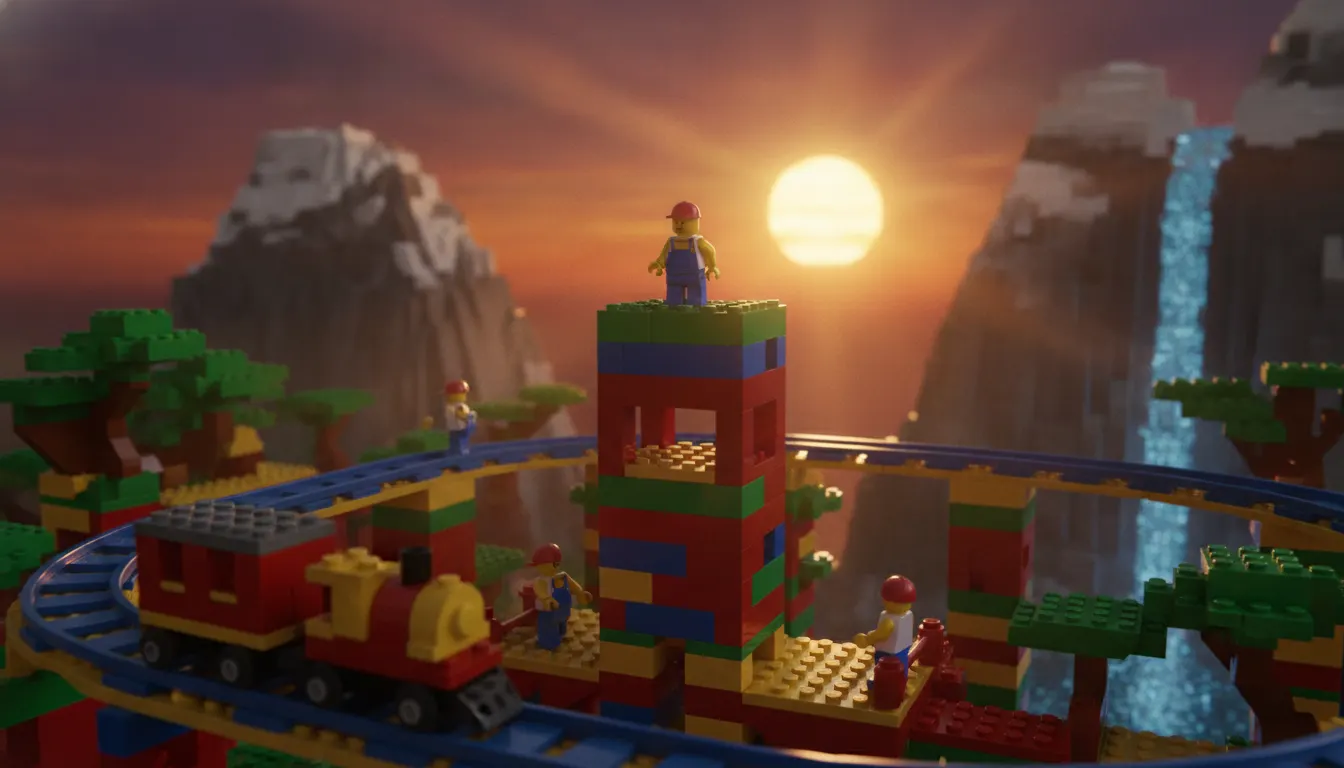
The Lego Movie CGI stop-motion-feel brickfilm. Animal Logic CGI emulating stop-motion brickfilm aesthetic, modular Lego world, Master Builder spectacle.

brickfilmstop-motion-feelmodularspectacle

Samples

Samples pending

Visual reference frames for this look are being generated.

When to use
  • LEGO brand campaigns, product launches, and franchise marketing
  • Kids and family entertainment marketing prioritising joy, colour, and accessible visuals
  • Creative and innovation brand campaigns celebrating building, making, and problem-solving
  • Gaming campaigns for construction, sandbox, or LEGO-licensed titles
  • Toy retail campaigns, catalogue content, and seasonal gift-giving marketing
  • Social content targeting families, children, and millennial nostalgic audiences
  • Startup or tech brands using building as a visual metaphor for product value
When not to use
  • Adult-targeted campaigns where LEGO child-association undermines brand credibility
  • Premium luxury brand positioning where toy aesthetic conflicts with aspirational tone
  • Serious social, political, or emotional content where plastic toy aesthetic trivialises subject
  • Tight-format social content where brick world-building complexity is lost at thumbnail scale

Signature techniques

  • 01
    Photorealistic ABS plastic material simulation โ€” translucency, surface sheen, stud highlights
  • 02
    CG โ€” simulated stop-motion motion blur, frame-rate drift, and position jitter
  • 03
    All โ€” brick world-building: water, fire, smoke, and explosions modelled from LEGO elements
  • 04
    Minifigure kinematic constraints โ€” animation respecting actual joint limitation and proportions
  • 05
    Hyper โ€” saturated primary LEGO palette: fire-engine red, cobalt blue, bright yellow, grass green
  • 06
    Master Builder logic โ€” in-film environments built from recognisable real LEGO set configurations
  • 07
    Physical construction and destruction as primary narrative and action vocabulary

History & context

LEGO Movie - Brick 3D Stylized

Everything Is Awesome, and Everything Is CG

Phil Lord and Chris Miller's The LEGO Movie (2014) is one of the most technically distinctive animated films ever made. Animal Logic's animation team built an entire visual language around a central paradox: create photorealistic CG animation that looks exactly like real LEGO stop-motion. Every brick has physical imperfections. Every explosion is made of transparent yellow and orange bricks. Water is rendered as a frozen mid-flow mass of blue LEGO elements. Smoke is modelled from grey brick clusters. The film committed fully to its plastic world-building premise.

Visual Characteristics

The palette is hyper-saturated primary LEGO colours: fire-engine red, cobalt blue, bright yellow, grass green, pure white. But unlike flat cartoon colour, everything has the specific translucency and surface sheen of actual ABS plastic - light passes through bricks slightly, stud tops catch highlights, and the overall effect is simultaneously hyper-real (physically accurate material simulation) and hyper-stylised (a world where everything follows LEGO brick geometry).

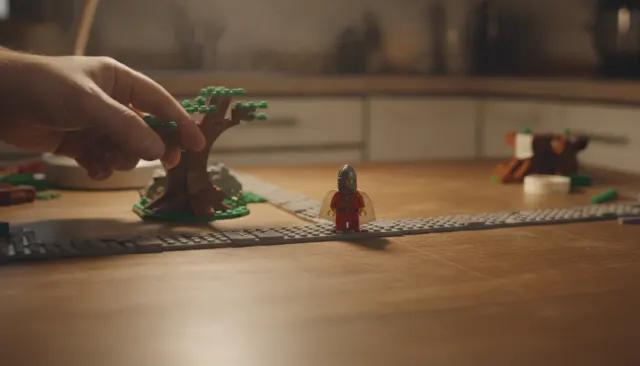
The motion is the key innovation: Animal Logic developed specific simulation tools to replicate stop-motion motion blur, frame-rate reduction effects, and the subtle position drift between frames that genuine brickfilm stop-motion produces. Characters move in ways that respect minifigure anatomy - limited joint rotation, fixed torso, the characteristic minifigure "hip-swivel" walk cycle. This deliberate constraint creates a choreographic idiom as expressive and recognisable as the rubber-hose animation of 1930s cartoons.

Signature Techniques

  • Photorealistic ABS plastic material simulation: translucency, surface sheen, stud highlights
  • CG-simulated stop-motion: motion blur, frame-rate drift, position jitter from genuine brickfilm
  • All-brick world-building: water, fire, smoke, explosions all modelled from LEGO elements
  • Minifigure kinematic constraints: animation respecting actual minifigure joint limitation
  • Hyper-saturated primary palette: fire-engine red, cobalt blue, bright yellow, grass green
  • Physical environment destruction and construction as primary action vocabulary
  • Master Builder set-design logic: in-film environments built from recognisable real LEGO sets

When to Use

  • LEGO brand campaigns, product launches, and franchise marketing
  • Kids and family entertainment marketing where joy, colour, and accessible visual language are key
  • Creative and innovation campaigns for brands celebrating problem-solving and building culture
  • Gaming campaigns for construction, sandbox, or LEGO-licensed titles
  • Social media content targeting families, children, and millennial nostalgic audiences
  • Toy retail campaigns and catalogue content
  • Startup or tech brand campaigns drawing on building/construction as metaphor

When Not to Use

  • Adult-targeted campaigns where the child-association of LEGO aesthetics undermines credibility
  • Premium luxury brand positioning
  • Serious social, political, or emotional content where the toy aesthetic trivialises subject matter
  • Content requiring emotional photorealism from characters - minifigure faces have limited registers
  • Tight-format social content where the visual complexity of brick world-building is lost at thumbnail scale

Notable Works

  • The LEGO Movie (2014, dir. Phil Lord and Chris Miller, Animal Logic) - the defining work
  • The LEGO Batman Movie (2017, dir. Chris McKay) - darker, more complex register
  • The LEGO Ninjago Movie (2017, dir. Charlie Bean) - same CG-as-stop-motion pipeline
  • The LEGO Movie 2: The Second Part (2019, dir. Mike Mitchell)
  • Animal Logic's technical documentation of the LEGO material simulation pipeline
  • LEGO's official animated series and shorts using the established visual grammar
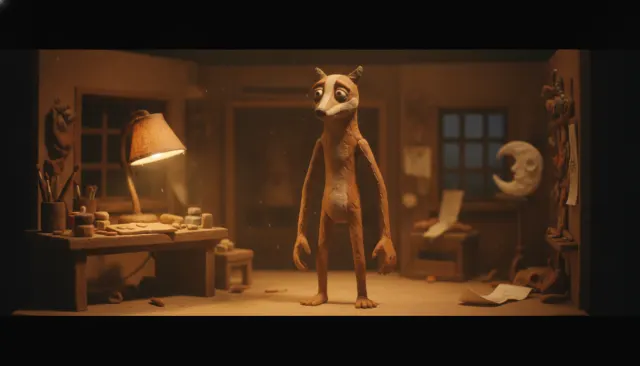
  • The Magic Portal (1989, Lindsay Fleay) - genuine stop-motion ancestor the film pays homage to
  • Brickfilms.com community work - the authentic source material the film's aesthetic honours

Notable works

The LEGO Movie (2014, dir. Phil Lord and Chris Miller, Animal Logic)

the defining reference

The LEGO Batman Movie (2017, dir. Chris McKay)

darker, more culturally dense extension

The LEGO Ninjago Movie (2017, dir. Charlie Bean)

same CG-as-stop-motion pipeline

The LEGO Movie 2: The Second Part (2019, dir. Mike Mitchell)

Animal Logic technical documentation of the LEGO material simulation pipeline

The Magic Portal (1989, Lindsay Fleay)

genuine stop-motion ancestor being honoured

LEGO official animated series using the established CG brick visual grammar

Aesthetic recipe

The exact knobs the renderer turns to produce this look.

Palette
Primary
#E8C04E
Secondary
#A8841A
Accent
#A82E1A
Text/Light
#2A1F08
Text/Dark
#FFF1D0
BG 900
#1A1408
BG 800
#2A2010
Typography
Display
Anton
Body
Inter
Mono
JetBrains Mono
Music moods
everything-is-awesome-popmark-mothersbaugh-quirky
Transition

hard cuts at 160ms, linear

Ken Burns

Slow push (0.04, center)

Grade LUT

lego-movie-brick-saturate

Generate a video in the Lego Movie Brick 3D Stylized look

The Lego Movie CGI stop-motion-feel brickfilm. Animal Logic CGI emulating stop-motion brickfilm aesthetic, modular Lego world, Master Builder spectacle.