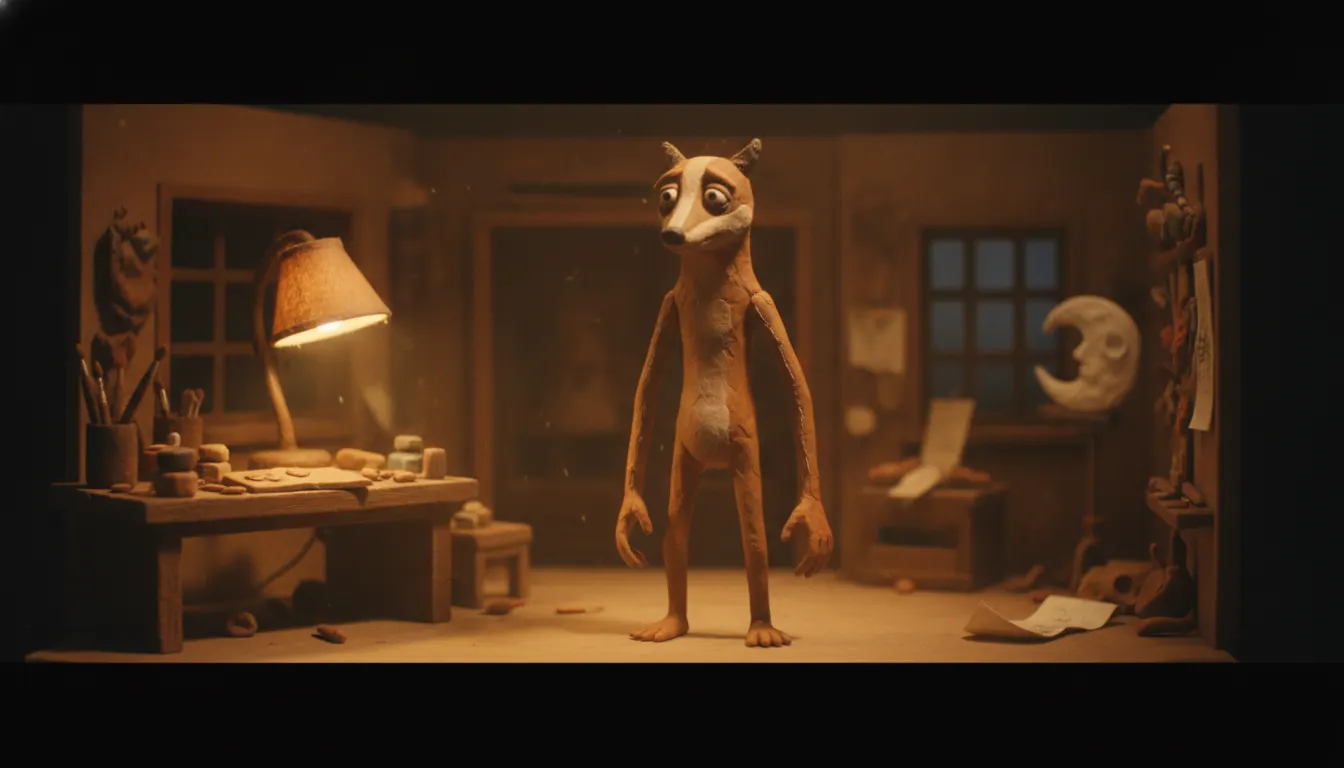
A Grand Day Out (1989, dir. Nick Park, Aardman)
first Wallace and Gromit film
Classic plasticine clay puppet stop motion. Visible thumbprints, armature seams, warm tabletop lamps, generalist claymation aesthetic.
The moves a human crew would use to get here. Cue applies them for you, and knowing their names is how you ask for a change.
pre-sculpted lip-sync positions swapped between frames
internal skeleton allowing repositioning without deformation
fingerprints, tool marks, and clay seams as visual identity
bound colour mixing: warm gradient transitions at clay element junctions
clay deformability enabling exaggerated physical comedy
material integration: clay combined with fabric, wire, foam, and found objects
pre-sculpted face sections swapped for expression changes
Plasticine stop-motion - often called Claymation (Will Vinton's 1978 trademarked term) or clay animation - occupies a unique position among animation techniques: it is simultaneously the most accessible (any child can make a clay figure) and the most technically demanding to execute at professional quality. The material's defining quality is its forgiveness and its memory: plasticine can be sculpted, resculpted, deformed, and repaired between frames, allowing a range of facial expression and body morphing impossible with rigid puppets.
The plasticine aesthetic is immediately legible: surfaces carry fingerprint impressions, tool marks, and subtle directional smears. This is not a flaw - it is the signature. Aardman Animations, the Bristol studio responsible for Wallace and Gromit, Creature Comforts, and Chicken Run, built their entire visual identity on the tactile specificity of plasticine: the glossy highlight on a freshly smoothed surface, the slight thumb depression at a character's shoulder, the visible seam where one clay element has been pressed onto another.
Colour in plasticine animation is warm and slightly muddy - oil-bound plasticine colours mix together at edges, creating gradient transitions that differ from the hard-edged colour fields of cel animation. Backgrounds in classic plasticine work are either built from clay and other craft materials (creating fully dimensional environments) or are simple painted flats that contrast with the dimensional figures.
first Wallace and Gromit film
Academy Award winning clay animation
widely cited finest stop-motion short
defining American clay animation
foundational Aardman clay character
dark adult clay feature film
earliest iconic American clay animation character
plasticine in prime-time American TV
A Look is not a filter. It is a set of stored decisions the pipeline reads before it makes a single frame, so two videos in the same Look actually match.
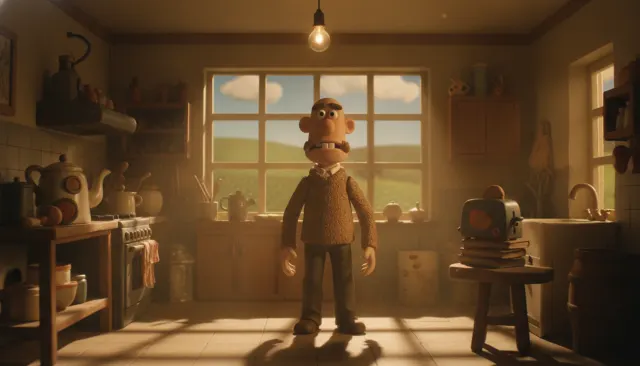 ClaymationAardman Wallace and Gromit Claymation
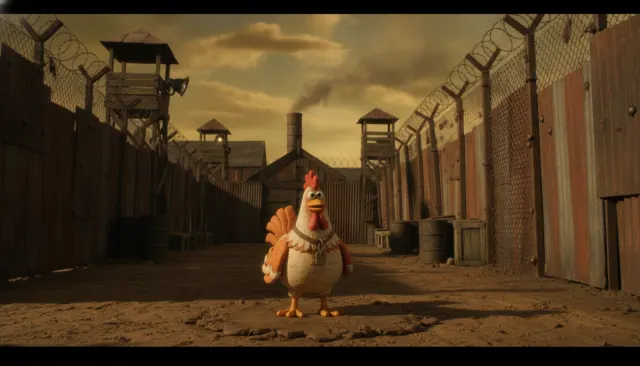 ClaymationAardman Chicken Run
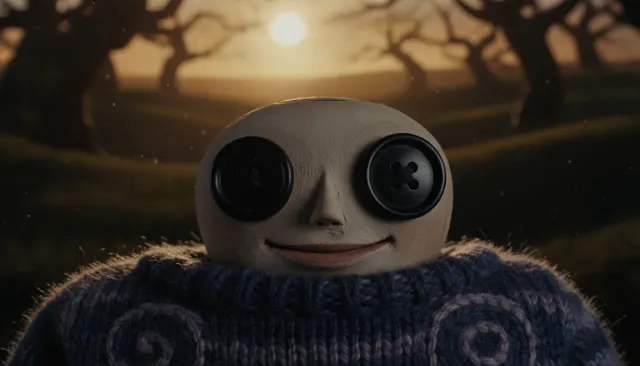 Laika ExpansionLaika Coraline Button Puppet
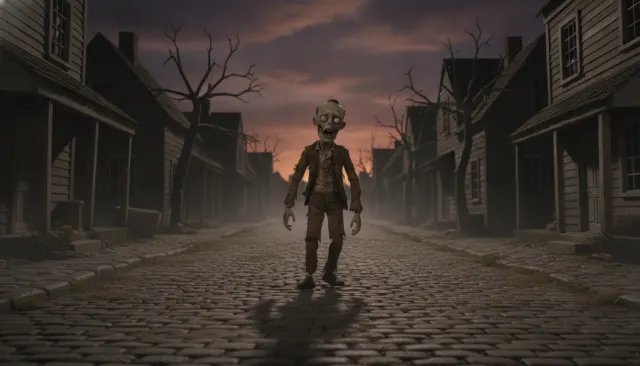 Puppet Stop MotionLaika ParaNorman
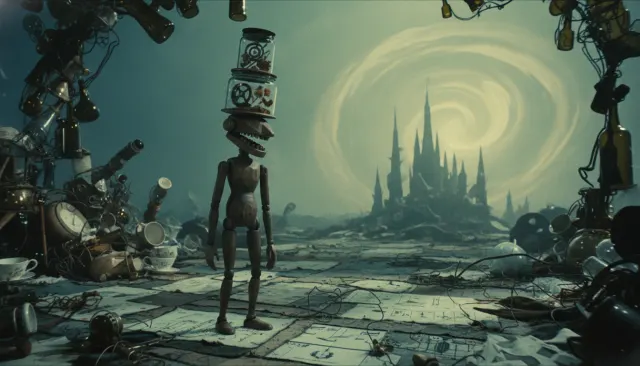 Traditional Puppet ExtendedCzech Svankmajer Surreal Puppet
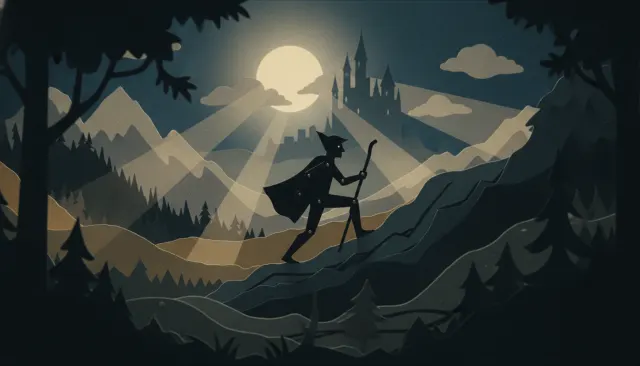 Paper Craft Stop MotionPaper Cutout Stop Motion Classic
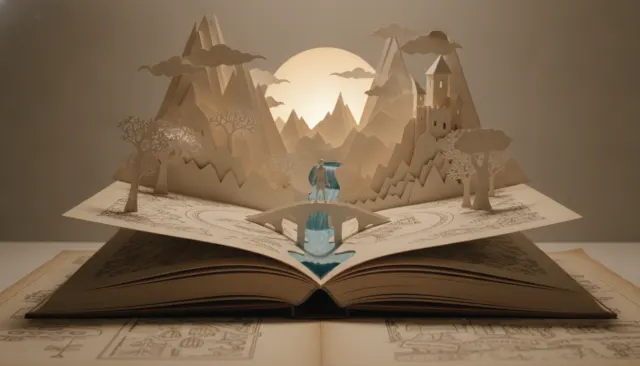 Paper Craft Stop MotionPop-Up Book Stop Motion
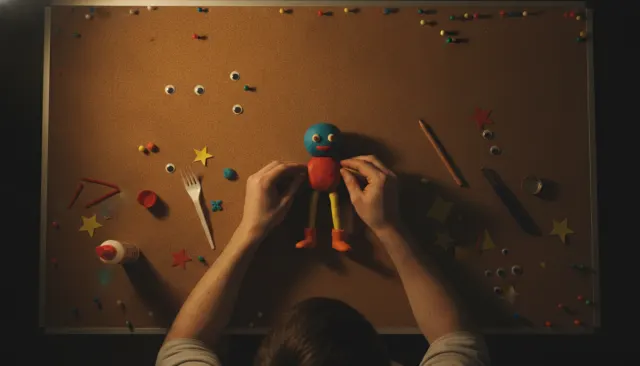 ClaymationArt Attack Plasticine Craft