FAMILYSTOP MOTIONSUBFAMILYPAPER CRAFT STOP MOTIONERACONTEMPORARYREGIONINTERNATIONAL

Pop-Up Book Stop Motion

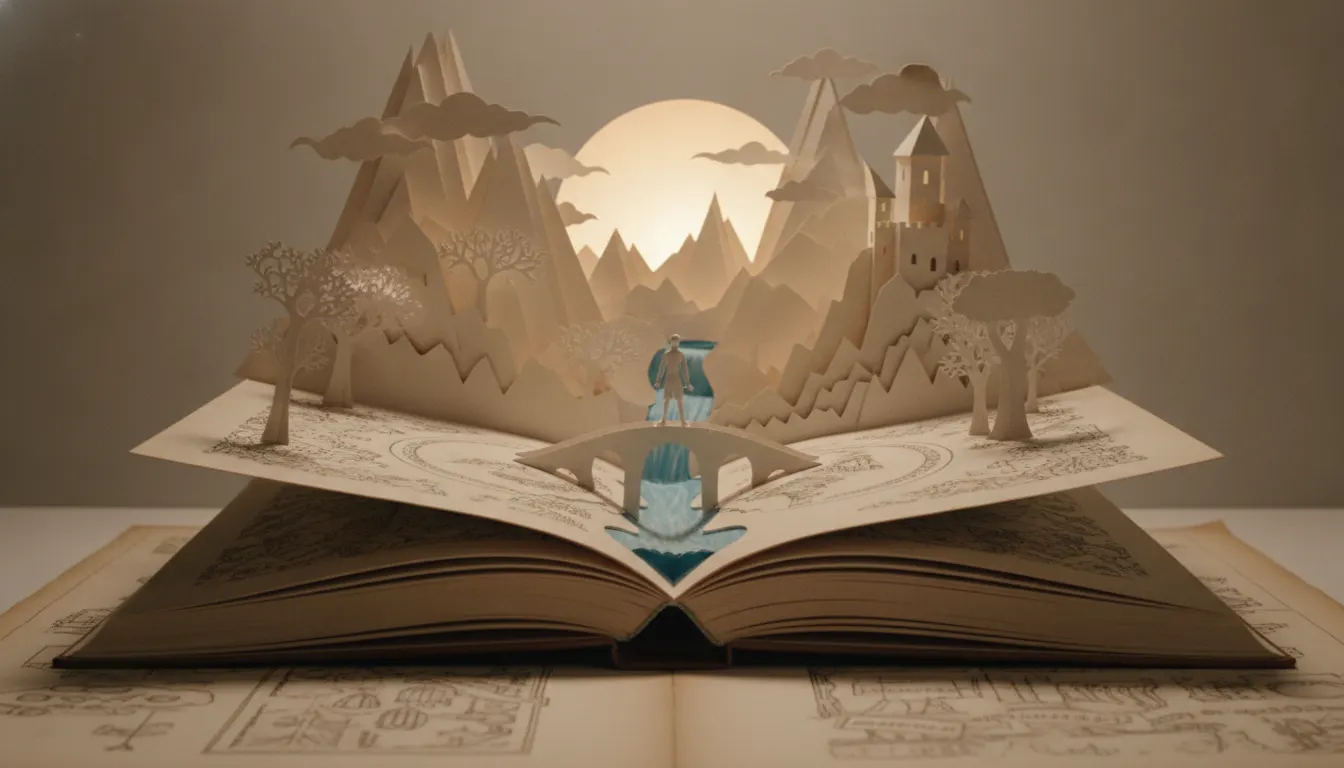
Pop-up book stop motion. Paper-engineered scenes that unfold from the page, cardstock spreads, storybook narration aesthetic, craft-shop reveal energy.

stop-motionpop-up-bookstorybookcraft

Samples

Samples pending

Visual reference frames for this look are being generated.

When to use
  • Children's book adaptations and publishing brand content
  • Title sequences for family, literary, or whimsical entertainment productions
  • Brand campaigns for educational publishers, children's toy companies, or literacy organisations
  • Music videos for folk, children's music, or acoustic artists with storytelling aesthetics
  • Explainer videos where unfolding metaphor reinforces product or concept narrative
  • Product reveal or campaign launch campaigns where pop-up emergence fits the unveiling
  • Greeting card brands, stationery, and paper goods advertising
When not to use
  • Fast-paced action or drama where deliberate paper-unfolding pace conflicts with tempo
  • Premium adult luxury brand campaigns where children's-book association conflicts with tone
  • Content requiring naturalistic character performance beyond paper's movement capabilities
  • Documentary or news content where theatrical staging raises credibility concerns

Signature techniques

  • 01
    Sequential fold revelation โ€” paper environments unfold progressively as pages turn
  • 02
    Tab โ€” and-slot construction: visible paper engineering joints animated as narrative element
  • 03
    Layered plane depth โ€” foreground, midground, and background planes creating diorama depth
  • 04
    Page spine anchoring โ€” all three-dimensional elements connected to visible central fold
  • 05
    Paper โ€” engineering type design: text and lettering constructed as pop-up paper forms
  • 06
    Colour separation by plane โ€” distinct colour per depth layer for graphic clarity
  • 07
    Mechanical character emergence โ€” characters building from paper folds into standing positions

History & context

Pop-Up Book Stop-Motion

The Page as Stage

Pop-up book stop-motion treats the camera as a reader's-eye-view, watching as paper environments unfold, extend, and animate. The technique draws on the tradition of paper engineering - the craft of designing paper cuts, scores, and folds that spring into three-dimensional form when a page opens. In stop-motion application, this dimensional emergence is animated frame-by-frame: environments grow, characters appear, landscapes unfold in carefully choreographed paper engineering sequences.

Visual Characteristics

The pop-up book aesthetic is defined by its layered planarity: even in its three-dimensional form, the pop-up world is constructed from flat paper elements that fan out from a central spine. Depth is theatrical rather than photographic - foreground elements are paper planes that overlap midground planes that overlap background planes, creating a diorama-like depth that reads as simultaneously flat and dimensional.

Colour in pop-up book animation is typically bright and clean - the palette of illustrated children's books rather than the warm muddiness of painted art. Printing conventions, embossing, and spot varnish effects from real book production are often referenced. The visual grammar communicates: this is a story being told, a page being turned, a world being built as you watch.

The key tension in pop-up book stop-motion is between mechanical revelation and organic wonder: the audience sees the paper engineering at work (folds appear, tabs extend, slots receive tabs) while simultaneously experiencing the magical result (a forest materialises, a city rises, a character stands up). The best work in this tradition keeps both registers active simultaneously.

Signature Techniques

  • Sequential fold revelation: paper environments unfold progressively across frames as pages turn
  • Tab-and-slot construction: visible paper engineering joints animated as part of the sequence
  • Layered plane depth: foreground, midground, and background paper planes creating theatrical diorama depth
  • Page spine anchoring: all three-dimensional elements connected to a visible central page fold
  • Paper-engineering type design: text and lettering constructed as pop-up paper forms
  • Colour separation by plane: distinct colour per depth layer for graphic clarity
  • Mechanical character emergence: characters building themselves from paper folds into standing positions

When to Use

  • Children's book adaptations and publishing brand content
  • Title sequences for family, literary, or whimsical entertainment productions
  • Brand campaigns for educational publishers, children's toy companies, or literacy organisations
  • Music videos for folk, children's music, or acoustic artists with storytelling aesthetics
  • Explainer videos where the unfolding metaphor reinforces a product or concept narrative
  • Campaign launches or product reveals where the pop-up emergence metaphor fits the unveiling moment
  • Greeting card brands, stationery, and paper goods advertising

When Not to Use

  • Fast-paced action or drama content where the deliberate paper-unfolding pace is too slow
  • Premium adult luxury brand campaigns where the children's-book association conflicts with tone
  • Content requiring naturalistic character performance beyond paper's movement capabilities
  • Documentary or news content where the theatrical staging raises credibility concerns

Notable Works

  • Robert Sabuda's pop-up books (Alice's Adventures in Wonderland, 2003) - paper engineering reference
  • Jan Pienkowski's Haunted House (1979) - pop-up book that directly influenced the aesthetic in animation
  • The opening title sequence of A Series of Unfortunate Events (Netflix, 2017) - pop-up book live-action hybrid title
  • The Story of Ferdinand (1938, Disney) - storybook-format animation ancestor
  • Paper Mario video game series (Nintendo) - digital pop-up book aesthetic
  • Various TED-Ed animations using paper-cut and pop-up book visual language
  • Wes Anderson's Isle of Dogs (2018) newspaper-montage sequences - pop-up adjacency
  • Czech paper-cut animated films from Bratri v Triku studio (1960s-1980s)

Notable works

Robert Sabuda's Alice's Adventures in Wonderland pop-up

(2003)

paper engineering reference

Jan Pienkowski's Haunted House

(1979)

foundational pop-up aesthetic influence

A Series of Unfortunate Events title sequence (Netflix, 2017)

pop-up book hybrid

Paper Mario video game series (Nintendo)

digital pop-up book aesthetic in games

TED-Ed animated explainers using paper-cut and pop-up visual language

Czech paper-cut animated films from Bratri v Triku studio (1960s-1980s)

Isle of Dogs (2018, dir. Wes Anderson)

newspaper-montage sequences with pop-up adjacency

Aesthetic recipe

The exact knobs the renderer turns to produce this look.

Palette
Primary
#F2E1B8
Secondary
#A88A5A
Accent
#D24E2E
Text/Light
#2A1F08
Text/Dark
#FFF8E1
BG 900
#1A1408
BG 800
#2A2010
Typography
Display
Lora
Body
Lora
Mono
Courier
Music moods
lullaby-music-boxsoft-celesta
Transition

soft cuts at 320ms, ease-in-out

Ken Burns

Slow push (0.04, rule-of-thirds)

Grade LUT

pop-up-book-warm

Generate a video in the Pop-Up Book Stop Motion look

Pop-up book stop motion. Paper-engineered scenes that unfold from the page, cardstock spreads, storybook narration aesthetic, craft-shop reveal energy.