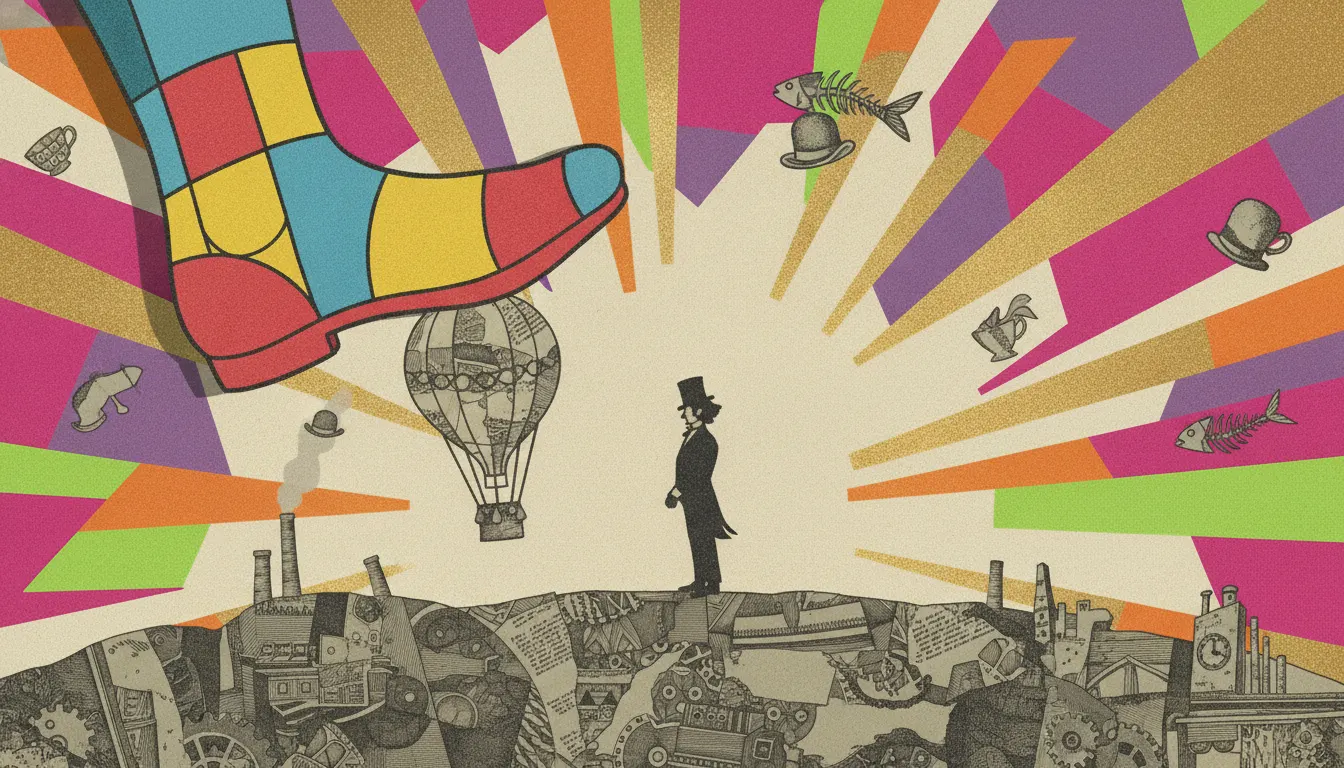
Monty Python's Flying Circus (BBC, 1969-1974)
45 episodes, the primary reference
Terry Gilliam Monty Python paper-cutout animation. Collaged Victorian etchings, absurd giant-foot stomps, gaudy color blocks, sketch-show interstitial energy.
The moves a human crew would use to get here. Cue applies them for you, and knowing their names is how you ask for a change.
19th-century print ephemera cut and repositioned frame-by-frame
formally posed Victorian subjects in cosmically inappropriate situations
cut interrupt editing: actions completed or violently abandoned with no warning or transition
scissors' work apparent at figure boundaries, reinforcing collage materiality
frames that should follow pictorial logic don't
Terry Gilliam, the American-born member of the British comedy group Monty Python, developed his signature animation style for Monty Python's Flying Circus (BBC, 1969-1974) under near-impossible constraints: minimal budget, production schedules measured in days, and the specific need to link between sketches with transitions that were funny in themselves rather than merely connecting. Gilliam's response was to develop a form of animated collage using Victorian-era printed ephemera - 19th-century engravings, medical illustrations, portrait photographs, natural history prints - cut out and repositioned frame-by-frame.
The Gilliam cutout style is defined by three qualities: its source material, its editing rhythm, and its humour. The source material is emphatically Victorian - steel engravings with dense cross-hatching, sepia-toned portrait photographs, hand-tinted botanical prints, ornate typographic borders. The figures have the hyper-detailed, slightly stiff quality of 19th-century illustration: formally posed, physically exaggerated, morally earnest. Gilliam exploits this earnestness by placing these dignified Victorian figures in absurd situations - a general's head becomes a rocket, a duchess gives birth to a giant foot, God's hand reaches down from the heavens only to squash a passing pedestrian.
The editing rhythm is violent and sudden. Cuts are hard. Actions complete or are interrupted with no warning. Giant feet descend from the sky with no build-up. Mouths open to scream and produce unexpected sounds. The animation is deliberately rough - Gilliam animated alone with scissors, a camera, and a light table. The imperfection is the point: in contrast to the smooth professionalism of commercial animation, Gilliam's jitter-heavy cutouts feel hand-assembled, dangerous, and alive.
45 episodes, the primary reference
feature context
1979
continued Gilliam animation work
live-action feature where cutout DNA is visible in every frame
first solo feature in the medieval aesthetic
documented Gilliam animation technique
1994
interactive Gilliam animation reference
A Look is not a filter. It is a set of stored decisions the pipeline reads before it makes a single frame, so two videos in the same Look actually match.
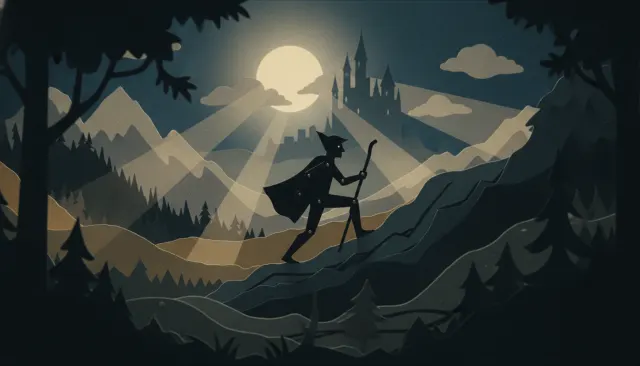 Paper Craft Stop MotionPaper Cutout Stop Motion Classic
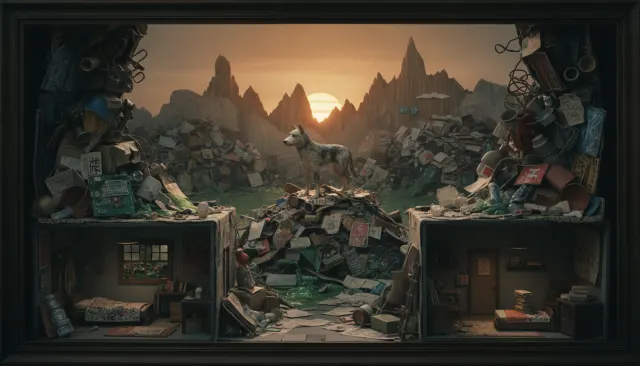 Paper Craft Stop MotionWes Anderson Isle of Dogs Paper Set
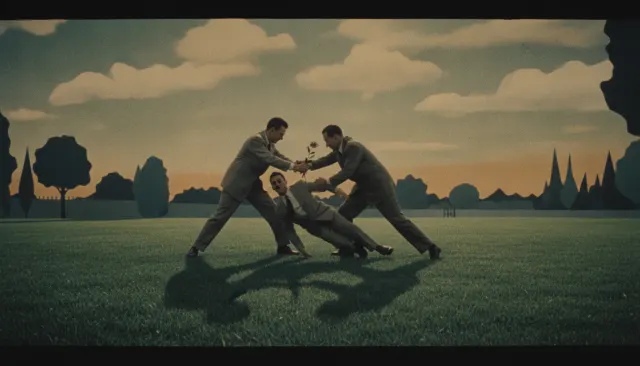 Pixilation PeopleNeighbors McLaren Pixilation
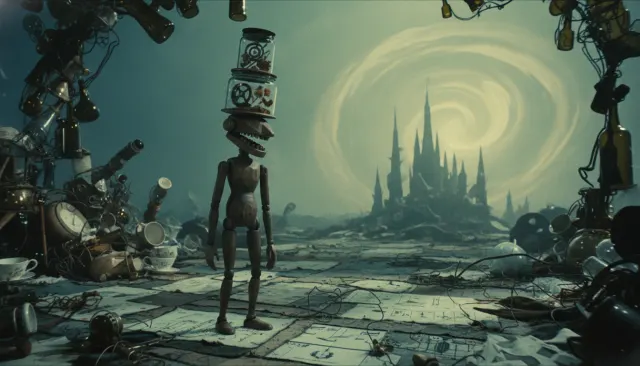 Traditional Puppet ExtendedCzech Svankmajer Surreal Puppet
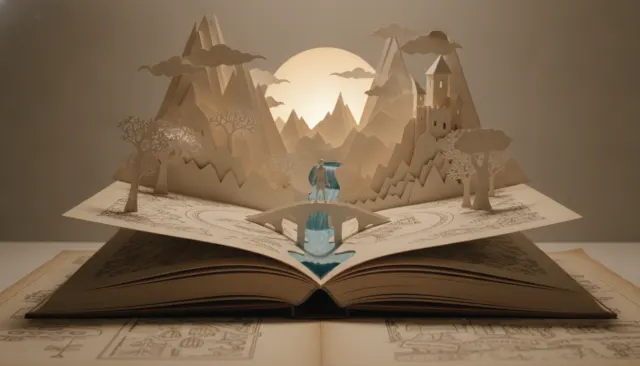 Paper Craft Stop MotionPop-Up Book Stop Motion
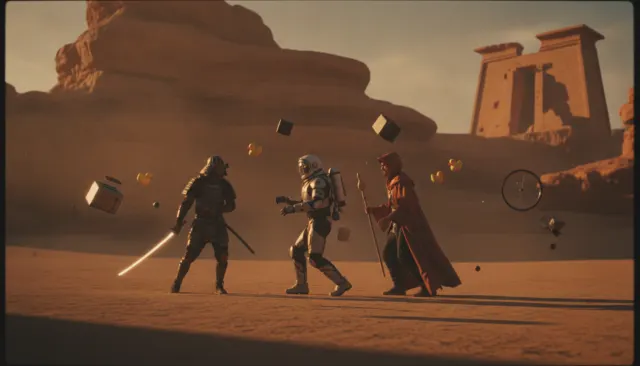 Pixilation PeoplePixilation Stop Motion People