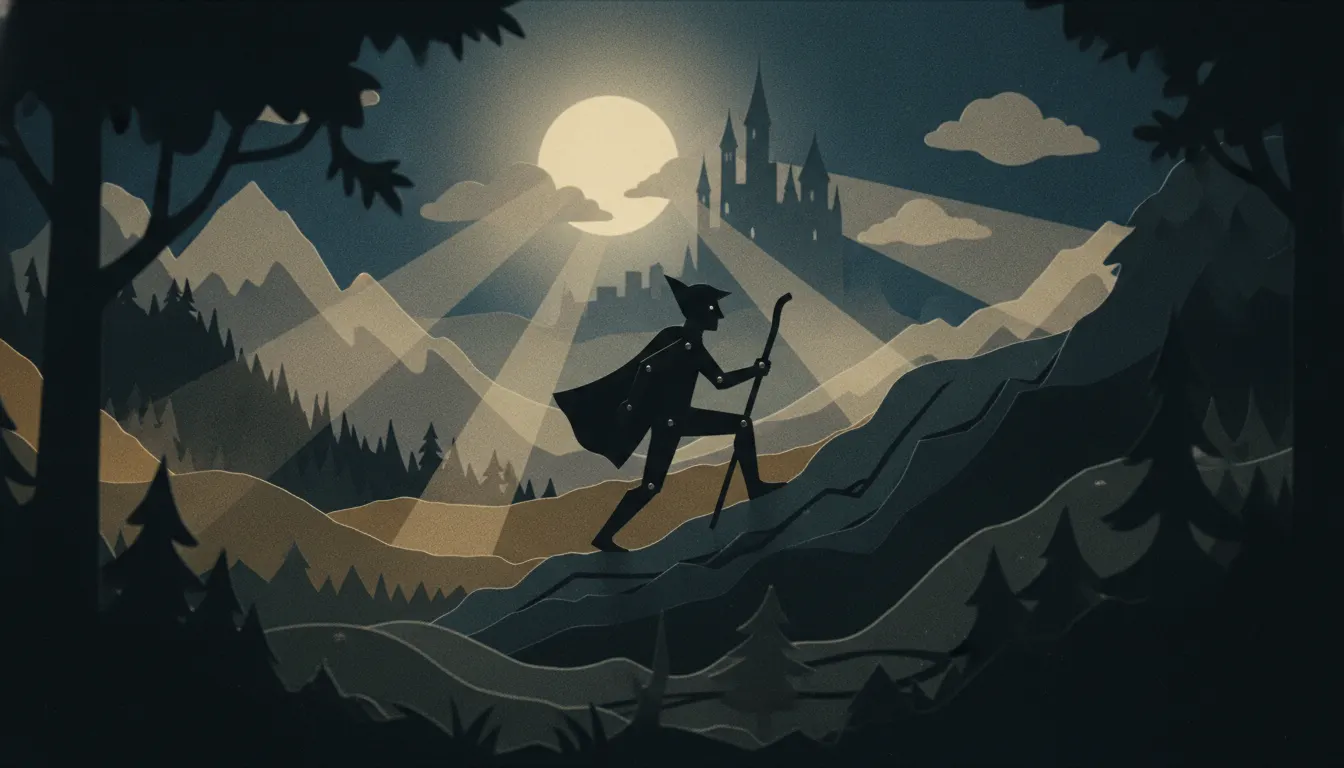
The Adventures of Prince Achmed (1926, dir. Lotte Reiniger)
oldest surviving animated feature
Classic paper-cutout stop motion. Flat layered paper puppets on illustrated backdrop, articulated joint pins, hand-cut silhouette charm.
The moves a human crew would use to get here. Cue applies them for you, and knowing their names is how you ask for a change.
lit silhouette: figures on illuminated glass plates for pure shadow-play
brads, pins, and connection points embraced as aesthetic elements
plane paper layering at different depths for foreground, midground, and background
paper grain, torn edges, and material variation as expressive elements
ground clarity: high-contrast palette for legibility at any scale
Paper cutout animation is among the earliest forms of animation, predating cel animation in several important respects. Lotte Reiniger's The Adventures of Prince Achmed (1926) is the oldest surviving animated feature film, made entirely from silhouette cutout figures. The form persists because it offers something no other technique can match: the quality of cut paper itself - its crisp edges, its flatness, its visible grain and texture - creates an immediate graphic appeal that more refined techniques smooth away.
Classic paper cutout animation has distinct visual markers that remain consistent across its history. Figures are flat - they exist in a two-dimensional plane with visible hinge points at joints (brads, thread, tape). Movement is limited to the axes available to flat paper: rotation at joints, sliding, and flipping. Shadows are sharp and architectural because paper is opaque and light sources are directional. Colour comes from the paper itself - painted, printed, or the natural texture of coloured stock.
The graphic boldness of paper cutout is its primary strength: the aesthetic produces work that reads clearly at any scale, with no ambiguity about figure-ground relationship. Backgrounds are typically clean - a single colour wash, a painted paper sheet, or a lit surface - allowing the figure to dominate. The technique is uniquely suited to silhouette work: Reiniger's figures are pure black against illuminated backgrounds.
oldest surviving animated feature
Terry Gilliam's Victorian collage cutout animation
digital paper cutout aesthetic in contemporary television
paper set design and cutout sequences
paper cutout integrated with cel and painting
cultural ancestor of the form
A Look is not a filter. It is a set of stored decisions the pipeline reads before it makes a single frame, so two videos in the same Look actually match.
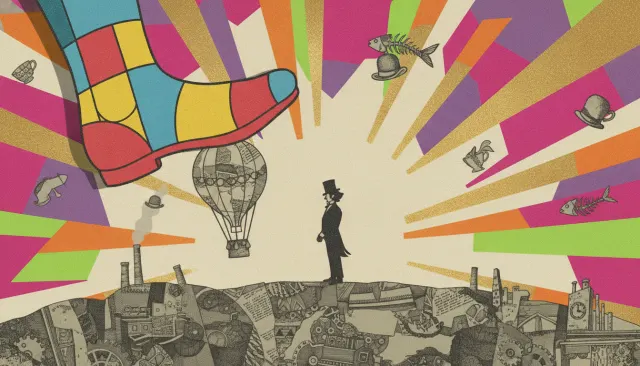 Paper Craft Stop MotionTerry Gilliam Monty Python Paper Cutout
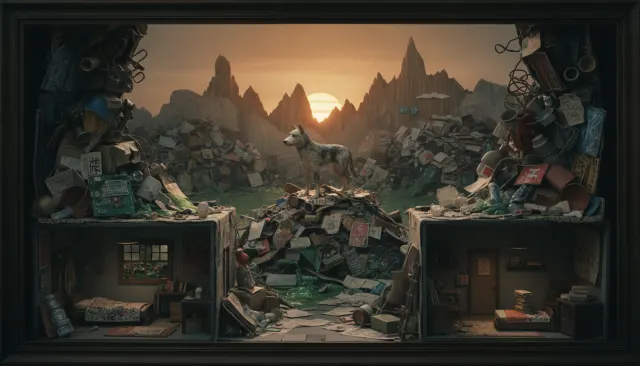 Paper Craft Stop MotionWes Anderson Isle of Dogs Paper Set
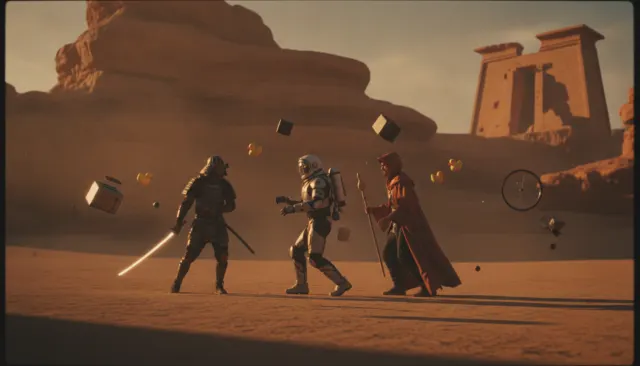 Pixilation PeoplePixilation Stop Motion People
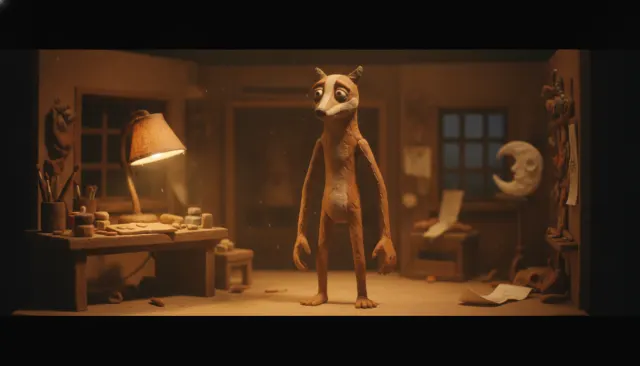 ClaymationPlasticine Classic Clay Puppet
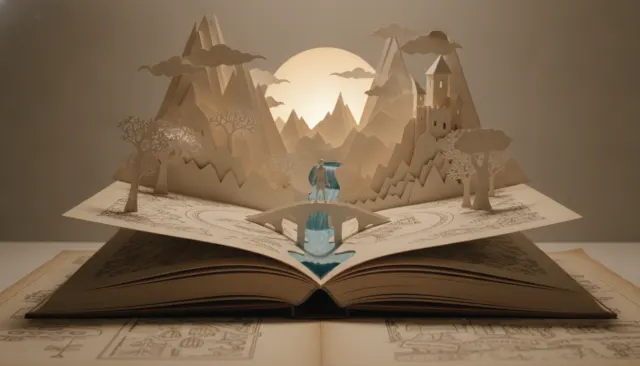 Paper Craft Stop MotionPop-Up Book Stop Motion
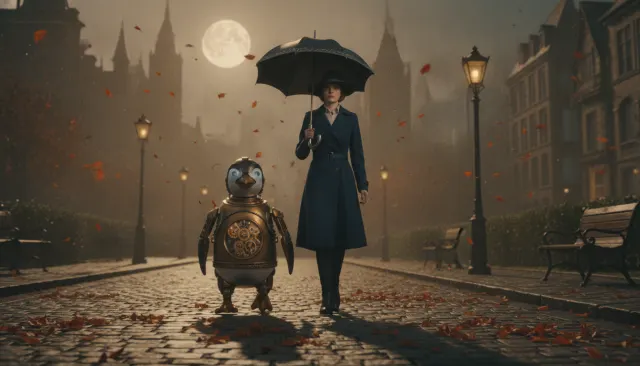 Mixed Media Stop MotionLive Action Stop Motion Hybrid
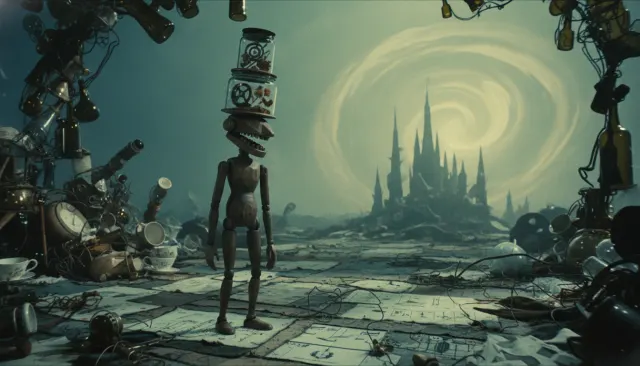 Traditional Puppet ExtendedCzech Svankmajer Surreal Puppet
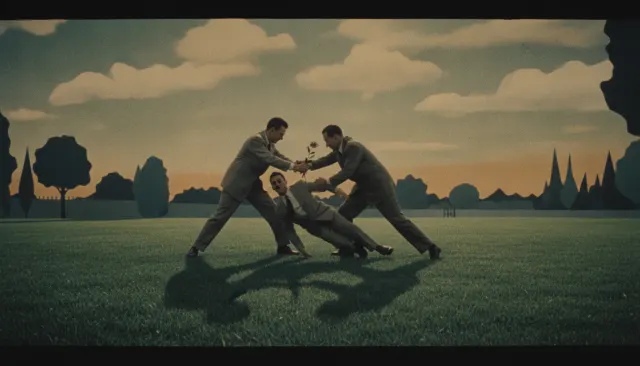 Pixilation PeopleNeighbors McLaren Pixilation