BRICK FILM LEGO · CONTEMPORARY · INTERNATIONAL
Brickfilm Amateur Stop Motion
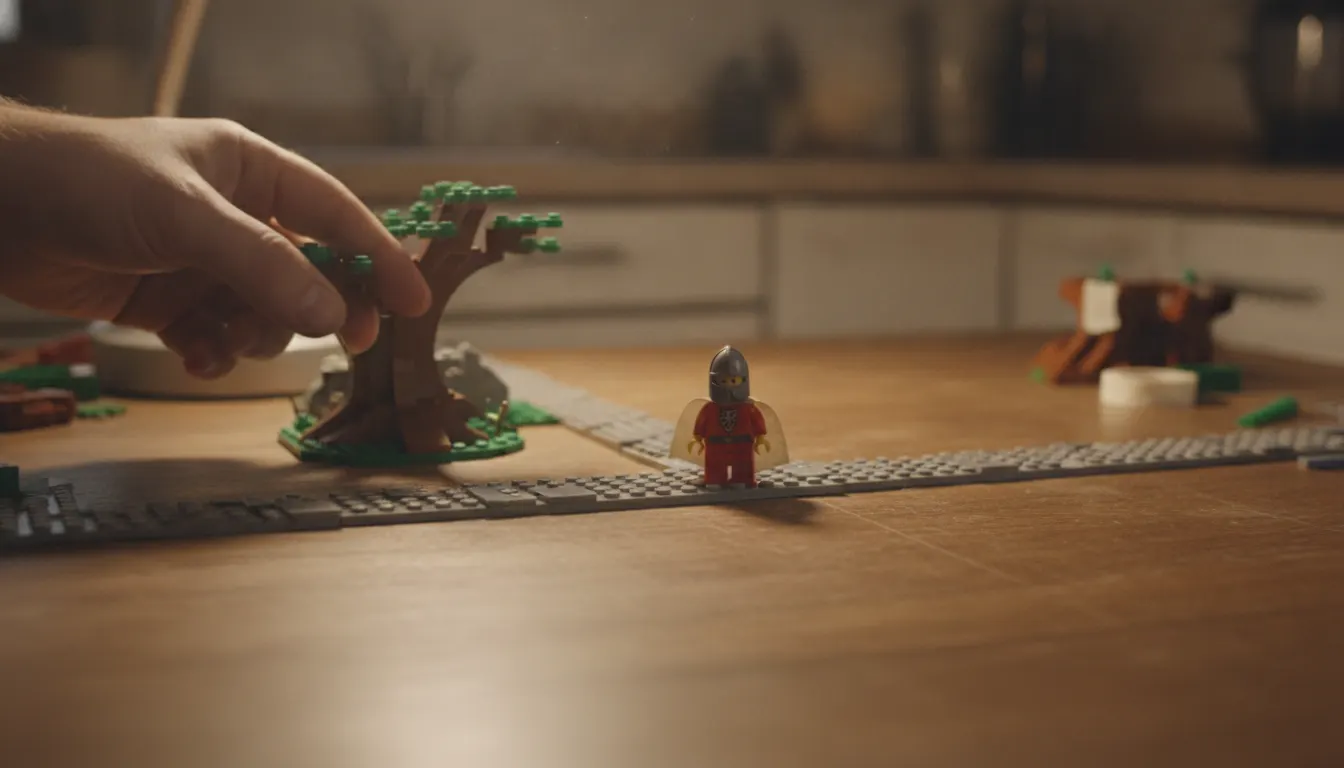
Amateur brickfilm stop motion. YouTube-creator hand-shot brickfilm, kitchen-table Lego sets, jerky 12fps minifig motion, classic DIY hobby aesthetic.
brickfilmamateuryoutubediy
LUT brickfilm-amateur-kitchen-bright
WHEN TO USE
- LEGO, toy, or construction-kit brand content at any budget level
- Maker and creator culture content celebrating amateur craft and DIY process
- Children's content where the LEGO visual language carries immediate recognition
- Comedy content that plays with the constraints of limited movement and modular design
- Tutorial or explainer content where building a world from modular blocks is a visual metaphor
- Nostalgic content for millennial and Gen Z audiences with LEGO childhood associations
WHEN NOT TO USE
- Dramatic or emotional content where the toy aesthetic undercuts sincerity
- Luxury, premium, or adult-coded contexts where LEGO associations read as juvenile
- Content requiring fluid, expressive character animation -- minifigure movement is inherently stiff
- Abstract or artistic contexts where LEGO's brand specificity is a distraction
SIGNATURE TECHNIQUES
How the look is made.
The moves a human crew would use to get here. Cue applies them for you, and knowing their names is how you ask for a change.
- 01LEGO system colour palette
primary and secondary matte plastic in the characteristic brick range
- 028-stud modular grid underlying all set construction and spatial organisation
- 03Minifigure four
joint movement with the distinctive jerky-smooth brickfilm motion style
- 04Practical lighting on plastic surfaces creating characteristic matte reflections
- 05Improvised special effects using transparent LEGO elements, cotton wool, and editing overlays
- 0615 fps or lower frame rate as aesthetic norm rather than technical limitation
- 07Visible brick studs, finger smears on plastic, and occasional set wobble as authentic markers
HISTORY & CONTEXT
Where it comes from.
Brickfilm Amateur Stop-Motion Look
Brickfilms are stop-motion animations made using LEGO and compatible brick-system toys. The form emerged as a significant amateur creative practice in the late 1990s alongside affordable digital cameras and video-editing software, and has its own dedicated community centred on brickfilm.com (founded 2001) and YouTube channels that have collectively attracted hundreds of millions of views.
Origins and Community
The earliest brickfilms predate digital editing entirely -- creators shot on Super 8 film in the 1970s and 1980s. The digital era democratised the form. Jason Rowoldt's Clockwork, posted in the early days of brickfilm.com, established many of the conventions that define the community's aesthetic: tight close-ups of minifigure faces, careful set-building within LEGO's grid constraints, and creative use of brick-system elements as environmental components.
Aesthetic Characteristics
The brickfilm look is defined by LEGO's visual vocabulary: primary and secondary plastic colours in the system's characteristic matte finish, the precise 8-stud module underlying all set design, and the minifigure's famously limited movement range. Minifigures can rotate their arms and legs at four joint points; creative animators exploit this constraint, developing a distinctive jerky-smooth movement style that has become as recognisable as the look itself.
Technical Conventions
Most brickfilms are shot at 15 fps or lower. Lighting is typically practical or LED-based. Special effects -- explosions, water, light beams -- are improvised using transparent LEGO elements, cotton wool, and overlaid editing effects. The visibility of brick studs, finger smears on plastic surfaces, and occasional set wobble are accepted as aesthetic features rather than errors.
Professional Brickfilm
The LEGO Movie (2014, dir. Phil Lord / Christopher Miller) took the brickfilm aesthetic into major studio CGI, deliberately replicating the look of physical LEGO stop-motion including brick-scratch texture and the fingerprint-smear finish of plastic surfaces.
NOTABLE WORKS
Where you have seen it.
Brickfilm.com community library (2001-present, thousands of amateur works)
The Magic Portal (1989, dir. Lindsay Fleay, pioneering Super 8 LEGO stop-motion)
Wonders by Water (Nathan Wells, award-winning brickfilm community work)
LEGO Studio Official Short Films (TLG licensed productions, 2000s-present)
THE RECIPE
The exact knobs
the renderer turns.
A Look is not a filter. It is a set of stored decisions the pipeline reads before it makes a single frame, so two videos in the same Look actually match.
SettingValue
GradeColour LUT applied to every frame
brickfilm-amateur-kitchen-brightTransitionHow one shot becomes the next
hard cuts · 200ms · linearKen BurnsCamera move applied to stills
Static framesTypographyDisplay / body / mono pairing
Archivo · Inter · JetBrains MonoMusic moodWhat the bed under the voice sounds like
youtube-creator-cue · kazoo-and-ukulelePrompt suffixAppended to every shot prompt in this Look
amateur brickfilm stop motion, YouTube creator hand shot, kitchen table Lego set, jerky 12fps minifig motion, DIY hobby aestheticPALETTE
Primary
#3A8FD7
Secondary
#1A4A7A
Accent
#E8C04E
Text/Light
#0F1F3A
Text/Dark
#FFF1D0
BG 900
#0A1424
BG 800
#142438
RELATED LOOKS
Next to it on the shelf.
Your first cut
is on us.
+ New videoFree plan · no card · 1080p export