FOOD STOP MOTION · CONTEMPORARY · INTERNATIONAL
Knitted Yarn Textile Stop Motion
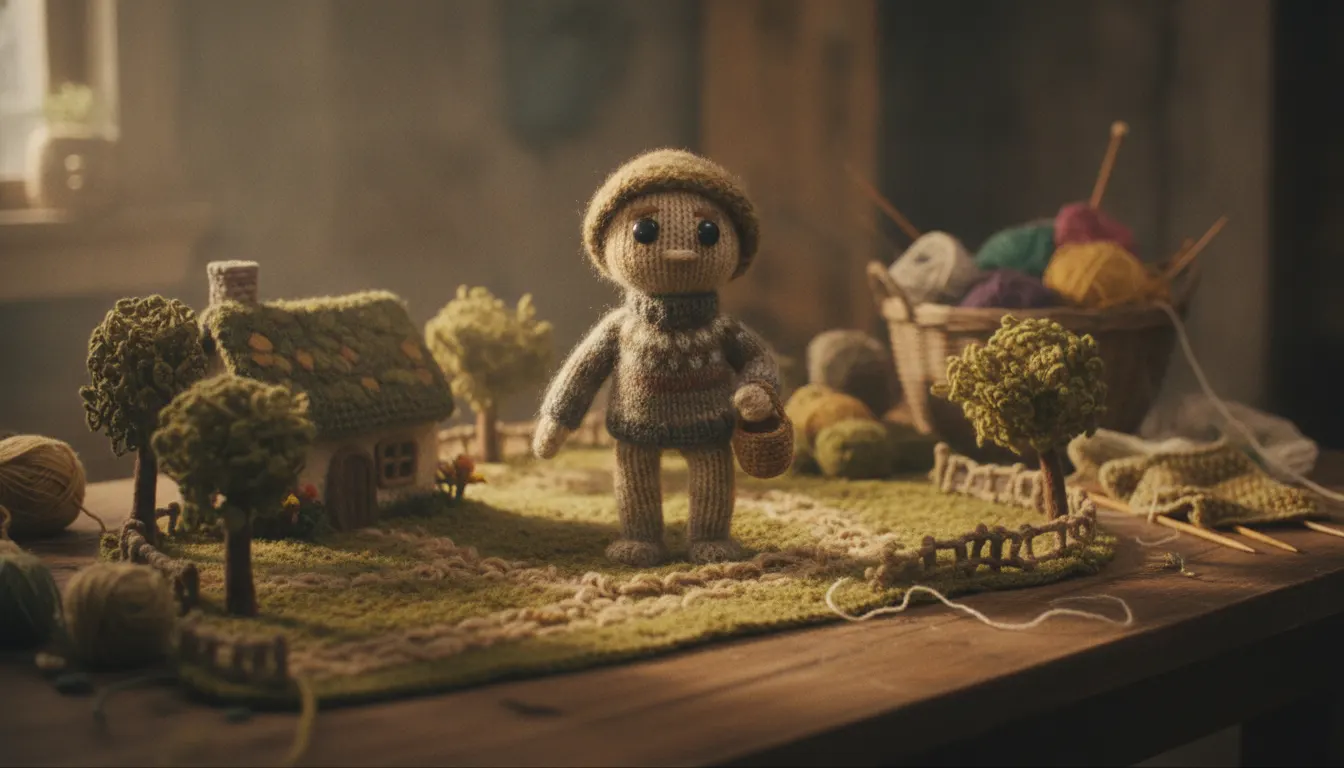
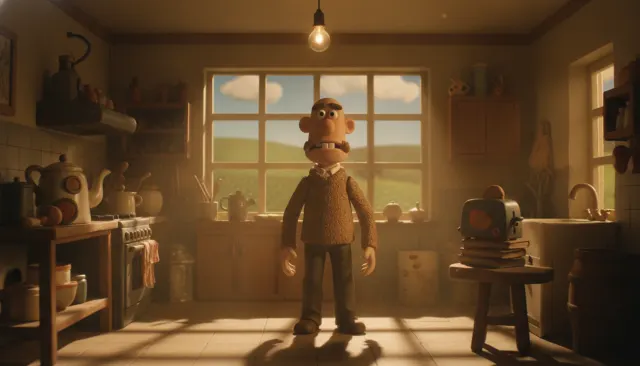
Knitted yarn and textile stop motion. Hand-knit puppet and felted-wool world, cozy crochet textures, gentle cottagecore craft sensibility.
stop-motionknittedcottagecorecozy
LUT knitted-yarn-cottage-warm
WHEN TO USE
- Cosy, domestic, or seasonal content where knitted wool immediately signals warmth and comfort
- Artisan, craft, or slow-living brand content celebrating handmade production over digital efficiency
- Children's content where the tactile, soft quality of knitted characters creates emotional safety
- Fashion or lifestyle content for wool, yarn, or textile brands and retailers
- Festive or winter content where the knitwear aesthetic has strong seasonal associations
- Content celebrating craft traditions, folk art, or the pleasure of making things by hand
WHEN NOT TO USE
- Urban, tech, or contemporary digital brand content where the handcraft aesthetic feels anachronistic
- Action or kinetic content where knitted characters' limited movement range and soft physics are constraints
- Summer or warm-weather content where knitwear's seasonal associations create cognitive dissonance
- Premium or luxury contexts where visible craft imperfection reads as inexpensive rather than artisanal
SIGNATURE TECHNIQUES
How the look is made.
The moves a human crew would use to get here. Cue applies them for you, and knowing their names is how you ask for a change.
- 01Visible individual knit stitches as surface texture creating V-pattern across characters and environments
- 02Dimensional surface shadow depth from stitch structure under directional lighting
- 03Wire armature within knitted body enabling pose
holding across stop-motion frames
- 04Yarn
based environments: knitted trees, grass, and props that match character material register
- 05Natural wool colour palette with occasional bright accent yarns for character identification
- 06Soft body physics
knitted characters compress, sag, and resist in ways that synthetic materials do not
- 07Visible craft imperfection
- slight stitch irregularity, dropped stitches, tension variation -- as authenticity markers
HISTORY & CONTEXT
Where it comes from.
Knitted Yarn Textile Stop-Motion Look
Knitted yarn stop-motion is a branch of textile animation in which characters, sets, and props are constructed from knitted or crocheted wool and yarn, then animated frame by frame. The form draws on a rich tradition dating to Hermina Tyrlova's pioneering work at Bratri v Triku in Prague in the 1940s-1960s, and continues in contemporary practice across independent animation and commercial production.
Hermina Tyrlova and the Czech Foundation
Hermina Tyrlova (1900-1993) was the first animator to systematically explore knitted and textile materials as stop-motion subjects. Her film The Snowman (Snehulak, 1966), in which a small boy's knitted scarf becomes animated and provides companionship, remains the defining work of the knitted stop-motion tradition. Earlier, Revolt of the Toys (Vzpoura hracek, 1946) used fabric and textile toys as animated characters. Tyrlova's insight was that the physical properties of knitted textiles -- their stretch, their texture, their warmth -- were assets rather than obstacles in animation.
Visual Properties of Knitted Animation
The visual signature of knitted yarn stop-motion comes from the stitch structure itself: individual knit stitches are visible as a repeating V-pattern across surfaces, creating a texture that reads unmistakably as handmade. Under directional lighting, this texture produces a rich surface with varying shadow depth across each stitch, giving knitted characters a dimensional warmth that smooth surfaces cannot match.
Contemporary Practice
Knitted and yarn-based stop-motion continues in contemporary production. Kirsten Lepore's work, while not exclusively yarn-based, demonstrates the broader textile animation sensibility. Commercial production companies including Aardman and Laika have incorporated knitted elements into larger productions. The PES short Roof Sex (2001) uses inanimate furniture rather than textile, but the spirit of object animation is adjacent.
Relationship to Craft Culture
Knitted stop-motion exists in a broader contemporary craft culture context: the revival of knitting, crocheting, and textile arts as conscious counter-movements to digital production has given the form renewed cultural resonance as a signal of handmade, human-scale creativity.
NOTABLE WORKS
Where you have seen it.
Revolt of the Toys / Vzpoura hracek (1946, dir. Hermina Tyrlova, Bratri v Triku)
Woolen Friends series (various independent productions, 2000s-present)
Various Aardman productions incorporating knitted garment details on plasticine characters
Knit Wit (2004, dir. Patrick Jean, yarn-based stop-motion short)
THE RECIPE
The exact knobs
the renderer turns.
A Look is not a filter. It is a set of stored decisions the pipeline reads before it makes a single frame, so two videos in the same Look actually match.
SettingValue
GradeColour LUT applied to every frame
knitted-yarn-cottage-warmTransitionHow one shot becomes the next
soft cuts · 260ms · ease-in-outKen BurnsCamera move applied to stills
Slow push · 0.025 · centerTypographyDisplay / body / mono pairing
Cooper Hewitt · Lora · CourierMusic moodWhat the bed under the voice sounds like
acoustic-folk-fingerpick · lullaby-celestePrompt suffixAppended to every shot prompt in this Look
knitted yarn textile stop motion, hand knit puppet, felted wool world, cozy crochet texture, cottagecore craft, tabletopPALETTE
Primary
#D7A24E
Secondary
#7A5A2E
Accent
#5C8E6E
Text/Light
#2A1808
Text/Dark
#FFEAC8
BG 900
#1A1208
BG 800
#2A2010
RELATED LOOKS
Next to it on the shelf.

Your first cut
is on us.
+ New videoFree plan · no card · 1080p export