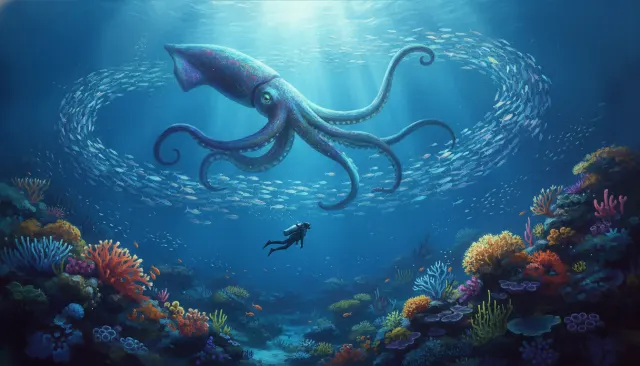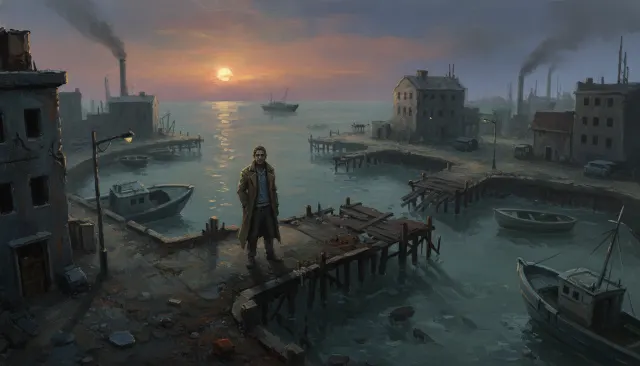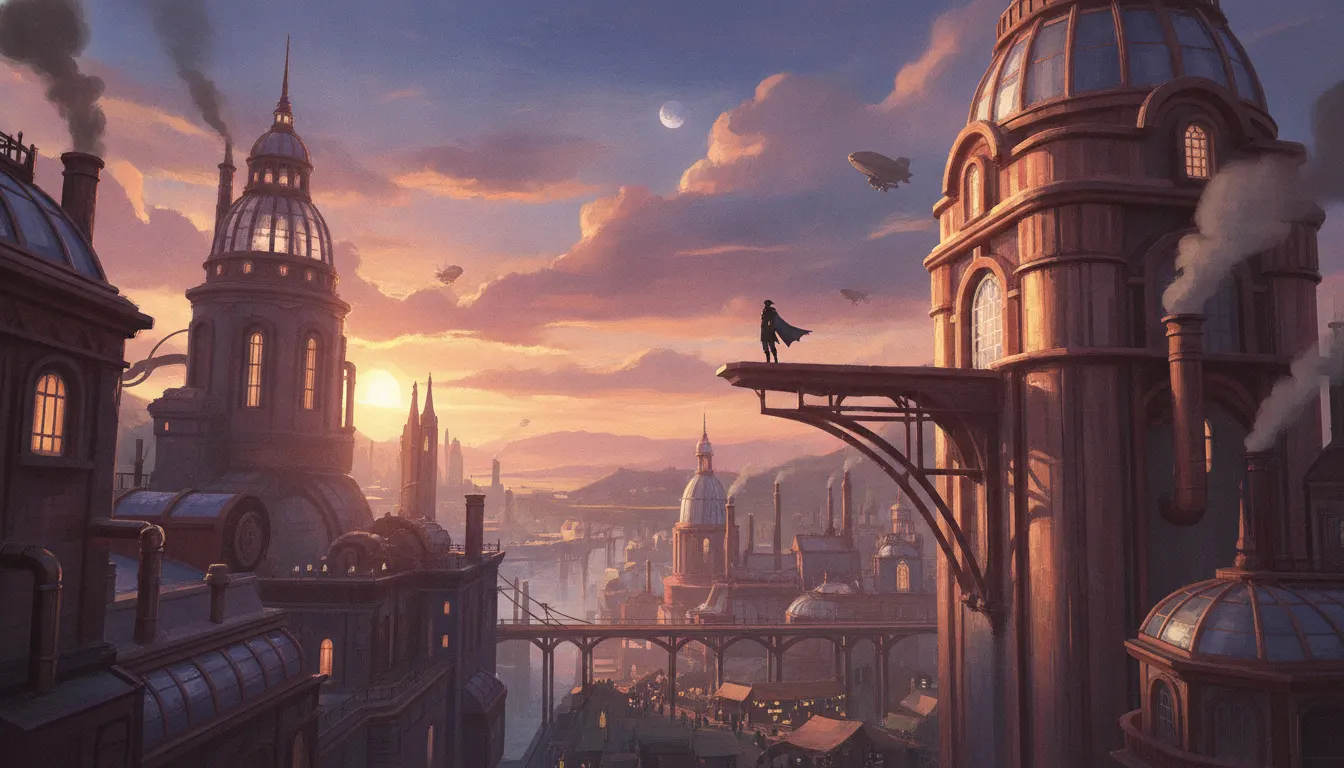
Arcane Season 1
2021
Netflix/Riot Games/Fortiche Production; won Emmy for Outstanding Animated Program
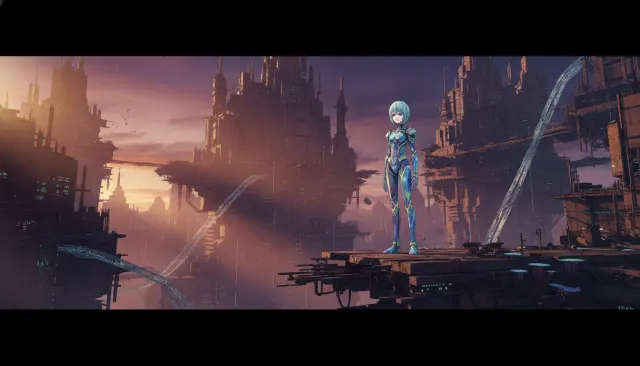
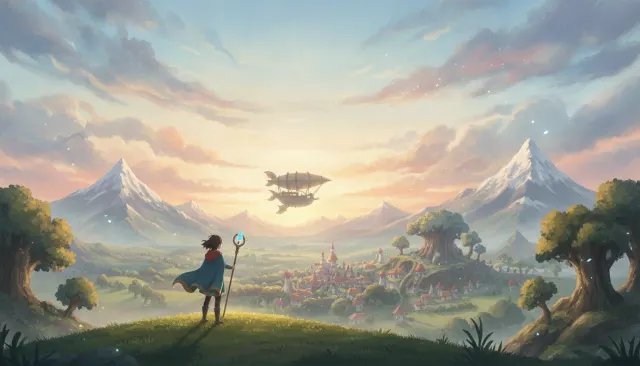
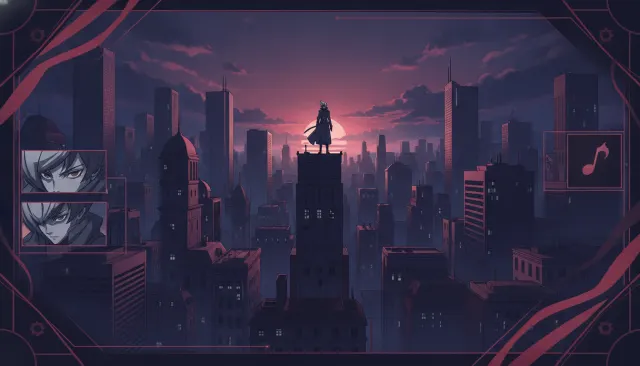
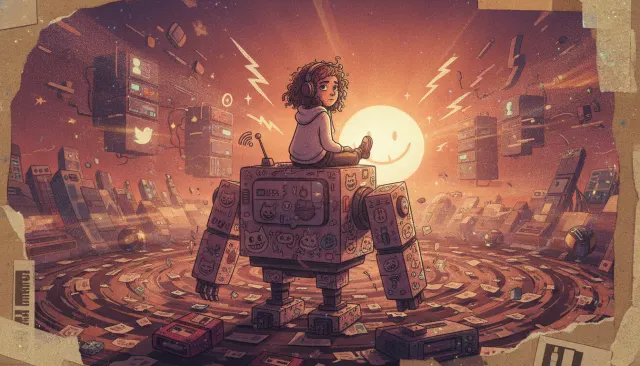
Fortiche Arcane 3D-into-2D painterly. Painted texture passes on 3D rigs, expressive brushstroke environments, League of Legends.
The moves a human crew would use to get here. Cue applies them for you, and knowing their names is how you ask for a change.
pass rendering: base 3D, hand-painted texture layer, stylized specular, variable-weight outlines, global painterly grain
specific color palettes with strong hue identity per fictional location
painted texture layers that preserve visible brush direction and mark-making on surfaces
detection outlines weighted by artistic intent, not pure geometry edge detection
Arcane (Netflix, 2021-2024), produced by Riot Games and animated by Fortiche Production, represents the most significant aesthetic breakthrough in Western animation since Spider-Man: Into the Spider-Verse (2018). Set in the League of Legends universe - specifically the cities of Piltover and Zaun, featuring Vi, Jinx, and Jayce - the series developed a rendering philosophy that has been described as '3D-lit-as-2D': three-dimensional geometry illuminated, shaded, and post-processed to read as oil painting or concept illustration rather than computer graphics.
Fortiche Production, a Paris-based studio founded in 2011 that had previously created League of Legends animated music videos (including 'Get Jinxed', 2013), spent several years developing the Arcane pipeline before principal production on Season 1 began. The core challenge was eliminating the smooth plastic quality of conventional 3D rendering while retaining the spatial coherence and character expressiveness that 3D animation provides.
The solution involved multiple simultaneous rendering passes: a base 3D render informed by physically accurate lighting, then a hand-painted texture layer, a stylized specular pass, edge-detection outline rendering with variable weight based on artistic intent rather than pure geometry, and a painterly grain pass applied globally. The result is a frame that reads as painted illustration first and CG animation second.
Piltover uses warm, ordered light with architectural detail inspired by Art Nouveau and steampunk machinery. The color palette gravitates toward golds, teals, and warm creams that suggest prosperity and scientific aspiration. Zaun is desaturated, wet, and atmospheric - purple-tinged industrial haze, green alchemical glow, and rain-slicked stone surfaces. The distinction between the two cities is the most sustained example of environment-as-character in contemporary animation.
Season 2 (2024) expanded the technique, introducing more varied environments including the Arcane dimension itself, rendered in fractured, gestural mark-making that pushes the painterly approach to its maximum expressive limit.
Season 1 of Arcane won the Emmy for Outstanding Animated Program (2022) - the first Netflix animated series to do so - and sparked widespread discussion about the future of animation aesthetics. The series demonstrated that a production studio could develop a genuinely novel visual approach to 3D animation rather than optimizing for the fastest-to-produce conventions. Fortiche's team of approximately 300 artists spent three years on the nine-episode first season, and the per-minute cost was reported at roughly $10 million. This scale established that the painterly 3D approach, while achievable, requires exceptional investment - which has simultaneously made it aspirational and inaccessible for most productions.
2021
Netflix/Riot Games/Fortiche Production; won Emmy for Outstanding Animated Program
2024
Netflix/Riot Games/Fortiche Production; expanded painterly environments
2013
Riot Games/Fortiche; early painterly animated short precursor
2018
Sony; contemporary aesthetic breakthrough parallel
2021
Netflix/Studio Mir; related Netflix animation quality tier
A Look is not a filter. It is a set of stored decisions the pipeline reads before it makes a single frame, so two videos in the same Look actually match.