Persona 5
2017
Atlus P-Studio, Katsura Hashino / Masayoshi Suto art direction
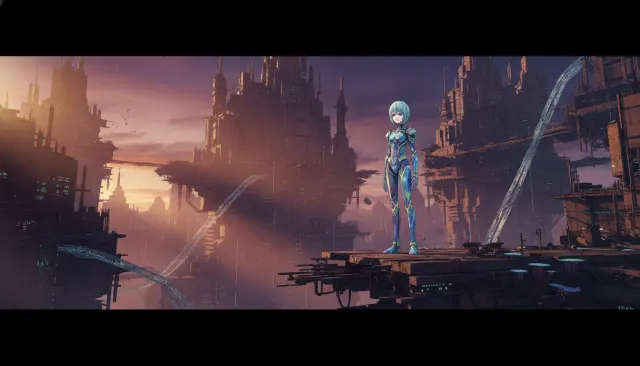
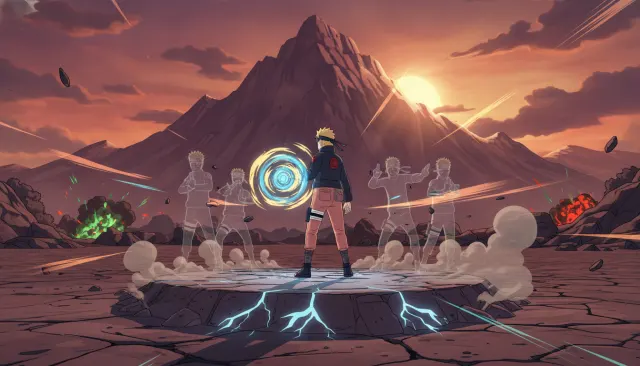
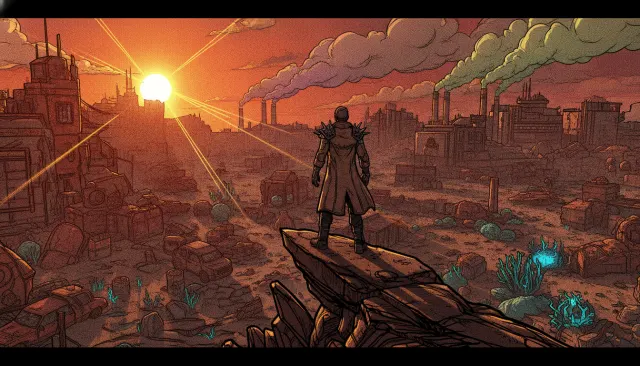
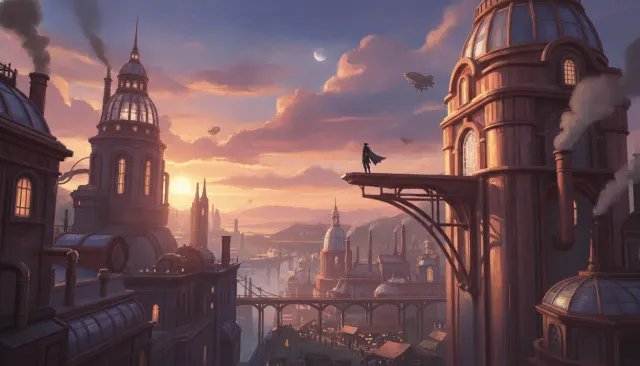
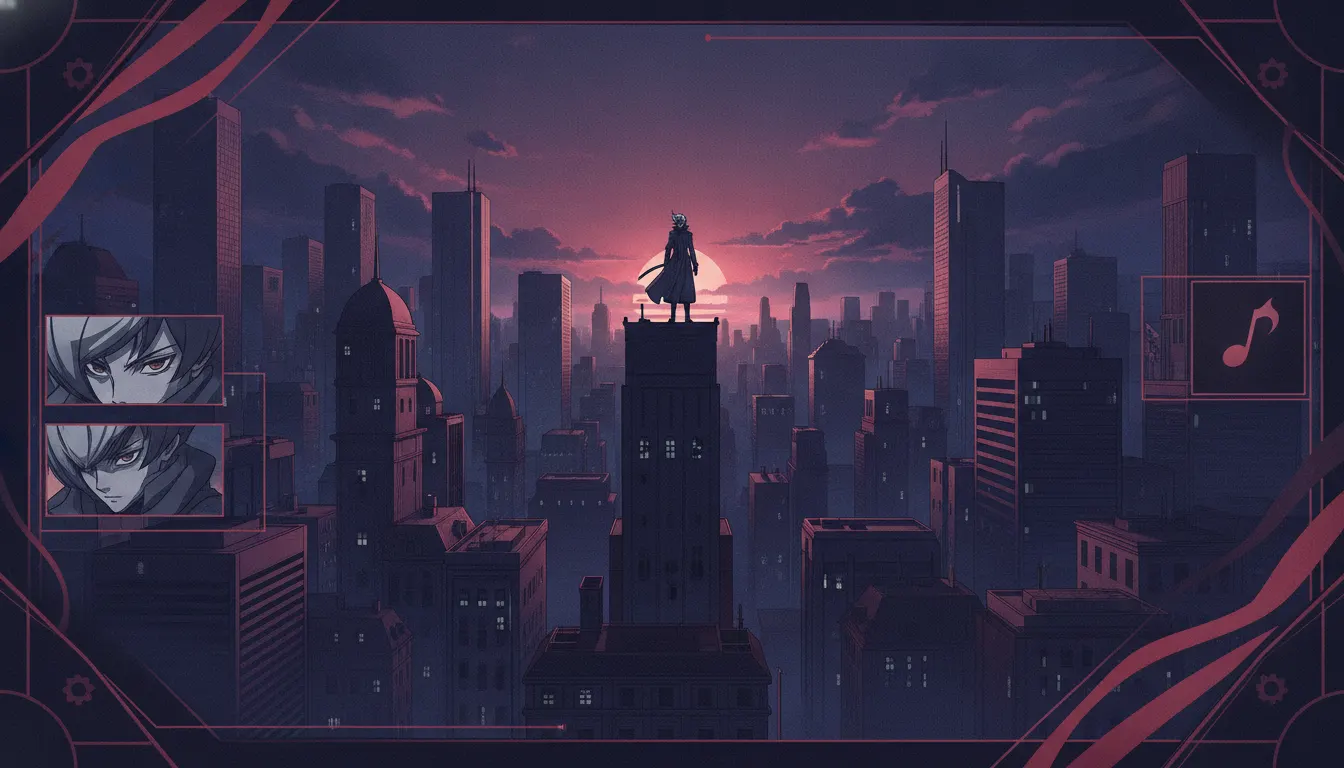
Persona 5 stylish UI-anime 3D. Red-black UI everywhere, jazz-cool palette, stylish cel-shaded characters with anime cut-ins.
The moves a human crew would use to get here. Cue applies them for you, and knowing their names is how you ask for a change.
contrast red, black, and white graphic identity applied consistently across UI and environment
shaded 3D character models with hard shadow thresholds and flat anime-accurate skin tones
saturated Palace/Metaverse environments contrasting muted real-world Tokyo rendering
gestural, size-varied, and motion-animated within scenes
printed illustration against environment
panel style attack sequence framing with freeze-pose mid-action character compositions
Persona 5 (Atlus P-Studio, 2017) and Persona 5 Royal (2020) represent the most cohesive integration of graphic design and game aesthetics in JRPG history. Art director Masayoshi Suto developed a visual identity that treats every element of the game - menus, battle interfaces, cutscene typography, character design, and in-world environments - as components of a single visual system anchored by a high-contrast red, black, and white palette with aggressive flat graphic design.
The Persona 5 UI is frequently cited as the most visually distinctive interface design in video game history. Menu screens are kinetic graphic design compositions: rotating circles, slash transitions, hand-gesture iconography derived from heist-movie visual language, and typography that references punk zine culture. Every transition between menu states is a micro-animation that reinforces the game's Phantom Thieves identity. The combat interface - selecting 'Attack', 'Skill', 'Guard', 'Item' - involves more visual style per click than most entire game menus.
The UI design informed by graphic designers like Neville Brody (Face magazine, 1980s) and Saul Bass (title sequence pioneer) is unusual for a Japanese JRPG studio but reflects director Katsura Hashino and Suto's explicit interest in bringing graphic design culture into game visual identity.
Character models use cel shading with anime-accurate flat color areas, hard shadow thresholds, and rim lighting that gives characters the appearance of ink-printed figures against the environment. The Metaverse/Palace environments (Kamoshida's castle, Madarame's museum, Futaba's pyramid) use over-saturated color palettes and surreal scale to visually separate the cognitive world from the real Tokyo environments, which are rendered in comparatively muted, observational tones.
Persona 5: The Animation (CloverWorks, 2018) translated the game's visual identity back into conventional 2D anime, while Persona 5 Strikers (P-Studio/Omega Force, 2021) maintained the graphic design identity across an action RPG format.
Suto's UI work has been analyzed extensively in graphic design communities as an example of brand identity taken to its logical extreme within a software product. Every element of the Persona 5 interface - loading screens, menu borders, item descriptions, pause screens - is designed as if it were a poster, not a functional UI container. This creates a paradox: the interface is simultaneously maximally stylized and highly legible. The trick is that Suto's design operates on a clear visual hierarchy even within the chaos, with the primary action always the most isolated element on screen. The Persona 5 UI has influenced subsequent game interface design across the industry, most visibly in the UI aesthetics of Astral Chain (PlatinumGames, 2019) and various other Japanese studio productions that adopted its kinetic graphic vocabulary.
2017
Atlus P-Studio, Katsura Hashino / Masayoshi Suto art direction
2020
Atlus P-Studio; expanded content with consistent visual identity
2018
CloverWorks; 2D anime visual translation
2021
Omega Force/Atlus; action RPG format extension
2012
Atlus; yellow graphic design predecessor
2024
Atlus; series design evolution reference
A Look is not a filter. It is a set of stored decisions the pipeline reads before it makes a single frame, so two videos in the same Look actually match.