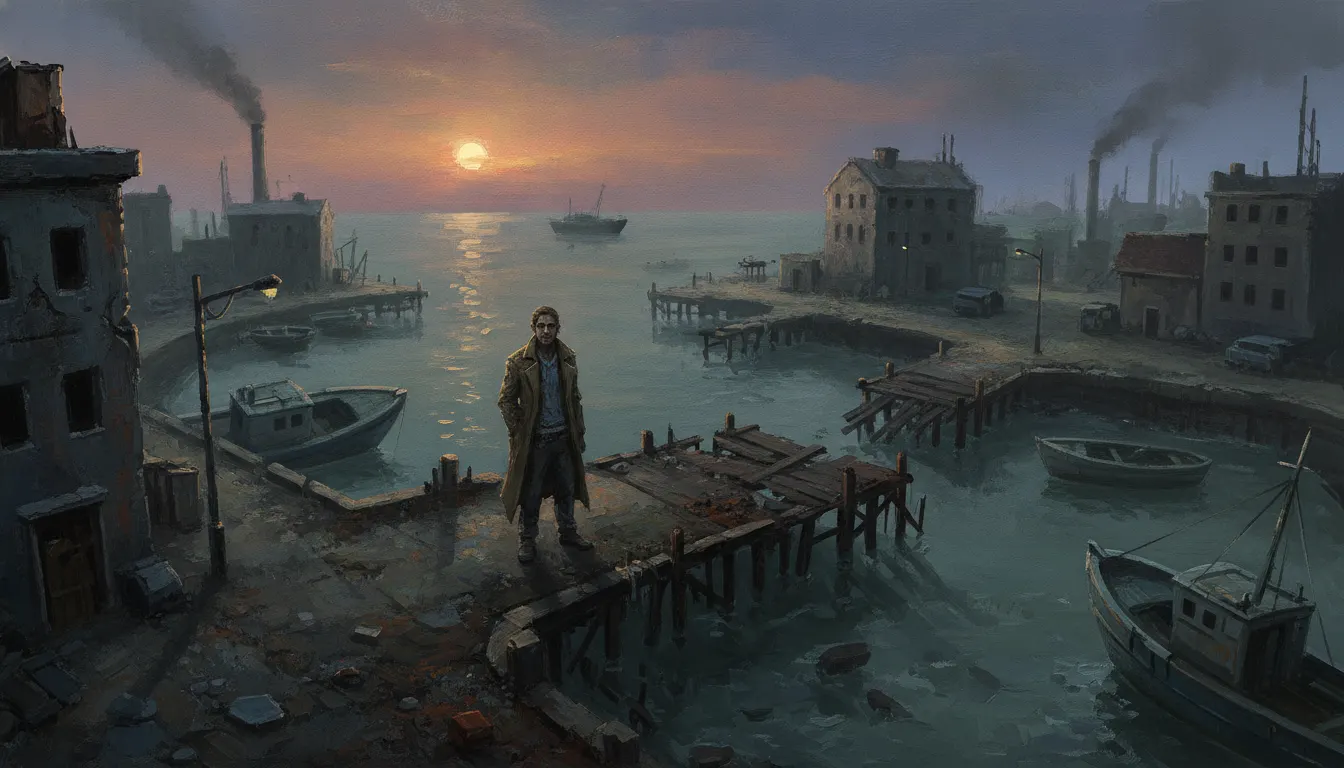
Disco Elysium (ZA/UM, 2019)
the defining reference
Disco Elysium ZA/UM painted oil-impasto aesthetic. Revachol coastal-decay palette, character portraits as oil paintings, isometric political-noir RPG.
The moves a human crew would use to get here. Cue applies them for you, and knowing their names is how you ask for a change.
base with oil-painting post-treatment - visible brushwork and texture on all surfaces
saturation signals civilization, desaturation signals entropy/The Pale
Northern European grey-sky quality
painted foreshortening rather than mathematically accurate projection
each location has 3-4 dominant hues applied with restraint
Disco Elysium (ZA/UM, 2019) is the most visually distinctive CRPG of its era, with an art style that owes more to 20th-century Eastern European oil painting than to games. Lead artist Aleksander Rostov - drawing on the traditions of Soviet-era Estonian painting and the expressionist portrait work of artists like Egon Schiele - created a game world that looks like a vast painted diorama: isometric, densely detailed, and possessed of a melancholy beauty unlike anything in comparable games.
Every surface in Disco Elysium appears painted rather than modeled. Rostov and the ZA/UM art team worked from a 3D base but applied oil-painting techniques in post to flatten and texturize everything into a painted-canvas quality. Brushwork is visible in sky gradients. Shadow edges are impressionistic rather than geometrically precise. This creates an environment that rewards slow contemplative exploration - there is always more visual detail in a corner than your first glance suggested.
NPC portrait illustrations - shown during dialogue - are among the most expressive in games. Faces are painted with deliberate distortion: exaggerated proportions, unusual color choices for skin tones (verdigris shadows, cadmium red cheeks), paint handling that suggests emotional state rather than anatomical accuracy. The portraits of characters like Jean Vicquemare, Klaasje, and Cuno are memorable precisely because they are slightly wrong in the way that great expressionist portraiture is slightly wrong.
The game's fictional apocalyptic phenomenon, The Pale, is rendered as a bleached white dissolution at the edges of the world - color draining to nothing. This environmental storytelling through color (saturation = civilization; desaturation = entropy) is sophisticated world-building through art direction. The city of Martinaise has a cold, overcast grey-blue quality from the sea fog; specific interiors warm to amber and ochre.
The game's writers and artists shared a vision: the art should look like a novel's cover illustration by a great 20th-century painter. Every environment is both a game space and a painting with a point of view.
the defining reference
expanded edition
literary CRPG predecessor in the tradition
painterly CRPG contemporary with different register
parallel literary-artistic indie game aesthetic
expressionist portrait visual reference
illustrated historical RPG in the painterly CRPG tradition
A Look is not a filter. It is a set of stored decisions the pipeline reads before it makes a single frame, so two videos in the same Look actually match.
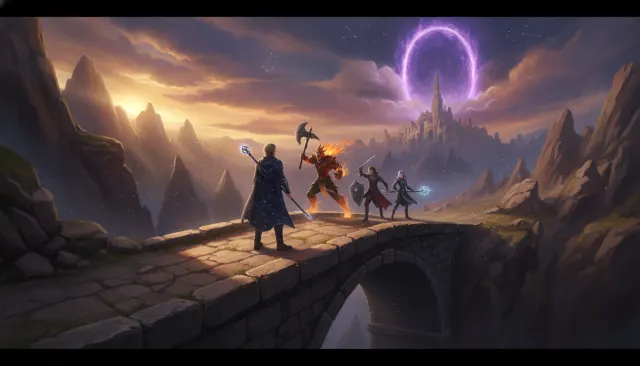 Aaa Cinematic ExtendedBaldurs Gate 3 Cinematic RPG
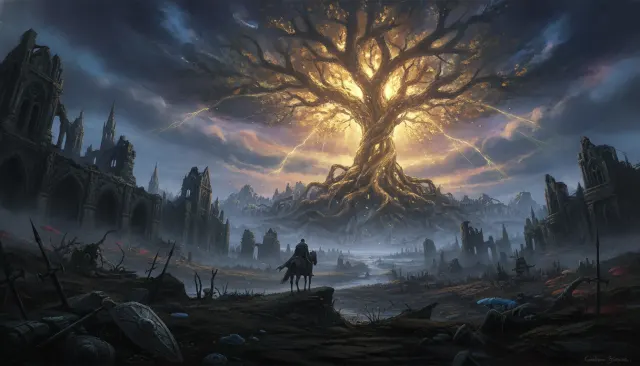 Aaa Cinematic ExtendedElden Ring Dark Souls Painterly Fantasy
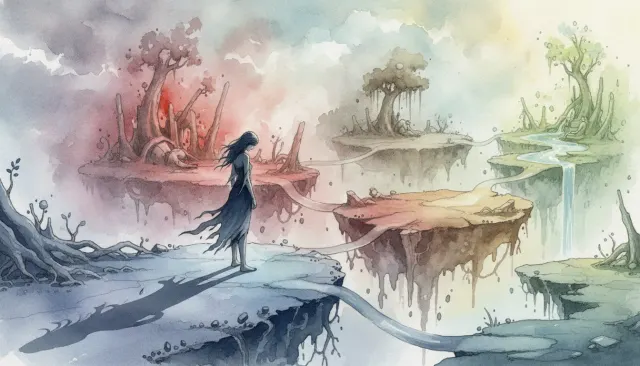 Indie StylizedGris Watercolor Platformer
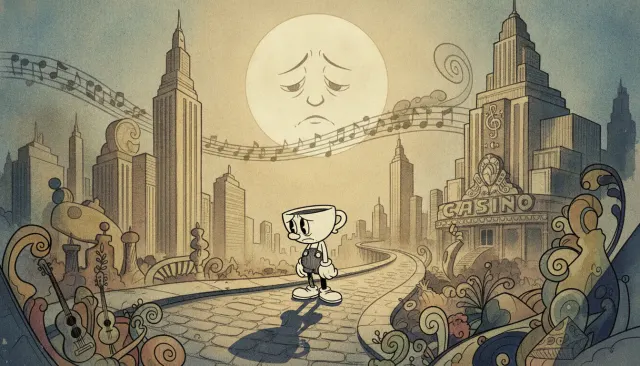 Indie StylizedCuphead 1930s Rubber Hose
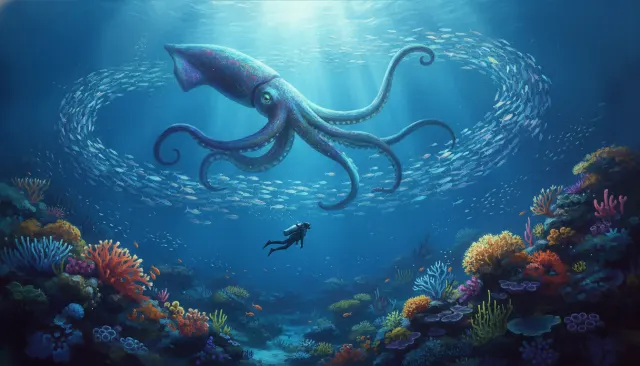 Indie StylizedAbzu Painterly Underwater
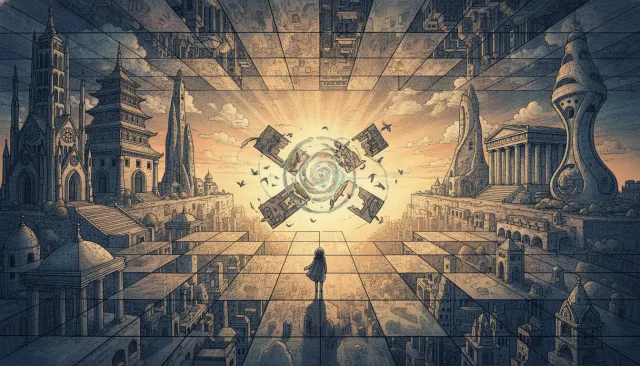 Indie StylizedGorogoa Illustrated Puzzle
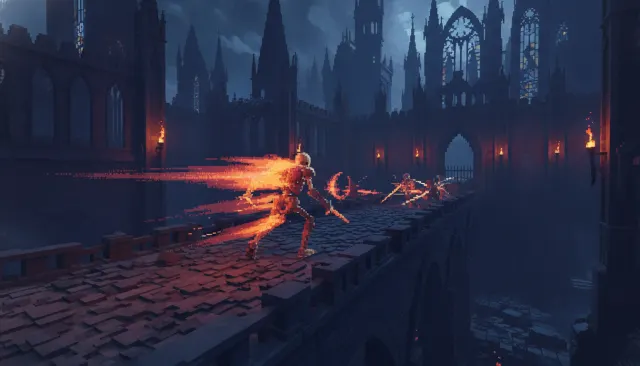 Pixel Modern IndieDead Cells Pixel Roguelike