Ni no Kuni: Wrath of the White Witch (2011/2013)
Level-5/Studio Ghibli; Yoshiyuki Momose animation
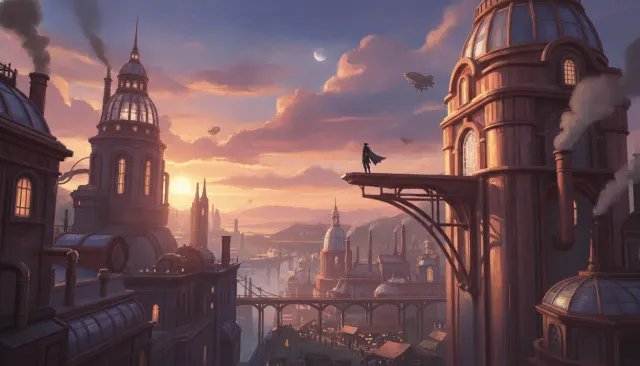
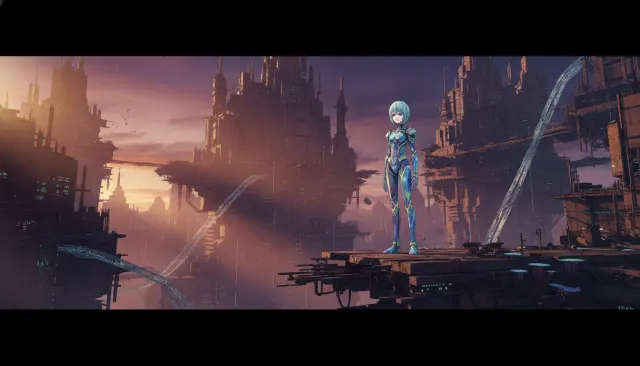
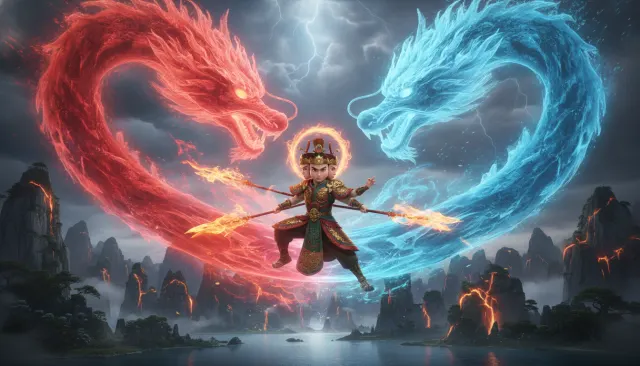
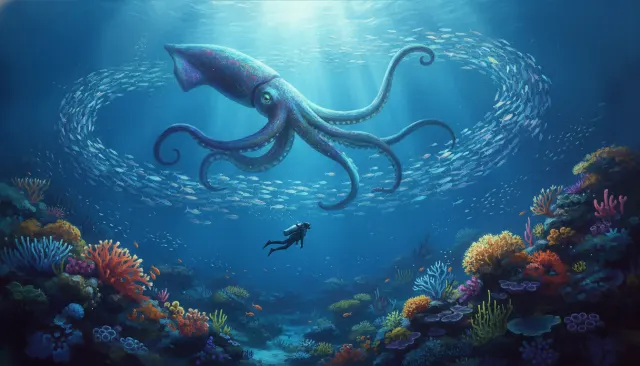
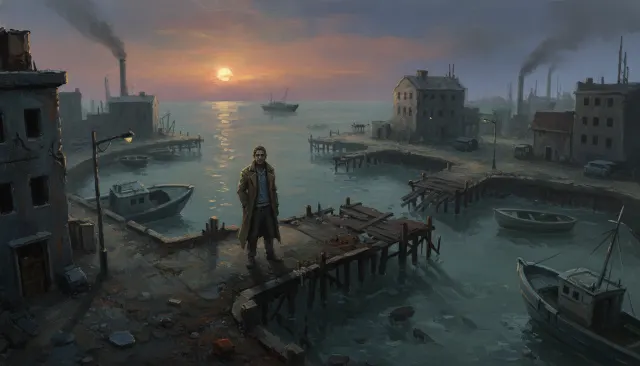
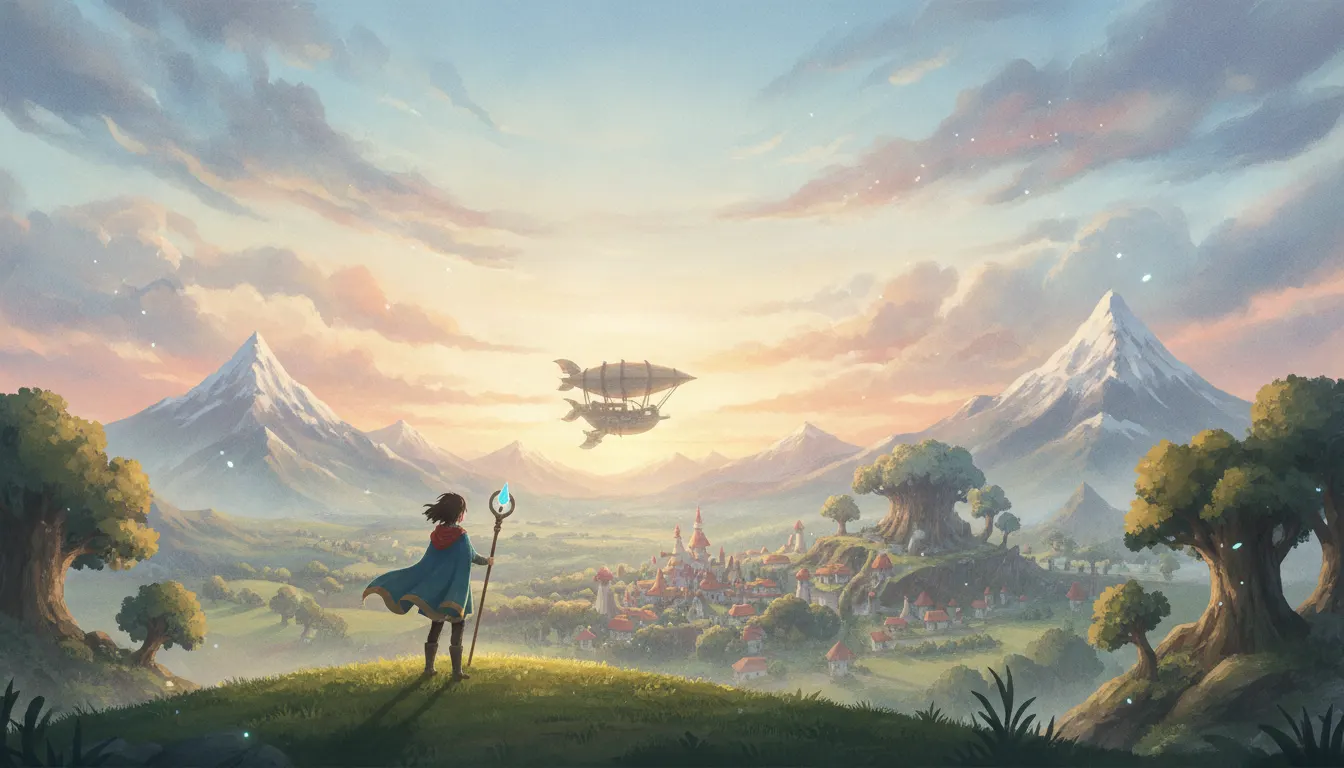
Ni No Kuni Studio Ghibli-painted 3D. Ghibli-aesthetic 3D world, watercolor-feel skybox, gentle JRPG warmth.
The moves a human crew would use to get here. Cue applies them for you, and knowing their names is how you ask for a change.
shaded characters with minimal specular response and preserved 2D silhouette proportions
cool contrast following Ghibli background painting conventions
Ni no Kuni: Wrath of the White Witch (二ノ国 白き聖灰の女王), developed by Level-5 and released in Japan in 2011 (Western release 2013), stands as the definitive achievement in translating Studio Ghibli's hand-drawn aesthetic into real-time 3D game rendering. The collaboration between Level-5 (founder Akihiro Hino) and Studio Ghibli produced a visual language often called 'the game that looks like a Ghibli film' - a description that underestimates its technical specificity.
Studio Ghibli contributed animation direction, character design, and the film sequences that bracket the game's chapters - full traditionally-animated segments supervised by animator Yoshiyuki Momose (known for his work on Spirited Away, 2001, and Howl's Moving Castle, 2004). These 2D sequences establish the visual benchmark that the game's 3D engine then must approximate in real-time.
The game's 3D environments use a custom rendering pipeline that mimics watercolor wash characteristics: soft color bleeding at terrain edges, translucent overlapping color layers for vegetation and sky, and a consistent warm-cool contrast that evokes the gouache-on-watercolor-paper technique Ghibli background painters (led across the studio's history by Nizou Yamamoto and Kazuo Oga) developed over decades.
Protagonist Oliver's character design - round face, large eyes, stubby proportions - translates from 2D to 3D with unusual fidelity because Level-5 prioritized silhouette preservation over surface detail. The art direction decision to use flat-lit cel shading with minimal specular response on characters mirrors Ghibli's practice of avoiding complex secondary lighting on characters in 2D animation (which would defeat readable key-light-and-fill staging).
Ni no Kuni II: Revenant Kingdom (Level-5, 2018) extended the aesthetic into a more stylized, higher-saturation palette but moved away from the Ghibli collaboration, resulting in a comparatively flatter visual identity despite improved technical execution.
The Level-5/Ghibli collaboration succeeded because both studios share a foundational principle: environment design should feel like a world worth inhabiting, not a backdrop for mechanics. Ghibli's background artists, under the direction of Kazuo Oga (whose backgrounds for My Neighbor Totoro and Kiki's Delivery Service are considered the studio's foundational landscape work), built environments where the light and color suggest a specific time of day, season, and emotional atmosphere. Level-5 translated this philosophy into level design: every region in Ni no Kuni uses a distinct palette that communicates geography and mood before the player encounters a single story event. The desert areas use amber and dusty rose, the forest regions use layered greens and filtered gold light, and the ocean environments use deep teal-blue with silver surface highlights - a color map that functions as emotional wayfinding.
Level-5/Studio Ghibli; Yoshiyuki Momose animation
2018
Level-5; extended aesthetic without Ghibli collaboration
2001
Studio Ghibli, Hayao Miyazaki; source aesthetic benchmark
2004
Studio Ghibli, Hayao Miyazaki; Momose animation reference
2016
Level-5; mobile extension
Level-5/Production I.G; animated feature extending the universe
A Look is not a filter. It is a set of stored decisions the pipeline reads before it makes a single frame, so two videos in the same Look actually match.