The oldest stories,
in the art they were told in.
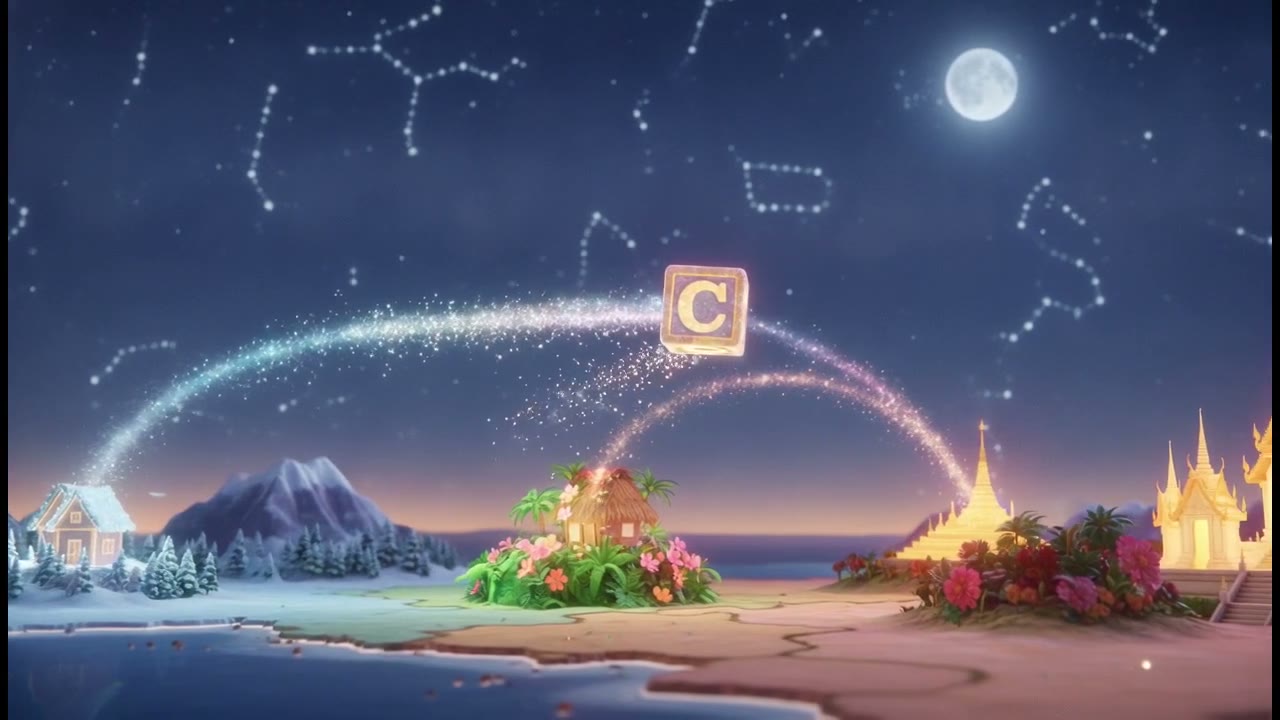
Type or paste the fable, the myth, the parable or the moral tale, and it is split into scenes, narrated, and rendered in a visual tradition you choose. 80 of the looks are folk and world traditions and the illumination, icon and fresco looks sit beside them, so a story can be told in the art of the place it came from.
- You bring
- The text
- You get
- A telling, in one tradition
- Runs
- Five to eight minutes, or shorter
This is for you if
You retell stories that have been retold for centuries, and every tool you have tried renders all of them in the same glossy default that belongs to none of them.
What it will not do
This renders a story in a visual style. It does not interpret scripture, it is not a religious authority, and nothing it produces is a warrant that a reading is doctrinally sound: the script is generated from the text you hand it, and checking that text and that script against your own tradition is your job and not the tool's. The looks are pastiches of a visual language rather than works made inside it, they are painted by a model that has never held a brush, and several of the traditions named here belong to communities with their own rules about who makes such images, when, and for what. Credit the tradition, and expect that some subjects are not yours to render.
You bring one thing.
You get the rest.
The text
Type the story or paste it in with From a topic or brief, or point From a URL at a page that already carries it. A public domain collection, a translation you have the right to use, your own retelling. Which text you are entitled to use is your call to make, not ours to grant.
A telling, in one tradition
Scenes split from the text, a still or a moving shot for each, narration, captions, and one look holding the whole thing together. The score is composed for the video rather than picked off a library, and it is instrumental by design, written to sit under a voice instead of competing with it.


5 steps,
and you can stop
at any of them.
Nothing renders until you have read the script and looked at the shots. If it is going wrong you find out before you have paid for it.
- 01
Bring the text
Paste the fable, the parable, the myth, or describe the telling you want. Nothing is fetched from anywhere unless you hand it a URL.
- 02
Choose the tradition
The look is the visual language the story is rendered in. A Tibetan thangka scroll, a Thai temple mural, a Madhubani painting from Mithila, a Byzantine icon panel, an illuminated manuscript page. The choice carries most of the tone, and it is yours.
- 03
Pick the shape
Micro-doc runs a cold open and three acts across five to eight minutes, with room to breathe between beats. POV Narrative walks the listener through in second person. Both are starting points you can change.
- 04
Read the split before it renders
You see how the text was divided into scenes, and the stills, before anything is made. A scene that reads wrong goes back with a note on what to change.
- 05
Narrate and render
Pick the voice and render. The narration is the spine and the score is written under it, which is what a story told aloud actually wants.
The whole look catalogue, 1080p with no watermark, and up to ten minutes a video are on Creator, which is what a five to eight minute telling needs. Free caps a video at three minutes, which is a short parable and not much more.
See what that is →The ones
people ask.
- 01
Will it get the theology right?
Do not assume it will. It splits the text you give it into scenes and speaks a script over them. It does not interpret, it does not choose between readings, and it does not know which translation your audience uses. Paste the wording you want and read the script before you spend a render on it.
- 02
Can I tell a story in the art of its own culture?
That is what the folk and world family is for: 80 looks across African, South and South East Asian, East Asian, Middle Eastern and North African, European, Latin American, Indigenous American and Pacific traditions, grouped into 15 regions. They are renderings in the manner of a tradition, not works made within one, and some traditions have rules about who may make such images at all. Choosing well is worth the minute it takes.
- 03
Which look suits a Bible story?
Byzantine Icon Gold Leaf gives you the Eastern Orthodox panel: gold ground, frontal gaze, egg-tempera robes. Medieval Illuminated Manuscript is the Latin scriptorium page with a gilded drop-cap and marginalia. Book of Kells Celtic Illuminated is Insular knotwork and zoomorphic spirals. Renaissance Fresco Michelangelo is the ceiling vault and the anatomy. They read very differently, and the difference is most of the tone.
- 04
What about the Jataka tales, or Krishna, or the Ramayana?
Thai Mural Buddhist Temple is the wat wall painting the Jataka tales are actually told on, tiered and flat and gold-leafed. Tibetan Thangka Buddhist Scroll is the painted scroll of Vajrayana practice. The Indian looks run from Madhubani in Mithila to Pichhwai Krishna painting from Rajasthan, Rajasthani miniature, and Warli from Maharashtra. Name the tradition and there is usually a look already in the catalogue for it.
- 05
How long should one of these be?
Micro-doc is built for five to eight minutes, which is about right for a story with a turn in it. Creator allows ten minutes a video. Free stops at three, which fits a fable and not a myth cycle.
- 06
Can I run this weekly?
Yes, and it is the natural cadence for it. Set the channel to weekly, keep one look so the series reads as a series, and each week is a new text. The weekly entry linked below covers the cadence side of it.
 08 · ANIMATION
Animated stories
Five animated families, one character who keeps its face.
See how it works → 04 · WEEKLY
Post every week
A weekly channel where the host is a character you built.
See how it works → 02 · CHARACTERS
One character, every video
Build the face once and stop redrawing it.
See how it works →