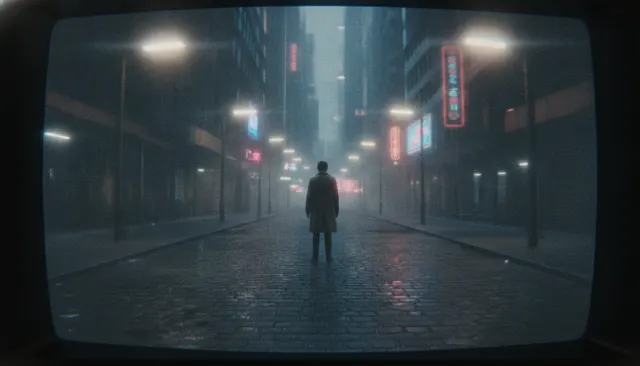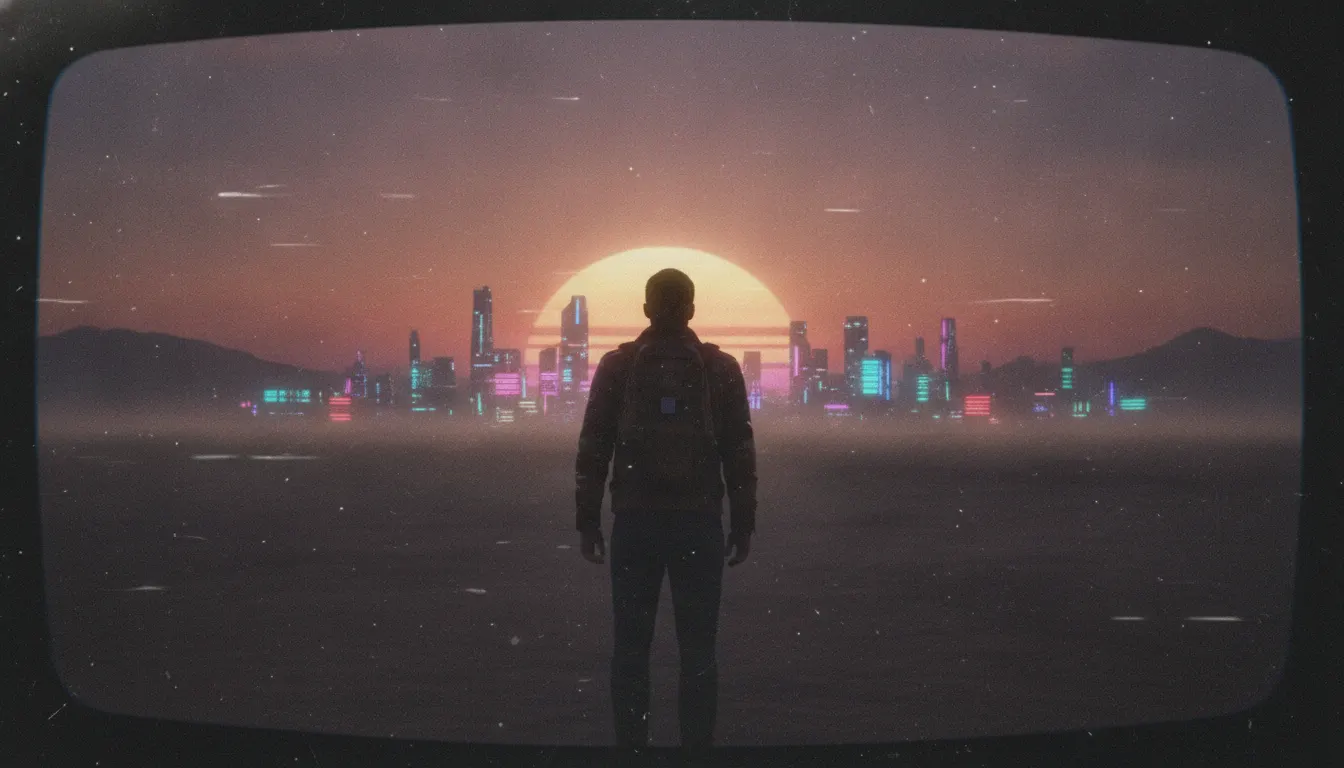
Sabrina Carpenter VHS-style music video content
various directors · 2020s
Contemporary pop artists using VHS throwback aesthetic as a premium intimacy signal in music video and behind-the-scenes content
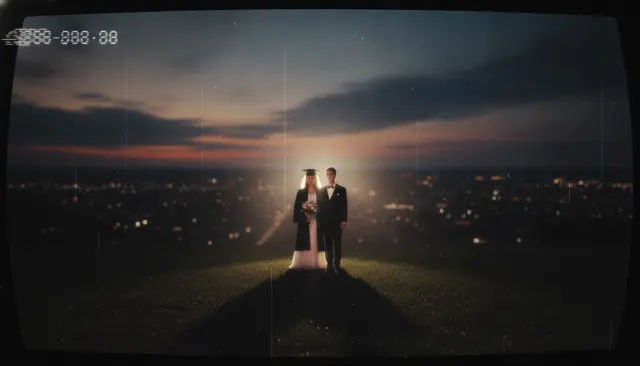
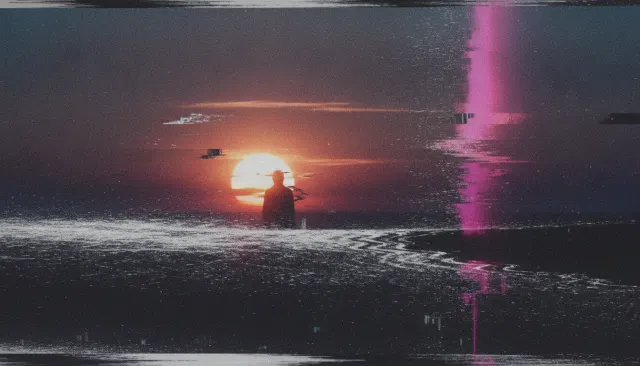
80s VHS tape artifacts. Chromatic aberration, scanlines, tracking errors, oversaturated.
The moves a human crew would use to get here. Cue applies them for you, and knowing their names is how you ask for a change.
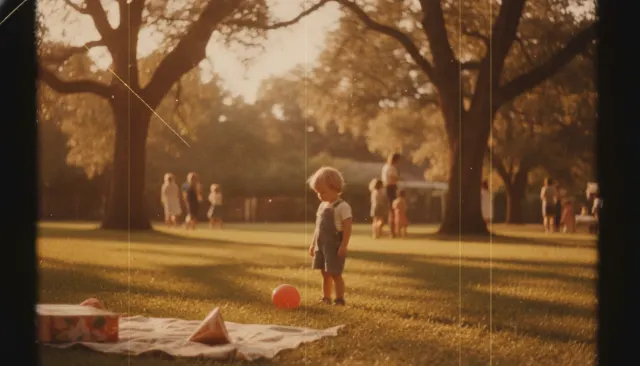
Elevated red-orange channel in shadows and midtones replicating consumer CCD auto white balance under incandescent lighting - the defining throwback warmth.
Overall image softness consistent with VHS horizontal resolution limits - not lens blur but a uniform directional soft quality across the frame.
Yellow LED-display format date-time code in lower-right corner, using bitmap fonts replicating Sony/JVC/Panasonic display typography.
Visible horizontal scan lines at 1:1 playback or in paused frames, from the NTSC 480i interlaced scan format.
Slight pitch instability applied to audio when used for video content, replicating the audio track behavior from helical scan tape.
Simulated automatic exposure fluctuation as the camera adjusts to changing light, producing brief brightness swells and dark-downs in scene cuts.
Horizontal smear during fast pans, from the low shutter speed (1/60s NTSC) and CCD smear characteristics of consumer camcorder sensors.
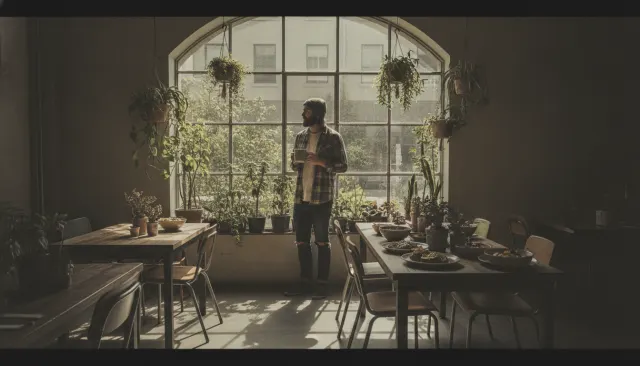
The VHS throwback aesthetic is the culturally mediated, softened version of VHS tape damage - less about technical failure and more about the overall visual and emotional register of consumer camcorder footage from the 1985-1999 era. Where the damage/static/decay variant foregrounds artifacts as horror or decay signals, the throwback variant embraces the warm color temperature, soft resolution, visible scan lines, and date stamp typography as comfort and nostalgia signals.
The VHS throwback as a deliberate contemporary aesthetic emerged approximately 2010-2012 alongside vaporwave music and early Instagram filter culture. The simultaneous availability of cheap digital camcorders that made 1990s home video look like professional production, and the first wave of 2000s-children's nostalgic relationship with 1990s media, created the conditions for treating VHS quality as aesthetic aspiration rather than technical limitation.
Tumblr accounts dedicated to screengrabbing 1990s television, music video bootlegs, and home video, combined with the vaporwave music community's embrace of NTSC color artifacts and scan lines as aesthetic markers, established the visual vocabulary. By 2013-2015, Instagram and VSCO presets simulating VHS warmth were among the most downloaded, and YouTube aesthetics channels devoted to VHS emulation tutorial content had millions of subscribers.
The core visual difference between VHS throwback and VHS damage is the color temperature: consumer camcorders of the 1985-1999 era used CCD sensors with auto white balance that consistently pushed toward warm (orange-yellow) tones in interior incandescent lighting, and toward slightly cool but saturated tones outdoors. The characteristic birthdays-at-the-kitchen-table VHS color is warm amber-orange in shadows and highlights, with slightly elevated red channel and reduced blue.
The Panasonic AG-456 (prosumer), the Sony CCD-TRV65 Hi8, and the JVC GR-AX series are the canonical camcorder reference points. Their optics produced slightly soft, low-contrast images with visible vignetting, and the interlaced 240-line horizontal resolution is visually distinct from modern 4K video in its softness and the characteristic horizontal scan line structure visible in paused frames.
The date-time stamp overlaid on consumer camcorder footage is the single most recognized signifier of the throwback aesthetic. The specific yellow LED-display numeric typography of Sony, Panasonic, and JVC date stamps from 1990-2001 (format: MM/DD/YY HH:MM:SS, displayed in the lower-right corner) has been extracted as a design element used in social media content, music videos, and fashion photography to locate content emotionally and temporally.
various directors · 2020s
Contemporary pop artists using VHS throwback aesthetic as a premium intimacy signal in music video and behind-the-scenes content
Netflix / The Duffer Brothers · 2016-present
Enormously influential use of period video aesthetics for mainstream 1980s nostalgia content, normalizing the throwback look globally
Lofi Girl / various YouTube channels · 2017-present
Long-running visual format using VHS throwback aesthetics as a primary design element in the most-watched streaming music on YouTube
Macintosh Plus, Blank Banshee, others · 2011-2014
Music genre that institutionalized NTSC color artifacts, VHS tracking aesthetics, and date stamp typography as genre-defining visual markers
Billie Eilish / Finneas · 2016-2018
Use of consumer camcorder and VHS throwback aesthetics in early career content reinforcing lo-fi intimacy and authenticity positioning
various · 1990s
The actual source material - millions of hours of family, event, and personal documentation that defines the baseline aesthetic being referenced
A Look is not a filter. It is a set of stored decisions the pipeline reads before it makes a single frame, so two videos in the same Look actually match.