Encanto
2021
Walt Disney Animation Studios, dir. Jared Bush, Byron Howard, Charise Castro Smith
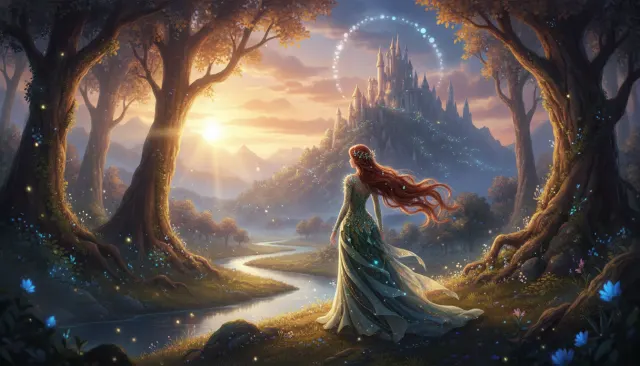
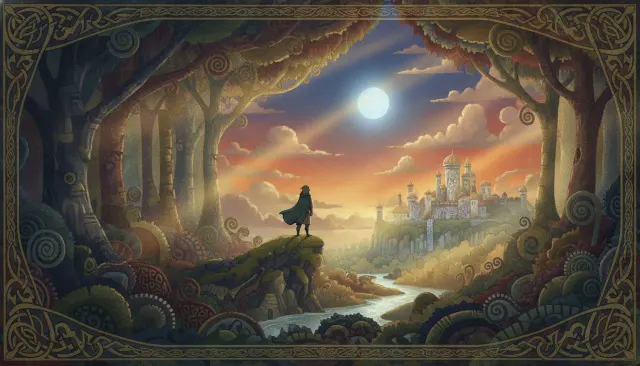
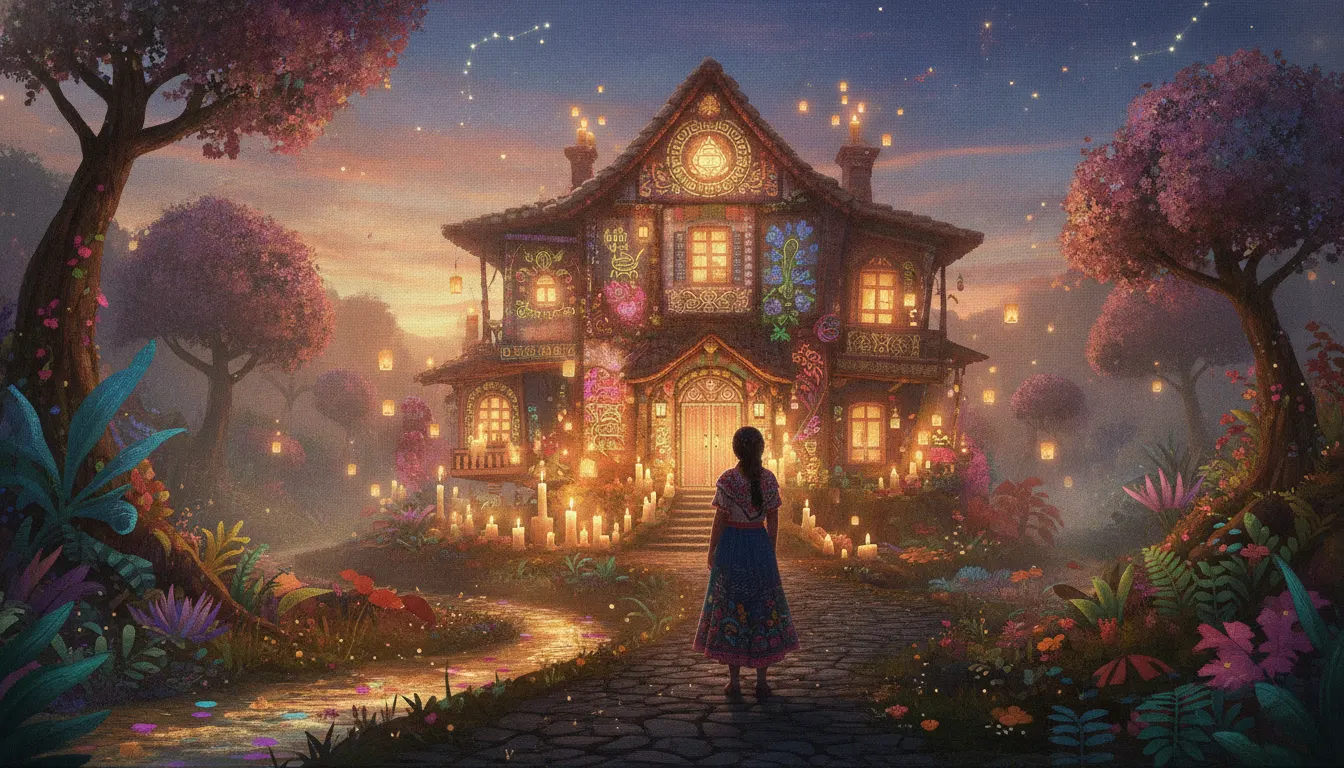
Disney Encanto painterly CG. Colombian-magic palette, embroidery-pattern surfaces, candle-warm magical light, expressive Latin-American characters.
The moves a human crew would use to get here. Cue applies them for you, and knowing their names is how you ask for a change.
high ambient fill, warm golden-hour key, deep green filtered jungle shade
character magical gift color language creating synesthetic visual-musical identity
based simulation of thousands of individual architectural elements (Casita tiles, stairs, door frames)
bahareque construction, colorful painted facades, courtyard topiary
Encanto (Walt Disney Animation Studios, 2021) directed by Jared Bush and Byron Howard (with co-director Charise Castro Smith) represents a significant artistic evolution in Disney's CGI pipeline-specifically the development of rendering techniques that introduce painterly texture and light-play into a fully 3D world, moving away from the clean, polished surfaces of earlier Disney CGI toward something that references the richness of Colombian visual culture, magical realism literature, and the warm, textured quality of oil and watercolor painting.
The production team made multiple research trips to Colombia, specifically to cities and regions including Cartagena, Salento, Barichara, and the Coffee Region's colorful hilltop towns. Art director Ian Gooding and production designer Ian Gooding (with character design lead Bill Schwab) embedded specific Colombian architectural elements-bahareque construction, colorful painted facades, tropical courtyard homes-into the Madrigal Casita's design. The color palette directly references the saturated tropical pigments of Colombian folk art: deep magenta, warm ochre, bright cobalt, leafy green.
Unique to Encanto is the architectural protagonist: the Madrigal family home (the Casita) is itself a living character. This required Disney's effects team to develop simulation systems for the house's tiles, stairs, and wooden elements responding dynamically to emotion. The Casita's magical responses-tiles rearranging, doors opening, candles lighting-required physics-based object simulation on thousands of individual architectural elements simultaneously.
Disney's CAPS (Computer Animation Production System) successor pipeline for Encanto incorporated several painterly rendering approaches: procedural texture variation that prevents the uniformly smooth surface quality of early CGI, subsurface scattering in skin shaders calibrated specifically for brown and warm-toned skin (a noted improvement over CGI studios' historical bias toward pale-skin calibration), and lighting that references the quality of tropical natural light-high ambient, warm golden hour, deep green-filtered jungle shade.
The visual language is deeply integrated with Lin-Manuel Miranda's musical score (his first Disney collaboration since Moana and the first following Hamilton). Each character's magical gift has a specific visual color language-Luisa's strength sequences use heavy blue-grey, Isabela's flower powers use a pink-to-purple gradient, Mirabel's scenes use warm gold-creating a quasi-synesthetic mapping between musical character and visual identity.
2021
Walt Disney Animation Studios, dir. Jared Bush, Byron Howard, Charise Castro Smith
2016
Disney - Pacific cultural research predecessor (dir. Ron Clements, John Musker)
2017
Pixar - Mexican cultural research animation (dir. Lee Unkrich, Adrian Molina)
2021
Disney - Southeast Asian cultural research animation
composer, Encanto soundtrack (and prior: Moana, Hamilton)
A Look is not a filter. It is a set of stored decisions the pipeline reads before it makes a single frame, so two videos in the same Look actually match.