Coraline
2009
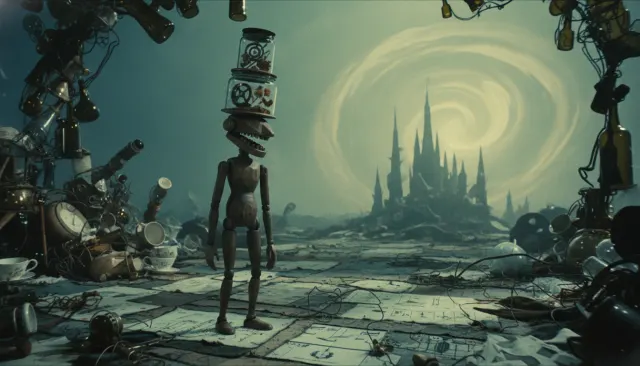
Laika Studios, dir. Henry Selick - stop-motion aesthetic reference
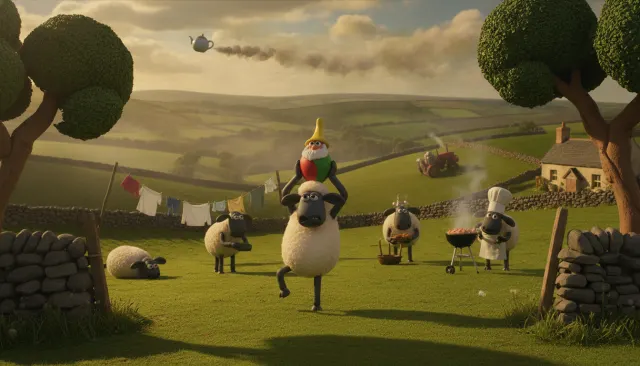
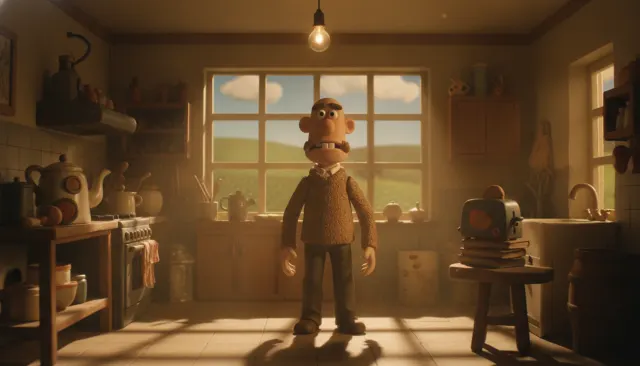
Clay-look stylized 3D render. Matte clay material with no specular, sculpted character feel, art-direction-friendly silhouette pass.
The moves a human crew would use to get here. Cue applies them for you, and knowing their names is how you ask for a change.
dominant Principled BSDF or custom clay shader with near-zero specular and high roughness
radius subsurface scattering for internal glow at edges under directional light
mark, or grain displacement maps
tone palette referencing commercial plasticine color ranges
The stylized clay render look in CGI refers to a family of 3D rendering approaches that simulate the visual properties of physical stop-motion clay animation-particularly plasticine (Aardman-style), matte polymeric clay, or Sculpey-while being produced entirely in software. This aesthetic gained significant traction in the 2010s and exploded in accessibility after Blender 2.8 (2019) made the required shader tools free and widely available.
The defining material quality is matte, chalky surface response: clay renders use a diffuse-dominant shader with minimal specular, meaning the surface reads as soft and light-absorbing rather than reflective. This is the opposite of a plastic or glass shader. Subsurface scatter at a very short radius gives clay a slight internal glow under strong directional light-similar to wax or thick paper-without making it translucent. Surface normals are often perturbed with micro-displacement noise or hand-sculpted fingerprint/tool-mark patterns to replicate the physical imperfections of real clay work.
Clay renders typically use a saturated, slightly retro color palette that references the limited range of commercially available plasticine colors: primary reds, cobalt blues, egg-yolk yellows, forest greens, cream whites. These colors are not digitally pure-they carry slight desaturation and variation that references pigment mixing and opacity variation in physical clay.
While Laika Studios (Coraline, 2009; ParaNorman, 2012; Kubo and the Two Strings, 2016; Missing Link, 2019) does not use CGI clay rendering-they produce genuine stop-motion-their visual aesthetic has become the primary cultural reference for what a 'premium clay look' means. Laika combines plasticine character animation with CGI environmental effects and rapid prototyping (3D printed replacement faces), producing results that blur the boundary between hand-crafted stop-motion and digital production.
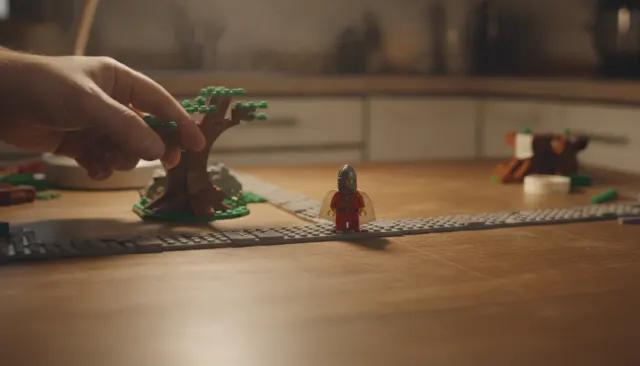
From 2019-2024, a wave of Blender motion designers used the Principled BSDF shader with specific settings-low roughness variance, short subsurface scatter, normal-mapped clay texture-to produce branded clay renders for apps, games, NFT collections, and brand social content. LEGO's CGI movies and games, while not clay, share some of the same matte-tactile material grammar.
2009
Laika Studios, dir. Henry Selick - stop-motion aesthetic reference
2012
Laika Studios, dir. Sam Fell, Chris Butler
2016
Laika Studios, dir. Travis Knight
plasticine stop-motion origin
2015
Aardman CGI clay preservation
2014
Laika Studios, dir. Anthony Stacchi, Graham Annable
A Look is not a filter. It is a set of stored decisions the pipeline reads before it makes a single frame, so two videos in the same Look actually match.