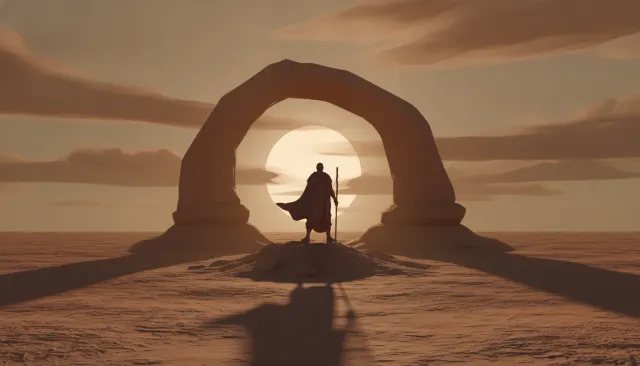
Shaun the Sheep Movie
2015
dir. Mark Burton, Richard Starzak
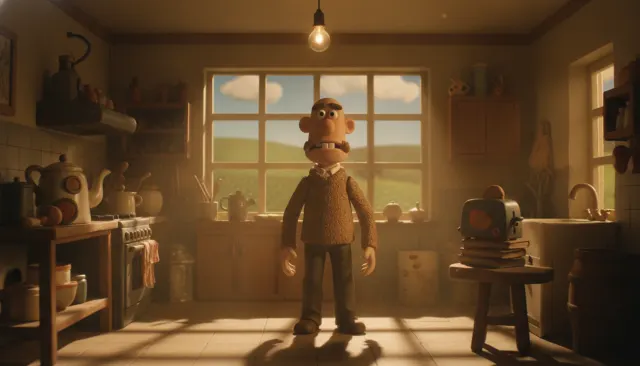
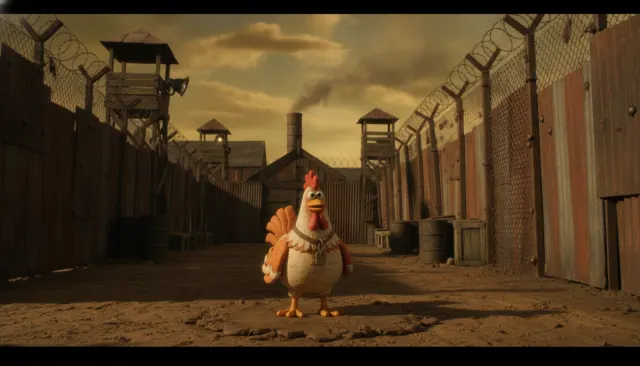
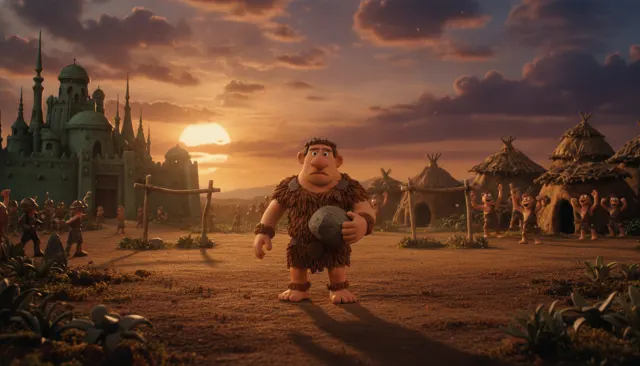
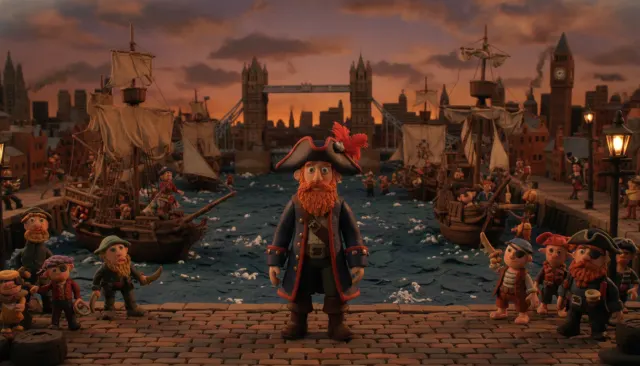
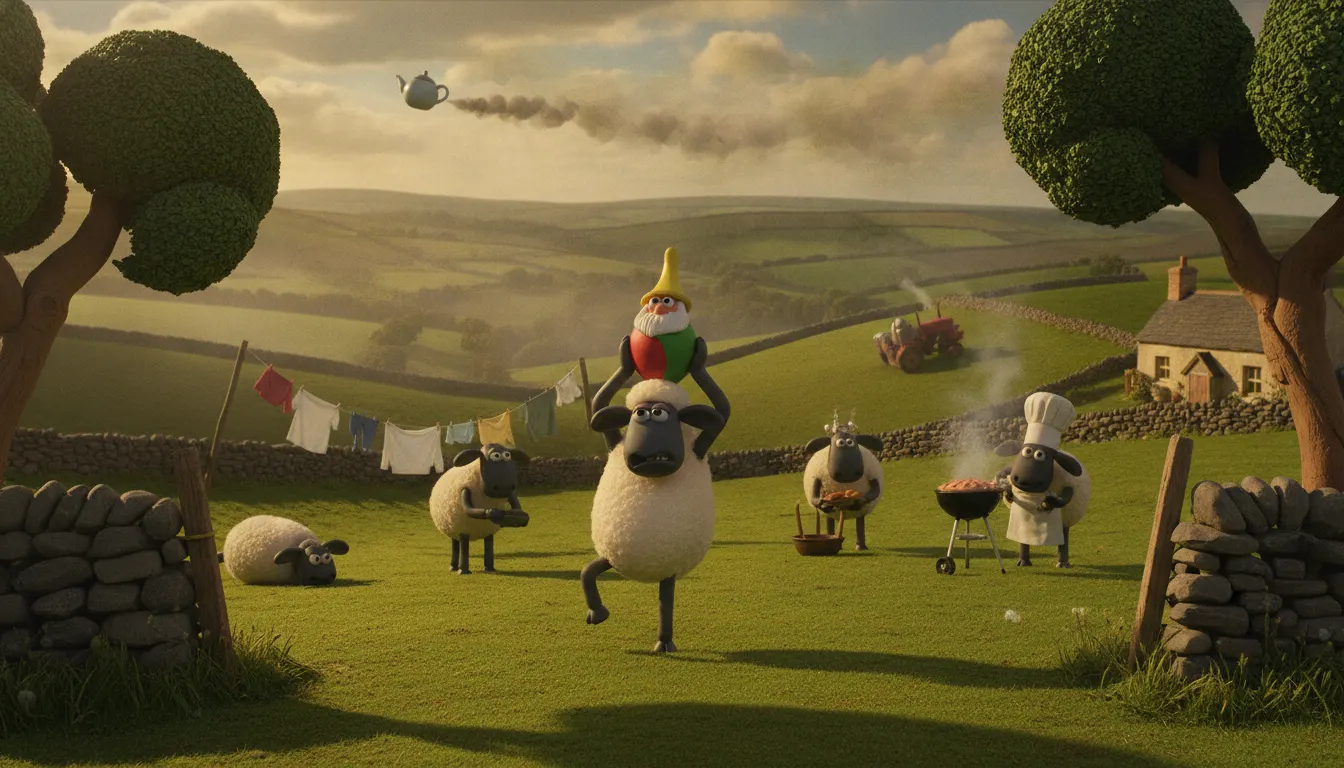
Aardman CG era. Shaun the Sheep Movie CG passes and Early Man. Plasticine-feel CG, thumbprint texture preserved, British absurd humor.
The moves a human crew would use to get here. Cue applies them for you, and knowing their names is how you ask for a change.
texture surface shaders that replicate plasticine fingerprint marks and dents
style medium-wide cinematography with locked or slow-moving camera
stepped animation timing referencing stop-motion 12fps cadence
Aardman Animations' transition from pure stop-motion clay to CGI was one of the most deliberate and technically demanding stylistic preservation acts in modern animation history. With Shaun the Sheep (TV series from 2007, feature films in 2015 and 2019), Aardman's Bristol studio used CGI not to look slicker-but to look more like clay. The team painstakingly baked fingerprint textures, surface irregularities, and the slightly-off geometry that defines their tactile aesthetic into every rendered frame.
Aardman's roots stretch to Nick Park's A Grand Day Out (1989) and the Academy Award-winning The Wrong Trousers (1993), where Wallace & Gromit's plasticine surfaces became globally recognizable. When producing the Shaun feature films-Shaun the Sheep Movie (2015, directors Mark Burton and Richard Starzak) and Farmageddon (2019, directed by Will Becher and Richard Phelan)-the studio used CGI but engineered it to mimic plasticine deformation. Characters retain clay-like volume loss when squashed, surfaces carry a slight matte, chalky texture rather than plastic sheen, and lighting never goes photo-real.
What separates Aardman CG from Disney or DreamWorks CGI is the commitment to imperfection as aesthetic value. Eyes sit slightly asymmetrically. Surfaces have micro-dents. Animation timing borrows from the stop-motion 'stepped' feel even when curves are used. The palette is warm but slightly desaturated-muddy greens, cream whites, earthy reds-reflecting the English countryside and clay pigments. Cinematography favors medium-wide master shots that feel like watching a stage, giving every gag maximum physical space to land.
Shaun's narrative style-no dialogue, purely physical comedy-demands that visual texture and character posing carry full emotional weight. This reinforces the tactile approach: expressions are broad and body-language-driven, like silent film acting embedded in clay form.
The Aardman CG pipeline (developed in-house in Bristol and with Framestore for Farmageddon) uses custom surface shaders that simulate the light scattering of raw clay under tungsten practical lights-a specific warm quality distinct from the cool, clean subsurface scattering in Pixar or DreamWorks work.
2015
dir. Mark Burton, Richard Starzak
2019
dir. Will Becher, Richard Phelan
Aardman / BBC
2009
Aardman spinoff, pre-school CG-clay hybrid
Aardman clay-speak predecessor
2018
dir. Nick Park, CGI + stop-motion mixed look
pure Aardman clay heritage
A Look is not a filter. It is a set of stored decisions the pipeline reads before it makes a single frame, so two videos in the same Look actually match.