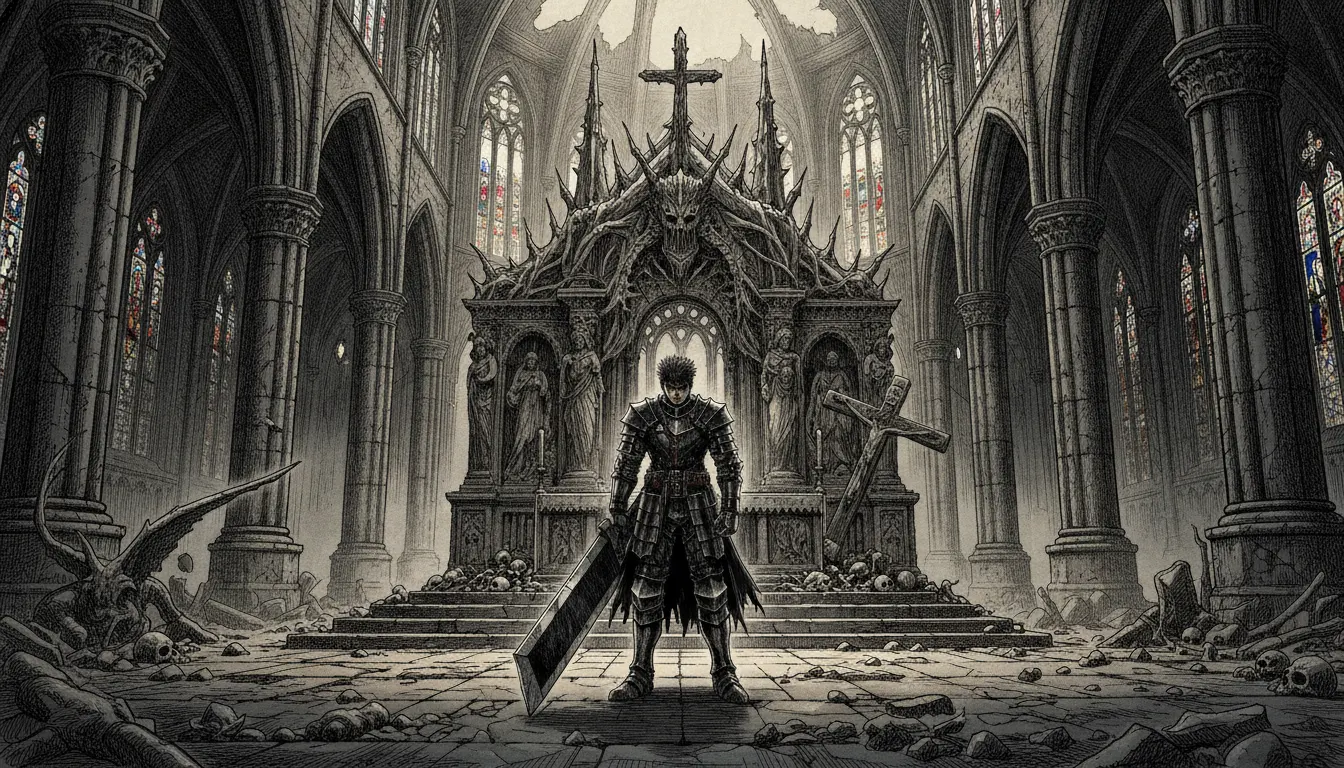
90S MANGA AESTHETICS · 1990S · JAPAN
Berserk Dark Fantasy Ink Detail
Kentaro Miura Berserk register. Hyper-detailed ink hatching, dark fantasy worldbuilding, weathered armor detail, gothic horror staging, brutal cathedral interiors.
dark-fantasydetailedgothicbrutal
LUT berserk-dark-fantasy
WHEN TO USE
- Dark fantasy, horror, or medieval action content requiring maximum visual gravitas and craft
- Illustration or concept art content where ink detail and draftsmanship are the central values
- Gaming content covering dark fantasy RPG, souls-like, or horror genres
- Mature content for audiences who seek darkness, complexity, and artistic ambition over accessibility
- Music video content for metal, doom, or dark orchestral music where the visual weight matches
- Portfolio or showcase content demonstrating illustration craft and visual complexity
WHEN NOT TO USE
- Any content for children or general audiences where extreme violence and body horror are inappropriate
- Light-hearted or comedic content where the extreme darkness creates tonal dissonance
- Brand campaigns outside gaming, illustration, or heavy music where the aesthetic alienates audiences
- Content requiring fast visual read at small screen size where the detail density becomes muddy
SIGNATURE TECHNIQUES
How the look is made.
The moves a human crew would use to get here. Cue applies them for you, and knowing their names is how you ask for a change.
- 01Crosshatching without screen tone
hand-applied ink line density creating tonal range from highlight to shadow
- 02Exhaustive background draftsmanship
individual stone courses, species-accurate trees, distinct crowd faces
- 03Monster design combining organic anatomy, insect morphology, and architectural scale
- 04Guts silhouette
oversized black berserker armor and Dragonslayer sword as instant visual identity
- 05Visual crescendo pacing
detail level escalating during emotional and violent climax sequences
- 06Medieval armor and weapon historical reference rendered with costuming-level accuracy
- 07Double
page splash compositions using ink density variation as tonal landscape
HISTORY & CONTEXT
Where it comes from.
Berserk and the Dark Fantasy Ink Detail Aesthetic
Berserk by Kentaro Miura is one of the most acclaimed manga ever created, serialized in Young Animal (Hakusensha) from 1989 until Miura's death in May 2021 at 54. The series was continued by Miura's collaborator Studio Gaga with permission from Kouji Mori starting in 2022. In 42 volumes and 364 chapters across 32 years, Miura created a medieval dark fantasy world of extraordinary visual density, producing what many consider the finest ink illustration work in the history of manga.
Kentaro Miura's Draftsmanship
Miura's pen work is the defining element of the Berserk aesthetic. His crosshatching technique - used to render the enormous, grotesque monsters ("Apostles") that protagonist Guts battles - creates tonal depth without screen tone, using hand-applied ink lines at multiple densities to suggest form, shadow, and texture. At maximum detail, Miura's splash pages and double-page spreads contain thousands of individual ink strokes, creating a visual complexity that reproduction photography and screen display cannot fully capture at standard print sizes.
His backgrounds give medieval castles, forests, and battlefields the same exhaustive detail as his monster designs. Architecture has individual stone courses and weathering; forests have distinguishable species of trees; crowds have distinct faces and expressions. The cumulative effect is a world that exists independent of its characters - a total environment rather than a backdrop.
Violence, Body Horror, and Visual Strategy
Miura uses the visual register of extreme violence deliberately. The Eclipse sequence (Volumes 12-13) - in which the story's most traumatic events unfold - is orchestrated as a visual crescendo, with Miura's detail level escalating as the horror intensifies. The monsters of this sequence represent the apex of his design work, combining organic anatomy, insect forms, and architectural scale into creatures that require extended study to comprehend.
Protagonist Guts's design - enormous black berserker armor, oversized iron sword (the Dragonslayer), scarred face and missing arm - creates one of manga's most immediately legible silhouettes. The armor design evolved from full-plate medieval into the Beast Armor (Volume 26+), which adds organic horror elements while maintaining recognizability.
The 1997 Anime and 2016 Adaptations
The 1997 TV anime (OLM, director Naohito Takahashi) is celebrated for its adaptation of the Golden Age arc with cel animation that, while unable to reproduce Miura's ink density, captures the dramatic pacing and character dynamics of the manga. The 2016 CGI anime (GEMBA / Millepensee) was widely criticized for failing to translate Miura's visual language into three-dimensional space. The Berserk aesthetic remains most faithfully expressed in the manga itself.
NOTABLE WORKS
Where you have seen it.
*Berserk* anime (Golden Age arc), OLM, director Naohito Takahashi, 1997-1998
*Berserk: The Golden Age Arc* trilogy films, Studio 4°C, director Toshiyuki Kubooka, 2012-2013
*Berserk* manga Volumes 12-13 (Eclipse sequence), 1996-1997
widely cited as the genre's most intense sequence
*Berserk* manga Volume 26+ (Beast Armor arc), 2004
Dark Horse Comics English translation and deluxe edition publication
THE RECIPE
The exact knobs
the renderer turns.
A Look is not a filter. It is a set of stored decisions the pipeline reads before it makes a single frame, so two videos in the same Look actually match.
SettingValue
GradeColour LUT applied to every frame
berserk-dark-fantasyTransitionHow one shot becomes the next
hard cuts · 220ms · linearKen BurnsCamera move applied to stills
Slow push · 0.05 · centerTypographyDisplay / body / mono pairing
Cinzel · Inter · JetBrains MonoMusic moodWhat the bed under the voice sounds like
dark-orchestral · choral-apocalypticPrompt suffixAppended to every shot prompt in this Look
Kentaro Miura Berserk manga, hyper-detailed ink hatching, dark fantasy worldbuilding, weathered armor detail, gothic horror staging, brutal cathedral interiorsPALETTE
Primary
#1A1A1A
Secondary
#7C2D12
Accent
#A33B2A
Text/Light
#0F0F0F
Text/Dark
#E0DACA
BG 900
#0A0A10
BG 800
#15101A
RELATED LOOKS
Next to it on the shelf.
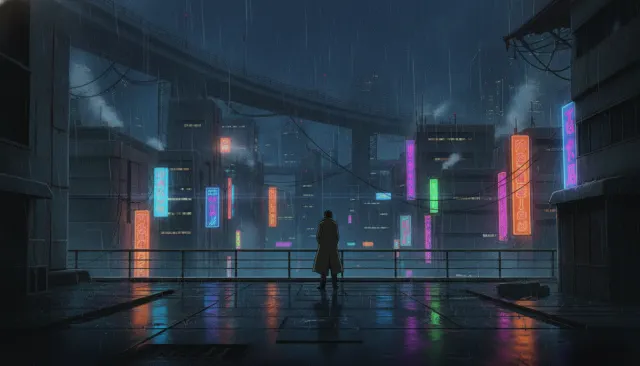 Era Classic AnimeAkira / Bebop 90s OVA Cel
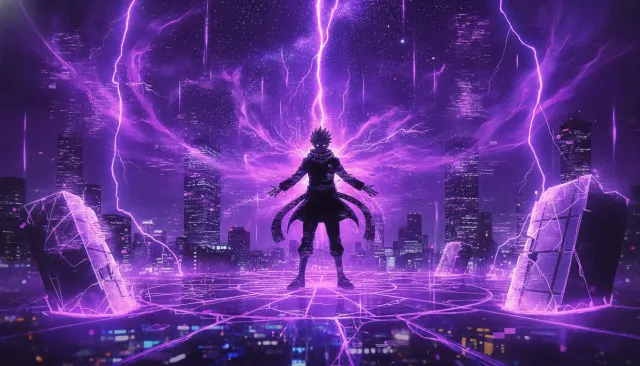 Era Classic Anime Expanded2020s Jujutsu Kaisen Cursed Energy
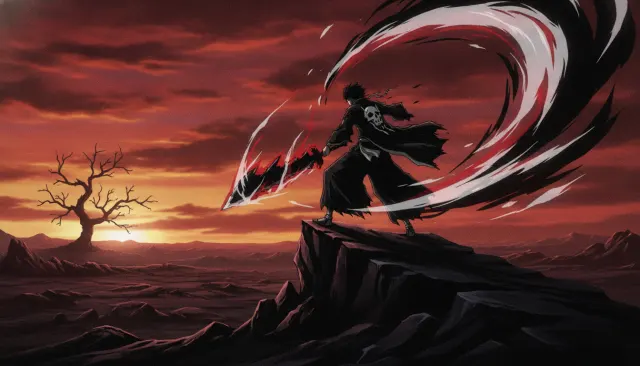 Era Classic Anime Expanded90s Bleach Shinigami Aesthetic
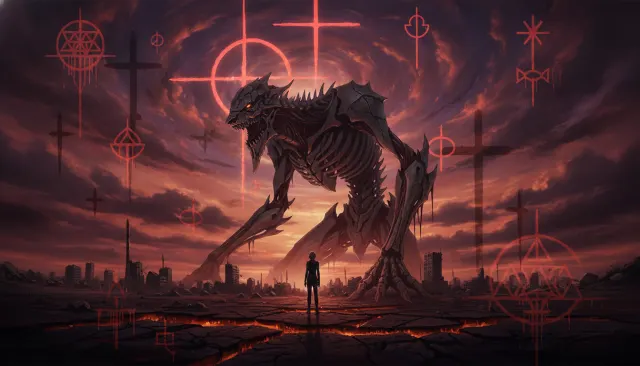 Studio Aesthetic ExpandedGainax Evangelion Mecha Mystical
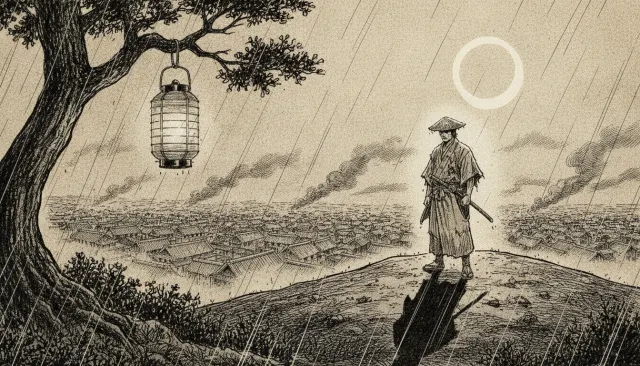 Manga SubtypesGekiga Noir Manga 1960s Dark
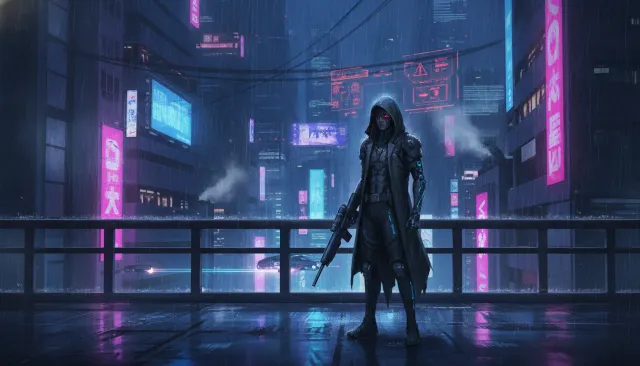 Subgenre Action DarkerCyberpunk Anime Akira Modern
Your first cut
is on us.
+ New videoFree plan · no card · 1080p export