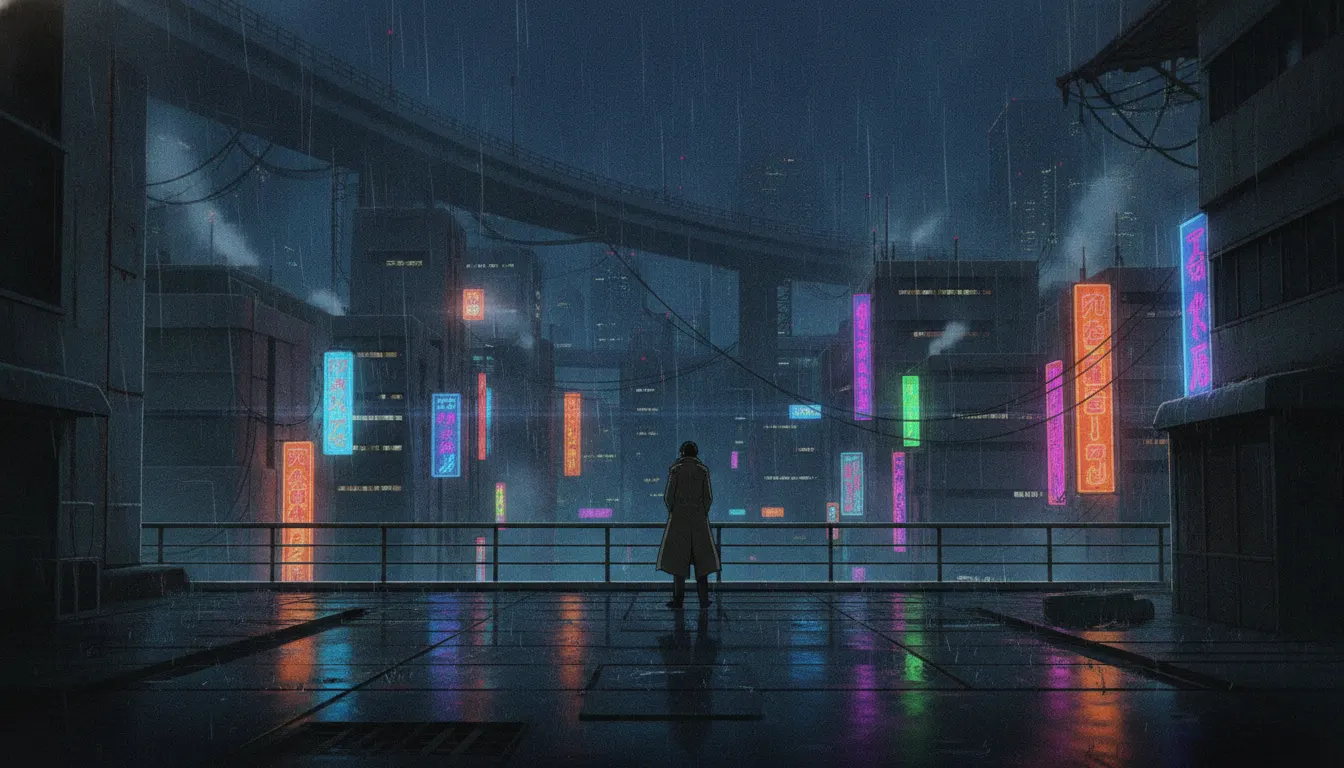
ERA CLASSIC ANIME · 1990S · JAPAN
Akira / Bebop 90s OVA Cel
Akira, Cowboy Bebop, Ghost in the Shell late-80s to 90s gritty OVA cel-anime. Hand-painted backgrounds, smoky neon cities, real cel grain.
noirgrittyretrocyberpunk
LUT cel-90s-ova
WHEN TO USE
- Cyberpunk, sci-fi, or dystopian content requiring the highest-quality anime visual reference
- Music video or audio-visual content where film noir, jazz, and anime aesthetics converge
- Content targeting cinephiles and design-literate audiences who appreciate animation as art
- Brand campaigns requiring cultural prestige and artistic credibility in the anime space
- Fashion content with a 1990s Japanese streetwear or avant-garde aesthetic
- Content around nostalgia for late 1990s-early 2000s anime that inspired the current generation of creators
WHEN NOT TO USE
- Children's content where both works' adult themes and violence are inappropriate
- Fast-moving commercial content where the cinematic pacing references require sustained attention
- Content requiring contemporary digital animation aesthetics rather than warm cel-era visual texture
- Generic anime content where the specific Akira/Bebop cultural references are too niche
SIGNATURE TECHNIQUES
How the look is made.
The moves a human crew would use to get here. Cue applies them for you, and knowing their names is how you ask for a change.
- 01*Akira*
style 327,000-cel production density: extraordinary background and mechanical detail
- 02Neo
Tokyo architectural specificity: individually designed urban signage, vehicles, and infrastructure
- 03Otomo lip
sync: dialogue-first recording enabling naturalistic mouth movement
- 04Cel animation color warmth through practical explosion and psychic FX without digital compositing
- 05*Bebop* adult character proportions
realistic weight, aging clothing, non-idealized body shapes
- 06Kawamoto character design
Western film reference proportions applied to Japanese animation craft
- 07Multi
genre visual synthesis: blaxploitation, Western, jazz, Hong Kong action within single visual identity
HISTORY & CONTEXT
Where it comes from.
Akira, Cowboy Bebop, and the 1990s OVA Cel Aesthetic
The late 1980s and 1990s represented a golden era of Japanese theatrical animation and OVA (Original Video Animation) production, characterized by unprecedented production values and artistic ambition. Two works define the aesthetic ceiling of this period: Akira (Tokyo Movie Shinsha, 1988) and Cowboy Bebop (Sunrise, 1998), each approaching the visual potential of cel animation from different directions.
Akira: Katsuhiro Otomo and 1988 Theatrical Animation
Akira (director and co-writer Katsuhiro Otomo, Tokyo Movie Shinsha) stands as perhaps the most technically ambitious cel animation ever produced. Otomo's production used approximately 327,000 individual cels - roughly double the typical theatrical feature count - with 50 unique background colors and extraordinarily detailed mechanical and city design. Neo-Tokyo's cyberpunk dystopia was rendered with architectural specificity: every street has individually designed signage, vehicles, and urban infrastructure.
Otomo pioneered lip-sync animation where dialogue was recorded first and animation synchronized to it (rather than the Japanese convention of animating first and dubbing later), giving Akira's characters unusually naturalistic speech movement. The film's color design by Yukiko Ito maintained cel paint warmth through fire, explosion, and psychic distortion sequences that pushed available paint technology to its limits.
Cowboy Bebop: Sunrise, Watanabe, and Kanno (1998)
Cowboy Bebop (Sunrise, director Shinichiro Watanabe, music by Yoko Kanno) is the canonical crossover text - the series that introduced anime to Western audiences who had no prior interest in the medium. Its visual identity synthesizes multiple American cultural references - 1970s blaxploitation film, Western genre aesthetics, jazz-era graphic design, 1990s Hong Kong action cinema - filtered through Japanese character design and animation craft.
Character designer Toshihiro Kawamoto created the Bebop cast with adult proportions, realistic body weight, and clothing that ages and wrinkles realistically. The visual sophistication was matched by Yoko Kanno's jazz-and-blues score, making Bebop the first anime where the visual and musical components were equally celebrated by Western critics.
The OVA Format and Quality
The 1990s OVA format - direct-to-video productions with theatrical budgets but no broadcast constraints - enabled productions including Macross Plus (1994), Record of Lodoss War (1990), Gunsmith Cats (1995), and the Ghost in the Shell theatrical film (Production I.G, director Mamoru Oshii, 1995) to achieve visual standards impossible in television production. The cel animation quality of this period remains unreplicated in digital animation.
NOTABLE WORKS
Where you have seen it.
*Cowboy Bebop*, Sunrise, director Shinichiro Watanabe, music Yoko Kanno, 1998-1999
*Ghost in the Shell*, Production I.G, director Mamoru Oshii, 1995
*Macross Plus* OVA, Studio Nue / Triangle Staff, director Shoji Kawamori, 1994-1995
*Record of Lodoss War* OVA, Madhouse, 1990-1991
*Neon Genesis Evangelion*, Gainax, director Hideaki Anno, 1995-1996
*Vampire Hunter D: Bloodlust*, Madhouse, director Yoshiaki Kawajiri, 2000
THE RECIPE
The exact knobs
the renderer turns.
A Look is not a filter. It is a set of stored decisions the pipeline reads before it makes a single frame, so two videos in the same Look actually match.
SettingValue
GradeColour LUT applied to every frame
cel-90s-ovaTransitionHow one shot becomes the next
hard cuts · 220ms · linearKen BurnsCamera move applied to stills
Slow push · 0.05 · centerTypographyDisplay / body / mono pairing
IBM Plex Mono · Inter · JetBrains MonoMusic moodWhat the bed under the voice sounds like
jazz-noir · industrial-synthPrompt suffixAppended to every shot prompt in this Look
Akira Cowboy Bebop Ghost in the Shell 90s anime, gritty OVA cel animation, hand-painted neon cityscapes, real cel grainPALETTE
Primary
#C7384F
Secondary
#1F8FA8
Accent
#F4B942
Text/Light
#10121A
Text/Dark
#E8E6DC
BG 900
#0A0C14
BG 800
#10121A
RELATED LOOKS
Next to it on the shelf.
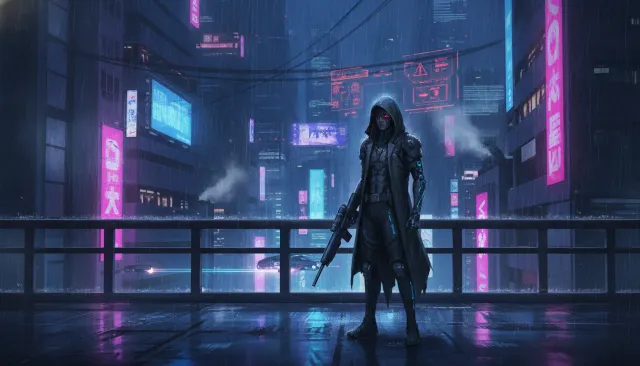 Subgenre Action DarkerCyberpunk Anime Akira Modern
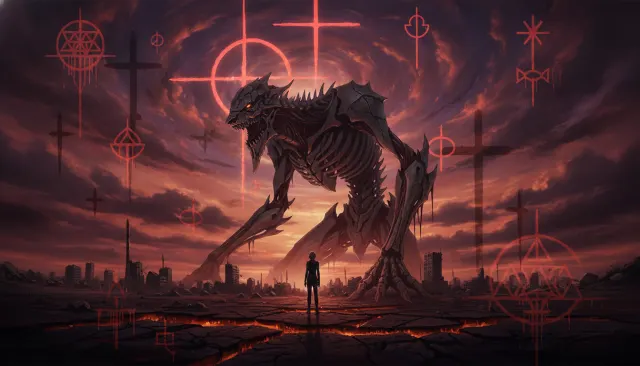 Studio Aesthetic ExpandedGainax Evangelion Mecha Mystical
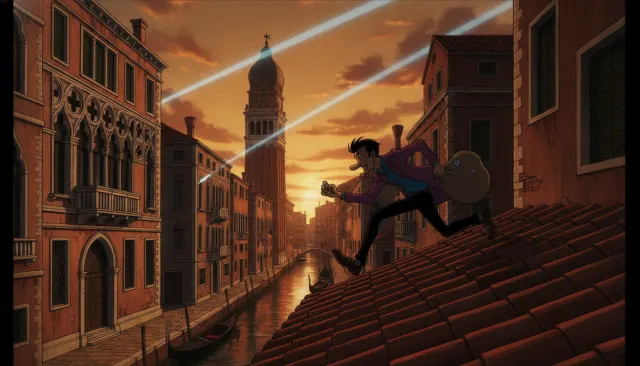 Era Classic Anime Expanded70s Lupin III Zenigata Action
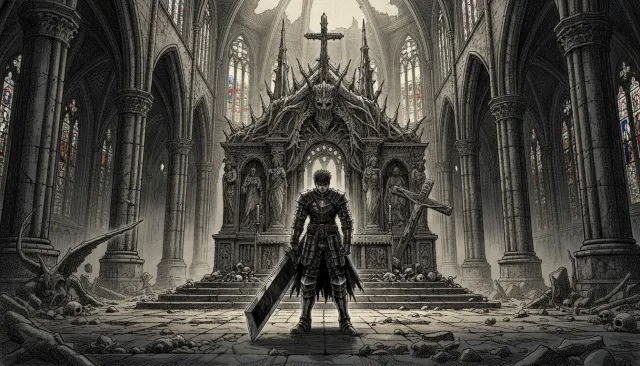 90S Manga AestheticsBerserk Dark Fantasy Ink Detail
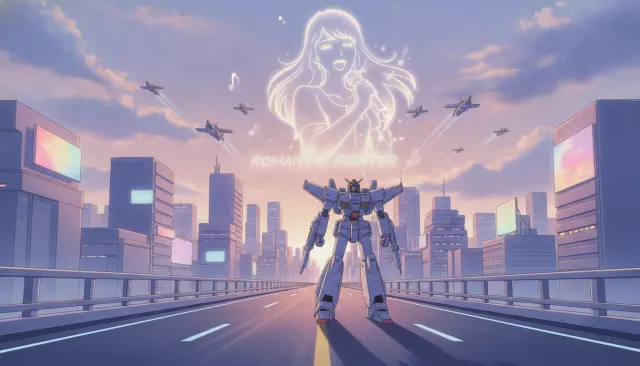 Era Classic Anime Expanded80s Macross Mecha Pastel
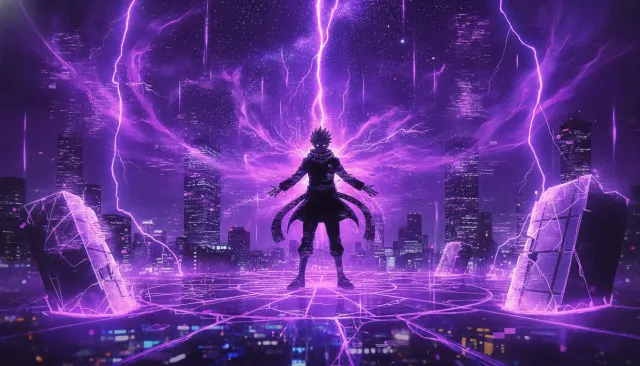 Era Classic Anime Expanded2020s Jujutsu Kaisen Cursed Energy
Your first cut
is on us.
+ New videoFree plan · no card · 1080p export