ERA CLASSIC ANIME EXPANDED · 1970S · JAPAN
70s Lupin III Zenigata Action
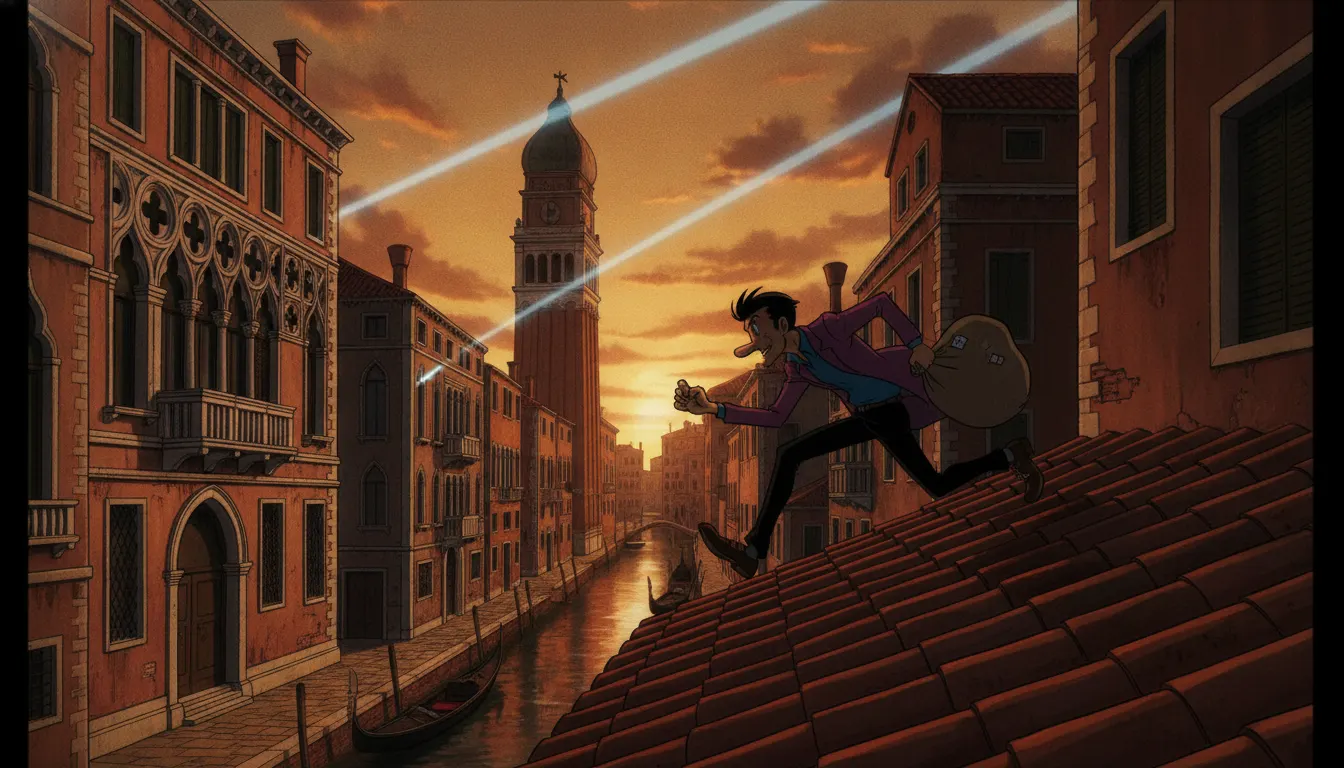
1970s Lupin III register. TMS Entertainment caper anime, jazzy heist energy, exaggerated rubbery proportions, retro European backdrops.
caperjazzyretrorubbery
LUT lupin-70s-caper
WHEN TO USE
- Heist, crime, or caper content where European crime-film sophistication meets anime expressiveness
- Action-comedy content requiring both physical humor and dynamic chase/fight sequences
- Retro adult animation aesthetics targeting audiences who appreciate 1970s animation craft
- Travel content with European architecture and vehicle chase elements
- Brand campaigns for fashion, watches, or luxury accessories with an ironic, stylish edge
- Content about con artistry, cleverness, and stylish improvisation
WHEN NOT TO USE
- Children's content where the adult crime-thriller themes and character grotesquerie are inappropriate
- Corporate or earnest brand content where the roguish, anti-authority premise undermines trust
- Horror content where the comedic character design breaks tension
- Content requiring female lead centrality where the franchise's gender dynamics are problematic
SIGNATURE TECHNIQUES
How the look is made.
The moves a human crew would use to get here. Cue applies them for you, and knowing their names is how you ask for a change.
- 01Grotesque
charismatic character design: expressive ugly-charm over conventional anime beauty
- 02Ligne claire
influenced clean ink outlines with European comic caricature proportions
- 03Kinetic chase sequence animation emphasizing physical weight and architectural interaction
- 04Warm earthy palette (Part 2 Miyazaki era) versus cool noir blue-grey (Part 1 Osumi era)
- 05Comedic timing using held
frame reaction shots between action beats
- 06European architectural environments
Italian villas, French streets, Alpine castles
- 07Yasuo Otsuka follow
through and overlapping action in vehicle and physical action sequences
HISTORY & CONTEXT
Where it comes from.
Lupin III and the 1970s Action Anime Aesthetic
Lupin III is one of the longest-running and most influential anime franchises in history, originating as a manga by Monkey Punch (Kazuhiko Kato) serialized in Weekly Manga Action from 1967. The 1971 anime adaptation by TMS Entertainment (then Tokyo Movie) introduced the visual and tonal vocabulary - stylized action, European crime-film sophistication, comedic timing, and a distinctly adult sensibility absent from most contemporary anime - that defined the franchise across six television series, multiple theatrical films, and television specials spanning six decades.
Character Design and the Monkey Punch Aesthetic
Monkey Punch's original manga style drew heavily from European ligne claire comic traditions and American caricature. Lupin's design is deliberately ugly-charming: a bulbous nose, wide grinning mouth, and lanky proportions that contrast with the sleek, handsome leads of contemporary anime. Inspector Zenigata's square-jawed, humorless determination provides the visual foil. This grotesque-charismatic design philosophy, where characters are expressive and idiosyncratic rather than conventionally beautiful, was a deliberate departure from the Tezuka school's large-eyed idealism.
Part 1 vs. Part 2 Visual Registers
The original 1971 series (Part 1, directed by Masaaki Osumi with episodes by Hayao Miyazaki and Isao Takahata) is notably darker and more experimental in style, with fluid animation and a harder crime-film edge. When Miyazaki and Takahata took over the series' direction midway through Part 1 and fully in Part 2 (1977), the visual register shifted toward warmer colors, broader comedy, and more dynamic action choreography. The two registers - Osumi's noir-inflected adult thriller vs. Miyazaki's warm adventure comedy - both remain within the franchise's visual range.
Yasuo Otsuka's Action Animation
Animation director Yasuo Otsuka developed the series' action animation language, emphasizing physical weight, follow-through, and overlapping action in chase sequences. Lupin's car chases, heist sequences, and gunfights established a template for kinetic action comedy that Otsuka would carry forward to Future Boy Conan and that remains visible in contemporary action anime.
Castle of Cagliostro and Theatrical Elevation
Miyazaki's theatrical film Lupin III: The Castle of Cagliostro (1979, TMS Entertainment) represents the aesthetic peak of the franchise's 1970s era. The film introduced Miyazaki's mature background art style, physical chase sequences across architectural environments, and a romantic adventure tone that presaged his Ghibli work. It is widely studied as an animation craft reference and remains the cinematic touchstone for the franchise.
NOTABLE WORKS
Where you have seen it.
*Lupin III* Part 1 anime, TMS Entertainment, director Masaaki Osumi (later Miyazaki/Takahata), 1971-1972
*Lupin III* Part 2 anime, TMS Entertainment, 1977-1980 (155 episodes)
*Lupin III: The Castle of Cagliostro*, TMS Entertainment, director Hayao Miyazaki, 1979
*Lupin III: The Secret of Mamo*, TMS Entertainment, director Soji Yoshikawa, 1978
*Lupin III Part 5*, TMS Entertainment, director Kazuhide Tomonaga, 2018
Yasuo Otsuka, animation director, foundational chase sequence work
THE RECIPE
The exact knobs
the renderer turns.
A Look is not a filter. It is a set of stored decisions the pipeline reads before it makes a single frame, so two videos in the same Look actually match.
SettingValue
GradeColour LUT applied to every frame
lupin-70s-caperTransitionHow one shot becomes the next
hard cuts · 220ms · linearKen BurnsCamera move applied to stills
Slow push · 0.07 · centerTypographyDisplay / body / mono pairing
Limelight · Inter · JetBrains MonoMusic moodWhat the bed under the voice sounds like
jazz-noir · lounge-funkPrompt suffixAppended to every shot prompt in this Look
1970s Lupin III TMS Entertainment anime, jazzy caper heist energy, exaggerated rubbery proportions, retro European backdropsPALETTE
Primary
#16A34A
Secondary
#DC2626
Accent
#F59E0B
Text/Light
#1A1A22
Text/Dark
#F4ECDC
BG 900
#10141F
BG 800
#1A1F26
RELATED LOOKS
Next to it on the shelf.
 Era Classic Anime Expanded70s Future Boy Conan Miyazaki Early
 Era Classic Anime Expanded60s Tezuka Astro Boy Detailed
 Era Classic AnimeAkira / Bebop 90s OVA Cel
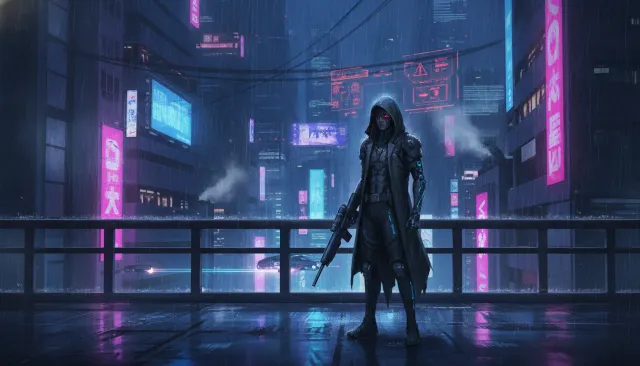 Subgenre Action DarkerCyberpunk Anime Akira Modern
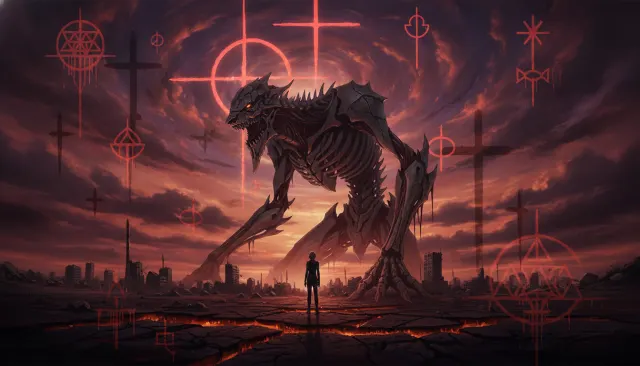 Studio Aesthetic ExpandedGainax Evangelion Mecha Mystical
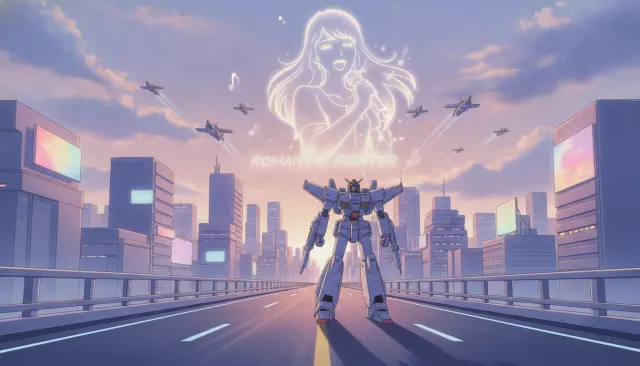 Era Classic Anime Expanded80s Macross Mecha Pastel
Your first cut
is on us.
+ New videoFree plan · no card · 1080p export