ERA CLASSIC ANIME EXPANDED · 1990S · JAPAN
90s Bleach Shinigami Aesthetic
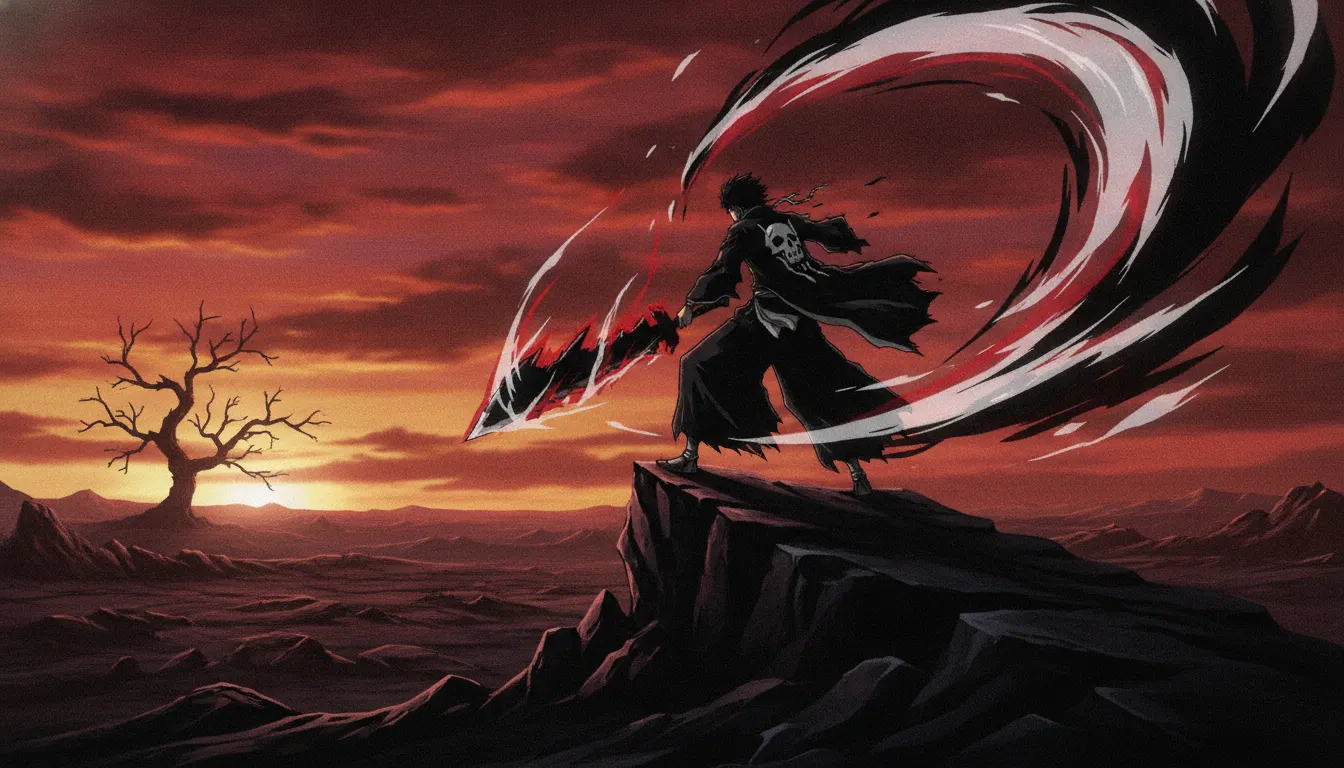
Late-90s / early-2000s Bleach-style shinigami cel register. Black kimono, hot ink-splash spirit pressure, hand-drawn zanpakuto release effects, vintage shonen polish.
shonenspiritualink-splashcel
LUT shinigami-ink-splash
WHEN TO USE
- Gothic, dark fantasy, or supernatural content with samurai-meets-streetwear fashion sensibility
- Music or fashion content with a Japanese gothic or visual kei aesthetic
- Content for audiences nostalgic for mid-2000s shonen anime - a large and engaged demographic
- Gaming content covering JRPG, action, or dark fantasy genres with sword combat
- Brand campaigns for fashion or accessories with an edge and cultural cool-factor
- Action-heavy thumbnails requiring immediate visual drama from character costume contrast
WHEN NOT TO USE
- Children's content where the death-and-spirits thematic and violence are inappropriate
- Light, optimistic content where the gothic palette and mortality themes clash
- Corporate content where the anti-establishment aesthetic undermines institutional trust
- Content requiring bright, saturated color where Bleach's steel-and-black palette is too heavy
SIGNATURE TECHNIQUES
How the look is made.
The moves a human crew would use to get here. Cue applies them for you, and knowing their names is how you ask for a change.
- 01Black
versus-white color coding: shinigami in black hakama vs. Hollow/Arrancar in white
- 02Rock
music fashion influence: character designs with Bowie-esque swagger and costume theatricality
- 03Ichigo orange hair against pure black robes
high-contrast complementary character color signature
- 04Soul Society desaturated stone
grey and sword-steel palette contrasting with warm living-world colors
- 05Zanpakuto release transformation
personal weapon design escalating through multiple transformative states
- 06Billowing cloth physics
hakama, haori, and coat fabric with dramatic wind-caught movement
- 07Spanish
language antagonist naming and architecture in Hueco Mundo - white void environments
HISTORY & CONTEXT
Where it comes from.
Bleach and the Shinigami Aesthetic (1990s-2000s)
Bleach by Tite Kubo began serialization in Weekly Shonen Jump in August 2001 and ran until August 2016 (686 chapters). The Studio Pierrot anime adaptation aired from 2004 to 2012 (366 episodes), with the final arc Thousand-Year Blood War adapted by Studio Pierrot in 2022-2024. The series introduced the "shinigami" (death god/soul reaper) aesthetic to mainstream shonen - a visual language blending samurai sword culture, gothic Western death imagery, and urban contemporary fashion that became one of the most imitated anime art styles of the 2000s.
Tite Kubo's Fashion-Forward Character Design
Kubo's character design philosophy explicitly borrowed from fashion illustration and Western music culture. Where most shonen protagonists wear school uniforms or training gear, Bleach characters wear billowing black hakama (traditional Japanese divided skirt-trousers) styled to read as gothic streetwear. Antagonists wear white counterpoint costumes with Spanish naming conventions (the Arrancar/Espada faction). This black-versus-white color coding - shinigami in black vs. Hollows and Arrancars in white - is the series' primary visual organizing principle.
Kubo has cited David Bowie, The Rolling Stones, and fashion designers as influences, giving his character designs a rock-music swagger unusual in the genre. Protagonist Ichigo Kurosaki's orange hair against black robes created one of anime's most recognizable color signatures.
Visual Atmosphere and Setting
Bleach divides its visual world between Karakura Town (a photorealistic contemporary Japanese city rendered in warm everyday colors) and Soul Society (a feudal Japanese afterlife city rendered in desaturated stone grey and sword-steel blue). The visual shift between these worlds - warm living vs. cold spiritual - is consistent throughout the series and creates strong environmental storytelling without exposition.
Sword Design and Combat Aesthetics
The zanpakuto (soul-cutting sword) design system, where each shinigami's weapon reflects their personality and can transform into a more powerful released form, required Kubo to design hundreds of unique weapons and their transformed states. This weapon design vocabulary - elongated katana with decorative tsuba (handguard), cloth and chain accessories, improbable transformed forms - became a major influence on the weapon-design language of subsequent shonen series.
Thousand-Year Blood War Production
The 2022 TYBW anime by Studio Pierrot, directed by Tomohisa Taguchi with character design by Masashi Kudo, applied modern digital production techniques to Kubo's designs. The result - particularly the Sternritter invasion sequences - showed how the Bleach aesthetic scales to contemporary animation quality standards.
NOTABLE WORKS
Where you have seen it.
*Bleach* anime, Studio Pierrot, 2004-2012 (366 episodes)
*Bleach: Thousand-Year Blood War*, Studio Pierrot, director Tomohisa Taguchi, 2022-2024
*Bleach: Memories of Nobody* film, Studio Pierrot, 2006
*Bleach: Hell Verse* film, Studio Pierrot, 2010
Tite Kubo art books: *All Colour But The Black* , *Bleach Illustrations: Can't Fear Your Own World*
2007
THE RECIPE
The exact knobs
the renderer turns.
A Look is not a filter. It is a set of stored decisions the pipeline reads before it makes a single frame, so two videos in the same Look actually match.
SettingValue
GradeColour LUT applied to every frame
shinigami-ink-splashTransitionHow one shot becomes the next
hard cuts · 160ms · linearKen BurnsCamera move applied to stills
Slow push · 0.07 · centerTypographyDisplay / body / mono pairing
Sawarabi Mincho · Inter · JetBrains MonoMusic moodWhat the bed under the voice sounds like
shonen-anthemic · taiko-rockPrompt suffixAppended to every shot prompt in this Look
late 90s Bleach style shinigami cel anime, black kimono, hot ink-splash spirit pressure, hand-drawn zanpakuto release effects, vintage shonenPALETTE
Primary
#1A1A22
Secondary
#F4B942
Accent
#DC2626
Text/Light
#0F0F14
Text/Dark
#F4ECDC
BG 900
#0A0A10
BG 800
#1A1A22
RELATED LOOKS
Next to it on the shelf.
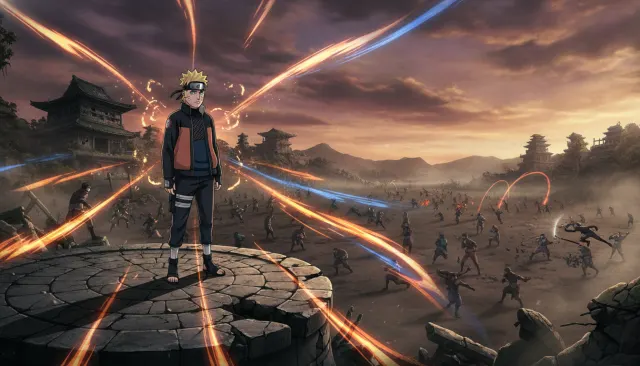 Era Classic Anime Expanded2000s Naruto Shippuden Modern Shonen
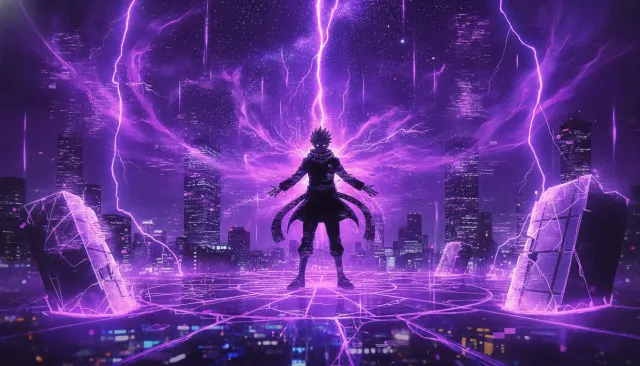 Era Classic Anime Expanded2020s Jujutsu Kaisen Cursed Energy
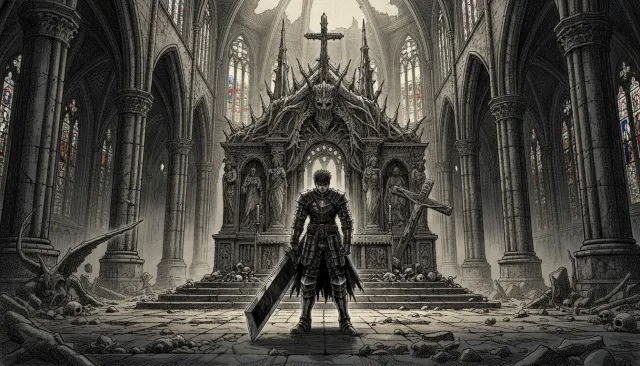 90S Manga AestheticsBerserk Dark Fantasy Ink Detail
 Era Classic Anime90s Magical Girl Anime
 Era Classic AnimeAkira / Bebop 90s OVA Cel
 Studio Aesthetic ExpandedA-1 Pictures Sword Art Online
Your first cut
is on us.
+ New videoFree plan · no card · 1080p export