ERA CLASSIC ANIME · 1990S · JAPAN
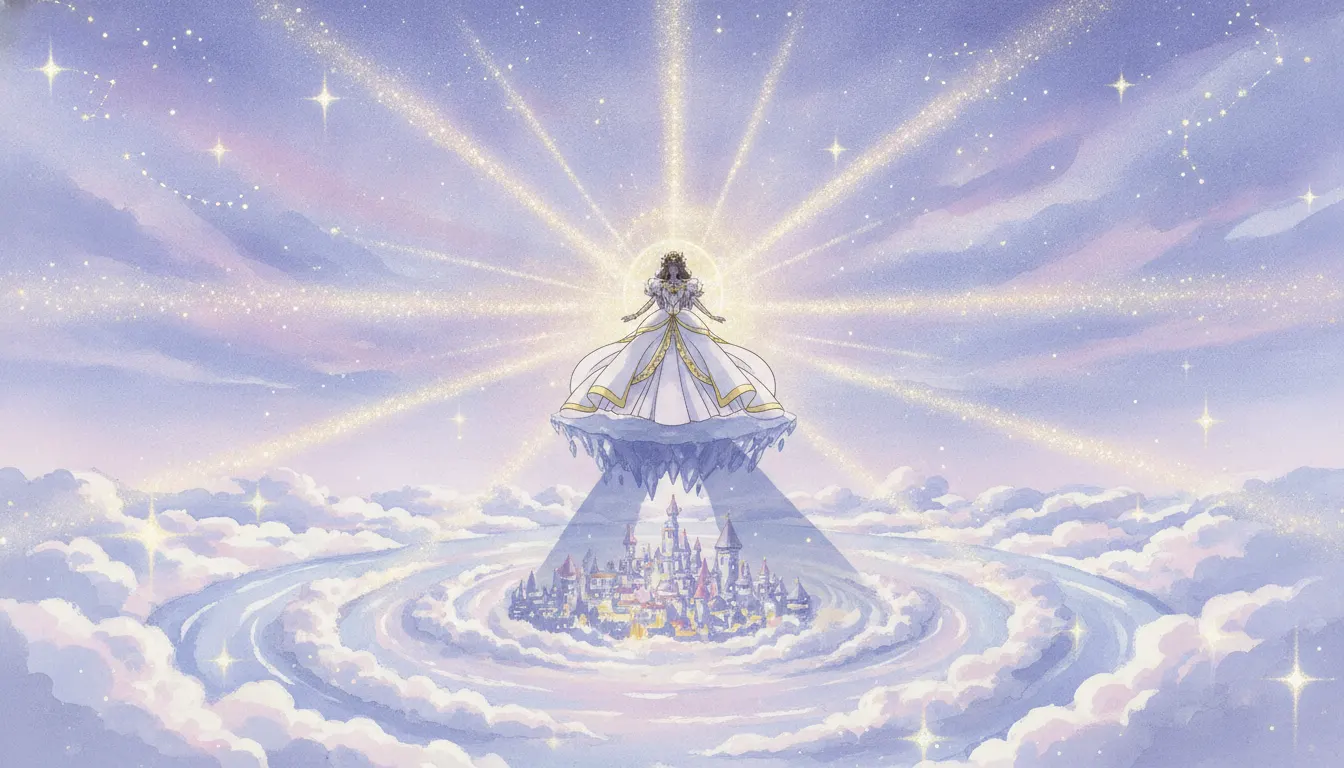
90s Magical Girl Anime
Early-90s Sailor Moon / Wedding Peach / Card Captor Sakura era painterly magical-girl anime. Watercolor backgrounds, lavender skies, hand-inked sparkle.
nostalgicsparklyromanticpastel
LUT magical-girl-90s
WHEN TO USE
- Content for female-identified audiences in the 18-35 demographic with strong anime literacy
- Fashion, beauty, or lifestyle content where the aspirational costume design and transformation ritual translate to product reveal
- Nostalgia content targeting audiences who grew up watching Sailor Moon in 1990s broadcast or streaming
- Children's content with an empowerment and friendship narrative, particularly for young girls
- Brand campaigns for beauty, cosmetics, or fashion with a playful yet aspirational Japanese aesthetic
- Romantic or dramatic content where the operatic emotional stakes and rose symbolism fit the tone
WHEN NOT TO USE
- Action or combat content where the genre's romantic and feminine aesthetic reads as incongruously soft
- Dark horror content unless intentionally doing the Madoka-style cute-surface/dark-content contrast
- Content targeting audiences primarily familiar with Western animation or action anime
- B2B or corporate content where the genre's youthful, feminine aesthetic mismatches audience expectations
SIGNATURE TECHNIQUES
How the look is made.
The moves a human crew would use to get here. Cue applies them for you, and knowing their names is how you ask for a change.
- 01Transformation sequence animation
ritualized multi-stage girl-to-magical-warrior metamorphosis with body-glow and costume materialization
- 02Long
legged idealized body proportions with flowing, elaborate hair and school-uniform-derived hero costumes
- 03Individual color coding per character
each hero has a consistent costume and attack palette
- 04Rose, star, heart, and moon iconography as recurring visual motifs
- 05CLAMP
influenced fashion illustration detail: couture-level costume design with accurate garment construction
- 06Ikuhara theatrical staging
rose imagery, shadow play, Takarazuka-influenced operatic composition
- 07Shojo manga speed lines using curved flower
petal patterns rather than action speed lines
HISTORY & CONTEXT
Where it comes from.
The Magical Girl Anime Aesthetic (1990s)
The magical girl (mahou shoujo) genre has roots in the 1966 series Sally the Witch by Mitsuteru Yokoyama (Toei Animation), but it was the 1990s that produced the genre's definitive artistic and cultural statements. Sailor Moon (Toei Animation, 1992-1997), Cardcaptor Sakura (Madhouse, 1998-2000), and Magic Knight Rayearth (TMS Entertainment, 1994-1995) established the visual conventions that define mahou shoujo globally.
Naoko Takeuchi and Sailor Moon
Naoko Takeuchi's Sailor Moon manga (Kodansha, Nakayoshi magazine, 1991-1997) and its Toei Animation adaptation (director Junichi Sato, later Kunihiko Ikuhara) are the defining texts. Takeuchi's character design system pairs long, idealized legs and flowing hair with age-appropriate school uniforms adapted into superhero costumes. The transformation sequence - where the protagonist undergoes a ritualized metamorphosis from ordinary girl to magical warrior - became the genre's central visual event, requiring elaborate multi-stage animation sequences that studios recycled across episodes to manage budgets.
Color coding differentiates each Sailor guardian: Sailor Moon's blue-and-white with pink accents, Sailor Mars's red and white, Sailor Mercury's blue. The costume design merges sailor-suit school uniform (a distinctly Japanese school fashion) with operatic superhero theatricality.
Kunihiko Ikuhara's Revolutionary Direction
Ikuhara directed Sailor Moon S (1994-1995) before departing to create Revolutionary Girl Utena (J.C.Staff / Be-Papas, 1997). His visual approach introduced psychological and surrealist imagery into the genre: rose imagery, shadow play, theatrical staging borrowed from Takarazuka Revue aesthetic. Utena in particular deconstructed the genre's conventions with Ikuhara's characteristic theatrical repetition, abstract background environments, and queer subtext that operates visually through color and composition rather than dialogue.
CLAMP and Cardcaptor Sakura
The manga collective CLAMP (Cardcaptor Sakura, Kodansha, 1996-2000) brought fashion illustration sophistication to magical girl design. Character Sakura Kinomoto's battle costumes, designed by Tomoyo Daidouji within the narrative, are elaborate formal gowns and theatrical costumes rather than standard superhero uniforms. This fashion-as-narrative device was illustrated by CLAMP with couture-level clothing design detail, creating the most aspirationally beautiful character wardrobes in the genre.
Genre Evolution
Puella Magi Madoka Magica (Shaft, director Akiyuki Shinbo, 2011) represented the definitive dark deconstruction of the genre, using Ume Aoki's deceptively cute character designs against Gekidan Inu Curry's nightmarish witch-space collage environments to create tonal dissonance. This contrast between cute surface and dark substance became the template for post-2010 mahou shoujo deconstructions.
NOTABLE WORKS
Where you have seen it.
*Sailor Moon* anime, Toei Animation, director Junichi Sato / Kunihiko Ikuhara, 1992-1997
*Revolutionary Girl Utena*, J.C.Staff / Be-Papas, director Kunihiko Ikuhara, 1997
*Cardcaptor Sakura* manga by CLAMP, Nakayoshi / Kodansha, 1996-2000
*Cardcaptor Sakura* anime, Madhouse, 1998-2000
*Magic Knight Rayearth* by CLAMP, TMS Entertainment, 1994-1995
*Puella Magi Madoka Magica*, Shaft, director Akiyuki Shinbo, character design Ume Aoki, 2011
THE RECIPE
The exact knobs
the renderer turns.
A Look is not a filter. It is a set of stored decisions the pipeline reads before it makes a single frame, so two videos in the same Look actually match.
SettingValue
GradeColour LUT applied to every frame
magical-girl-90sTransitionHow one shot becomes the next
dissolve cuts · 500ms · ease-in-outKen BurnsCamera move applied to stills
Slow push · 0.05 · rule-of-thirdsTypographyDisplay / body / mono pairing
Mochiy Pop One · Nunito · JetBrains MonoMusic moodWhat the bed under the voice sounds like
anime-jpop-90s · twinkly-synthPrompt suffixAppended to every shot prompt in this Look
90s magical girl anime, early Sailor Moon Card Captor Sakura era, watercolor backgrounds, lavender skies, hand-inked sparkle, painterly celPALETTE
Primary
#E6A8D7
Secondary
#A8C8E6
Accent
#FFE066
Text/Light
#3A2A3A
Text/Dark
#FFF6FA
BG 900
#2A1F2E
BG 800
#3A2A3A
RELATED LOOKS
Next to it on the shelf.
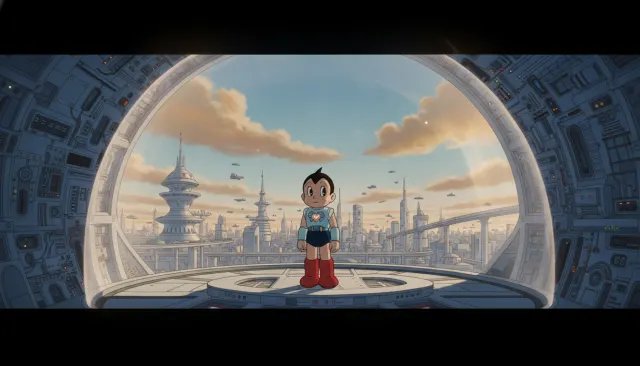 Era Classic Anime Expanded60s Tezuka Astro Boy Detailed
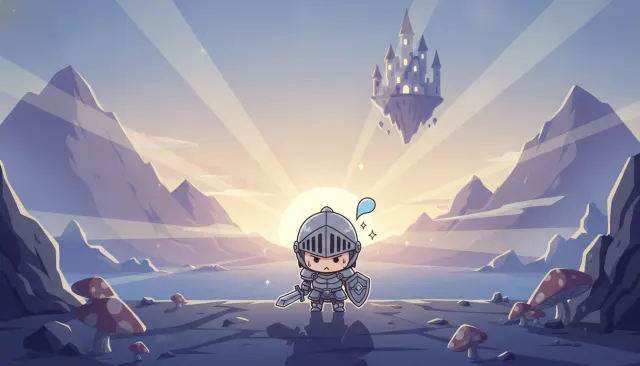 Subgenre ChibiChibi Super Deformed
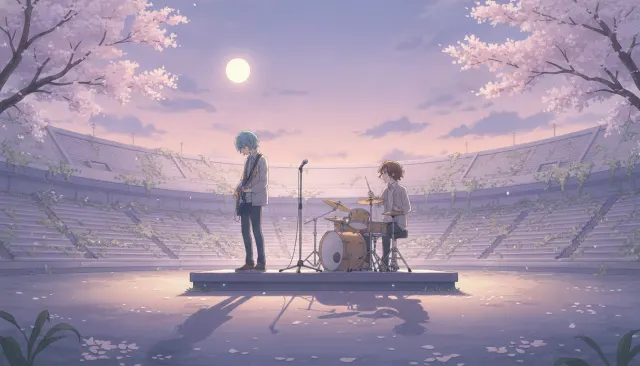 Subgenre Romance ComedyBL Shounen-Ai Light Pastel
 Era Classic Anime Expanded90s Bleach Shinigami Aesthetic
 Era Classic Anime Expanded80s Macross Mecha Pastel
 Studio Aesthetic ExpandedGainax Evangelion Mecha Mystical
Your first cut
is on us.
+ New videoFree plan · no card · 1080p export