SUBGENRE CHIBI · CONTEMPORARY · JAPAN
Chibi Super Deformed
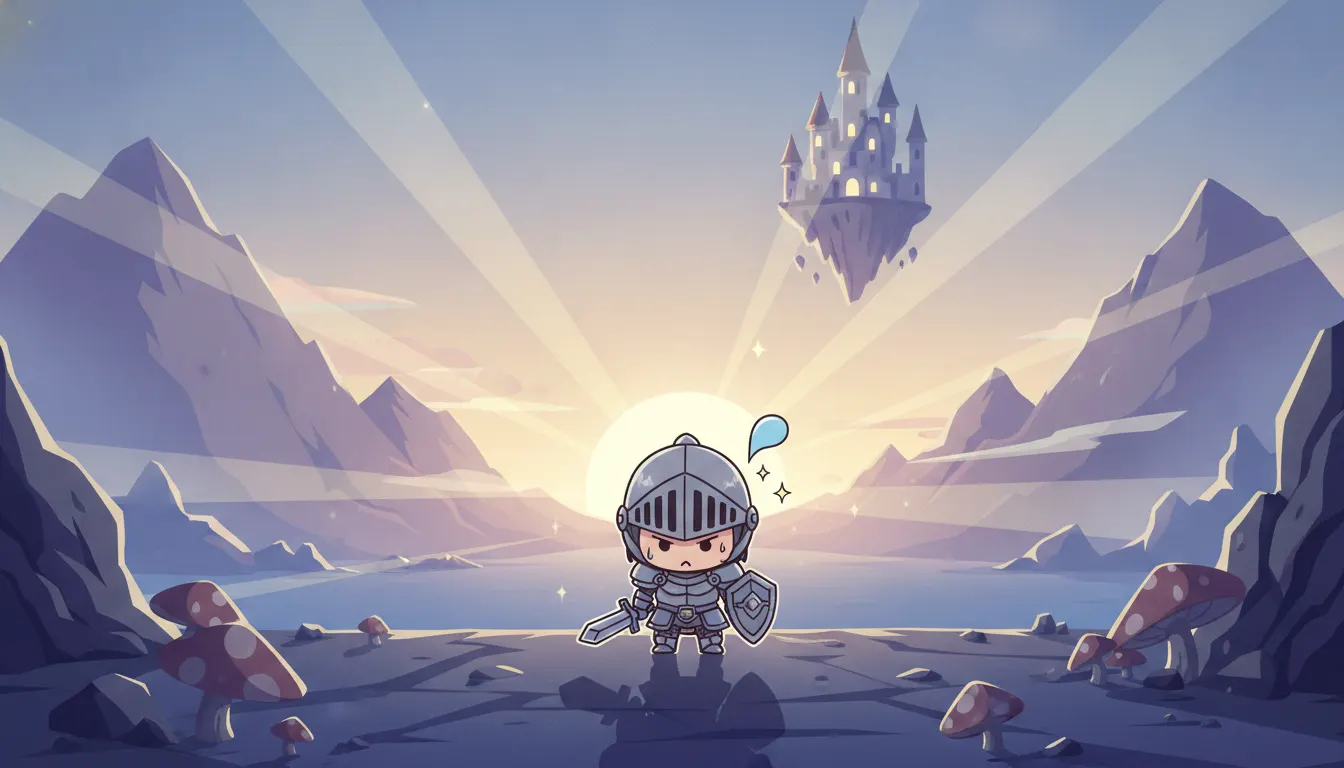
Chibi / super-deformed (SD) anime register. Tiny cute proportions, exaggerated giant heads, sticker-flat cel color, comedic emote faces.
cutecomedicplayfulexpressive
LUT chibi-flat-pop
WHEN TO USE
- Comedy content requiring immediate visual comedic signal through character size reduction
- Merchandise, branded content, or product packaging where character legibility at small scale is required
- Sticker, emoji, or messaging app content where compressed character expression at tiny size is essential
- Educational or tutorial content using anime characters that benefits from moments of comedic relief
- Gaming content for mobile platforms where chibi character design scales across screen sizes
- Social media reaction content using anime characters expressing strong emotions in compressed form
WHEN NOT TO USE
- Dramatic or emotionally serious content where the chibi comedic register undermines tone
- Brand campaigns requiring sophisticated or premium positioning where chibi reads as juvenile
- Content requiring detailed character anatomy or physical action sequences that chibi proportions cannot perform
- Horror or dark content where the cute miniaturization creates unintentional tonal dissonance
SIGNATURE TECHNIQUES
How the look is made.
The moves a human crew would use to get here. Cue applies them for you, and knowing their names is how you ask for a change.
- 011:1 or 2
1 head-to-body ratio: maximum head dominance with simplified rounded body mass
- 02Feature retention in reduction
preserving hair shape and distinguishing accessories in miniaturized form
- 03Eye simplification
dot, bean, or filled oval replacing complex iris rendering
- 04Stubby rounded limbs with no wrist or ankle articulation detail
- 05Reaction face SD insert
full-design character momentarily collapses to chibi for comedic emphasis before returning to normal
- 06SD Gundam mecha reduction
maintaining key silhouette features while eliminating mechanical complexity
- 07Pastel or high
saturation color palette amplifying the cute/approachable register
HISTORY & CONTEXT
Where it comes from.
Chibi and Super-Deformed: The Comedic Miniaturization Aesthetic
Chibi (Japanese: small/short person) and Super-Deformed (SD) are related design conventions that reduce characters to exaggerated miniaturized versions of themselves: a large head (often 1:1 or 2:1 head-to-body ratio versus the 1:6 to 1:8 of realistic anime character design), tiny simplified limbs, and reduced facial features that retain only the most essential emotional indicators. The SD convention emerged formally in the 1980s from the mecha model kit industry (where SD Gundam model kits made giant robots adorably palm-sized) and from gag manga insertions where dramatic characters briefly "went chibi" for comedic effect.
Historical Origins
The SD Gundam sub-franchise launched in 1984 with SD Gundam model kits from Bandai, taking Yoshiyuki Tomino's imposing Mobile Suit Gundam designs and shrinking them to kindergarten-friendly blob forms. The SD design language proved enormously merchandisable - the simplification that makes characters readable at 5cm scale also makes them highly printable, embroiderable, and plush-makeable. Bandai's SD Gundam World model kits (1985-present) popularized the convention across the industry.
Separately, the manga tradition of "super-deformed" reaction inserts - moments where a normally realistic character collapses into chibi form for comedic emphasis - has roots in 1970s shojo manga and was formalized across shonen and shojo titles through the 1980s-90s. Toriyama Akira (Dragon Ball, Toei, 1986) and Rumiko Takahashi (Ranma 1/2, Kitty Films / Studio Deen, 1989) both used chibi reaction inserts extensively.
Design Principles
The chibi reduction follows consistent rules regardless of the character's normal design: the head retains the defining features (hair shape, distinguishing accessories, face structure) while the body becomes a simplified rounded mass with stubby limbs. Eyes are simplified to single-color fills or simple dots rather than the complex iris rendering of full-form designs. The reduction must preserve enough of the original design to remain recognizable - good chibi design is character-specific miniaturization, not generic rounding.
Contemporary Applications
SD and chibi design appears throughout contemporary anime production as a comedic register shift device, in merchandise and branded content, in mobile game UI (where small screen size demands readable simplified character design), and in the "SD cutscene" convention in JRPGs. The Nendoroid figure line from Good Smile Company (est. 2006) has become the highest-profile commercial application of SD design principles, turning virtually every major anime character into a 100mm collectible.
NOTABLE WORKS
Where you have seen it.
*SD Gundam World Heroes*, Bandai Namco Filmworks, 2021
*Dragon Ball* chibi reaction moments, Toriyama Akira / Toei Animation, 1986-1989
*Ranma 1/2* chibi gag panels, Rumiko Takahashi / Kitty Films, 1989-1992
Nendoroid figure line, Good Smile Company, 2006-present
*Boruto: Naruto Next Generations* SD spinoff *Naruto SD: Rock Lee no Seishun Full-Power Ninden*, 2012
*Sailor Moon* chibi-usa (Princess Chibi Moon) character as in-narrative size-coded character
THE RECIPE
The exact knobs
the renderer turns.
A Look is not a filter. It is a set of stored decisions the pipeline reads before it makes a single frame, so two videos in the same Look actually match.
SettingValue
GradeColour LUT applied to every frame
chibi-flat-popTransitionHow one shot becomes the next
hard cuts · 180ms · ease-outKen BurnsCamera move applied to stills
Static framesTypographyDisplay / body / mono pairing
Mochiy Pop One · Nunito · JetBrains MonoMusic moodWhat the bed under the voice sounds like
kawaii-bounce · ukulele-cutePrompt suffixAppended to every shot prompt in this Look
chibi super deformed SD anime, tiny cute proportions, giant heads, sticker-flat color, comedic emote faces, sweat-drop sparklePALETTE
Primary
#FFB6C1
Secondary
#A0E7E5
Accent
#FFE66D
Text/Light
#2A2A33
Text/Dark
#FFFFFF
BG 900
#2A2A33
BG 800
#3A3A44
RELATED LOOKS
Next to it on the shelf.

Your first cut
is on us.
+ New videoFree plan · no card · 1080p export