Planet Earth II
BBC Natural History Unit · 2016
Golden-hour drone work and natural light that defines documentary Warm Earth grammar at its most ambitious scale
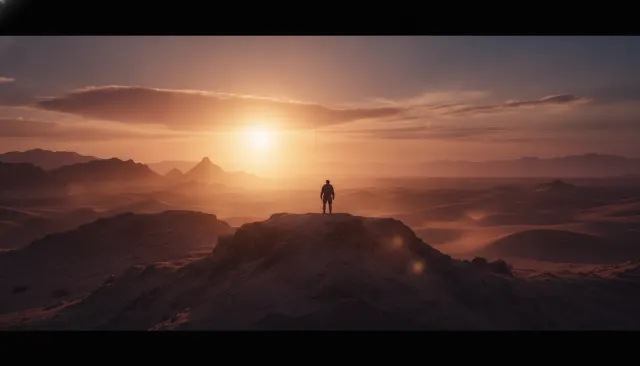
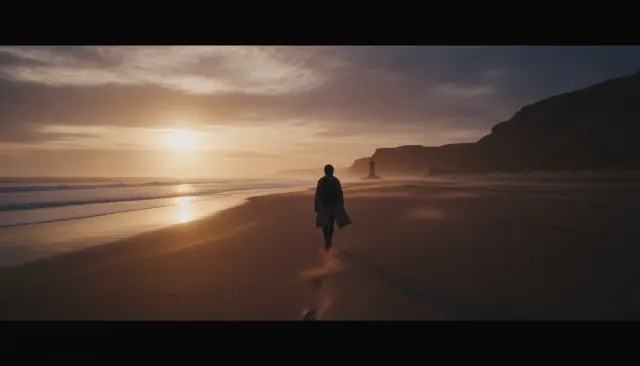
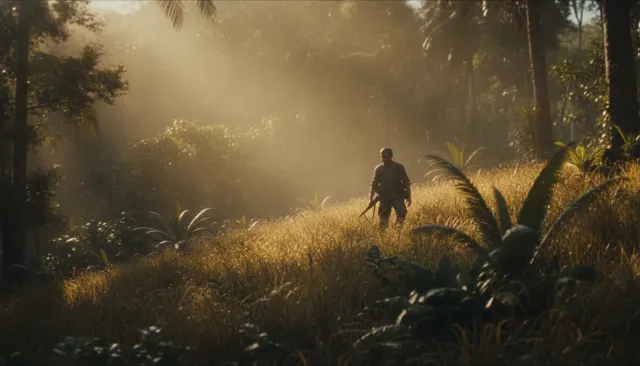
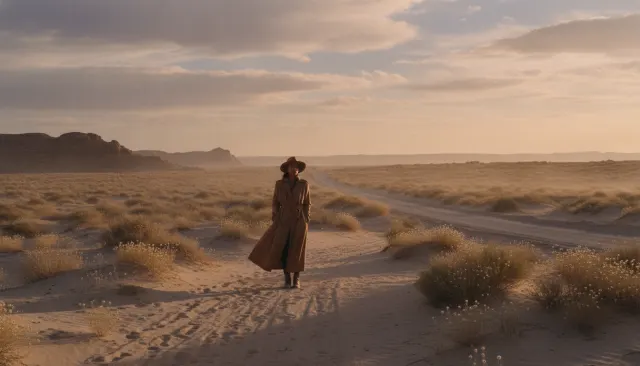
Documentary-grade golden-hour photography, Kodak Portra 400 emulation. Earthy palette, lifted blacks, soft sun.
The moves a human crew would use to get here. Cue applies them for you, and knowing their names is how you ask for a change.
LUT or manual grade that lifts shadows to amber, warms midtones, and rolls off highlights with Kodak Portra's characteristic curve.
Shooting in the hour after sunrise or before sunset when low-angle sun creates warm directional light with long, texture-revealing shadows.
Wardrobe, location, and prop choices that anchor the frame in ochre, sienna, forest green, and warm brown tones that support the grade.
Shadow areas raised above pure black to reveal texture and depth, avoiding the crushed-black look that reads as commercial rather than documentary.
Golden-hour light naturally diffused through atmosphere, foliage, or thin cloud, avoiding the harsh quality of midday direct sun.
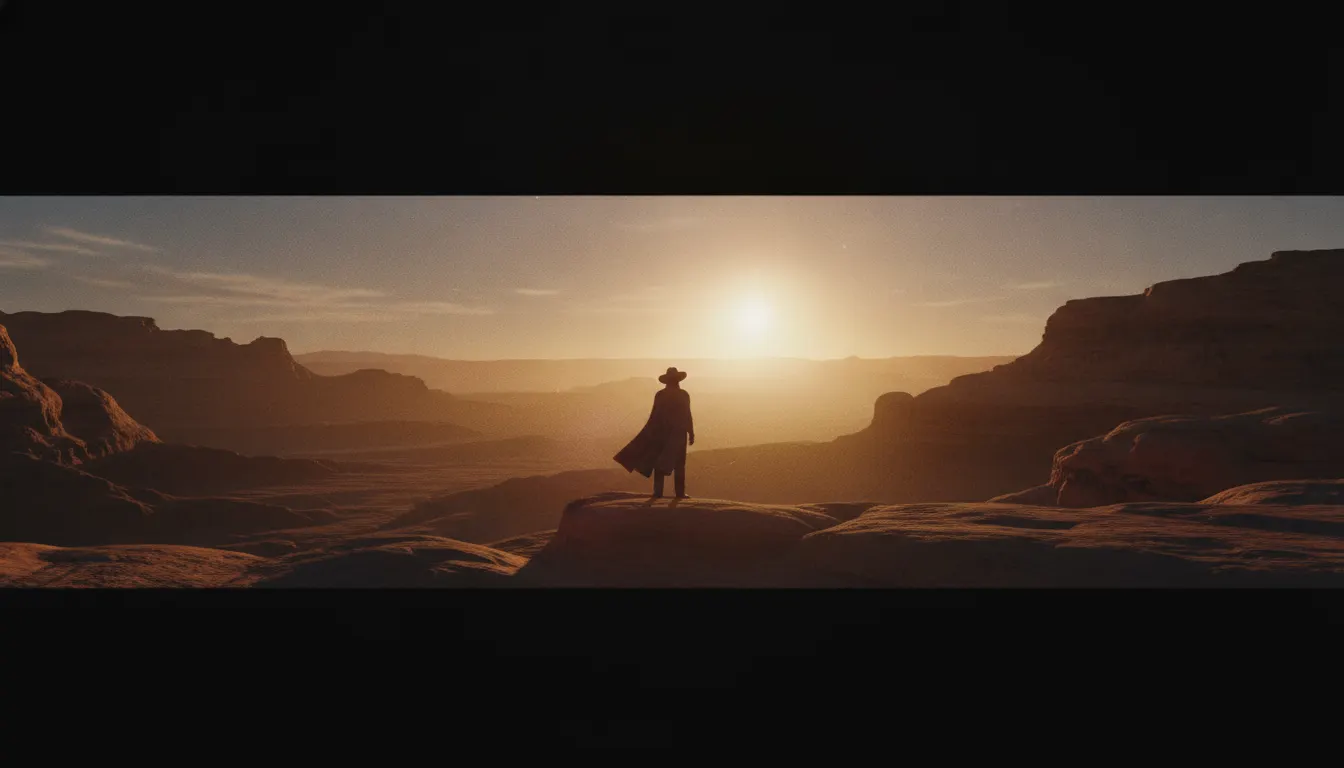
Wide shots that place subjects within expansive landscape context, communicating scale and the beauty of the natural world surrounding them.
The Warm Earth look is documentary-grade golden-hour photography with a Kodak Portra 400 emulation at its core. It is the visual language of honest, beautiful, unhurried photography - landscape and people presented in warm natural light, with earth-tone palettes, lifted shadows, and the soft quality of sun at low angles. This is not the hyper-saturated candy of Technicolor or the cold precision of the Fincher look; it is warmth as a philosophical commitment to finding beauty in the real world as it exists.
Kodak Portra 400 is the most widely used portrait film stock of the modern era and the reference point for the Warm Earth look in still photography. Portra 400's characteristic properties include warm, flattering skin tone rendering (amber tones in highlights, warm midtones), highlight roll-off that prevents blow-out in bright sun, elevated shadow detail (lifted blacks rather than crushed shadows), and fine grain structure that reads as organic texture. Digital cinematographers and editors simulate these properties through LUTs or manual grade adjustments, and the resulting look has become the default for travel photography, nature documentary, and outdoor-lifestyle brand content.
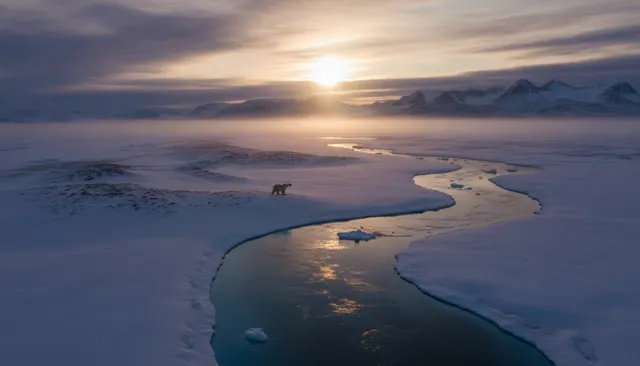
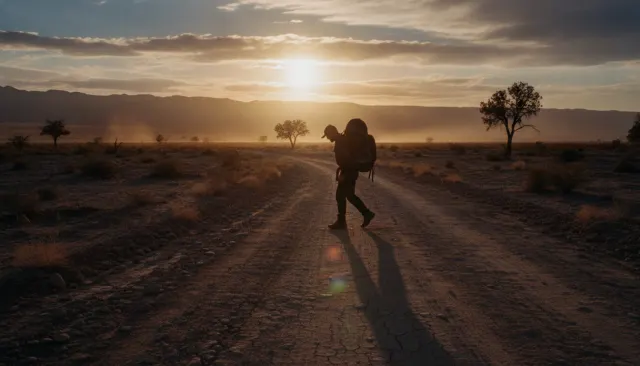
Golden hour - the hour after sunrise and the hour before sunset - produces a quality of light that natural light cinematography consistently returns to. The sun at low angles travels through more atmosphere, filtering out blue and violet wavelengths and producing warm amber-to-orange light. This light is also highly directional, creating long soft shadows that reveal surface texture and three-dimensionality. Combined with Portra 400 emulation, golden-hour footage produces the signature Warm Earth quality: warm-lit subjects against dark-shadowed earth, with golden-spectrum highlights on skin, foliage, and water.
Nature documentarians including David Attenborough productions (BBC Natural History Unit), National Geographic, and independent travel filmmakers consistently work in this visual grammar. The BBC's Planet Earth II (2016) and Seven Worlds, One Planet (2019) use golden-hour and blue-hour lighting as structural elements: drone aerials at magic hour, animal behavior in long raking light, establishing wide shots under dramatic skies. The Warm Earth grade extends this principle to all content types.
The Warm Earth look is the dominant grammar for outdoor recreation brands (Patagonia, REI, Arc'teryx), wellness content, travel editorial, farm-to-table food content, and any brand communication associating itself with the natural world, authenticity, or slow living values. It signals environmental care, unhurried quality, and the aspiration toward a more grounded way of life.
BBC Natural History Unit · 2016
Golden-hour drone work and natural light that defines documentary Warm Earth grammar at its most ambitious scale
Various directors · 2012
Outdoor recreation brand films that established the Warm Earth look as the grammar of authentic outdoor lifestyle marketing
Sean Penn · 2007
Eric Gautier cinematography; Alaska and western US landscape in Warm Earth grade that communicates beauty and danger simultaneously
Ben Stiller · 2013
Stuart Dryburgh; Greenland and Iceland landscape photography using Warm Earth grammar for aspirational adventure tone
Chloe Zhao · 2020
Joshua James Richards; American Southwest in golden-hour Warm Earth grammar that grounds the film's spiritual register
John Chester · 2018
Farm documentary using Portra-grade warmth and golden-hour light to make agricultural labor feel beautiful and meaningful
A Look is not a filter. It is a set of stored decisions the pipeline reads before it makes a single frame, so two videos in the same Look actually match.