Jay Matternes
Human Origins spread, National Geographic (July 1985)
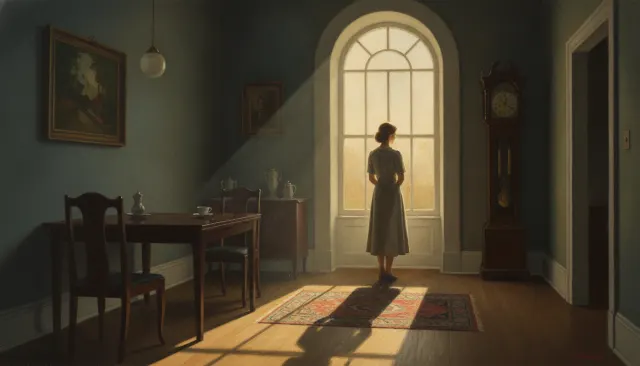
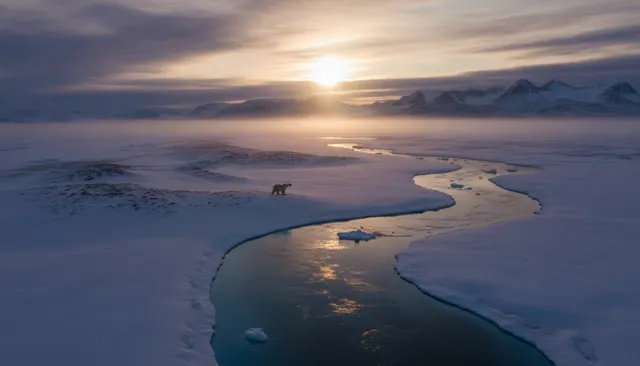
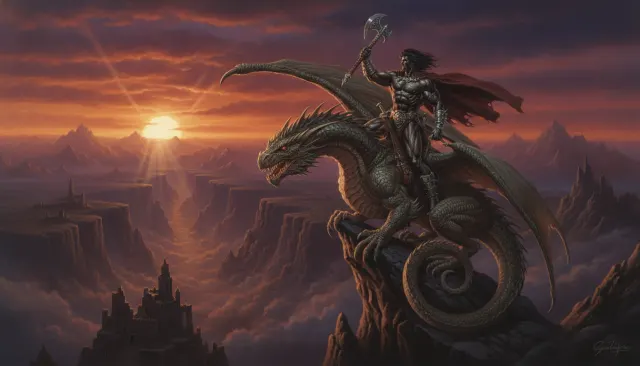
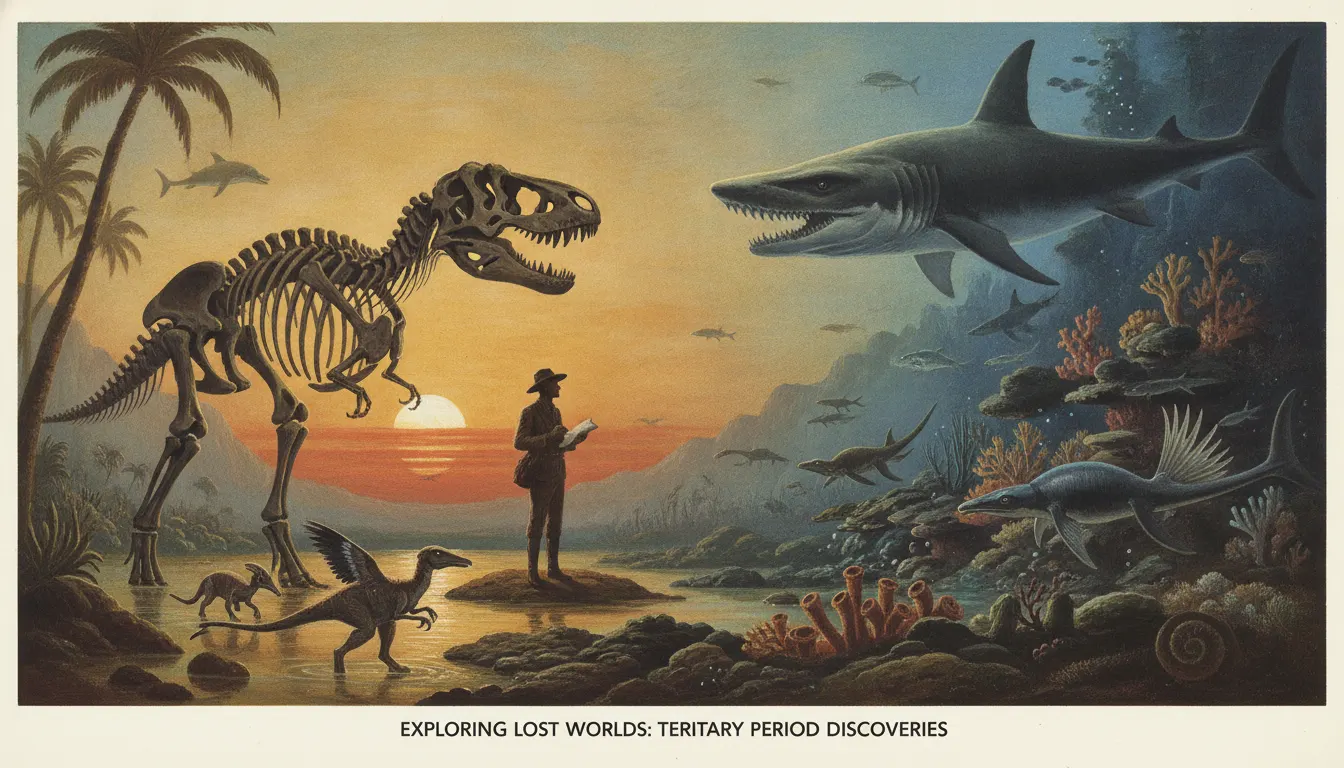
National Geographic mid-century painted illustration. Anatomically accurate dinosaur or undersea scene, painterly gouache, scientific caption.
The moves a human crew would use to get here. Cue applies them for you, and knowing their names is how you ask for a change.
fur, feather, skin, stone, vegetation painted with material specificity
sharp foreground subjects, progressively softened middle and background planes
low-angle views, tight crop on subjects, dynamic diagonals in landscape
format painting scale: original works often 60-90cm allowing extreme detail at reproduction size
earth tones, greens, blues, and warm grays with selective saturated accents
Since its founding in 1888, National Geographic has developed and maintained one of the most distinctive editorial illustration traditions in publishing - a style that demands simultaneously the accuracy of scientific reconstruction, the emotional impact of fine-art painting, and the narrative clarity of commercial illustration.
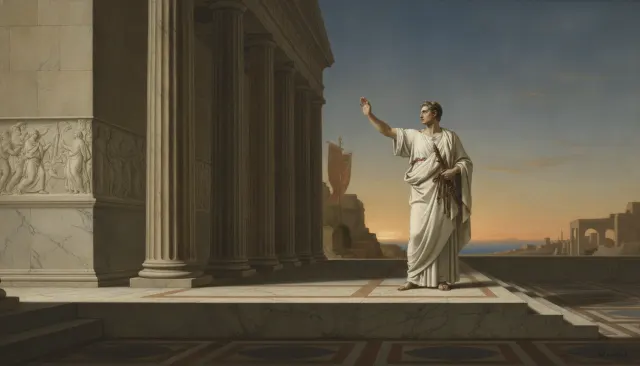
National Geographic's most singular contribution to visual culture is the tradition of reconstruction illustration - painting scenes from human prehistory, paleontology, archaeology, and natural history that could never be photographed. These images, which reached their peak influence from the 1940s through the 1980s, showed Cro-Magnon hunters crossing land bridges, dinosaurs in ecosystems reconstructed from fossil evidence, Roman streets as they appeared at the height of empire, deep-sea creatures swimming in their lightless environments.
The key practitioners include Ned Seidler, whose detailed scientific reconstructions appeared from the 1960s onward; Birney Lettick; and, most influentially, Jay Matternes (born 1933), whose human evolution reconstructions - including the landmark illustration of early hominids for the 1985 article on human origins - established a standard for scientific credibility combined with emotional resonance that influenced a generation of paleoart. More recently, John Gurche has continued and extended this tradition with his forensic facial reconstruction work.
National Geographic painterly illustration shares a set of consistent qualities: photorealistic rendering of texture, material, and light; warm, slightly golden color temperature that suggests the quality of natural outdoor light; extreme depth of field within the painting that mimics the optical characteristics of a high-quality telephoto lens; and figures posed in ways that convey both scientific accuracy and human drama. The style avoids the anachronistic 'heroic' conventions of earlier historical illustration while maintaining visual excitement.
Every illustration appears within the magazine's iconic yellow border. The context - facing pages of rigorous scientific or journalistic text, map graphics, and photography - demands that illustrations carry epistemic weight. A National Geographic painting is read as evidence, not decoration.
Human Origins spread, National Geographic (July 1985)
Dinosaur ecosystem reconstructions, National Geographic (1970s-1980s)
2013
Neanderthal facial reconstruction, National Geographic
Ancient Rome reconstructions, National Geographic (1960s)
Space reconstruction paintings, National Geographic (1950s-1960s)
the yellow border as institutional visual identity
1994
National Geographic Society illustrated reference
A Look is not a filter. It is a set of stored decisions the pipeline reads before it makes a single frame, so two videos in the same Look actually match.